Maine’s Chronic Wasting Disease Monitoring
It’s a hunter’s worst nightmare: a disease that slowly, inexorably, wastes away the magnificent deer and moose we cherish, without a cure. Chronic Wasting Disease (CWD) is that very threat, and while Maine has, thankfully, remained free of it, the constant risk demands our vigilance. This guide will walk you through everything you need to know about CWD, Maine’s robust monitoring efforts, and how every single hunter plays a crucial role in protecting our invaluable wild cervid populations.
Understanding Chronic Wasting Disease What Every Hunter Needs to Know
Let's be brutally honest: CWD is not just another deer disease. It's a progressive, fatal neurological disease affecting deer, elk, moose, and caribou, all members of the cervid family. Unlike bacterial or viral infections, CWD is caused by abnormal proteins called prions, which slowly accumulate in the brain and other tissues, essentially turning the animal's brain into a spongy mess. Imagine watching a vibrant, healthy buck or cow moose slowly lose its coordination, become emaciated, and exhibit bizarre behaviors before it inevitably succumbs. It's heartbreaking, and once an animal is infected, there's no coming back.
What is CWD and How Does It Affect Deer and Moose?
CWD belongs to a group of diseases called Transmissible Spongiform Encephalopathies (TSEs), which also includes scrapie in sheep and bovine spongiform encephalopathy (BSE), or "mad cow disease," in cattle. The prions that cause CWD are incredibly hardy. They can survive in the environment for years, even decades, in soil, plants, and water, making eradication incredibly difficult once an area is infected. When a deer or moose ingests these prions, or they enter the body through cuts or abrasions, they begin to replicate and spread throughout the nervous system. The disease has a long incubation period, often 18-24 months or more, meaning an animal can be infected and spreading prions into the environment long before showing any outward symptoms. This silent spread is one of the most insidious aspects of CWD, making early detection and prevention paramount.
The impact on deer and moose populations can be devastating. Beyond the individual suffering of infected animals, CWD can lead to significant population declines in affected areas. As more animals become infected, breeding success can decrease, and survival rates plummet. The thought of losing our healthy White-Tailed Deer Across Maine and Moose in Maine's North Woods to such a disease is something that keeps wildlife biologists, and responsible hunters like us, up at night. Maine's pristine environment and robust wildlife populations are a national treasure, and protecting them from CWD is a collective responsibility that we all must take seriously.
The Scary Reality of CWD Transmission
The way CWD spreads is what makes it such a persistent threat. Infected animals shed prions through saliva, urine, and feces, contaminating the environment. Other cervids then pick up these prions directly from infected animals through nose-to-nose contact or indirectly from contaminated soil and vegetation. This means that if an infected deer drinks from a water source, urinates in a bedding area, or even just walks through a field, it can leave behind infectious prions that can remain viable and infect other animals for a very long time. It's a silent, invisible killer that lingers.
Furthermore, hunters can inadvertently contribute to its spread if proper precautions aren't taken. Transporting carcasses of infected animals across state lines or even within a state can move contaminated material to new areas. Field dressing an animal and leaving infected tissues (like brain or spinal cord) behind can contaminate a local site. That's why strict regulations on carcass transport and disposal are absolutely critical, and why knowing the rules and adhering to them is part of being a responsible hunter. Even processing your game at home without proper cleaning protocols for equipment could theoretically pose a risk if you've harvested an infected animal, though the risk to humans is still considered low. The key takeaway is that CWD prions are everywhere an infected animal has been, and they don't just disappear.
Signs and Symptoms of CWD in Wild Game
One of the challenges with CWD is that early signs are often subtle and can easily be mistaken for other ailments or even just natural behavior. However, as the disease progresses, infected animals exhibit a range of neurological symptoms. The most obvious, and what gives the disease its name, is significant weight loss and emaciation, despite continuing to eat. You might see a deer that looks like it's starving, with its ribs showing prominently, even during times of abundant forage. This progressive weight loss is often coupled with changes in behavior.
Common observable symptoms can include:
- Listlessness and poor body condition: The animal appears lethargic, weak, and unkempt.
- Excessive salivation: Drooling is common, sometimes leading to wet fur on the neck.
- Difficulty swallowing: This contributes to the emaciation and drooling.
- Lack of coordination: Stumbling, staggering, and a general inability to move normally.
- Abnormal posture: Carrying the head and ears in an unusual way.
- Blank stare: The animal may seem unresponsive to its surroundings, almost oblivious to human presence.
- Increased urination and thirst: Though less frequently observed than other symptoms.
It's important to remember that these signs are not exclusive to CWD. Other diseases, injuries, or even malnutrition can cause similar symptoms. However, if you ever observe a deer or moose exhibiting a combination of these behaviors, especially emaciation and neurological issues, it's crucial to report it immediately to the Maine Department of Inland Fisheries and Wildlife (IFW). Don't assume it's just old age or another minor issue. Your call could be the first line of defense in protecting our herds.
Maine's Unique CWD-Free Status A Source of Pride and Vigilance
Maine holds a special place in the hunting world: we are one of the few remaining states in the lower 48 that has never had a confirmed case of Chronic Wasting Disease in our wild cervid populations. This isn't by accident; it's a testament to decades of proactive management, strict regulations, and the collective effort of our wildlife biologists, lawmakers, and, most importantly, our hunting community. This "CWD-free status" is a badge of honor we fiercely protect, not just for the health of our animals, but for the integrity of our hunting heritage. It allows us to participate in activities like Maine's Four-Week Firearms Deer Season with peace of mind, knowing our game is healthy.
Why CWD Has Never Reached Maine Proactive Measures
Maine's success in remaining CWD-free can be attributed to several key strategies implemented long before the disease became widespread in other parts of the country. One of the earliest and most critical actions was the ban on importing live cervids (deer, elk, moose, etc.) into the state. This proactive measure cut off a primary pathway for CWD introduction, as many early outbreaks in other states were linked to the movement of infected captive animals. We learned from the mistakes of others and shut that door tight.
In addition to preventing live animal imports, Maine has maintained vigilant surveillance programs. Our IFW biologists have consistently monitored deer and moose populations for any signs of disease, conducting surveillance even when CWD was primarily a concern in western states. This foresight allowed Maine to develop a strong baseline understanding of its herd health. Furthermore, our state’s geography, with large tracts of undeveloped forest acting as natural barriers, coupled with relatively lower deer densities in some regions compared to midwestern states, might have played a role in slowing potential spread from neighboring areas, though this is by no means a guarantee of safety. The commitment to safeguarding Maine's CWD-Free Status Explained is deeply ingrained in our wildlife management philosophy.
The Constant Threat: Maine's Closest CWD Detection to Its Border
While Maine remains free of CWD, we are by no means an island. The disease has been detected in neighboring Canadian provinces, specifically Quebec and New Brunswick, as well as in New York and Pennsylvania. In 2018, CWD was confirmed at a deer farm in Port-au-Saumon, Quebec, which is just a few hundred miles from Maine's northern border. More recently, in 2023, a single deer tested positive in the Montérégie region of Quebec, west of Montreal. These detections, while not directly on our border, serve as a stark reminder that the threat is always present and creeping closer.
The proximity of CWD cases in these areas means that careful attention must be paid to the movement of hunters and harvested game. For instance, a hunter traveling to Quebec to harvest a deer could, unknowingly, bring back an infected carcass or even just contaminated equipment. This scenario underscores the importance of our regulations regarding carcass importation. The IFW diligently monitors the spread of CWD in surrounding jurisdictions, informing their own surveillance efforts and public outreach. The fact is, we are surrounded, and while our borders may be natural, they are not impenetrable to this persistent prion. It’s a constant dance between vigilance and geography, ensuring we keep Maine's Nearest Confirmed CWD Cases at bay.
How Maine Protects Its Cervid Herd Import Restrictions and More
Maine's protection strategy for its cervid herd is multi-faceted and rigorous. The cornerstone, as mentioned, is the prohibition on importing whole cervid carcasses or certain high-risk parts (like brain, spinal cord, eyes, lymph nodes) from any state or province where CWD has been detected. This is a crucial defense. Hunters who harvest deer, elk, or moose outside of Maine must adhere strictly to these rules. Generally, only deboned meat, hides, antlers (cleaned of all tissue), skulls (cleaned of all tissue, or skull caps), and finished taxidermy products are allowed across the border. This regulation is designed to prevent the introduction of prions into Maine's environment.
Beyond import restrictions, IFW has implemented an ongoing surveillance program to proactively test animals for CWD. This involves collecting samples from harvested deer and moose, as well as from animals found dead or exhibiting suspicious neurological symptoms. This active monitoring ensures that if CWD were to ever breach our borders, we would have the best possible chance of detecting it early, before it has a chance to establish a foothold. Furthermore, educational campaigns target hunters, processors, and taxidermists to raise awareness about CWD and proper biosecurity measures. The collective effort to protect Maine's Deer and Moose Disease Monitoring is constant, and it needs every hunter's full cooperation.
The Nuts and Bolts of Maine's CWD Monitoring Program
Maine's commitment to remaining CWD-free isn't just talk; it's backed by a robust, ongoing monitoring program managed by the Maine Department of Inland Fisheries and Wildlife (IFW) in collaboration with other state agencies and laboratories. This program is designed to detect CWD early if it ever arrives, giving us the best chance to contain and manage it. It’s about proactive defense, not reactive damage control.
Maine's Deer and Moose Disease Monitoring Sampling Methods
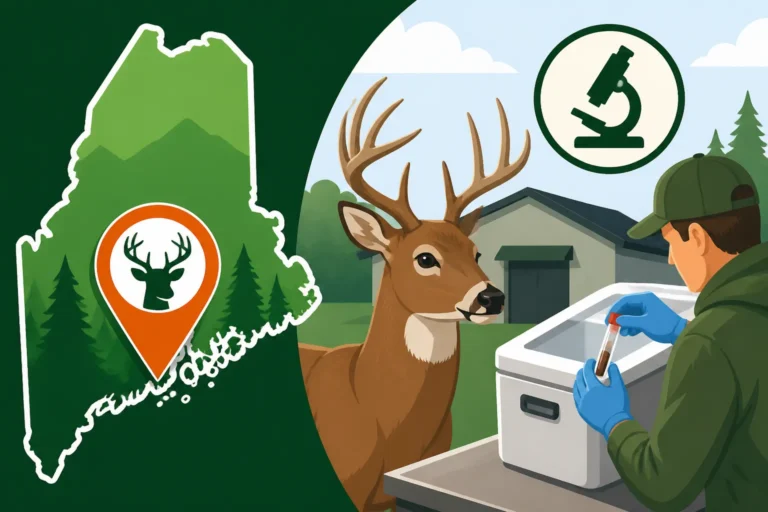
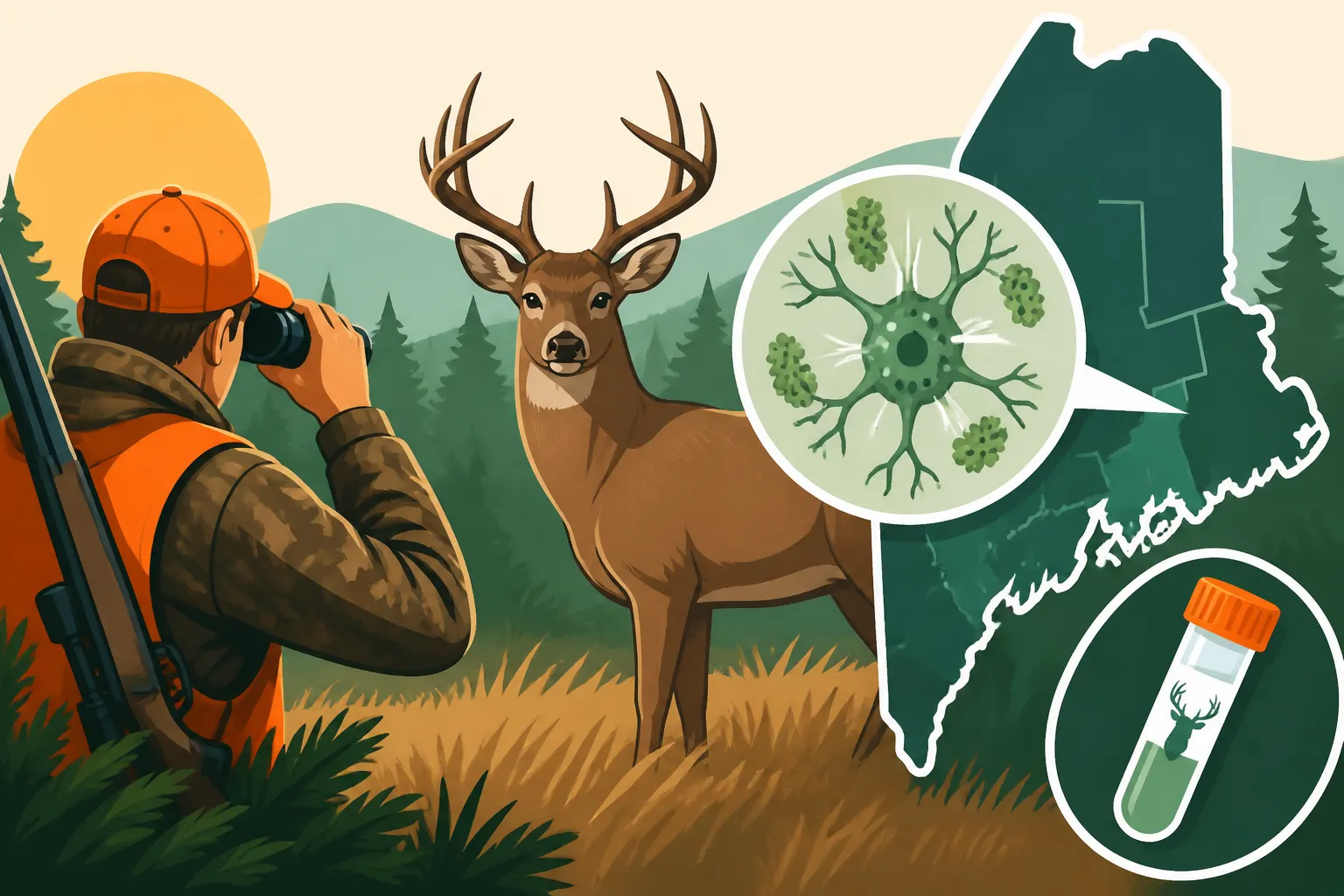
The core of Maine's CWD monitoring program revolves around systematic sampling of hunter-harvested deer and moose, as well as opportunistically collecting samples from animals found sick or dead throughout the state. During specific hunting seasons, particularly the firearms deer season, IFW sets up voluntary CWD testing stations or requests specific areas for hunters to submit samples. This is often focused on areas considered at higher risk, such as those near the New Hampshire or New Brunswick borders, or areas with higher deer densities. Hunters are asked to voluntarily submit the head of their harvested animal, from which biologists collect lymph node samples. These lymph nodes are the preferred tissue for CWD testing due to their high concentration of prions in infected animals.
For moose, samples are also collected, often during the regulated moose hunts in the North Woods. Biologists frequently work directly with moose hunters at registration stations to collect these samples. Additionally, any deer or moose found dead, or reported by the public as exhibiting CWD-like symptoms, is prioritized for testing. This comprehensive approach, sampling both apparently healthy harvested animals and those showing potential signs of illness, provides a broad spectrum of data to assess the health of our cervid populations. This data is critical for understanding Maine Deer Herd Size and overall health.
Where to Get a Maine Deer Tested for CWD Check Stations and Drop-Offs
For hunters who want to contribute to Maine's CWD surveillance, knowing where and how to submit samples is key. While voluntary testing locations can vary from year to year based on IFW's strategic monitoring goals, the department typically establishes specific check stations or drop-off points during peak hunting seasons. These locations are usually advertised on the IFW website and through various hunting publications. When planning your hunt, especially if you're targeting areas of particular interest for CWD monitoring, it's a good idea to check the latest IFW advisories.
Often, these check stations are located at popular registration sites, regional IFW offices, or even in partnership with local meat processors or taxidermists. The process is generally straightforward: you bring the head of your harvested deer (or moose) to the designated station, provide some basic information about your harvest (WMD, date, etc.), and IFW staff will collect the necessary lymph node samples. You'll typically be given a tag or confirmation number so you can later check the results online or through the department. It's a simple act that takes minimal time but provides invaluable data for protecting our state's wildlife. Many hunters also rely on tools like GoHunt to stay informed about these seasonal check station locations and any updates to regulations. Be sure to check your GoHunt app or other official resources for the most current information each season.
Understanding the Maine Wildlife Disease Monitoring Program
The CWD monitoring program is a critical component of the broader Maine Wildlife Disease Monitoring Program managed by IFW. This overarching program tracks a variety of wildlife diseases that could impact population health or even human safety. For CWD, the results of collected samples are sent to specialized diagnostic laboratories, often outside the state, that are equipped to perform the precise prion testing required. These tests can take several weeks to process, but their accuracy is paramount.
The data gathered from CWD surveillance, along with information on other diseases like Eastern Equine Encephalitis or rabies in furbearers, allows IFW biologists to assess the overall health trends of Maine's wildlife. This information helps them make informed management decisions, from setting bag limits to developing habitat conservation strategies. The program also plays a vital role in public education, alerting hunters and the general public to potential health risks and best practices. It's a comprehensive, scientifically driven effort to keep our wildlife healthy and abundant for future generations, and every sample submitted by a hunter is a piece of that vital puzzle.
Your Critical Role as a Hunter in Preventing CWD
As hunters, we are often the first eyes and ears in the field. We spend countless hours observing wildlife, understanding their behaviors, and recognizing what "normal" looks like. This intimate knowledge puts us in a unique position to be the frontline defense against CWD. Your actions, or inactions, can have significant consequences for the health of Maine’s cervid populations. It's not just about filling a tag; it's about being a steward of the land and its creatures, ensuring we can continue Hunting the Maine Resident-Only Day and all other seasons for years to come.
Best Practices for Handling Carcasses in the Field
Proper carcass handling isn't just about preserving your meat; it's a crucial biosecurity measure against CWD. If you harvest a deer or moose, especially if you've been hunting out of state or in an area of Maine that might be considered higher risk (though currently, all of Maine is low risk for CWD), here are some best practices:
- Field Dressing: If possible, perform field dressing at the site of harvest. This minimizes the transportation of potentially infectious materials. Most importantly, avoid cutting into the brain or spinal column. Dispose of all discarded carcass parts (guts, bone, etc.) by burying them deeply or leaving them at the kill site, away from water sources and roads, to naturally decompose.
- Minimizing Transport of High-Risk Tissues: Remember Maine's import regulations if you've harvested an animal outside the state. But even within Maine, consider processing your animal as close to the kill site as practical. If you're bringing a whole carcass home, cover it to prevent accidental shedding of fluids.
- Dedicated Tools: Consider having a separate set of knives and processing tools that are used only for cervid species, especially if you hunt in multiple states or process animals for others.
- Cleanliness: After processing, thoroughly clean and disinfect all tools and surfaces with a 10% bleach solution. While prions are incredibly resistant, this practice helps minimize any potential spread. This is especially important when Field Dressing a Deer in Cold Weather where cleanup might feel less urgent.
Following these practices isn't about paranoia; it's about responsible stewardship and doing our part to protect the incredible hunting opportunities we have here.
Reporting Suspect Animals to IFW
This is perhaps the most direct and impactful action any hunter or outdoor enthusiast can take. If you observe a deer or moose displaying any of the CWD-like symptoms discussed earlier—severe emaciation, abnormal behavior, drooling, listlessness—do not approach the animal. Instead, immediately contact the Maine Department of Inland Fisheries and Wildlife.
You can usually find contact information on the IFW website, but having the regional warden service phone number or the main IFW office number saved in your phone is a good idea. Be prepared to provide:
- Exact location: GPS coordinates are ideal, but precise descriptions (e.g., "south side of Rt. 201, 1 mile north of Jackman, near a logging road intersection") are essential.
- Date and time of sighting.
- Species of animal.
- Detailed description of observed symptoms.
- Your contact information.
Your report allows IFW biologists and wardens to investigate, potentially collect samples, and prevent a sick animal from contaminating a wider area. Even if it turns out not to be CWD, you've done your part to help monitor the health of Maine's wildlife.
How to Prevent Accidental Introduction
Preventing accidental CWD introduction goes beyond just carcass handling; it involves careful consideration of all your gear and practices, especially if you hunt out of state.
- Clean Your Gear: Before and after hunting, thoroughly clean all hunting equipment, including boots, ATVs, trailers, and tools, especially if you've been hunting in a CWD-positive area. Pressure washing and scrubbing can remove soil and plant matter that might harbor prions.
- Avoid Bringing Bait/Attractants from CWD Areas: Some states have specific regulations about bringing certain types of bait or attractants (like urine-based lures) from CWD-positive areas. Maine also has regulations concerning baiting, for instance, for Baiting Black Bears Legally in Maine, and it's wise to ensure anything you bring in, even if legal, doesn't originate from a CWD area.
- Stay Informed: Keep up-to-date with IFW regulations, especially regarding CWD. These regulations can change based on new discoveries or spread patterns. Resources like the official IFW website, hunting forums, and reliable apps like GoHunt can help you stay current. Understanding Maine's Chronic Wasting Disease Monitoring efforts will make you a more effective partner in prevention.
- Support Research: Advocate for and support ongoing CWD research, which is crucial for developing better detection methods, understanding transmission, and hopefully, one day, finding a cure or prevention.
By being diligent and informed, you can play a significant role in keeping Maine's wild places and its deer and moose herds healthy.
Hypothetical Scenarios and Future Outlook
While we all hope and work to ensure CWD never establishes itself in Maine, responsible management and hunting practices require us to consider "what if." What would a CWD detection mean for Maine's hunting community and wildlife management? Being prepared for this uncomfortable possibility allows IFW to plan and implement strategies that would be critical in minimizing the impact.
What Happens If a Positive CWD Case is Confirmed?
A confirmed CWD positive case in Maine would trigger an immediate and comprehensive response from IFW. The exact steps would depend on the location and circumstances of the detection (e.g., a single animal in a remote area versus multiple animals near a population center), but generally, it would involve:
- Defining a Management Zone: IFW would likely establish a "CWD Management Zone" or "Surveillance Zone" around the detection site. This zone would be subject to enhanced regulations.
- Increased Surveillance: Within this zone, mandatory CWD testing for all harvested cervids would likely be implemented. There might be an increased focus on testing roadkill and sick animals.
- Carcass Movement Restrictions: Stricter rules on moving deer and moose carcasses, or even parts thereof, out of the management zone would be enacted to prevent further spread. This could mean mandatory on-site processing or specific disposal methods.
- Public Information Campaign: An intensive public information campaign would be launched to inform hunters, landowners, and the general public about the situation, the new regulations, and what they can do to help.
- Potential Culling/Herd Reduction: In some CWD-positive areas in other states, managed culling or herd reduction efforts have been implemented to decrease population densities and slow disease transmission. This would be a difficult decision, but one that might be considered to protect the long-term health of the wider herd.
Such a scenario would undoubtedly be challenging, disruptive, and emotionally difficult for Maine's hunting community, but quick, decisive action based on scientific principles would be essential.
Adapting Hunting Regulations in a CWD-Positive Landscape
If CWD were to become established in Maine, our hunting regulations would undoubtedly undergo significant changes. This could include:
| Potential Regulatory Change | Impact on Hunters | Purpose of Change |
|---|---|---|
| Mandatory CWD Testing | Required submission of harvested cervid heads for testing in designated zones. | Early detection, mapping disease spread, informing management decisions. |
| Carcass Movement Restrictions | Only deboned meat, clean skull plates, hides allowed to leave affected zones. | Prevents spread of prions via infected carcass parts to new areas. |
| Changes to Baiting/Feeding Bans | Full ban on artificial feeding/baiting of deer, even for observation. | Reduces congregation of deer, which facilitates direct/indirect transmission. |
| Altered Bag Limits/Seasons | Potential for increased antlerless harvest, or changes to season lengths. | Reduce overall deer density in affected areas to slow transmission. |
| Enhanced Hunter Education | New modules or mandatory refreshers on CWD prevention and reporting. | Empowers hunters to be part of the solution and understand new rules. |
These changes would be aimed at protecting public health and managing the disease within our wild populations. While frustrating, they would be necessary to preserve the future of hunting. Imagine needing to adjust your entire hunting strategy, from where you can hunt deer to how you bring home your harvest. Even details like how and when you might participate in Maine's Antlerless Permit System could be affected, potentially shifting focus to herd reduction.
The Long Game: Continued Vigilance and Research
The fight against CWD is a long game, one that requires sustained vigilance and continued scientific research. There is currently no vaccine and no cure for CWD. This means that prevention and management strategies are our only tools. Maine's proactive stance is a model, but the threat is dynamic, evolving, and always knocking at our door.
Continued funding for wildlife disease research is essential to better understand prions, develop faster and more accurate diagnostic tests, and explore potential long-term solutions. Public education must remain a priority, ensuring that new generations of hunters understand the gravity of CWD and their role in preventing its spread. Our long-term goal is to keep Maine's CWD-Free Cervid Herd a reality, and that means staying ahead of the curve, supporting our IFW biologists, and maintaining our collective commitment to responsible hunting practices. Every season, every hunter, every shared piece of information contributes to this vital, ongoing effort.
Disclaimer
The information provided in this guide is for general informational purposes only and does not constitute legal advice. Hunting regulations, disease monitoring protocols, and recommended best practices can change. Always consult the official Maine Department of Inland Fisheries and Wildlife (IFW) website and their most current regulations prior to any hunting activity or for specific guidance related to wildlife disease.