Maine Woodcock Season Dates
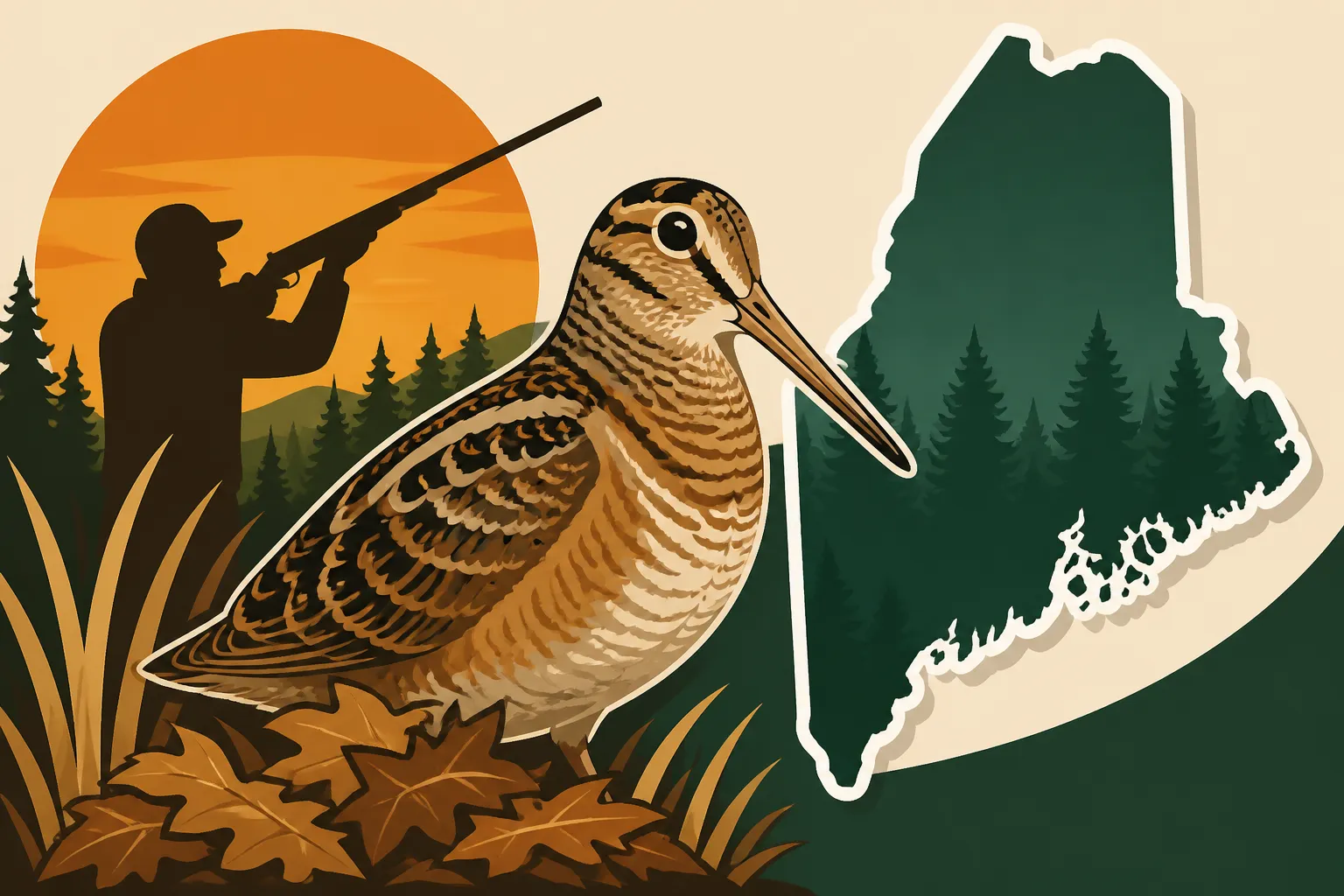
Trying to figure out when you can actually get out into the thickets for a good woodcock hunt in Maine can feel like trying to nail jello to a tree. The seasons for these amazing little migratory birds have a unique structure, often different from our big game, and they can even shift slightly year to year. It's frustrating when you just want to plan your fall outings, but you're not entirely sure which dates are set in stone. This guide is here to untangle all that, giving you the definitive scoop on Maine's woodcock season dates, what you need to know about regulations, and how to make the most of your time chasing timberdoodles.
Understanding Maine's Woodcock Season Structure
Unlike many of our resident game species, woodcock are migratory birds, which means their seasons are a dance between federal guidelines and state-specific regulations. It's not as simple as checking a calendar for deer season; there's a bit more to it, but once you understand the framework, it becomes second nature.
The Federal Framework for Migratory Birds
At the heart of it all, the U.S. Fish and Wildlife Service (USFWS) sets the broad parameters for migratory bird hunting across the country. Maine falls within the Atlantic Flyway, one of four major migratory bird routes in North America. The USFWS determines the maximum number of hunting days, the earliest and latest possible opening and closing dates, and the overall bag and possession limits. Think of it as the big fence around the pasture – states can graze within that fence, but they can't go outside it.
This federal oversight is crucial for ensuring the long-term health of woodcock populations, which migrate long distances from their breeding grounds in places like Maine down to their wintering grounds in the southern U.S. and even into Mexico. So, while Maine has a say, it's always within these federal guardrails. This structure ensures that hunting pressure is managed consistently across their entire range, which is pretty neat when you think about it.
Maine's Specific Woodcock Zones and Dates
Within those federal limits, the Maine Department of Inland Fisheries and Wildlife (MDIFW) sets the exact dates for our state. For woodcock, Maine typically has a statewide season, meaning the dates are uniform across all Wildlife Management Districts (WMDs), which simplifies things compared to some other species.
Historically, Maine's woodcock season generally opens in late September and runs through October, often extending into early November. This timing is fantastic because it aligns perfectly with when the major migratory flights of woodcock start pushing south through Maine, especially if we get a good cold snap. You'll find that the peak action often coincides with the vibrant fall foliage, making for some truly picturesque hunts.
For the most up-to-date information, which can sometimes be subject to minor adjustments, hunters should always consult the official MDIFW website or the annual Maine Hunting & Trapping Laws summary booklet. For example, for the 2023-2024 season, Maine's woodcock season opened on September 25th and runs through November 8th. This gives us a solid stretch to get out and enjoy chasing these unique birds.
Why Dates Can Change and How to Stay Updated
While the general timeframe for Maine's woodcock season is fairly consistent, the exact opening and closing dates can sometimes shift by a few days from one year to the next. These changes are usually minor and stem from federal adjustments to migratory bird frameworks, or from MDIFW's efforts to fine-tune seasons based on population data, migration patterns, or hunter feedback. It's not a common occurrence to have radical shifts, but it’s enough to keep us on our toes.
To avoid any confusion or missed opportunities, your best bet is to make it a habit to check the official MDIFW regulations each year. They publish their hunting law books well in advance of the seasons. Digital resources are also invaluable. Many hunters use apps like GoHunt to stay current with regulations, access mapping, and track their hunts. It’s incredibly helpful to have all that info right in your pocket when you’re out in the field, away from internet access. Don't rely solely on what you remember from last year; a quick check of the current year's laws can save you a headache, or even a fine.
Key Regulations Beyond Just Dates
Knowing the dates is step one, but a successful and legal hunt requires understanding the other regulations that govern woodcock hunting in Maine. These aren't just arbitrary rules; they're in place to ensure ethical hunting practices and the sustainability of the woodcock population.
Bag Limits and Possession Limits
For woodcock in Maine, the daily bag limit is generally 3 birds. This means you can harvest up to three woodcock in a single day. The possession limit is usually 9 birds, which is three times the daily bag limit. The possession limit applies to birds that are in your possession after the first day of hunting, such as birds stored at your camp, in your freezer at home, or being transported. It’s important to keep track, especially if you’re on a multi-day trip. If you limit out for three days in a row, for example, you'd be at your possession limit.
These limits are set to manage harvest rates and ensure that enough birds survive to continue their migration and breeding cycles. While woodcock can be abundant in good cover, they are relatively small birds, and these limits reflect a balanced approach to recreational hunting.
Legal Hunting Hours
Just like with other game, there are specific legal hunting hours you need to adhere to. For woodcock and most other migratory game birds in Maine, hunting is permitted from half-hour before sunrise to sunset. This gives you a good window for hunting, covering both the early morning activity and the late afternoon push. Woodcock tend to be most active at dawn and dusk, so being in the cover during these times can be particularly productive.
Always remember to check an accurate sunrise/sunset table for your specific location in Maine, as these times vary throughout the state and change daily. Many hunting apps, like GoHunt, have built-in sunrise/sunset calculators, which are a real lifesaver when you're deep in the woods and your phone's default clock might not be quite right.
Licensing and HIP Certification
Before you even think about heading out for a Maine woodcock hunt, you need to make sure your paperwork is in order. You'll need a valid Maine Hunting Licenses and What They Cost for the current year. This is your base ticket to hunt any legal game in the state.
Beyond that, because woodcock are migratory game birds, you also need to obtain a Maine Migratory Bird Certification (often called HIP certification). This certification is free but mandatory and helps the USFWS gather data on migratory bird hunters, which is vital for population management. You can usually get this when you purchase your main hunting license online or at a local licensing agent. Just be sure to specifically ask for the HIP certification.
It's a common misconception that you need a federal duck stamp for woodcock. While federal duck stamps are required for hunting ducks, geese, and swans, they are not required for hunting woodcock or other upland migratory birds like snipes or rails. So, save that duck stamp money for duck season!
Equipment Restrictions
When it comes to firearms, woodcock hunters are typically using shotguns. Maine law, consistent with federal migratory bird regulations, requires that shotguns used for hunting migratory birds be plugged so they are incapable of holding more than three shells in the magazine and chamber combined. This means one in the chamber and two in the magazine. Most shotguns come with a plug that can be easily inserted or removed. If yours doesn't, you can often find one at a sporting goods store.
As for ammunition, woodcock hunting in Maine allows the use of lead shot. This is a key difference from waterfowl hunting, where non-toxic shot (like steel, bismuth, or tungsten) is mandated. Since woodcock are typically hunted in upland cover and not over water, the environmental concerns addressed by non-toxic shot for waterfowl don't apply in the same way. However, always be mindful of where your shot is going, regardless of material.
Table: Maine Woodcock Season Snapshot (2023-2024 Season Example)
| Category | Detail |
|---|---|
| Season Dates | September 25th – November 8th |
| Daily Bag Limit | 3 birds |
| Possession Limit | 9 birds |
| Legal Hunting Hours | Half-hour before sunrise to sunset |
| Required Licenses | Maine Hunting License, Maine Migratory Bird Cert (HIP) |
| Shotgun Capacity | Plugged to 3 shells (1 in chamber, 2 in magazine) |
| Shot Type | Lead shot permitted (unlike waterfowl) |
Maximizing Your Woodcock Hunt in Maine
Maine offers some truly fantastic opportunities for American Woodcock in Maine, with vast tracts of prime habitat. Knowing the season dates is just the first step; understanding when and where to find them, and what to expect, will significantly boost your chances of success and enjoyment.
Prime Time for Woodcock in Maine
While the season opens in late September, many experienced woodcock hunters will tell you that the real action often picks up from mid-October through early November. This is when the significant cold fronts start pushing down from Canada, signaling the "flight birds" to begin their southward migration. These migratory birds join Maine's resident woodcock population, often concentrating in certain coverts as they fuel up for their journey.
The timing of these flights can vary year to year, influenced by weather patterns. A sudden dip in temperatures or a sustained period of cold in Canada will typically kick off the biggest push. If you're fortunate enough to hit Maine during one of these major flights, you can experience some truly memorable hunting, with birds seemingly everywhere. Many hunters will monitor weather patterns to anticipate these movements, sometimes driving north or south based on the latest forecasts and reports. You can almost feel the anticipation in the air among upland bird hunters when the leaves start turning and the first hard frosts hit.
Habitat and Scouting Tips
Woodcock are creatures of dense, young, regenerating woodlands with moist soils – essentially, places where they can probe the ground for earthworms, their primary food source. When you're looking for Woodcock Hunting Maine Covert Country, think thick. Prime habitats include:
- Alder Runs: These are classic woodcock haunts, especially along streams, rivers, and beaver flowages. The dense, upright growth provides excellent cover.
- Young Aspen and Birch Stands: Early successional forests, particularly clear-cuts that are 5-15 years old, often have a mix of dense young trees that woodcock love.
- Brushy Field Edges: Where a dense field transitions into woodland, especially if there's some damp ground, can hold birds.
- Old Apple Orchards: Neglected orchards with thick undergrowth and soft soil can be gold mines.
Scouting is paramount. Before the season, or even during, drive logging roads and look for these types of cover. Use mapping apps like GoHunt to identify public lands or parcels where you have permission, and look for low, wet areas, or areas marked as "young forest" or "recently harvested." Layers showing topography and water sources can reveal those damp, worm-rich soils. Learning to recognize the specific types of cover these birds prefer will save you countless steps and greatly increase your odds.
What to Expect on a Maine Woodcock Hunt
Hunting woodcock is a unique and deeply satisfying experience. If you have a pointing dog, you'll witness them work their magic, locking up on scent in dense cover. The thrill of a solid point, the flush of a twittering woodcock, and the challenge of shooting in thick alders is addictive. For those without dogs, it's a more methodical process of still-hunting through thickets, hoping to kick up birds.
Woodcock typically hold tight, so you often need to be right on top of them for a flush. When they do flush, their erratic, "timberdoodle" flight pattern can be challenging, often rising vertically before darting away. You'll want to bring good boots, as you'll be slogging through muddy, wet, and incredibly thick cover. It's not a hunt for the faint of heart, but the rewards of connecting with nature and these peculiar birds are immense. It's often intertwined with Upland Bird and Small Game Hunting in Maine as you might stumble upon a grouse in similar cover.
Planning Your Maine Woodcock Adventure
Beyond the regulations and understanding the birds, a successful woodcock hunt in Maine requires a bit of planning and the right mindset. Maine is a big state with diverse landscapes, and making the most of your trip means thinking through the logistics.
Combining Hunts for a Fuller Experience
One of the great joys of hunting in Maine during the fall is the opportunity to combine different species. Maine's woodcock season often overlaps perfectly with the open seasons for ruffed grouse, which share similar habitats. Many hunters will hit an alder run for woodcock and then transition to slightly drier, more open woods for grouse, or vice-versa. It's not uncommon to carry a bag with both species at the end of the day.
You might even be able to combine your woodcock hunt with early deer season opportunities, especially in the Expanded Archery Zones or if you're out scouting for November. The fall woods are alive with activity, and maximizing your time afield by being prepared for multiple opportunities is a smart strategy. Just remember to be aware of the specific regulations for each species you are pursuing, particularly when it comes to legal firearms and ammunition, and to carry the appropriate licenses and tags.
Essential Gear for the Woodcock Hunter
Getting geared up properly makes a huge difference in comfort and success when you're tramping through dense, wet cover. Here’s a quick checklist of essentials:
- Shotgun: A lightweight 20-gauge or even a 28-gauge is popular for woodcock, given the tight cover and shorter shot distances. A 12-gauge with lighter loads also works fine. Make sure it's plugged to three rounds.
- Ammunition: #8 or #7.5 lead shot are common choices. You don't need heavy loads; woodcock are delicate birds.
- Hunter Orange: Maine requires hunter orange during certain seasons and for certain species. Even if not strictly mandated for woodcock, wearing an orange hat or vest is always a good idea for safety, especially if you're hunting with others or during a time when deer hunters might also be in the woods.
- Brush Pants or Chaps: Seriously, these are a game-changer. They'll protect your legs from briars, thorns, and wet brush, keeping you comfortable for longer.
- Waterproof Boots: As mentioned, woodcock habitat is often wet. Good quality, waterproof boots are non-negotiable.
- Game Vest or Bag: For carrying your birds, extra shells, water, and maybe a snack.
- Whistle: Essential if you're hunting with a dog.
- Navigation: A GPS unit or a reliable mapping app like GoHunt is crucial. You'll be in dense cover, and it's easy to get disoriented. Always let someone know where you're going and when you expect to be back.
Respecting Landowner Relations
Maine has a long-standing tradition of implied permission for hunting and outdoor recreation on unposted private land. This is a privilege we treasure and must protect. When you're seeking out Woodcock Hunting an Alder Run at Dusk or any other covert, always be mindful of property boundaries.
If land is posted with "No Trespassing" or "Permission Required" signs, you absolutely need to obtain explicit permission from the landowner before stepping foot on it. A simple knock on the door or a friendly phone call can often open up fantastic hunting opportunities. Always leave gates as you found them, pack out everything you pack in, and if you encounter others on the land, be courteous and respectful. Maintaining positive landowner relations is key to preserving access for all of us. Remember, a good reputation goes a long way, and showing respect makes it easier for the next hunter.
Final Thoughts on Your Maine Woodcock Hunt
Chasing woodcock through Maine's fall cover is an experience that connects you deeply to the rhythm of the seasons and the wildness of our state. From the thrill of Running Pointing Dogs on Maine Woodcock to the quiet satisfaction of finding birds in a new covert, it's a journey filled with challenges and rewards. The migratory nature of these birds means that understanding When Woodcock Migrate Through Maine is almost as important as knowing the specific season dates.
So, get those boots ready, charge your GoHunt app, check the MDIFW regulations one last time, and embrace the magic of the Maine woods during woodcock season. You'll be glad you did.
Disclaimer
Please remember that hunting regulations can change. While this guide provides the most up-to-date information available at the time of writing, it is your responsibility to verify all season dates, bag limits, and licensing requirements with the official Maine Department of Inland Fisheries and Wildlife (MDIFW) publications before engaging in any hunting activities. Always prioritize safety and ethical hunting practices.