Maine Grouse Season Dates
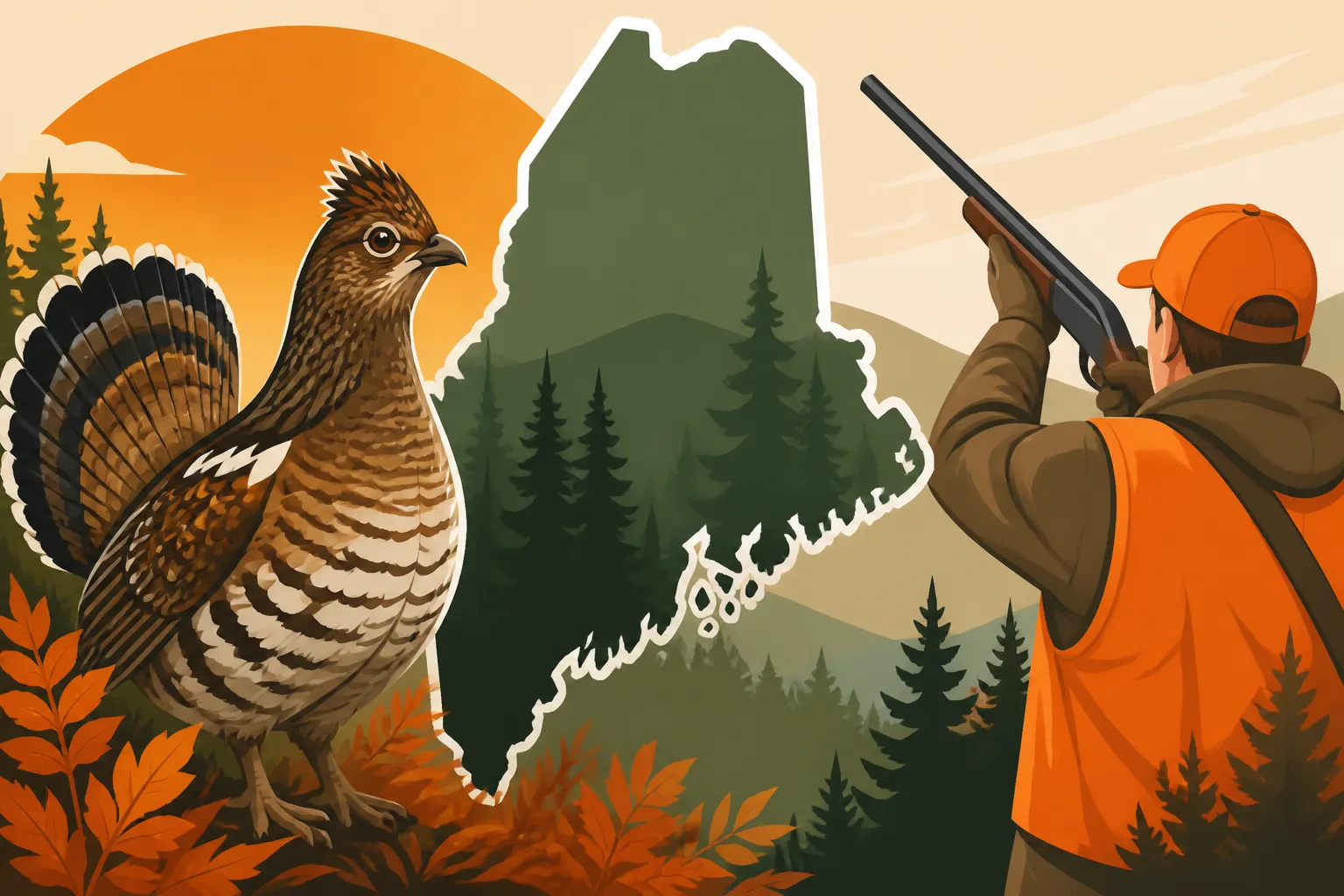
There's nothing quite like the crisp autumn air in Maine, the rustle of fallen leaves underfoot, and the electrifying flush of a ruffed grouse bursting from cover. It's a feeling many of us chase year after year, but keeping track of exact season dates and regulations can sometimes feel like a moving target, especially for newcomers or those planning a trip from away. This guide is here to clear up any confusion, providing you with all the essential information on Maine's grouse season dates, bag limits, and what you need to know to hit the woods ready for success.
Maine's General Ruffed Grouse Season Dates
For most folks, when we talk about "grouse season" in Maine, we're talking about ruffed grouse, and thankfully, the dates are pretty straightforward across the entire state. Unlike some other game species that have complex WMD-specific regulations or split seasons, ruffed grouse enjoy a generous, continuous season that makes planning your hunt a lot simpler.
Statewide Season Opener and Closer
The official statewide season for ruffed grouse in Maine generally kicks off on September 25th. That's a date many of us circle on our calendars with anticipation, marking the true beginning of the fall upland bird hunting season. This early start means you can be out there when the leaves are still mostly on the trees, which presents its own unique challenges and rewards. The season then runs continuously, without any breaks, all the way through to December 31st. That's over three months of prime hunting opportunities, taking you from early fall foliage right into the colder, often snowier, late-season conditions. This long window gives hunters plenty of flexibility to plan multiple outings or adapt to weather patterns.
For many, the early part of the season in late September and early October can be a bit tricky. The dense leaf cover provides incredible camouflage for birds, making flushes surprising and shots fleeting. It's often a game of listening for the flush and quick reaction rather than seeing the bird for long. However, these early hunts are fantastic for enjoying the mild weather and the vibrant colors of a Maine autumn. As the season progresses into November and December, the leaf drop makes birds easier to spot against the stark woods, but the trade-off is often colder temperatures and potentially deep snow. This later season can be fantastic for tracking birds and often presents some of the best dog work opportunities as scenting conditions improve.
Key Dates for Other Upland Birds
While ruffed grouse are often the main target for upland hunters, it's worth noting that the seasons for other common upland species, like woodcock, often overlap but have different start and end dates. American woodcock, for instance, typically opens around the same time as grouse, but their season is much shorter, dictated by their migration patterns. You can often pursue both species on the same outing, especially in classic coverts like alder runs and young aspen stands. It's crucial to check the specific regulations for each species you plan to pursue to ensure you're compliant. For a more detailed look at the variety of upland hunting opportunities, you might want to check out the guide on Upland Bird and Small Game Hunting in Maine. Knowing these subtle differences is key to maximizing your time in the field, particularly if you're traveling a long distance to hunt.
Understanding Grouse Bag and Possession Limits
Beyond just knowing when you can hunt, it's absolutely vital to understand how many birds you're legally allowed to take. Maine's regulations are designed to ensure sustainable populations, and these limits are a critical part of that conservation effort. Don't let a successful hunt turn into a legal headache because you weren't clear on the rules!
Daily Bag Limit for Ruffed Grouse
The daily bag limit refers to the maximum number of birds you can harvest in a single calendar day. For ruffed grouse in Maine, this limit is 4 birds per day. This means that from sunrise to sunset on any given hunting day, you cannot shoot more than four ruffed grouse. It's a generous limit that allows for a productive day in the woods, especially if you're hitting active coverts or hunting with a good dog.
It's easy to get excited when the birds are flushing, but maintaining discipline and keeping an accurate count is paramount. If you're hunting with a group, remember that each individual hunter has their own daily bag limit. You can't combine limits, so one hunter can't shoot eight birds to make up for another hunter not getting any. Everyone must adhere to their personal limit. This might sound obvious, but in the excitement of the hunt, these details can sometimes get overlooked. Always be mindful, and if you're unsure, err on the side of caution.
Total Possession Limit
The possession limit is distinct from the daily bag limit and refers to the maximum number of birds you can have in your possession at any one time, whether they are freshly harvested or stored in your freezer. For ruffed grouse in Maine, the possession limit is 8 birds. This means if you've had a few successful days, you can have up to eight grouse at your camp, in your vehicle, or in your freezer at home without being in violation.
This limit is particularly important for hunters who travel to Maine for multi-day trips. Let's say you hunt for two days and successfully harvest 4 grouse on each day. You've reached your possession limit of 8 birds. Even if you haven't hit your daily limit on the third day, you would technically be over your possession limit if you harvest any more birds without first processing and consuming or giving away some of your existing birds. It's a good practice to keep track of your harvest, and if you're going to be hunting for several days, consider bringing a cooler with ice to process birds as you go, or plan to head home once you approach that possession limit. Tools like the GoHunt app can be useful for quickly referencing regulations like this on the fly, preventing any inadvertent mistakes while you're focused on the hunt.
| Species | Season Start | Season End | Daily Bag Limit | Possession Limit |
|---|---|---|---|---|
| Ruffed Grouse | September 25 | December 31 | 4 | 8 |
| American Woodcock | September 25 | November 8 | 3 | 9 |
| Snowshoe Hare | September 25 | March 31 | 4 | 8 |
Note: Always double-check current year regulations from the Maine Department of Inland Fisheries & Wildlife (MDIFW) as dates and limits can occasionally shift.
Key Considerations for a Successful Maine Grouse Hunt
Beyond just knowing the dates and limits, a successful grouse hunt in Maine often boils down to preparation, understanding the birds, and having the right approach. Maine's varied landscape offers incredible opportunities, but it also demands a certain level of savvy from the hunter.
Choosing Your Hunting Ground
Maine offers a vast amount of public and private land open to hunting, and knowing where to focus your efforts is crucial. Ruffed grouse thrive in young, regenerating forests – often found in areas that have been recently logged or clear-cut, abandoned apple orchards, alder thickets, and along the edges of old logging roads. These areas provide the dense cover grouse need to hide from predators, as well as access to food sources like berries, buds, and insects.
- North Maine Woods: Vast tracts of industrial forest in the North Maine Woods can be fantastic, but they require planning, especially concerning gates and fees. Guides on Hunting a North Maine Woods Checkpoint Tract can offer valuable insights. Accessing these areas often means driving miles of private logging roads.
- Wildlife Management Areas (WMAs): Maine has numerous WMAs that are managed for wildlife, often providing excellent habitat. These are typically well-marked and offer good access.
- Private Land: Maine has a strong tradition of implied permission for hunting on private land that isn't posted. However, being polite and asking permission is always the best policy, especially if you plan to access cultivated fields or areas closer to dwellings. For more on navigating this, read about Maine's Private Land Access Tradition. Utilizing mapping tools, perhaps through the GoHunt platform, can help identify property boundaries and public land access points, making your scouting more efficient and respectful of landowners.
Optimal Weather and Time of Day
Like most hunting, early morning and late afternoon are generally the most productive times for grouse. This is when birds are typically most active, feeding along edges or moving between roosting and feeding areas. During the middle of the day, especially if it's warm, grouse tend to hunker down in dense cover.
Weather conditions also play a significant role. A cool, crisp morning after a light rain can be ideal, as the damp ground helps dogs pick up scent. Overcast days are often better than bright, sunny ones, as birds may be more active for longer. Windy days can make hunting tougher, both for the birds (who might hold tighter) and for the hunter (who might miss flushes over the wind's roar). Heavy rain can make birds hold so tight they won't flush, or they may seek shelter in evergreens, making them harder to find. Understanding these subtle environmental cues can significantly impact your success rate.
Gear Essentials and Dog Work
Your gear should be tailored for walking through dense cover. Briar-resistant pants, a good upland vest with plenty of game bag space, comfortable boots, and eye protection are non-negotiables. A lightweight shotgun, typically a 20 or 12 gauge, choked improved cylinder or modified, with loads of 7.5 or 8 shot, is standard.
However, the real game-changer for many grouse hunters is a good bird dog. Pointers, setters, and flushers like springer spaniels or retrievers can drastically increase your success. They cover more ground, find birds you'd walk past, and retrieve downed game from thick cover. A well-trained dog can turn a frustrating walk into a truly rewarding experience, especially when navigating dense areas like those discussed in Grouse Hunting Maine Alder Runs. Even without a dog, still-hunting slowly and pausing frequently to listen for subtle movements or the tell-tale drumming of a male grouse can be effective. Remember, patience is a virtue in grouse hunting.
Beyond the Dates: Habitat, Population, and Ethical Hunting
Understanding the seasonal dates is just the beginning. A truly comprehensive approach to Maine grouse hunting involves appreciating their habitat, knowing about population cycles, and always adhering to ethical hunting practices.
Grouse Habitat and Behavior
Ruffed grouse are creatures of early successional habitat. This means they thrive in areas where trees are young, dense, and regenerating. Think about forests that are 5-20 years post-harvest – saplings, brush, and tangled undergrowth provide both food and escape cover. As forests mature, they become less suitable for grouse, which is why active forest management (like sustainable timber harvesting) is actually beneficial for these birds. If you want to dive deeper into where to find these elusive birds, you can look for information on Reading a North Woods Deer Yard or focusing on areas that also attract deer in early successional growth, as both species often benefit from similar habitat features.
Their behavior changes throughout the season. In early fall, they might be found near berry bushes or old apple trees. As winter approaches and snow covers ground-level food, they'll shift to budding on aspen, birch, or hazel catkins. Learning these seasonal shifts in diet and location is key to consistent success. Also, remember that grouse often "drum" – a low-frequency sound made by the male's wings to attract mates and mark territory – especially in spring, but you can sometimes hear residual drumming in the fall, which indicates prime habitat.
Maine's Grouse Population Trends
Maine has a healthy and robust ruffed grouse population, making it a premier destination for upland bird hunters. However, like many wildlife species, grouse populations can experience natural cycles, often peaking and dipping over roughly a 10-year period. These fluctuations are influenced by factors like weather, predator populations, and habitat availability. While these cycles are largely natural, continuous monitoring by the Maine Department of Inland Fisheries & Wildlife (MDIFW) ensures that hunting regulations remain sustainable. For those interested in the broader ecological picture, the topic of Maine Ruffed Grouse Population Cycles provides excellent context.
Despite these natural ebbs and flows, Maine's extensive forested landscape, particularly the vast tracts of actively managed timberland, provides consistently good grouse habitat. This continuous habitat ensures that even in leaner years, there are still plenty of birds to pursue. Using resources like the GoHunt platform, hunters can sometimes access detailed maps and even harvest data that can give insights into localized population hotspots, helping them plan more effectively.
Ethical Hunting and Conservation
As with all hunting, ethical conduct is paramount. This includes respecting landowners, leaving no trace, and ensuring clean, quick kills. If you're hunting with a dog, keep them under control and ensure they don't harass non-game wildlife. Understanding the nuances of retrieving a downed bird, especially when tracking a bird in fresh snow after a shot, is a skill that comes with experience. Resources like Tracking a Deer in Fresh Maine Snow can offer transferable tips for tracking any game animal if it's wounded.
Conservation is a collective responsibility. By adhering to bag and possession limits, supporting wildlife organizations, and reporting any suspicious activity, you contribute to the health of Maine's grouse population and the future of upland hunting. We're all stewards of this incredible resource, and our actions in the field directly impact its longevity.
Disclaimer
Please note that hunting regulations, including season dates and bag limits, can change. While every effort has been made to provide accurate and up-to-date information, it is the hunter's responsibility to consult the official Maine Department of Inland Fisheries & Wildlife (MDIFW) hunting regulations booklet or website before heading afield. This guide is for informational purposes only and should not be considered a substitute for official legal documentation.