Maine Ruffed Grouse Population Cycles
It can be incredibly frustrating to head out into your favorite grouse cover, dog panting excitedly at your side, only to find the woods eerily quiet, flushing far fewer birds than you remember from years past. Maine’s ruffed grouse populations are known for their ups and downs, leaving many of us wondering if it’s just bad luck or something bigger at play. This guide will dive deep into understanding these fascinating population cycles, what drives them, and how you can adapt your hunting strategies to still find success in the diverse landscapes of Maine.
Understanding Ruffed Grouse Population Dynamics
Ruffed grouse are one of Maine's most cherished game birds, known for their explosive flushes and challenging hunts. But ask any seasoned upland hunter, and they'll tell you that some years are feast and some are famine. This isn't just anecdotal; it's a reflection of natural ecological patterns that govern these elusive birds.
What is a Population Cycle?
A population cycle refers to the recurring, often predictable, increases and decreases in the number of individuals within a wildlife population over a period of time. For ruffed grouse, this isn't just a random fluctuation; it's a pattern that has been observed for decades across their range. It means that after several years of booming numbers where flushes are plentiful, there will inevitably be a decline, sometimes quite significant, before the numbers begin their slow climb back up. It’s a natural rhythm of the forest, a push and pull between various environmental factors and the grouse themselves.
Think of it like the tide coming in and out. You know it will happen, but the exact height of the tide on any given day can be influenced by many smaller factors. Similarly, grouse populations cycle, but the peak numbers and the depth of the trough can vary year to year and region to region. Understanding this cycle helps temper expectations and encourages a more resilient approach to hunting. It also highlights the intricate web of life that these birds are a part of.
Historical Observations in Maine
Maine has a long history of ruffed grouse hunting, and through that history, hunters have noted these population shifts. Older guides and trappers would often speak of "good grouse years" and "bad grouse years," long before scientific studies formally identified the cyclical nature. These observations weren't just folklore; they were keen insights gleaned from countless hours spent in the woods. Early records, even from the turn of the last century, often reflect these boom-and-bust periods.
For many years, some veterans would mark their calendars, almost predicting when the next "peak" year would arrive based on past experience. While the science has evolved to explain some of these patterns, the core observation remains: Maine's grouse numbers do not stay static. They ebb and flow, creating dynamic hunting conditions that require adaptability from those of us who pursue them. It’s part of the challenge and charm of Upland Bird and Small Game Hunting in Maine, making each season a unique experience.
The 10-Year Cycle: Myth or Reality?
The idea of a "10-year cycle" is one of the most talked-about phenomena among ruffed grouse hunters. Many believe, almost religiously, that grouse populations rise and fall on a predictable ten-year schedule. But how much truth is there to this widely held belief, and what does science tell us?
Evidence for Cyclical Fluctuations
There's significant scientific evidence to support the idea that ruffed grouse populations do exhibit cyclical fluctuations, particularly in northern latitudes. However, the strict "10-year" part can be a bit more nuanced. Research has shown that cycles can range anywhere from 8 to 11 years, with an average closer to ten. It’s not a perfectly calibrated clock, but rather a strong tendency. These cycles are most pronounced in areas where grouse are at the northern edge of their range, such as parts of Maine, Canada, and the upper Midwest.
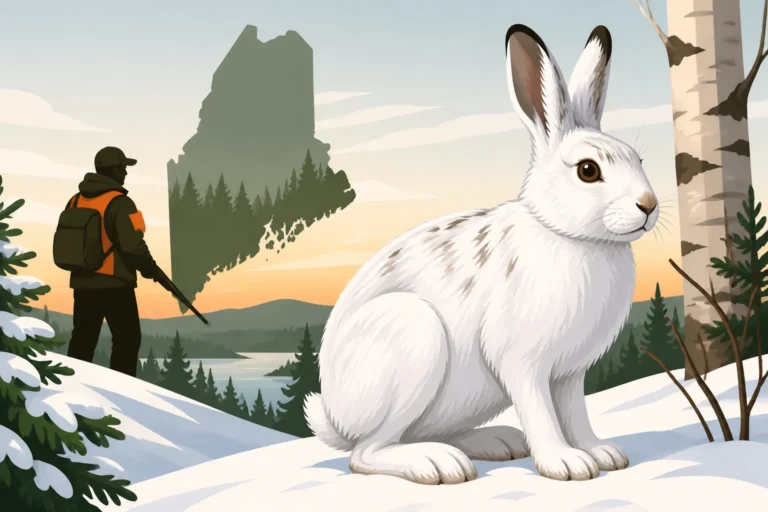
The compelling part is that these cycles aren't unique to grouse. Other northern forest species, notably snowshoe hares, also exhibit similar, often synchronized, population cycles. This synchronization is a key clue to what might be driving these patterns, linking the fate of the grouse to other species in their ecosystem. When hunters talk about Maine Ruffed Grouse Harvest Numbers from a particularly good or bad season, they’re often unknowingly referencing a point on this broader population curve.
Regional Variations in Cycle Strength
While the concept of a cycle is real, its strength and predictability can vary greatly depending on the region of Maine you're hunting. In the vast, contiguous forests of Northern Maine, where the ecosystem is more intact and less fragmented by human development, these cycles tend to be more pronounced and consistent. You might see very clear peaks and troughs there. However, as you move south into more fragmented habitats, with smaller woodlots, more agriculture, and greater human impact, the cycles can become dampened, or even less discernible.
This means that while the overall trend of Why Maine Grouse Numbers Cycle Every Decade might be at a low point across the state, you might still find pockets of decent bird numbers in prime habitat in certain southern WMDs. Conversely, a peak year in the North Woods might still mean relatively sparse birds in areas with poor habitat conditions. It’s never a one-size-fits-all scenario, and a keen local eye or using detailed mapping tools can often reveal these localized differences.
Predator-Prey Relationships
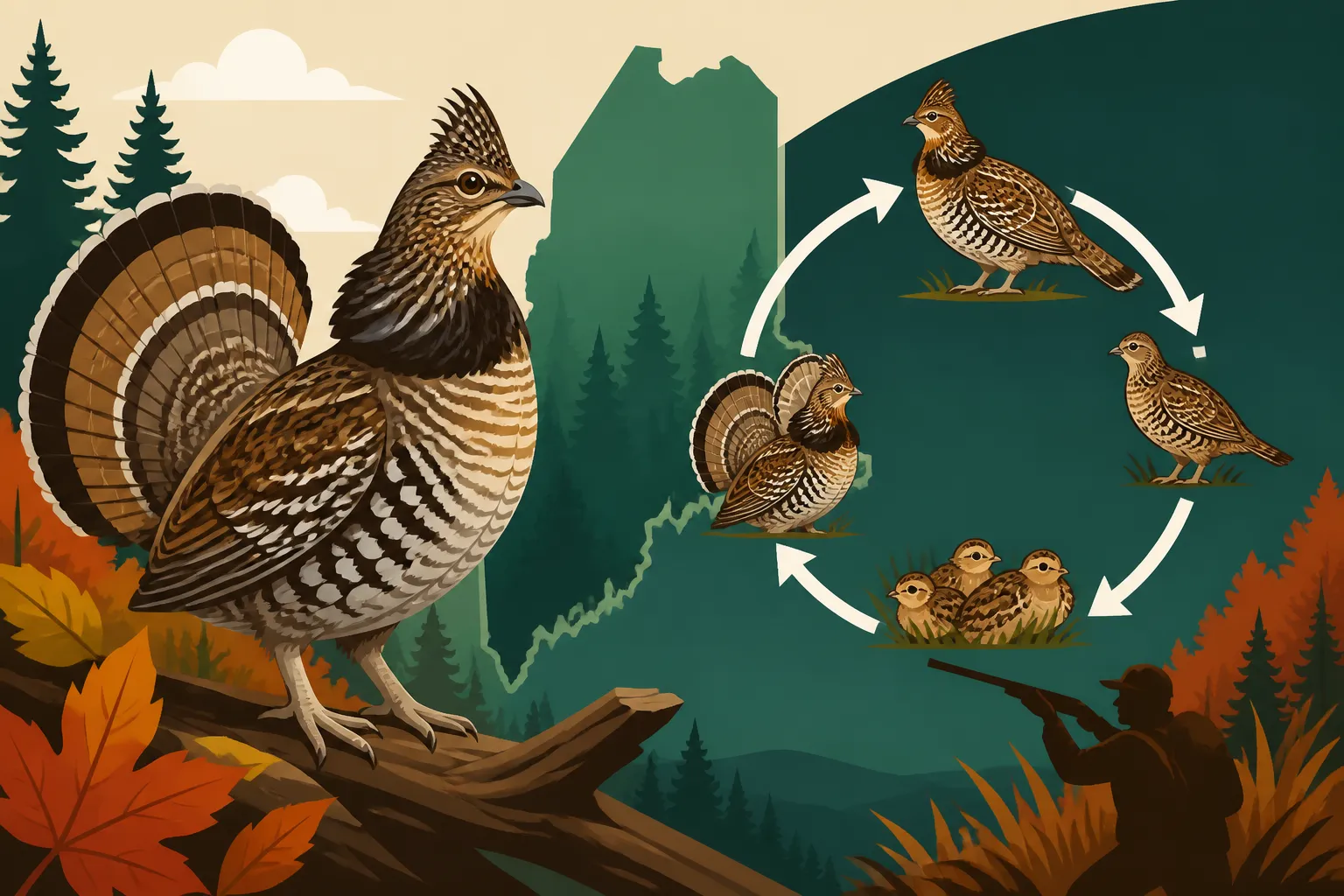
The prevailing scientific theory behind these cycles points to complex predator-prey relationships, primarily involving snowshoe hares and their predators, such as bobcats, coyotes, and especially lynx. Here's how it generally works:
- Hare Population Boom: Snowshoe hare populations surge, providing an abundant food source for their predators.
- Predator Population Boom: With plenty of food, predator populations (lynx, bobcat, coyote, fox) also increase, usually lagging a year or two behind the hare peak.
- Hare Population Bust: The increased predator numbers, coupled with other factors like habitat and disease, eventually cause the hare population to crash.
- Predator Shift: With hares scarce, predators turn their attention to other available prey, and unfortunately for us, that often includes ruffed grouse. Grouse, being a secondary food source, suffer increased predation, leading to a decline in their numbers.
- Grouse Population Bust: The grouse population falls as predation pressure is high.
- Predator Population Bust: With both hares and grouse at low numbers, the predator populations eventually decline due to lack of food.
- Hare & Grouse Recovery: With fewer predators, hare and grouse populations begin to recover, starting the cycle anew.
This intricate dance highlights how interconnected species are within an ecosystem. When Snowshoe Hare Hunting With Beagles is good, it might signal a future tough year for grouse. It’s a classic example of an ecological ripple effect, where the health of one species directly impacts another.
Key Factors Influencing Maine Grouse Numbers
While the predator-prey cycle is a major driver, many other factors contribute to the year-to-year health and abundance of Maine's ruffed grouse populations. It’s a complex tapestry where weather, habitat, and even less obvious elements like disease all play a role.
Habitat Quality and Availability
Hands down, habitat is king for ruffed grouse. They thrive in young, regenerating forests – think thick alder runs, aspen stands, and young mixed-wood forests that provide dense overhead cover from avian predators and thick understory for escape from ground predators. These areas also offer abundant food sources like catkins, buds, berries, and insects. Mature, open hardwood forests, while beautiful, typically offer much less to a grouse.
Unfortunately, suitable grouse habitat is often a transient resource. As young forests grow older, they become less ideal. Logging practices and forest management play a huge role here. Areas that have been recently clear-cut or patch-cut, and are now in the early stages of regrowth, are often goldmines for grouse a few years down the line. A checkerboard of different age classes of forest is typically best, providing varied food and cover throughout the year. Knowing how to Grouse Hunting a Logging Road Edge can be particularly effective, as these edges often border excellent young forest habitat.
Weather Patterns and Reproduction Success
Mother Nature has a profound influence on grouse populations, particularly during the critical breeding and nesting seasons.
- Severe Winters: While grouse are remarkably resilient to cold, extremely harsh winters with prolonged deep snow can make it difficult for birds to access food, leading to stress and reduced body condition. However, deep, soft snow can also be beneficial, allowing grouse to "snow roost" or burrow into the snow for insulation against frigid temperatures and protection from predators. If the snow crusts over hard, it can trap birds or prevent them from burrowing, creating a challenge.
- Wet, Cold Springs: This is perhaps the most critical factor. Cold, rainy weather during the nesting and brooding period can be devastating for grouse chicks. Chicks are particularly vulnerable to hypothermia in wet conditions. If a hen’s clutch hatches during a prolonged cold, wet spell, chick survival rates can plummet. This directly impacts the number of young birds that survive to fall, which are the backbone of a huntable population. A string of cool, damp springs can keep populations suppressed even if other factors are favorable.
Conversely, mild winters and warm, dry springs can lead to excellent breeding success and a noticeable bump in bird numbers come autumn. It’s why hunters often pay close attention to spring weather forecasts, hoping for ideal conditions for the next generation of birds.
Disease and Parasites
While not as commonly discussed as habitat or weather, disease and parasites can also impact local grouse populations. Various parasites, like cecal worms (which transmit the protozoan that causes Histomoniasis, or "blackhead disease"), can affect grouse health and survival, particularly in stressed or localized populations. Outbreaks aren't typically widespread enough to cause a complete regional crash like the broader population cycles, but they can certainly contribute to localized declines.
More broadly, the overall health and vigor of a grouse population can make them more or less susceptible to these issues. A healthy, robust population in prime habitat may be better able to withstand a parasitic load than a struggling population in marginal habitat. Wildlife biologists monitor these factors, but for the average hunter, observing overall bird health – plumpness, active behavior – is the most practical indicator.
Reading the Landscape for Grouse Activity
Successful grouse hunting isn't just about showing up; it's about reading the signs, understanding the habitat, and often, leveraging modern tools to narrow down your search. Even during a low cycle, knowing where to look can make all the difference.
Identifying Prime Grouse Cover
Grouse are creatures of cover. They need dense, multi-layered vegetation that offers protection from predators both above and on the ground, while also providing food. Look for areas with:
- Young Aspen and Birch Stands: These trees provide buds and catkins as food, and their dense, regenerating growth creates excellent escape cover. Patches of Grouse Hunting Maine Alder Runs are another absolute favorite.
- Conifer Thickets: Dense spruce and fir stands, especially those bordering deciduous woods, offer thermal cover in winter and protection from raptors.
- Old Apple Orchards: Abandoned orchards, especially those that have grown up with brushy undergrowth, are magnets for grouse. The fruit is a late-season food source, and the overgrown nature provides cover. You might find success Hunting a Standing Apple Orchard.
- Brushy Field Edges and Clear-Cuts: The transition zone between a field and a young forest, or the edges of a several-year-old clear-cut, provide food and dense cover. These "edge habitats" are crucial.
- Swamps and Wet Bottomlands: Areas with alders, dogwoods, and other moisture-loving shrubs are often overlooked but can hold birds, especially in drier years.
Learning to identify these types of cover is paramount. Many hunters spend the off-season Scouting Maine Private Land Before Season to pinpoint new patches of ideal habitat, knowing that grouse often use specific types of cover at different times of the day or season.
Signs of High or Low Population Years
Even without formal survey data, you can often get a sense of whether you’re in a high or low cycle year by paying attention to a few indicators:
- Drumming Activity: In spring, listen for the drumming of male grouse. During peak years, you'll hear it frequently and from multiple directions. In low years, drumming will be scarce or barely perceptible.
- Brood Sightings: During late summer and early fall, if you see multiple broods of young birds while driving logging roads or hiking, it’s a good sign of a strong hatch and potentially a high population year. Fewer or no brood sightings indicate a poor year.
- Flush Rates: This is the most direct indicator for hunters. A "high cycle" year often means flushing birds almost constantly in good cover, sometimes multiple flushes from a single small patch. A "low cycle" year means working hard for every single flush, and often finding prime cover empty.
- Roadside Sightings: In good years, you might see grouse dusting or feeding on the edges of gravel roads, especially in the early mornings or late evenings. This becomes much rarer in low years.
Keep a mental tally of your flushes per hour, and compare it to previous seasons. This informal data can be a powerful tool for gauging the local population trend.
Using Technology for Scouting
Modern hunting has been revolutionized by technology, and grouse hunting is no exception. While boots on the ground and an experienced eye are irreplaceable, mapping apps and satellite imagery can dramatically improve your scouting efficiency.
- Aerial Photos: Tools like those found on platforms such as GoHunt allow you to scrutinize aerial photographs, helping you identify distinct changes in forest type, clear-cuts, young growth, and dense cover without ever stepping foot in the woods. You can mark potential hotspots, assess how a new logging operation might have created fresh habitat, or even pick out old growth alongside younger sections.
- Topographical Maps: Understanding the terrain is crucial. Grouse often prefer specific slopes or benches, and topo maps help you visualize these features. Combine this with aerial imagery, and you can get a powerful overview.
- GPS Tracking: Many hunters use GPS to mark flushed birds, note habitat features, or even track their dog's movements. Over time, this data helps build a personal map of productive areas, allowing you to focus your efforts more effectively in subsequent seasons.
By leveraging these digital tools, you can refine your search, saving precious hunting time and increasing your odds of finding birds, regardless of where the population cycle stands. Thinking about Scouting With the Maine Hunting App can be a great first step to using technology effectively.
Hunting Strategies During Different Cycle Phases
The ruffed grouse population cycle means that your hunting approach can't be static. What works brilliantly in a peak year might leave you frustrated in a low year. Adaptability is key to consistent success and enjoyment.
Hunting in Peak Years
When the grouse population is booming, it feels like every alder run and aspen stand holds birds. Hunters often refer to these as "bumper crops."
- Cover More Ground: In peak years, birds are more spread out, and you can afford to cover more ground, exploring new areas or patches of marginal habitat that might hold birds due to sheer abundance. Don't be afraid to venture into areas that might seem a bit thin on cover in other years; you might be pleasantly surprised.
- Focus on Quantity: While quality flushes are always the goal, peak years allow for more opportunities. You might be more willing to take longer shots or work dogs in larger, slightly less dense cover types.
- Dog Training Opportunities: These are fantastic years to introduce new dogs to grouse hunting or give young dogs lots of bird exposure. The frequent flushes build confidence and reinforce good habits.
- Enjoy the Abundance: These years are a gift. Savor the experience, the constant action, and the joy of seeing healthy numbers of birds. It's also a great time to be generous and share the bounty with friends and family.
Adapting to Low Cycle Years
Low cycle years can be tough, testing a hunter's patience and resolve. It's easy to get discouraged when the woods are quiet. However, these years also hone your skills and deepen your understanding of grouse behavior.
- Hunt Smarter, Not Harder: Instead of blindly walking miles of cover, focus intensely on the absolute best, most ideal habitat. Think about small, overlooked pockets of prime cover – thick spruce edges, dense alder swales, or old apple orchards – that always seem to hold a bird or two, even when numbers are down. Consider Hunting a Funnel Between Two Woodlots to intercept birds moving between crucial cover and feeding areas.
- Slow Down and Be Meticulous: Work your dog much slower and more thoroughly. Grid-search small, dense patches of cover multiple times. Grouse will hold tighter in low years, relying more on camouflage and their holding ability. You need to practically step on them to get a flush sometimes.
- Focus on Specific Food Sources: Birds will be concentrated where food is most abundant and accessible. Later in the season, this might mean focusing on areas with a heavy berry crop (partridgeberry, wintergreen) or specific stands of aspen and birch with plump catkins.
- Timing is Everything: Pay closer attention to daily activity patterns. Often, grouse will be more active and vulnerable to flushing during certain times of day – typically early morning and late afternoon – when they are moving to and from feeding or dusting areas. Mid-day can be very slow.
- Adjust Expectations: The biggest mental shift for a low year is adjusting your expectations. It’s no longer about a high bag limit, but about the quality of the hunt, the dog work, and the sheer challenge of finding a bird. One or two flushes in a day can feel like a major victory.
Ethical Hunting and Conservation
Regardless of where the population cycle stands, ethical hunting practices and conservation efforts are paramount.
- Responsible Harvest: Always be mindful of bag limits and regulations, which are designed to ensure sustainable populations. In low years, some hunters choose to limit their take even further, or focus solely on the experience rather than the harvest. Respecting Maine Small Game Season Rules is fundamental.
- Habitat Advocacy: Understanding that habitat is the ultimate driver of grouse numbers, support organizations that promote sustainable forestry and create early successional habitat. Your hunting license fees also contribute directly to wildlife management and habitat restoration.
- Report Observations: If you notice unusually low numbers or other concerning trends, communicate with local wildlife biologists. Your boots-on-the-ground observations are valuable data points for population monitoring.
- Respect Landowners: Maine has a unique tradition of private land access. Always get permission if you're unsure, and always leave the land cleaner than you found it. This helps preserve Maine's Private Land Access Tradition for future generations.
By prioritizing ethical practices and supporting conservation, hunters ensure that Maine's ruffed grouse will continue to thrive, cycle after cycle.
Conservation and Future Outlook
The cyclical nature of ruffed grouse populations presents unique challenges and opportunities for conservation. Understanding these dynamics is crucial for ensuring healthy populations for future generations of hunters and wildlife enthusiasts.
Habitat Management Efforts
Given that habitat quality is such a critical factor, targeted forest management is a cornerstone of grouse conservation. This often involves creating and maintaining early successional forests.
- Forestry Practices: Techniques like clear-cutting in small patches, strip cutting, and managing for diverse age classes of timber can create the mosaic of young growth that grouse need. This isn't about clear-cutting vast tracts, but rather strategically implementing forestry practices that benefit wildlife. For instance, focusing on maintaining Woodcock Hunting Maine Covert Country also benefits grouse, as both species thrive in similar young, brushy environments.
- Public and Private Partnerships: Maine's state agencies work with private landowners, particularly large timber companies, to encourage grouse-friendly forestry practices. Many timber companies recognize the value of wildlife habitat and integrate it into their long-term management plans.
- Creating "Edge" Habitat: Management often focuses on creating more "edge" habitat – the transition zones between different forest types or age classes. These edges are incredibly productive for grouse, offering diverse food sources and layered cover.
Monitoring and Research
Continuous monitoring and research are essential for understanding the nuances of Maine's ruffed grouse populations and making informed management decisions.
- Drumming Surveys: Wildlife agencies conduct drumming surveys each spring, listening for the distinct sound of male grouse drumming to estimate breeding populations. This data helps track population trends over time.
- Hunter Harvest Data: Information collected from Maine Ruffed Grouse Harvest Numbers provides valuable insights into annual productivity and population health. Hunter cooperation in reporting harvest is vital.
- Habitat Assessments: Biologists regularly assess habitat quality across various regions, identifying areas that are prime grouse country and those that could benefit from management interventions.
- Disease Surveillance: Monitoring for diseases and parasites helps identify potential threats to grouse health and allows for appropriate management responses if needed.
These efforts paint a clearer picture of the health of the grouse population, allowing for adaptive management strategies.
The Role of Hunters in Conservation
Hunters are, and always have been, front-line conservationists. Our passion for the outdoors and the species we pursue drives much of the funding and political will for wildlife management.
- Funding Conservation: Through license fees and excise taxes on hunting equipment (Pittman-Robertson Act), hunters directly fund wildlife research, habitat acquisition, and management programs that benefit grouse and countless other species.
- Citizen Science: As mentioned, hunters' observations in the field contribute invaluable data to wildlife agencies. Reporting flush rates, brood sightings, and general observations helps biologists paint a more complete picture of what's happening on the ground.
- Advocacy: Hunters are powerful advocates for sound wildlife management and habitat protection. By joining conservation groups, participating in public comment periods, and educating others, we can ensure that grouse habitat remains a priority.
- Ethical Ambassadors: Every time we demonstrate responsible, ethical hunting behavior, we serve as ambassadors for our sport and for conservation. This positive image is crucial for maintaining public support for hunting and wildlife management efforts.
By embracing these roles, we ensure that the drumming of the ruffed grouse continues to echo through Maine's forests for generations to come, regardless of where they are in their natural population cycle.
| Factor | High Cycle Year (Peak) | Low Cycle Year (Trough) |
|---|---|---|
| Flushes per Hour | High (1-3+ in good cover) | Low (0-1 in good cover) |
| Drumming Activity (Spring) | Frequent, multiple birds heard | Scarce, single birds or none heard |
| Brood Sightings (Late Summer) | Numerous, multiple young birds with hens | Few or no broods, small or single-hen broods |
| Bird Behavior | More confident, may flush further out | Hold tighter, flush at close range |
| Hunting Strategy | Cover more ground, explore new areas, focus on quantity | Focus on prime cover, slow & meticulous, adjust expectations |
| Predation Pressure | Lower (predators focused on abundant hares) | Higher (predators shift to grouse due to hare scarcity) |
| Habitat Focus | Broad, even marginal habitat may hold birds | Concentrated on dense, ideal, multi-layered cover |
| Food Availability | General abundance, birds more spread out | Birds concentrated on best available food sources |
Disclaimer
This article is for general informational purposes only and does not constitute professional advice. Laws, prices and regulations vary by location and change over time. Consult a qualified professional for guidance on your specific situation.