Maine Bobcat Population Trends
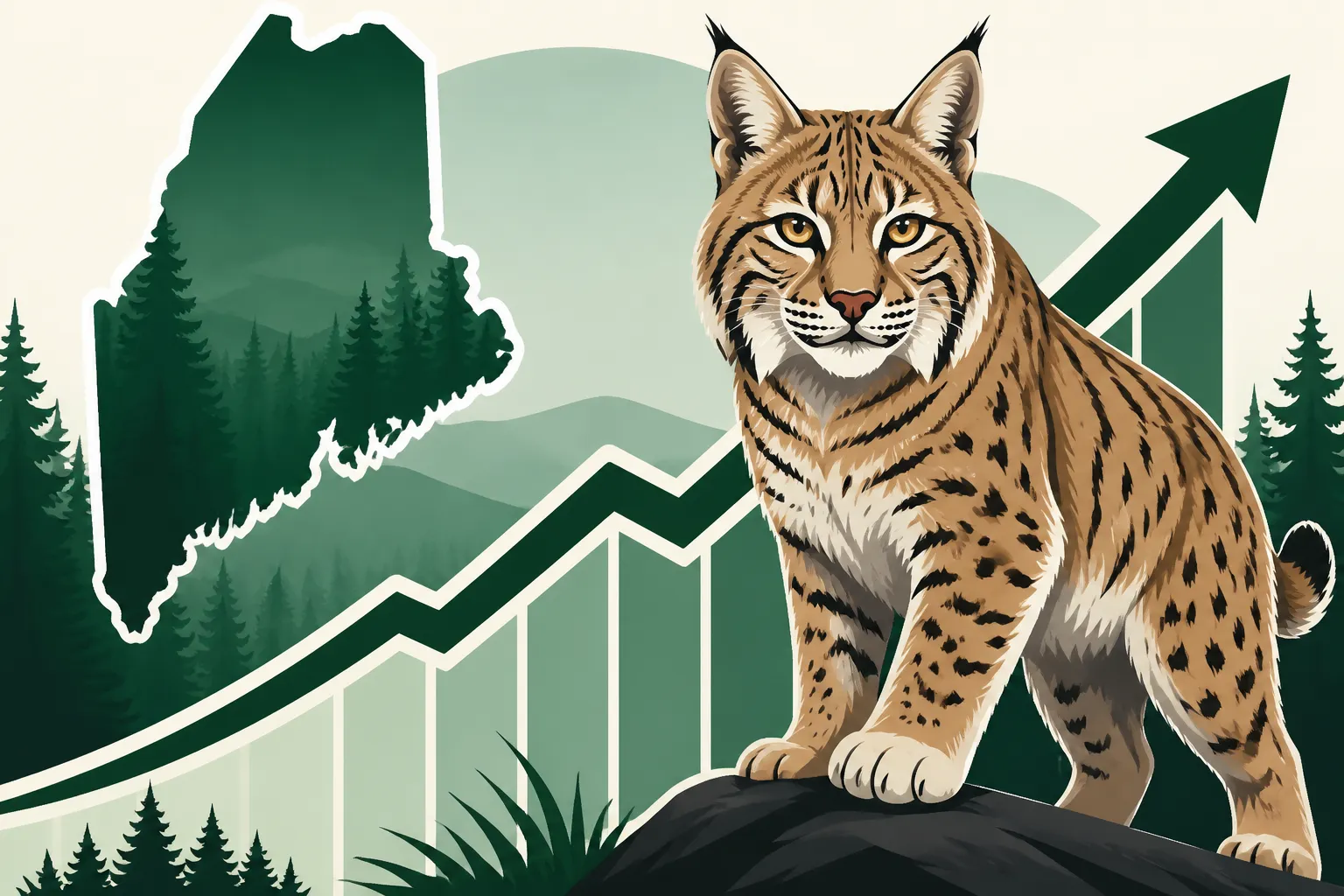
It’s easy to feel like Maine's wild places hold onto their secrets tightly, especially when it comes to elusive creatures. For many Mainers and visitors, the bobcat is one of those mysterious figures, a shadow glimpsed at the edge of the woods or a track left silently in the snow. Understanding their population trends isn't just an academic exercise; it's vital for appreciating the health of our ecosystems and ensuring these beautiful predators continue to thrive. This guide will unravel the fascinating story of Maine's bobcat population, from historical struggles to current recovery and the factors that shape their future.
Understanding Maine's Elusive Bobcat
The bobcat (Lynx rufus) is a captivating resident of Maine's diverse landscapes, known for its short, "bobbed" tail, tufted ears, and keen hunting prowess. Despite being more widespread than its larger cousin, the Canada lynx, the bobcat remains incredibly difficult to observe in its natural habitat, leading to a natural curiosity and sometimes a bit of bewilderment about how many of them actually roam our woods. This inherent elusiveness makes understanding their population dynamics a complex but incredibly rewarding endeavor.
The Mystique of the Maine Bobcat
There’s something truly special about the chance encounter with a bobcat in the wild. Their tawny, spotted coats blend seamlessly with the dappled light of the forest floor, and their movements are pure liquid grace. You might catch a flash of movement as one stalks a snowshoe hare through a thick alder run, or perhaps you'll just notice the distinct tracks, larger and rounder than a housecat's, indicating its recent passage. These mid-sized wild cats prefer a mosaic of habitats: dense conifer stands for cover, mixed hardwood and softwood forests, and brushy areas along wetlands or field edges where prey is abundant. They are creatures of opportunity, often found where deer, hare, and small game thrive, making them surprisingly adaptable across much of Maine.
However, their secretive nature isn't just a quirk; it’s a survival strategy. Bobcats are masters of camouflage and stealth, rarely venturing into open areas during daylight hours, especially where human activity is prevalent. This makes direct observation incredibly challenging, even for dedicated wildlife researchers. When you consider the vast, unbroken tracts of forest in places like the North Maine Woods, or even the extensive woodlots and swamps closer to populated areas, you begin to grasp just how adept these animals are at remaining hidden. For hunters scouting new ground, understanding this preference for thick cover is key to identifying potential bobcat territory, even if seeing the animal itself is a rare treat.
Behavioral Traits and Their Impact on Observation
The bobcat's lifestyle further complicates efforts to get a firm grasp on their numbers. Primarily nocturnal and crepuscular, they are most active during the twilight hours of dawn and dusk, coinciding with the activity peaks of their preferred prey. While they can be seen during the day, it's far less common, often signaling that a hungry bobcat is on the prowl or moving between resting sites. This means most of us are asleep or just getting our coffee when bobcats are at their busiest. Their solitary nature also plays a huge role; unlike wolves or coyotes, bobcats don't typically travel in groups. Each adult maintains a fairly large individual territory, which can range from a few square miles in prime habitat to dozens of square miles in less productive areas.
These extensive home ranges mean that even if you're lucky enough to spot a bobcat, it might be weeks or months before you see that particular individual again in the same vicinity. This makes repeated sightings or density estimations based on visual counts practically impossible. Wildlife biologists, therefore, rely heavily on indirect methods: track counts after a fresh snowfall, trail camera surveys strategically placed along game trails, and critically, the data collected from legally harvested animals. Without these proxies, our understanding of Maine's bobcat population would be much more speculative. The challenge of studying such a reclusive animal requires ingenuity and a collaborative effort from the scientific community and the public alike.
Historical Glimpse: Tracing Past Bobcat Numbers
Like many predator species in North America, bobcats in Maine have experienced significant fluctuations in their population over the last couple of centuries. Their story is one of decline, adaptation, and ultimately, a heartening recovery, driven by changing human attitudes, evolving land use practices, and dedicated conservation efforts. Understanding this historical context is crucial to appreciating their current status and the ongoing work to maintain healthy populations.
Early 20th Century Declines and Conservation Concerns
As Maine’s landscape transformed in the late 19th and early 20th centuries, bobcat populations faced immense pressure. The prevailing mindset often viewed predators as threats to livestock and game species, leading to widespread bounties and unregulated hunting and trapping. If you look back through historical records, you'll find bounties were a common practice, encouraging people to take as many bobcats as possible. This was a time when little scientific understanding existed about population dynamics or the ecological role of predators. Combined with widespread logging that dramatically altered vast tracts of forest, creating fragmented habitats or removing critical cover, bobcats found themselves in a difficult position.
During this period, settlement patterns expanded, and human encroachment into traditional bobcat territories increased. Farmers and landowners saw bobcats, often unfairly, as a direct threat to chickens, sheep, and other domestic animals. The cumulative effect of intense, unregulated harvest and significant habitat disruption led to noticeable declines in bobcat numbers across much of their range, including parts of Maine. While perhaps not as dramatic as the extirpation of some other species in the region, the signs were clear: bobcats were struggling, and their future was far from secure without intervention.
Resurgence and Regulatory Changes
Fortunately, attitudes began to shift, and with the rise of modern wildlife management in the mid-20th century, a more scientific approach to conservation emerged. Maine's Department of Inland Fisheries and Wildlife (MDIFW) began implementing regulated hunting and trapping seasons, replacing the indiscriminate bounties with carefully managed harvest quotas and specific season dates. This was a monumental shift, acknowledging that bobcats, like other game species, could be sustainably managed. Hunters and trappers, once seen as part of the problem, became essential partners in gathering data and supporting conservation through license fees.
The recovery of Maine's forests from past clear-cutting also played a significant role. As logged areas regenerated into dense young growth and mature timber, vital habitat for bobcats and their prey like the Snowshoe Hare in Maine improved dramatically. This provided not only cover for bobcats to thrive but also a robust food source. Slowly but surely, bobcat populations began to rebound, a testament to the resilience of nature and the effectiveness of science-based wildlife management. Today, their presence is a clear indicator of healthy, diverse ecosystems across the state, a far cry from the lean times of a century ago.
Current Status: Maine's Bobcat Population Dynamics
So, where do Maine's bobcats stand today? It's a question that many hunters, trappers, and wildlife enthusiasts ponder. While they are certainly present and thriving in many areas, understanding their precise numbers and population trends remains an ongoing challenge due to their secretive nature. Wildlife agencies rely on a combination of scientific methods and public participation to piece together the most accurate picture possible.
Estimating the Unseen: Challenges in Population Assessment
Trying to count bobcats is a bit like trying to count shadows in a dense forest—it's incredibly difficult to get a precise figure. Unlike deer or moose, which can often be spotted from the air or in open fields, bobcats rarely present themselves for easy enumeration. This forces wildlife biologists to use indirect methods. One key approach involves track surveys, especially after fresh snow, where trained personnel traverse designated routes, meticulously identifying and counting bobcat tracks. This provides an index of abundance rather than an absolute number, indicating whether populations are increasing, decreasing, or stable in a given area.
Another invaluable tool is the strategic deployment of trail cameras. These cameras, placed in areas likely to be frequented by bobcats (like game trails, stream crossings, or known travel corridors), can capture images of individual animals. Over time, recurring photographs of unique individuals (identifiable by their distinct spot patterns) can help estimate density within a particular study area. However, these methods are labor-intensive and cover only small portions of the state. Consequently, harvest data, which we'll discuss later, becomes critically important. When you're out scouting, especially using tools like GoHunt, and identifying prime habitat with its various map layers, you're subconsciously thinking about how these environmental factors correlate with the unseen presence of animals like bobcats. It's that kind of detailed habitat analysis that helps researchers, and individual hunters, understand where these elusive cats might be.
Regional Variations in Bobcat Density
It's not surprising that bobcat populations aren't uniformly distributed across Maine; certain regions offer more favorable conditions than others. Generally, you'll find bobcats are most prevalent in areas with extensive forest cover, particularly mixed woods with dense undergrowth, abundant prey, and less human disturbance. This often means the central and northern parts of the state, where vast tracts of timberland dominate the landscape, tend to have higher densities. These areas provide ample escape cover, ideal denning sites, and a continuous supply of their primary food sources, such as Snowshoe Hare in Maine and white-tailed deer fawns.
However, bobcats are also surprisingly adaptable and can be found in more settled southern and coastal regions, especially where large woodlots, wetlands, and brushy areas persist. In these areas, they might adapt to a diet including more small rodents, birds, and even domestic animals if prey is scarce. You might find them hunting along the edges of blueberry barrens or within the dense coastal spruce thickets. The key difference is often the density – you might have bobcats in these areas, but they might be fewer and further between, or confined to specific pockets of remaining wilderness. For hunters traversing various regions, understanding these nuances helps paint a picture of what game might be present, even if just by indirect sign like tracks or scat.
Key Factors Shaping Bobcat Populations
Maine's bobcat population isn't a static number; it's a dynamic entity constantly responding to a complex interplay of environmental factors. From the quality of their hunting grounds to the abundance of their prey and even the severity of our winters, numerous elements contribute to whether bobcat numbers are thriving, holding steady, or facing challenges in any given year.
Habitat Quality and Availability
Just like us, bobcats need good housing and a reliable grocery store. Their "housing" is dense forest cover, especially areas with a mix of softwoods and hardwoods, thickets, and rocky outcrops that offer secure den sites for their kittens. Their "grocery store" is a healthy, diverse prey base. When Maine's forests are managed for a variety of age classes, from regenerating clear-cuts to mature timber, it creates a mosaic of habitats that benefits numerous species, including bobcats. Young, regenerating forest, for instance, provides excellent cover and forage for snowshoe hare, a primary bobcat food source.
Conversely, habitat fragmentation – where large, continuous blocks of forest are broken up by roads, residential development, or sprawling commercial areas – can negatively impact bobcats. They are wary of human activity, and smaller, isolated patches of woods may not provide enough territory or safety for a breeding pair, let alone multiple individuals. This is a particular concern in more developed southern Maine, where the pressure of human expansion is more pronounced. Sustainable forestry practices and the conservation of large, undeveloped tracts of land are crucial for ensuring high-quality bobcat habitat remains available across the state. Understanding how to Read Aerial Photos for North Woods Deer can also provide valuable insights into potential bobcat habitat, as deer and bobcats often share similar needs for diverse forest cover.
Prey Base Fluctuations and Their Influence
A bobcat's life revolves around its stomach, and the abundance of its prey directly dictates its ability to survive and reproduce. In Maine, the snowshoe hare is arguably the most critical food source, especially in winter. These hares undergo natural population cycles, with peaks and valleys typically occurring every 8-10 years. When hare numbers are high, bobcat populations tend to flourish, with better kitten survival rates and overall health. When hare populations bottom out, bobcats face leaner times, sometimes leading to reduced breeding success and increased competition.
Beyond hares, bobcats are opportunistic hunters. They'll readily take small mammals like squirrels and mice, a variety of birds (especially ground-nesting species), and even deer fawns during the spring and summer. A robust white-tailed deer population, therefore, also indirectly benefits bobcats, particularly as a food source for their young or as carrion during harsh winters. Conversely, factors that negatively impact deer, such as severe winter conditions or increased predation on fawns by other species, could indirectly affect bobcat success. This interconnectedness highlights the delicate balance within the ecosystem.
Interactions with Other Predators and Competitors
Maine's woods are home to a complex web of predators, and bobcats are not always at the top of the food chain. They share their territory and prey with other carnivores, leading to competition and sometimes direct conflict. Coyotes, for example, are widespread in Maine, and while they primarily hunt different prey, there can be overlap, especially with deer fawns or smaller game. Larger, more dominant Maine Coyote Range and Density could potentially displace bobcats from prime hunting areas or force them to be more nocturnal.
The Maine's Recovering Fisher Population also presents a dynamic interaction. Fishers are aggressive mustelids that can compete with bobcats for small prey and sometimes predate on juvenile bobcats. Then there's the Canada lynx, a species closely related to the bobcat, but one that is more specialized in hunting snowshoe hares. In northern Maine, where lynx are more prevalent, their presence can create a competitive environment for bobcats, especially during periods of low hare abundance. These inter-species dynamics are a natural part of the ecosystem, but they are yet another factor influencing local bobcat densities and distribution.
Climate Change and Severe Winters
Maine winters are legendary, and their severity can have a significant impact on bobcat survival. Deep, prolonged snow cover can make hunting more difficult for bobcats, whose relatively shorter legs are less adapted to navigating deep snow compared to the lynx's "snowshoe" feet. This means expending more energy to hunt, potentially leading to lower success rates and increased stress, especially for younger or older animals. Understanding Why Deep Snow Limits Northern Maine Deer also applies to how it impacts smaller prey animals that bobcats rely on.
Milder winters, on the other hand, could offer advantages by making prey more accessible and reducing energy expenditure. However, climate change also brings unpredictable weather patterns, including ice storms or unusual thaws and refreezes, which can create challenging conditions. The long-term effects of a changing climate on Maine's forests and prey populations will undoubtedly continue to shape bobcat numbers, making ongoing monitoring and adaptive management strategies even more critical for the future.
Monitoring and Management Strategies for Maine Bobcats
Given the elusive nature of bobcats, effective population management requires dedicated effort and scientific rigor. The Maine Department of Inland Fisheries and Wildlife (MDIFW) employs a variety of strategies to monitor these animals and ensure their populations remain healthy and sustainable for generations to come. This isn't just about counting cats; it's about understanding the intricate web of factors that allow them to thrive.
State-Led Research and Data Collection
MDIFW biologists are at the forefront of understanding Maine's bobcat populations. Since direct counting is so difficult, they rely heavily on indirect indicators. A cornerstone of this effort is the collection of harvest data. Each legally harvested bobcat must be registered, and critically, a biological sample (often a jawbone for aging or tissue for genetic analysis) is collected. This provides invaluable information on the age structure of the population, sex ratios, and overall health. For instance, a high proportion of young bobcats in the harvest can indicate a healthy, reproducing population, while an imbalance might signal a potential issue.
Beyond harvest data, MDIFW conducts various surveys. One common method, especially valuable after fresh snow, involves snow track surveys along predetermined routes. Biologists meticulously identify and count bobcat tracks, providing an index of abundance over time. Trail camera studies are also increasingly utilized, strategically placed in areas known for bobcat activity to capture images and estimate local densities. The consistency of these long-term data collection efforts, carried out year after year, allows biologists to detect trends and make informed decisions about management, rather than relying on guesswork.
Adapting Management to Current Trends
Wildlife management isn't a static science; it's a dynamic process that must adapt to changing conditions and new data. Based on the extensive information gathered from harvest data, track surveys, and other research, MDIFW adjusts its management strategies for bobcats to ensure sustainable populations. This often involves careful consideration of hunting and trapping seasons, bag limits, and specific regulations designed to balance recreational opportunity with conservation goals.
For instance, if data indicates a localized decline in bobcat numbers, the department might consider reducing bag limits in certain Wildlife Management Districts (WMDs) or shortening seasons to allow populations to recover. Conversely, if populations are robust and expanding, current regulations might be maintained. The goal is always to maintain a healthy, viable population that can continue to fulfill its ecological role as a native predator. These decisions are not made lightly; they involve careful analysis of biological data, consultation with stakeholders, and adherence to sound scientific principles, all under the umbrella of broader Maine Small Game Season Rules and furbearer regulations.
The Role of Hunters and Trappers in Bobcat Understanding
While professional biologists spearhead much of the scientific research into bobcat populations, it's impossible to overstate the vital role that Maine's hunting and trapping community plays. Far from being just harvest participants, these individuals are often the eyes and ears on the ground, providing crucial data and observations that significantly contribute to our collective understanding of this elusive species.
Harvest Data as a Population Indicator
One of the most reliable and long-standing sources of data for bobcat management comes directly from the regulated harvest. When a hunter or trapper successfully takes a bobcat during the legal season, they are required to register it. During this registration process, MDIFW personnel often collect biological samples, such as a lower jawbone (used to determine the animal's age by examining tooth wear or cementum annuli, similar to tree rings) or tissue samples for genetic analysis. They might also record the weight, sex, and location of the harvest.
This wealth of data, collected consistently over decades, allows biologists to track the age structure of the population (how many young, middle-aged, and old bobcats are being harvested), sex ratios, and overall health. For example, an increase in the number of very young animals in the harvest might suggest a healthy breeding year, while an abundance of older, leaner animals could indicate a struggling population. Without this direct, hands-on contribution from hunters and trappers, our understanding of Maine's bobcat demographics would be significantly diminished. This cooperative model is a cornerstone of responsible wildlife management in the state.
Ethical Hunting and Trapping Practices
The commitment to ethical and responsible practices within the hunting and trapping community is paramount to the continued health of Maine's bobcat population. Hunters and trappers adhere to strict regulations set by MDIFW, which dictate seasons, bag limits, legal methods, and reporting requirements. These rules are not arbitrary; they are developed based on scientific data to ensure sustainable harvest levels and prevent overexploitation. Observing principles like fair chase, utilizing humane trapping methods, and ensuring quick and efficient dispatch of animals are fundamental aspects of these ethics.
Moreover, the funds generated through hunting and trapping licenses and permits directly support MDIFW's conservation efforts, including research, habitat management, and enforcement. Every license purchased by someone interested in Upland Bird and Small Game Hunting in Maine or pursuing furbearers contributes to the overall health of the state's wildlife. This financial support, combined with the ethical conduct of participants, underscores the conservation-oriented mindset that defines Maine's outdoor traditions. Upholding these standards is not just about following the law; it's about respecting the animals and the ecosystems they inhabit. Anyone participating should also ensure they meet all Maine Hunter Education Requirements.
Citizen Science: Reporting Observations
Beyond direct harvest, the observant eyes of hunters, trappers, and other outdoor enthusiasts act as an informal network of citizen scientists, providing valuable anecdotal and photographic evidence of bobcat presence. While not always scientifically rigorous, consistent reports of bobcat sightings, tracks, or even trail camera photos can offer local insights that supplement official surveys. For instance, if you're regularly scouting deer sign and you keep noticing distinctive bobcat tracks along a particular logging road or fresh scat near a beaver flowage, that information, when aggregated, can help paint a broader picture of distribution.
Using tools like the GoHunt app, hunters and trappers can log these observations, marking specific locations of bobcat sign or sightings. While not directly linked to state reporting, these personal scouting records can help individuals identify patterns in their hunting areas and contribute to a more comprehensive personal understanding of local wildlife. By taking photos, noting specific details (like time of day, weather conditions, type of habitat), and sharing this information responsibly, the public helps enrich our understanding of these elusive felines. It's a reminder that everyone who spends time in Maine's woods has a role to play in observing and cherishing its wild inhabitants.
Disclaimer
This article is for general informational purposes only and does not constitute professional advice. Laws, prices and regulations vary by location and change over time. Consult a qualified professional for guidance on your specific situation.