How Many Ticks Infest a Maine Moose Calf
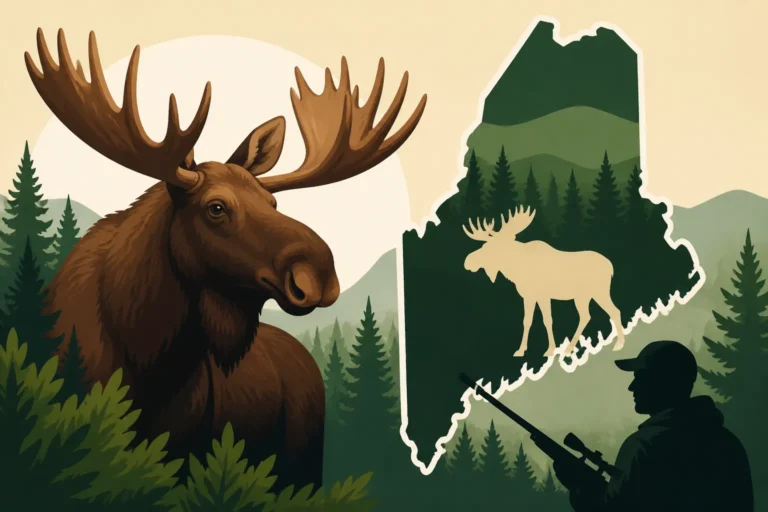
It’s heartbreaking to witness, but a stark reality for anyone paying attention to Maine’s majestic moose population: winter ticks are taking a devastating toll, especially on our youngest calves. You might hear whispers about high tick numbers, but the actual figures are often far more shocking than most realize, leading to significant concerns about the long-term health of our beloved moose herd. This guide will delve into just how many ticks can infest a Maine moose calf and what that means for their survival.
The Devastating Impact of Winter Ticks on Maine's Moose Calves
For years, the sight of a healthy, robust moose calf in Maine’s vast woodlands was a common joy. Now, however, there's a growing concern as more and more calves show signs of severe winter tick infestations. This isn't just an aesthetic issue; it's a critical wildlife health challenge that significantly impacts the survival rates of young moose.
Understanding the Life Cycle of the Winter Tick
Unlike the deer tick or dog tick, the winter tick (Dermacentor albipictus) has a unique life cycle that makes it particularly problematic for moose. These ticks are "one-host" ticks, meaning they spend their entire feeding period on a single animal. In the fall, typically starting in September and October, hundreds, if not thousands, of tiny larval ticks climb onto vegetation and wait. As moose brush past, these larvae cling on, often in massive numbers, beginning their long, slow feed through the winter months.
They mature from larvae to nymphs and then to adults, all on the same moose. This continuous feeding goes on uninterrupted until early spring, usually March or April, when the engorged adult female ticks finally drop off to lay their eggs on the forest floor. Imagine carrying thousands of parasites attached to your skin for six to seven months straight – it's an exhausting, relentless assault for any animal, let alone a growing calf trying to survive a harsh Maine winter.
How Ticks Lead to Calf Mortality
The sheer number of winter ticks on a single moose calf leads to a cascade of health problems that often prove fatal. The primary issue is blood loss. Each tick, no matter how small, draws blood. When you multiply that by tens of thousands, the calf suffers from severe anemia. This constant drain weakens them, making them lethargic and less able to escape predators or even forage effectively. They simply don't have the energy to navigate deep snow or find adequate food sources.
Beyond blood loss, the intense irritation from so many feeding ticks causes calves to scratch and rub relentlessly. This isn't just a minor itch; they rub off large patches of their protective winter coat, often down to bare skin. This loss of insulation means they are highly susceptible to hypothermia, especially during Maine's brutal cold snaps and late-season snowstorms. A calf that has lost its insulating fur is essentially trying to survive winter naked. This behavioral change, the constant rubbing, also diverts energy away from essential activities like foraging and growth. Why Winter Ticks Are Killing Maine Moose Calves dives deeper into these mechanisms.
The "Ghost Moose" Phenomenon
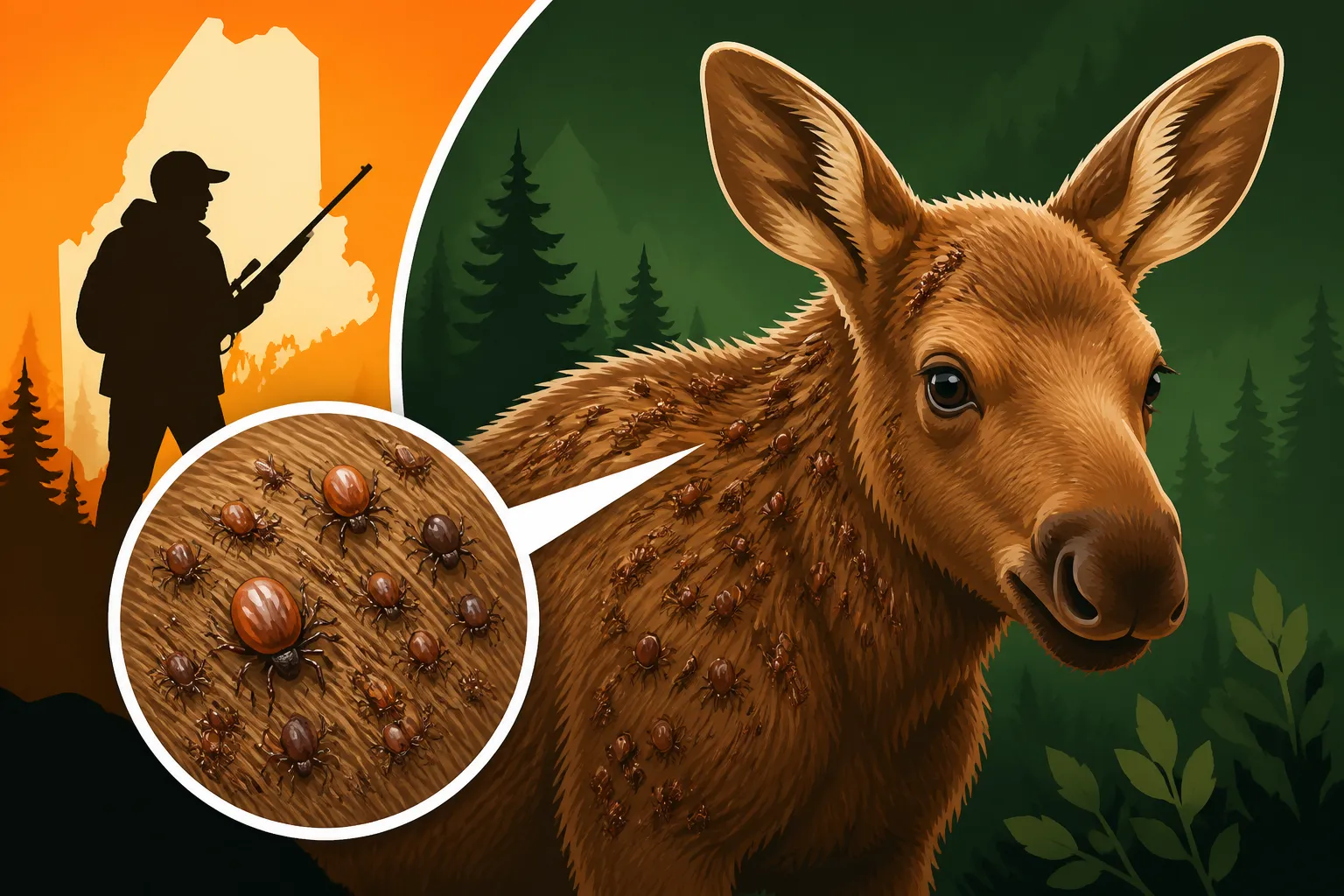
The most visible and heartbreaking symptom of a severe winter tick infestation is what wildlife biologists and hunters refer to as "ghost moose." This term describes calves (and sometimes adult moose) that have rubbed off so much of their dark, insulating guard hairs that they appear pale, almost white or silvery. Their fur is patchy, matted, and often missing entirely from large areas of their body, particularly their shoulders, neck, and flanks.
When you see a ghost moose, it's an immediate red flag. This isn't a genetic anomaly or a rare color phase; it's a living testament to the overwhelming burden of parasites they are carrying. These "ghost" calves are almost always lethargic, weak, and noticeably thinner than healthy calves. The prognosis for a ghost moose, particularly a calf, is grim. They are often too far gone, having already suffered significant blood loss and hypothermia, making survival through the remaining winter months incredibly unlikely. It's a stark reminder of the hidden struggle many of our moose face each year.
Quantifying the Infestation: Shocking Numbers
It’s one thing to talk about "thousands" of ticks, but understanding the real numbers brings the severity of the situation into sharp focus. The scientific studies conducted in Maine and other affected regions have provided harrowing data that underscores the immense pressure these tiny parasites put on moose calves.
Research and Study Findings
Wildlife researchers, including those with the Maine Department of Inland Fisheries and Wildlife (MDIFW) and university partners, have been meticulously studying this phenomenon for years. Their work often involves capturing and collaring moose, performing necropsies on deceased animals, and carefully counting the ticks found.
The results are astounding. While a healthy adult moose might be able to tolerate a few thousand ticks with minimal impact, a young, growing calf simply cannot. Studies have shown that a single moose calf can host anywhere from 30,000 to over 100,000 winter ticks. Yes, you read that right—six-figure tick counts are not uncommon on severely affected calves. Imagine the cumulative effect of 100,000 tiny mouths drawing blood, day after day, week after week, through the entire fall and winter. This level of infestation leads to a significant loss of blood, weakening the calf to the point of collapse.
These numbers are typically determined through painstaking manual counts during necropsies, where every single tick, from the smallest larva to the engorged adult, is scraped off and counted. It’s a gruesome but necessary process to understand the true burden.
Here’s a simplified look at the difference:
| Feature | Healthy Moose Calf | Severely Infested Moose Calf |
|---|---|---|
| Winter Ticks | Minimal (perhaps a few hundred) | 30,000 to over 100,000 |
| Blood Loss | Negligible | Significant, leading to severe anemia |
| Hair Coat | Thick, dark, insulating | Patchy, rubbed off, pale ("ghost") |
| Energy Levels | Active, foraging, growing | Lethargic, weak, reduced foraging |
| Survival Rate | High (barring other factors) | Low, often fatal |
Factors Influencing Tick Loads
The number of ticks a particular calf picks up isn't entirely random; several factors contribute to the severity of an infestation:
- Moose Density: This is perhaps the most significant factor. Where moose populations are higher, there's a greater chance for ticks to find hosts. More moose mean more ticks dropping off in the spring, leading to more ticks waiting on vegetation in the fall. Areas with higher moose densities often correlate with higher tick burdens on individual animals. Understanding Moose Population Estimate and Where Maine's Moose Density Is Highest can help explain why some WMDs are more affected than others.
- Previous Winter Severity: A mild winter might seem beneficial, but it can actually allow more ticks to survive the season on their hosts, leading to a larger breeding population for the next year. Conversely, a prolonged, harsh winter can take a toll on tick survival on the ground before they find a host.
- Calf Behavior and Habitat Use: Calves that spend more time in areas with high tick concentrations, like dense shrubbery where ticks quest, are more likely to pick up a larger initial load.
- Overall Health of the Calf: A calf already stressed by poor nutrition or other health issues might be less resilient to the impact of a tick infestation, even if the tick count is comparable to a healthier peer.
Hunters, you play a critical role here. Tools like GoHunt can help you analyze population data and success rates, giving you a better understanding of herd health and distribution in specific areas. While GoHunt focuses on hunting strategies, the underlying data often reflects population health dynamics, including factors that might predispose moose to higher tick loads.
The Seasonal Fluctuation of Tick Burden
The tick burden isn't static throughout the winter. While the initial attachment happens in fall, the continuous feeding means the calves are under constant assault. As the ticks grow, from tiny larvae to large, engorged adults, the cumulative impact of blood loss steadily increases.
The critical period for mortality usually hits in late winter and early spring. By this time, the calves have been carrying the ticks for months, enduring peak blood loss and often extensive hair damage. They've also been burning through their fat reserves to stay warm and survive, and the added stress of the ticks severely compromises their ability to do so. This is why you often see the "ghost moose" phenomenon most dramatically in March and April, just before the surviving ticks drop off to lay eggs. It's a race against time for these young animals, and sadly, many lose that race.
Maine's Efforts to Manage Moose and Tick Populations
Recognizing the severe threat winter ticks pose to its iconic moose herd, Maine has proactively engaged in comprehensive management strategies. This isn't a simple problem with a quick fix, but a complex ecological challenge requiring long-term commitment and adaptive approaches.
Adaptive Management Strategies
Maine's Department of Inland Fisheries and Wildlife (MDIFW) has implemented an "adaptive management" approach, primarily focusing on moose density reduction in certain regions. The premise is straightforward: if higher moose densities contribute to higher winter tick loads, then strategically reducing the moose population in key areas should, in theory, lessen the tick burden on the remaining animals, especially calves.
This often involves issuing more antlerless moose permits in specific Wildlife Management Districts (WMDs) where tick impacts are most severe and moose populations are particularly dense. The goal isn't to decimate the moose population, but to bring it into better balance with the environment's carrying capacity and reduce the transmission of ticks. This is a tough decision, but it's born from the understanding that doing nothing could lead to even greater losses down the road. You can learn more about these efforts by researching Maine's Moose Density Reduction Study. Hunters are integral to this process, as their participation in harvests directly contributes to these population goals. GoHunt, for instance, provides tools to help hunters understand permit draw odds and population data, which indirectly supports the goals of adaptive management by informing hunter choices.
Ongoing Research and Monitoring
Beyond direct population management, Maine is heavily invested in ongoing research and monitoring efforts. This includes:
- Radio-collaring Moose: Researchers regularly capture and fit moose calves and cows with GPS collars. This allows them to track movements, habitat use, and most importantly, monitor survival rates. By comparing survival rates of collared moose in areas with different moose densities and tick loads, biologists can gather crucial data on the effectiveness of their management strategies.
- Tick Load Assessment: When moose are handled for collaring or during necropsies of deceased animals, researchers meticulously collect and count ticks. This data is vital for understanding the average tick burden in different areas and how it fluctuates year to year.
- Habitat Analysis: Understanding how moose use different habitats and how these habitats might influence tick exposure is another piece of the puzzle.
- Public Reporting: Hunters and other outdoor enthusiasts are encouraged to report sightings of "ghost moose" or other signs of distress, contributing valuable anecdotal data to the larger research picture.
This comprehensive approach allows the state to fine-tune its strategies, ensuring that management decisions are based on the best available science.
Hunter Contributions and Public Awareness
Hunters in Maine are not just participants in the harvest; they are critical partners in conservation. When you head out during Moose Hunting Maine's North Woods, you're often on the front lines, observing wildlife behavior and herd health. Your experiences and observations are invaluable.
Many hunters are deeply concerned about the health of the moose herd and actively support management efforts. They understand that sustainable hunting practices are intrinsically linked to healthy wildlife populations. Ethical considerations also play a significant role. Witnessing a severely tick-infested calf can be distressing, and many hunters are keen to understand what they can do to help, whether through participating in controlled hunts or simply reporting observations. It's a shared responsibility to ensure that Maine's moose continue to thrive for generations to come.
Disclaimer
This article is for general informational purposes only and does not constitute professional advice. Laws, prices and regulations vary by location and change over time. Consult a qualified professional for guidance on your specific situation.