Why Maine Grouse Numbers Cycle Every Decade
If you've spent enough seasons chasing ruffed grouse through Maine's alder runs and aspen thickets, you've undoubtedly noticed it: some years are just grouse years, where flushes come fast and furious, while others feel like you're walking through a ghost forest. It's frustrating to dedicate time and energy to covers that once teemed with birds, only to find them strangely quiet. This guide will dive deep into the fascinating, complex reasons behind Maine's cyclical grouse populations, helping you understand the rhythm of the woods and adapt your hunting strategies accordingly.
Understanding the Ruffed Grouse Population Cycle
For those new to the woods or just scratching the surface of grouse hunting, the idea of a "cycle" might sound a bit academic. But trust me, once you've experienced a boom year followed by a bust, you'll understand just how real and impactful these population swings are. We're talking about predictable, albeit sometimes frustrating, rises and falls in the sheer number of ruffed grouse across their range, including right here in Maine. It’s not just a random fluctuation; it’s a deeply ingrained pattern that has puzzled and fascinated wildlife biologists and hunters for generations.
The Rhythmic Beat of the Grouse Woods
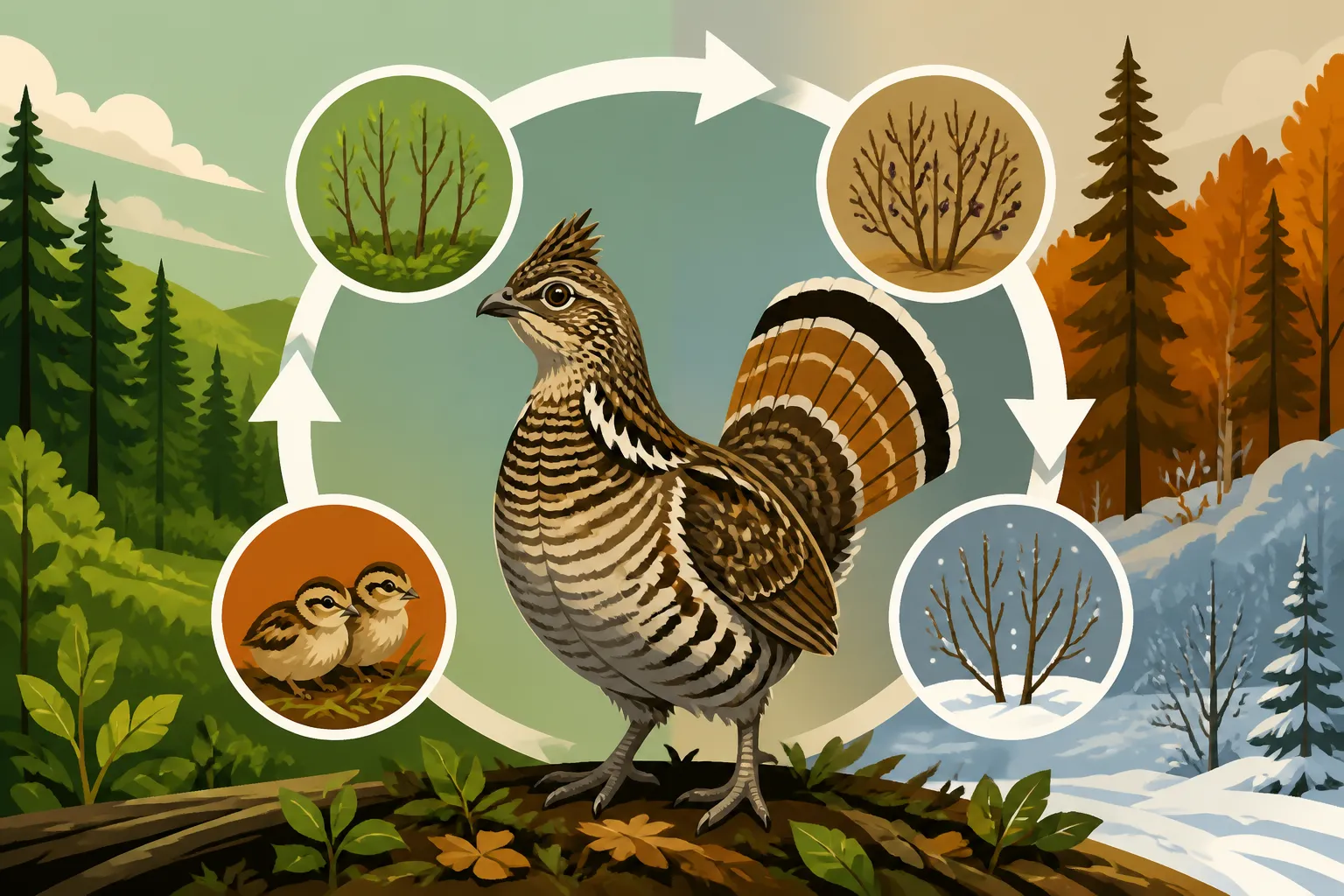
Imagine the woods breathing, expanding with life and then contracting. That's essentially what the ruffed grouse population cycle feels like. While not a precise calendar event, these cycles typically run on an 8- to 11-year rhythm, moving from peak populations to low troughs and back again. During the peak years, it feels like grouse are everywhere. Every promising patch of cover holds birds, and your dog is constantly on point. These are the seasons legends are made of, where daily limits are often a reality rather than a distant dream. Then, inevitably, the numbers start to decline, sometimes gradually, sometimes steeply, until you hit a low point where finding a single bird can feel like a major accomplishment. It’s this predictable rhythm that makes grouse hunting such a dynamic experience, demanding adaptability from those who pursue them.
What Makes Grouse Different?
Unlike some other game species whose populations might fluctuate more sporadically due to specific events like a bad winter or a sudden increase in hunting pressure, ruffed grouse exhibit a strong, intrinsic cyclical behavior. This isn't just about local conditions; it's a regional phenomenon, often observed across vast areas of the northern forest. While localized factors certainly play a role in a specific woodlot's productivity, the overarching trend of boom and bust is driven by a complex interplay of factors that go beyond just one season's weather. Understanding this larger pattern helps us appreciate the resilience of the species and the intricate web of life that dictates its ebb and flow in the Maine woods. This deep understanding also helps set realistic expectations for your season, allowing you to enjoy the hunt even when birds are scarcer.
Key Factors Driving the Cycle: Food, Weather, and Predators
So, what exactly causes these dramatic swings in grouse numbers? It’s not a single culprit, but rather a symphony of ecological interactions, where each element plays a critical role in shaping the population curve. Think of it as a carefully balanced, yet constantly shifting, equation that determines how many grouse survive to drum another day.
Habitat and Food Availability
At the heart of any healthy grouse population is suitable habitat, and in Maine, that often means young, regenerating forests. Ruffed grouse thrive in areas with a mosaic of thick cover for protection and open areas for foraging. Aspen, birch, and hazelnut are particularly vital, offering buds, catkins, and berries that are crucial food sources, especially during the lean winter months. However, forests are constantly changing; they grow, mature, and are harvested, leading to shifts in food and cover. As stands of prime grouse habitat age and become less dense, they become less productive for grouse. New logging cuts or forest fires, while initially disruptive, eventually create the early successional habitat that grouse rely on. The availability of diverse, regenerating timber stands can directly influence how well grouse populations recover during the upturns of a cycle, providing the nutritional building blocks for survival and reproduction. For scouting these types of areas, tools like GoHunt can be incredibly useful to overlay satellite imagery with forest stand data, helping you pinpoint those crucial regenerating timber cuts.
Predator-Prey Dynamics
This is perhaps the most significant, and often most discussed, factor in grouse population cycles. The theory, known as the "snowshoe hare hypothesis," suggests that grouse cycles are often linked to the cycles of their primary prey species, specifically snowshoe hares. When hare populations peak, so do their predators – bobcats, coyotes, foxes, great horned owls, and various raptors. As hare numbers then crash, these highly efficient predators, still abundant, turn their attention to other available prey, like ruffed grouse. This increased predation pressure on grouse during the hare "bust" years can drive grouse numbers down, exacerbating their own natural decline.
It's a classic ecological lag effect: predator populations often peak a year or two after their prey, and then take time to decline once their food source is gone. So, even if grouse habitat and food are decent, a surge in hungry predators can decimate a population that is already on a downward trend. Conversely, when predator numbers hit their low point, grouse have a better chance to rebound, even with moderate food and cover. This constant dance between predator and prey is a powerful force dictating the pulse of the grouse woods. Understanding Snowshoe Hare Hunting Deep Snow Cover can give you insights into another part of this complex ecosystem.
Weather and Disease
Mother Nature, as always, has a say in everything. Severe weather, particularly during the critical nesting and brooding periods in spring, can significantly impact chick survival. A prolonged spell of cold, wet weather in May or June can lead to hypothermia in vulnerable young grouse, reducing the number of birds that make it to maturity. This is especially true for second hatches if the first clutch is lost. Similarly, unusually harsh winters with deep, crusty snow can make it difficult for grouse to find food and thermal cover, leading to higher overwinter mortality. While not the primary driver of the long-term cycle, these weather events can certainly amplify the lows and temper the highs, acting as modifiers within the broader cyclical pattern. Disease, though less studied in wild grouse populations, can also play a role, particularly when bird densities are high, allowing for easier transmission among individuals.
Reading the Signs for Better Grouse Hunting Success
Understanding the "why" behind the cycles is one thing, but how does that translate to better hunting? Knowing whether you're in a peak, declining, or recovery phase of the cycle can significantly inform your expectations and strategies, making your time in the Maine woods more productive and enjoyable. It's about being a student of the landscape and its inhabitants.
Scouting and Observation
The most immediate sign you'll notice is the flush rate. Are you hearing drumming in the spring? Are you seeing broods of young birds in the summer? These are direct indicators of the current year's productivity and the overall health of the local population. Drumming counts, where biologists listen for the characteristic drumming of male grouse during the breeding season, provide valuable data on population trends. As hunters, we can pay attention to similar signs. If your walks through known covers in July and August yield frequent brood sightings, you're likely in for a good fall. Conversely, quiet woods in summer often mean fewer birds when hunting season rolls around.
Keeping a hunting journal is also invaluable. Jot down the date, location, number of flushes, and birds harvested. Over time, this personal data can help you identify local trends and how they align with the broader statewide cycle. Additionally, many states, including Maine, collect and publish harvest reports and population surveys. Consulting these resources, often found on the state’s wildlife agency website or through platforms like GoHunt, can provide a bigger picture of where the grouse population stands in its cycle. These platforms can offer excellent mapping overlays for assessing habitat and historical data. You might also want to look into Maine Ruffed Grouse Population Cycles for more detailed state-specific information.
Adapting Your Tactics
Knowing where you are in the cycle allows for strategic adjustments. During peak years, birds are more abundant and often more forgiving. You might find success in a wider variety of covers, and birds might hold tighter, giving you more shooting opportunities. It’s a great time to introduce new hunters or young dogs to the sport, as success rates are generally higher.
However, during low cycle years, you need to be more deliberate and methodical. Focus your efforts on the absolute best, most pristine grouse habitat: dense young growth, edges of clear-cuts, and areas with excellent food sources like apple trees or berry patches that provide both sustenance and security. Birds will be concentrated in these prime areas, and you'll need to work harder, covering more ground, or targeting smaller, higher-quality patches. Don't be afraid to slow down, still-hunt more, and really pick apart cover rather than just walking through it. Your dog's nose becomes even more crucial in these lean years. If you're running a pointing dog, understanding their behavior and how they work in different cover types becomes paramount when birds are sparse. This can be especially true if you also enjoy Running Pointing Dogs on Maine Woodcock, as both species share similar habitat needs.
| Cycle Phase | Grouse Abundance | Recommended Tactics | Scout Indicators |
|---|---|---|---|
| Peak Years | High | Hunt diverse covers, introduce new hunters/dogs, focus on high-traffic areas. | Frequent drumming, many summer brood sightings. |
| Declining Years | Moderate to Low | Concentrate on prime habitat, slow down, work edges thoroughly. | Less drumming, fewer broods, some quiet covers. |
| Trough Years | Very Low | Hunt only the best, densest covers; prioritize food sources; focus on dog work. | Minimal drumming, rare brood sightings, very quiet woods. |
| Recovering Years | Low to Moderate | Revisit previously quiet but good habitat, explore new cuts. | Slight increase in drumming/broods, scattered birds. |
Impact on Hunters and Management Strategies
The cyclical nature of grouse populations doesn't just affect the birds; it profoundly influences the hunting experience and the strategies employed by wildlife managers to ensure a sustainable future for the species. It’s a constant balancing act between hunter expectations and biological realities.
Hunter Expectations and Adaptations
For many, grouse hunting isn't solely about the kill; it's about the entire experience: the crisp fall air, the rustle of leaves underfoot, the thrill of a dog on point, and the explosive flush. However, consistently low bird numbers can certainly test a hunter's patience and dedication. It's easy to get discouraged when you're putting in the miles and not seeing any rewards. The key is to adjust expectations. In a low cycle year, simply flushing a bird or two, or having a good dog run, can be considered a successful outing. It's about appreciating the small victories and remembering that the woods are still rich with other experiences.
It also encourages exploration. Hunters often push into new areas, or revisit covers they might have dismissed in a boom year, looking for those hidden pockets where birds still thrive. This adaptability makes us better woodsmen and increases our knowledge of the land. It also fosters a deeper appreciation for the bounty during those peak seasons. Whether you're hunting the legendary covers described in Upland Bird and Small Game Hunting in Maine or exploring new territory, understanding the cycle helps temper the highs and lows.
Conservation Efforts and Research
Wildlife managers in Maine actively monitor grouse populations through drumming surveys and hunter harvest data. While the cyclical nature of grouse is largely a natural phenomenon and not typically managed through strict harvest quotas like deer or moose, understanding the cycle is crucial for long-term conservation. Management efforts often focus on habitat creation and preservation, especially promoting early successional forests. This means encouraging active forest management, including selective logging and clear-cutting in appropriate areas, to ensure a continuous supply of the diverse young growth that grouse need throughout all phases of their cycle.
Furthermore, research continues into the intricacies of these cycles. Scientists study everything from food availability to predator densities and disease prevalence to better understand the mechanisms at play. This ongoing research helps refine habitat guidelines and ensures that Maine's ruffed grouse populations remain healthy and resilient for generations of hunters to come. Organizations and even citizen scientists using tools like GoHunt to share observations can contribute to the larger picture that informs these critical conservation decisions. It’s a testament to the dedication of many that we can continue to enjoy the pursuit of this magnificent game bird in the diverse and wild landscapes of Maine. Maine Ruffed Grouse Harvest Numbers also provides valuable data for managers and interested hunters.
Disclaimer
This article is for general informational purposes only and does not constitute professional advice. Laws, prices and regulations vary by location and change over time. Consult a qualified professional for guidance on your specific situation.