Maine Turkey Brood Survey Results
There's nothing quite like the sound of a gobbler ringing through the Maine woods on a crisp spring morning, or the sight of a whole flock feeding in a fall field. But if you're like me, you've probably wondered, "How many turkeys are actually out there this year?" The success of any turkey season often hinges on the previous spring's hatch, and that's exactly what Maine's annual turkey brood survey aims to track. This guide will dive deep into what these surveys are, how they're conducted, and what those results truly mean for your upcoming hunting plans, helping you anticipate flock dynamics and pinpoint those prime hunting spots.
Understanding Maine's Turkey Brood Survey
For anyone passionate about pursuing wild turkeys in Maine, the annual brood survey isn't just a dry set of statistics; it's a window into the health and future prospects of our turkey population. It's the primary tool wildlife biologists use to gauge reproductive success each year, offering crucial insights that can help hunters and managers alike.
What is a Brood Survey and Why Does it Matter?
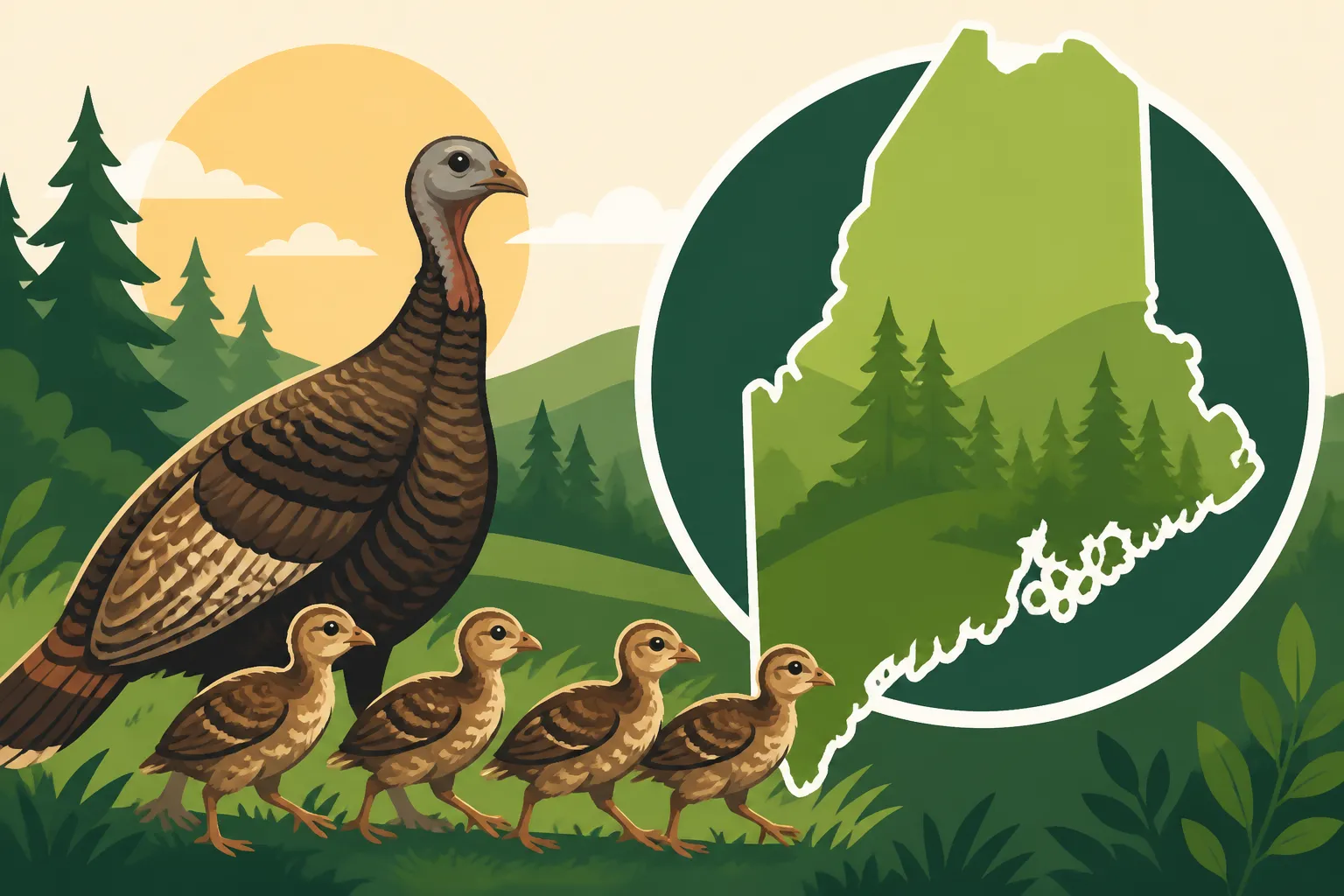
At its heart, a turkey brood survey is a systematic way to count hens and the poults (young turkeys) they've successfully raised. The goal is to determine the "poult-to-hen ratio," which is a fancy way of saying how many young birds survived per adult hen. Think of it as a report card for the breeding season. If the poult-to-hen ratio is high, it generally means a strong hatch, good survival rates for the young, and a promising outlook for the population in the coming seasons. Conversely, a low ratio can signal challenges like poor weather during nesting, high predation, or habitat issues, potentially leading to fewer birds later on.
For hunters, these numbers are incredibly important. A strong brood year means more jakes (young males) the following spring, offering more opportunities during the Spring Turkey Hunting in Maine season. It also bodes well for the overall number of adult birds available for both spring and Hunting Maine's Generous Fall Turkey Season seasons down the road. Without this data, we'd essentially be flying blind, making it much harder to understand population trends or even predict where the best hunting might be. It also directly informs wildlife management decisions, ensuring that our turkey resource remains robust for years to come.
How Maine Conducts Its Turkey Brood Surveys
Maine's turkey brood survey is a truly collaborative effort, relying heavily on the eyes and ears of its citizens, especially avid outdoors enthusiasts like us. Unlike some states that might employ extensive staff surveys, Maine leverages a "citizen science" approach. This means that hunters, landowners, farmers, birdwatchers, and anyone spending time outdoors are encouraged to report their sightings of turkey broods.
The survey typically runs from June 1st through August 31st, a critical period when poults are still small and easily identifiable with their mothers. Participants are asked to record the date, location (as specific as possible), the number of adult hens observed, and the number of poults seen with them. This information is usually submitted through an online portal or a dedicated reporting form. This method casts a wide net, collecting data from various landscapes across the state, from the northern reaches where How Turkeys Spread North Into Aroostook County is a topic of interest, to the more densely populated southern areas. The collected data is then compiled and analyzed by wildlife biologists, providing a snapshot of reproductive success across Maine. It's a fantastic example of how we, as a community, can directly contribute to the conservation and management of the game species we cherish.
Interpreting the Survey Results: What the Numbers Mean for Hunters
Once the numbers are in, understanding what they actually signify is the next step for any hunter looking to gain an edge or simply stay informed about the health of Maine's turkey population. It's not just about raw counts, but about ratios and trends over time.
Key Metrics: Poult-to-Hen Ratio and Overall Production
The most critical metric derived from the turkey brood survey is the poult-to-hen ratio. This ratio directly tells us how successful the nesting and brooding season was. For example, if the ratio is 3.5, it means that, on average, each hen observed successfully raised 3.5 poults to the survey period. What constitutes a "good" ratio? Generally, a ratio of 2.0 or higher is considered healthy for maintaining or growing a turkey population. Ratios significantly below that might suggest a struggling year for reproduction.
Another important aspect is "overall production," which considers not just the ratio but also the number of hens observed. A high poult-to-hen ratio is great, but if fewer hens are participating in the breeding cycle, the overall number of new birds entering the population might still be low. Biologists are looking for a balance: a good number of breeding hens and a high success rate for those hens. This data helps to inform the Maine Turkey Population Estimate and provides a baseline for comparing year-over-year fluctuations. Many dedicated hunters, myself included, anxiously await the official reports, often cross-referencing them with observations gathered through tools like GoHunt's mapping features as they scout their favorite areas.
Here's a simplified look at how to interpret those ratios:
| Poult-to-Hen Ratio | Interpretation for Population | Outlook for Hunters (Next Year) |
|---|---|---|
| Less than 1.5 | Poor reproduction | Fewer young birds, tougher hunting |
| 1.5 – 2.0 | Moderate reproduction | Stable population, average hunting |
| 2.1 – 3.0 | Good reproduction | Growing population, good hunting |
| Greater than 3.0 | Excellent reproduction | Strong population, great hunting |
Factors Influencing Brood Success in Maine
Maine's environment presents a unique set of challenges and opportunities for wild turkeys, and several factors heavily influence the annual brood success reported in the surveys. Weather is undeniably one of the biggest players. A cold, wet spring during the nesting and early poult stages can be devastating. Young poults are highly susceptible to hypothermia, and prolonged periods of rain can lead to significant mortality. Conversely, a warm, dry spring often correlates with higher survival rates and robust brood numbers.
Predation also plays a significant role. Coyotes, foxes, bobcats, raccoons, and even raptors like great horned owls are opportunistic predators of both turkey eggs and young poults. Areas with higher predator densities, especially near denning or nesting sites, can see lower brood success. Habitat quality is another crucial element. Hens need secure nesting cover, and poults require insect-rich brooding habitat, often found in fields with tall grasses or open woodlands with good understory. Loss or degradation of these vital habitats due to development, logging practices, or agricultural changes can negatively impact brood success. Finally, the availability of food, like acorns, berries, and insects, throughout the spring and summer directly impacts the health of hens and their ability to raise strong poults. All these interconnected elements contribute to the complex picture that the brood survey attempts to capture.
How Brood Survey Results Inform Hunting Strategy
For the seasoned turkey hunter, brood survey results aren't just interesting facts; they're actionable intelligence that can significantly influence your scouting and hunting strategy for the upcoming seasons. Knowing what the numbers say can help you put yourself in the right place at the right time.
Anticipating Future Turkey Seasons Based on Survey Data
The poult-to-hen ratio reported in a summer survey directly correlates to the number of juvenile birds that will mature into huntable jakes and young gobblers the following spring. If Maine had a stellar brood year in, say, 2023, you can reasonably expect a higher abundance of jakes and 2-year-old gobblers in the spring of 2024. This might mean more active birds, more eager gobblers responding to calls, and potentially better odds for filling your Maine Spring Turkey Permit Rules tag.
Conversely, a poor brood year suggests a more challenging hunt, with fewer young birds to mature. In such years, hunters might need to focus more on finding older, more established gobblers, which can often be warier and more difficult to call in. It also gives insight into the density you might encounter during the Maine's WMDs With Two-Bird Spring Limits or Maine's WMDs With One-Bird Spring Limits seasons. Knowing this allows you to adjust your expectations and refine your tactics, perhaps prioritizing scouting new areas or trying different calling sequences. The data also influences the overall Maine Turkey Population Trends over several years, so looking at a few years of data together can paint an even clearer picture.
Regional Differences and What They Tell You
One of the most valuable aspects of the brood survey is that results are often broken down by Wildlife Management Districts (WMDs) or even broader regions. Turkey populations, and therefore brood success, are rarely uniform across the entire state. A WMD in southern Maine, with ample agricultural land and milder winters, might experience a fantastic brood year, while a WMD further north, with colder, wetter conditions or heavier predation pressure, could have a much poorer outcome.
Understanding these regional disparities can profoundly impact your hunting plans. If you see that a particular WMD had an exceptional poult-to-hen ratio, it might be worth focusing your scouting efforts there, even if it's a bit of a drive. Conversely, if your usual hunting grounds reported low numbers, you might consider exploring areas with more promising data, or adjust your tactics to account for fewer birds. This kind of detailed information helps you make informed decisions about where to apply for Maine Fall Turkey Permit Rules tags, where to concentrate your efforts during the general fall season (especially in Maine's Five-Bird Fall Turkey Districts), and even helps you predict When Maine Gobblers Go Quiet in Late May might occur in different zones based on population pressure and bird age structures. Tools like GoHunt often allow users to layer WMD boundaries with other geographical data, making it easier to visualize where the hotspots might be based on these reports.
Contributing to Maine's Turkey Management Efforts
The ongoing success of Maine's wild turkey program, and the hunting opportunities we enjoy, isn't just up to state biologists. It’s a collective effort, and as hunters, we play a vital role in ensuring these majestic birds thrive.
Citizen Science: Your Role in the Brood Survey
The "citizen science" aspect of Maine's turkey brood survey truly empowers hunters and other outdoor enthusiasts. Your observations aren't just casual notes; they are valuable data points that contribute directly to the state's understanding of its turkey population dynamics. Every time you see a hen with poults during the summer months, taking a few minutes to accurately record your sighting—date, location, number of hens, and number of poults—and submitting it to the Maine Department of Inland Fisheries and Wildlife (MDIFW) is a direct contribution to conservation.
This collective effort provides a much broader and more comprehensive dataset than any small team of biologists could gather on their own. It helps identify areas with strong reproduction, highlight regions that might be struggling, and informs decisions about future hunting regulations. It's an easy way to give back to the resource, turning your time in the woods into valuable research. So next time you're out scouting for deer, shed hunting, or just enjoying a summer hike, keep an eye out for turkey families and consider reporting what you see. You're helping ensure that future generations can experience the thrill of Calling an Early May Gobbler Off the Roost.
Beyond Brood Surveys: Other Data Points for Informed Hunting
While brood surveys are a cornerstone of turkey management, they're not the only piece of the puzzle. Savvy hunters often look at a variety of data sources to get the full picture. State harvest reports are incredibly important, providing actual numbers of turkeys taken by hunters each season. These reports, often broken down by WMD, can confirm trends suggested by the brood surveys and show where hunting pressure is highest. Looking at Maine Turkey Harvest Numbers by WMD over several years, for instance, can reveal consistent high-harvest areas or emerging hotspots.
Other factors include anecdotal evidence from fellow hunters, social media groups, and observations from land managers. Online platforms, and even tools like GoHunt, can sometimes provide an aggregation of anecdotal reports or permit hunters to share their observations, helping to fill in the gaps between official surveys. Pay attention to mast crop production (like acorns) in the fall, as a good food year can support higher survival rates through winter. Consider habitat changes in your area, new logging operations, or increased predation signs. By combining official survey data with your own boots-on-the-ground scouting and broader ecological awareness, you'll develop a much deeper understanding of the Wild Turkeys in Maine and significantly enhance your chances of success in the field. This holistic approach is what truly separates consistent hunters from those who just hope for the best.
Disclaimer
This article is for general informational purposes only and does not constitute professional advice. Laws, prices and regulations vary by location and change over time. Consult a qualified professional for guidance on your specific situation.