Donating Venison in Maine
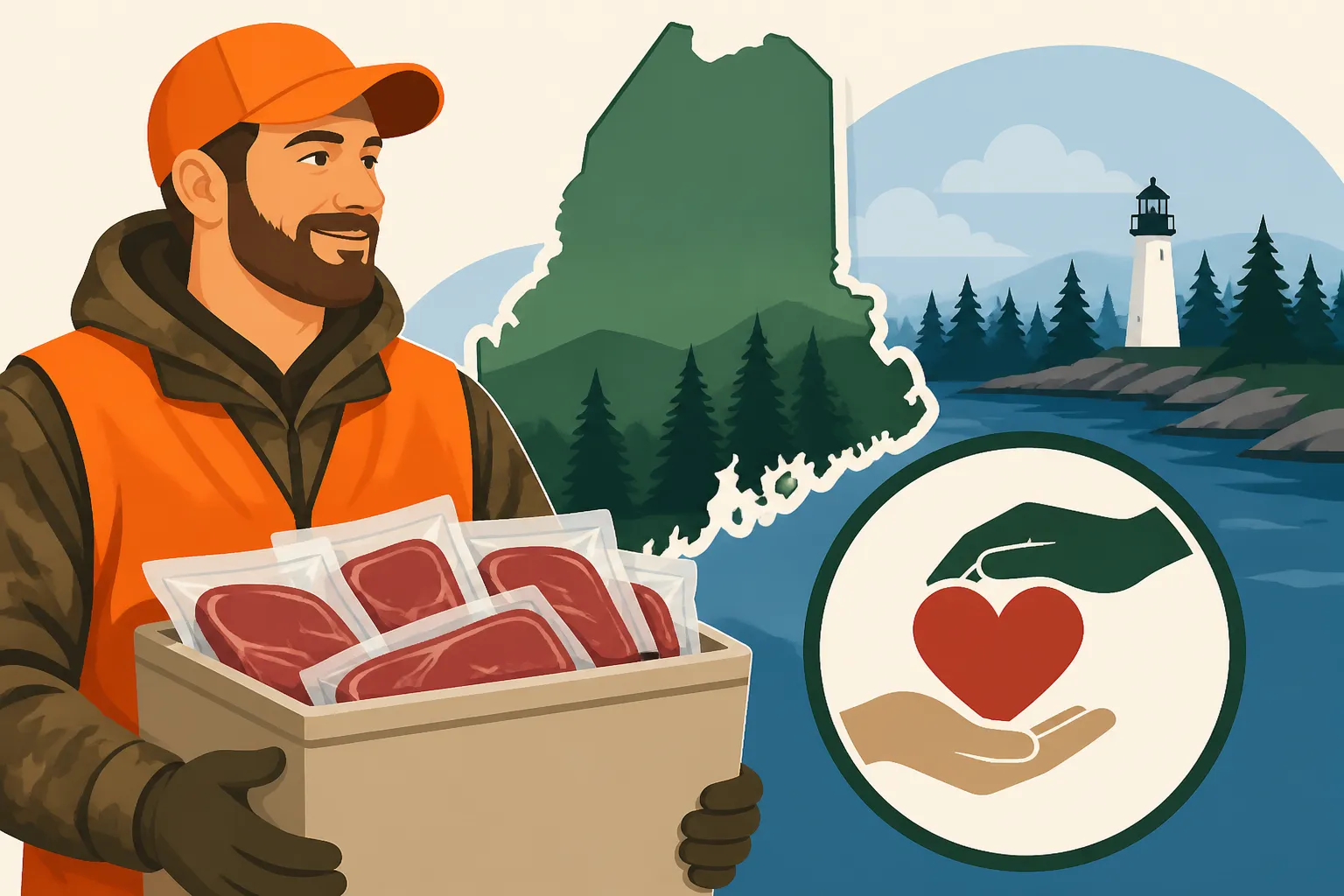
After a successful hunt in Maine, you might find yourself with more venison than your freezer can comfortably hold, or simply feel a strong desire to give back to your community. It’s a wonderful feeling to fill your tag, but sometimes the real challenge becomes what to do with all that delicious, lean meat. For many of us, the idea of letting any of it go to waste is unthinkable, and the thought of sharing it with those who truly need it can be incredibly rewarding. This guide will walk you through everything you need to know about legally and effectively donating venison in Maine, ensuring your harvest helps feed others.
Why Donate Venison in Maine?
There's something deeply satisfying about filling your freezer with wild game, a primal connection to providing for yourself and your family. But let's be honest, sometimes a successful season, especially if you're lucky enough to punch a couple of tags or have a substantial deer on your hands, can leave you with an abundance. Then there's the broader picture: the struggle many Maine families face to put nutritious meals on the table. Donating your venison bridges these two worlds, offering a practical solution to surplus meat and a vital source of protein for those experiencing food insecurity. It’s a way for hunters to give back directly, showcasing the immense value hunting brings beyond recreation.
The Ethical Hunter's Dilemma: Too Much Meat
Many of us have been there. You've had an incredible season, maybe even tagged a second deer during Maine's Four-Week Firearms Deer Season or Maine's Long Archery Season, and now your chest freezer is groaning. While it’s a good problem to have, the sheer volume of meat can be overwhelming. As ethical hunters, we feel a profound responsibility to honor the animal and utilize every possible ounce of meat. Letting it sit in the freezer indefinitely, or feeling pressured to consume more than you comfortably can, goes against that ethos. Donating becomes a natural extension of responsible harvesting. It ensures that the animal's life contributes fully, providing sustenance to others who might not otherwise have access to such high-quality protein. It's a testament to the hunter's commitment to conservation and community, turning a personal success into a shared benefit.
Supporting Food Security in Maine Communities
Maine, like many places, has communities where food insecurity is a real and pressing issue. Families struggle to afford groceries, and often, lean, high-protein meats like venison are simply out of reach. By donating venison, hunters directly address this need. You’re not just giving away meat; you're providing nutrient-rich, free-range food that can make a significant difference in someone's diet. Food banks and pantries are always seeking high-quality protein, and venison fits that bill perfectly. It's a unique opportunity for hunters to contribute meaningfully to local well-being, demonstrating that our passion for the outdoors extends to caring for our neighbors. Programs designed for venison donation are often streamlined to get that meat directly to where it's most needed, ensuring your generosity has a real impact.
How to Prepare Venison for Donation
Donating venison isn't quite as simple as dropping off a package of burger at the local food pantry. There are specific guidelines and, frankly, ethical considerations to ensure the meat is safe, wholesome, and acceptable for consumption by others. This isn't just about following rules; it's about respecting the recipient and the donation process. Proper handling from the moment of harvest is absolutely critical, as is ensuring the meat is processed correctly by an approved facility. Think of it as extending your commitment to responsible hunting all the way to the kitchen table of those you're helping.
Field Dressing and Processing Considerations
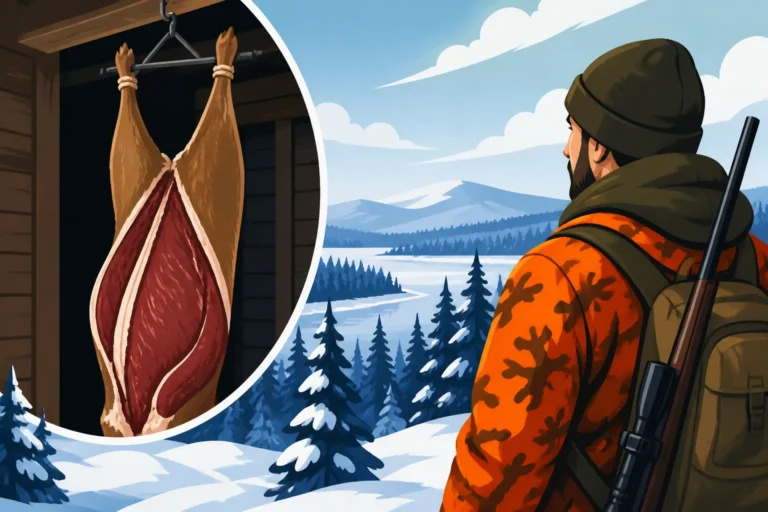
The journey of donated venison begins the moment the animal is down. Proper field dressing is paramount to ensure the quality and safety of the meat. This means getting the internal organs out quickly to allow the carcass to cool down as rapidly as possible. In Maine, especially during early archery seasons or warmer days during Maine's November Firearms Deer Season, this cooling process is vital to prevent bacterial growth. Once field dressed, you'll need to transport the animal to a state-inspected and approved meat processor. This is a non-negotiable step for venison donation programs. Food banks cannot accept wild game that has been processed at home or by an uncertified butcher due to stringent health and safety regulations. These certified processors know the rules for handling wild game for donation, ensuring everything meets the necessary standards for public consumption. They’ll also handle the cutting, grinding, and packaging in a professional manner, readying it for its next stop.
Packaging and Storage Standards
After your deer has been professionally processed, the way it's packaged and stored for donation is just as important. The meat will typically come back from the processor vacuum-sealed or wrapped in heavy-duty freezer paper, clearly labeled with the type of cut (e.g., "ground venison," "venison steak") and often the date it was processed. This clear labeling is essential for food banks to manage their inventory and for recipients to understand what they are receiving.
Here are some key packaging and storage standards to keep in mind:
- Professional Processing: As mentioned, only venison processed by a state-inspected facility is accepted. This is for public health and safety, as these facilities adhere to strict sanitation guidelines.
- Clear Labeling: Each package should be clearly labeled with the contents (e.g., ground venison, roast), and often the harvest date and processor information.
- Proper Freezing: All donated venison must be frozen solid and remain frozen until it reaches the food bank. This maintains quality and prevents spoilage. Transporting it in a well-insulated cooler with ice or ice packs is crucial if you're not going directly from the processor to the donation site.
- Avoid Home Processing: While you might be excellent at butchering your own deer for your family, donation programs cannot accept home-processed meat due to regulatory concerns. Even if you're a seasoned hunter who uses tools from GoHunt to plan your scouting and harvest, the final processing for donation must be done by a professional.
| Requirement for Donated Venison | Description |
|---|---|
| Source | Must be legally harvested wild deer in Maine. |
| Processing | Must be professionally processed at a state-inspected and approved facility. |
| Packaging | Vacuum-sealed or heavy-duty freezer paper, clearly labeled with contents, date, and processor name. |
| Temperature | Must be frozen solid and maintained at freezing temperatures during transport and storage until donation. |
| Condition | Free from signs of spoilage, freezer burn, or contamination. |
| Health | No evidence of disease or sickness in the harvested animal (this is generally assessed by the hunter and processor during initial stages). |
Where to Donate Venison in Maine
Once your venison is properly processed and packaged, the next step is finding the right place to donate it. Maine has a few avenues for venison donation, primarily through specific programs designed to handle wild game. It's always a good idea to call ahead to confirm their current capacity and acceptance policies, as these can sometimes change. Knowing your options means you can get that valuable protein to families as quickly and efficiently as possible.
Maine Hunters for the Hungry Programs
One of the most organized and effective ways to donate venison in Maine is through programs like Maine Hunters for the Hungry. These initiatives specifically connect hunters with certified meat processors and food distribution networks. They understand the unique requirements of wild game donation and streamline the process. Often, they have a network of participating processors across the state who are willing to accept deer for donation, sometimes at a reduced cost to the hunter, or even with funding assistance from the program itself.
To participate, you'll usually need to:
- Locate a participating processor: Check the Hunters for the Hungry website or contact them directly for a list of approved processors in your area. You might find one near where you plan on Field Dressing a Deer in Cold Weather or Butchering a Deer at Camp.
- Take your legally harvested deer to the processor: Inform the processor that you intend to donate the meat through the Hunters for the Hungry program.
- Cover processing costs (if applicable): While some programs or processors might have grants or special arrangements, be prepared to cover the cost of processing the deer. This ensures the meat can be prepared to food safety standards.
- The program handles distribution: Once processed, the venison is then distributed by Hunters for the Hungry to local food banks, soup kitchens, and shelters. This is a fantastic way to ensure your efforts directly benefit those in need, without you having to navigate the logistics of individual food pantry rules. This type of program is a real asset, making it easy for hunters to contribute after using their GoHunt tools to find success.
Local Food Pantries and Charitable Organizations
While Hunters for the Hungry is often the most direct route, some local food pantries or charitable organizations might accept venison directly. However, this is less common due to the strict regulations around accepting and distributing wild game. They often lack the facilities or the specific certifications required to handle it.
If you are considering this route, here’s what you absolutely must do:
- Call Ahead: Never just show up with processed venison. Call the food pantry or organization before your hunt, or certainly before processing, to inquire about their specific policies.
- Ask About Requirements: Be very clear in your questions. Do they accept wild game? Does it need to be professionally processed? Are there specific labeling requirements? What documentation do they need?
- Understand Their Limitations: Many smaller pantries operate on limited budgets and resources and may not have the appropriate freezer space or the administrative capacity to accept and track wild game donations. They might simply not be equipped to handle it, even if they appreciate the gesture.
For instance, a food pantry in a rural area like Aroostook County might have different capabilities than one in a more urban setting near Portland. It's truly a case-by-case basis. By using a service like Hunters for the Hungry, you often bypass these potential hurdles, as they've already established the necessary relationships and protocols with Maine's Wildlife Management Areas and food distribution networks. Your contribution then reliably reaches those who can benefit most from the high-quality, lean protein that wild venison provides. Donating venison is an admirable act that truly embodies the spirit of giving back to the community, and using established channels ensures your generosity makes the biggest impact.
Disclaimer
This article is for general informational purposes only and does not constitute professional advice. Laws, prices and regulations vary by location and change over time. Consult a qualified professional for guidance on your specific situation.