Game You Cannot Hunt in Maine
Navigating the world of hunting regulations can sometimes feel like trying to untangle a stubbornly knotted fishing line – you want to do everything right, but it's easy to get confused about what's fair game and what isn't. This guide is here to help clear up that confusion, diving deep into the species that are strictly off-limits to hunters in Maine, and exploring the important reasons behind these protections, so you can hunt responsibly and confidently within the law.
Protected Species: What's Strictly Off-Limits in Maine
When you pull on your boots and grab your gear, it's natural to focus on the game you can pursue. But being a responsible hunter means also knowing what you absolutely cannot hunt. Maine, with its incredible biodiversity, has a clear set of rules designed to protect certain species, whether they're rare, endangered, or simply not designated as game animals. It's not just about avoiding a fine; it's about respecting wildlife management and the fragile balance of our ecosystems.
Federally and State-Listed Endangered or Threatened Species
This category is probably the most critical to understand. Many species in Maine are protected under federal laws like the Endangered Species Act, as well as state-specific endangered species lists. These are animals whose populations are at risk, and any disturbance, let alone hunting, could be devastating to their survival.
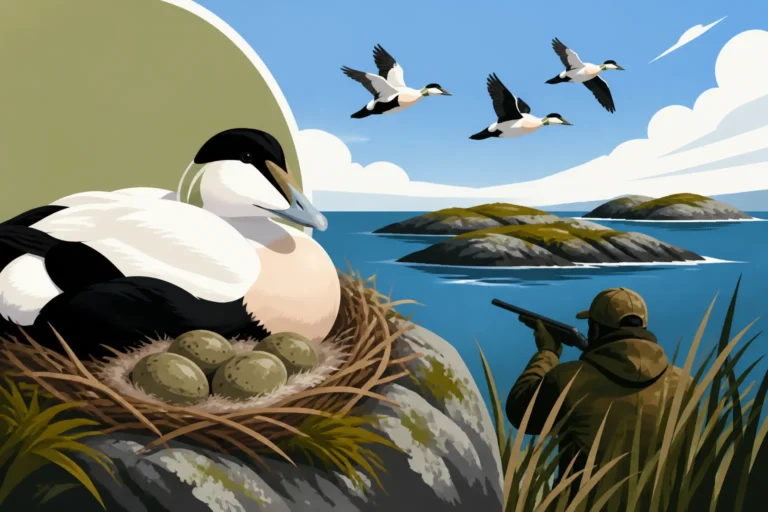
Take, for instance, the Canada lynx. These elusive cats are federally protected and are absolutely off-limits. While you might occasionally glimpse one in the deeper woods of northern Maine, mistaking them for a bobcat can lead to serious legal trouble. Their distinct, tufted ears and large paws for snow travel are key identifiers. Similarly, some migratory birds, even common-looking ones, might be protected during certain times of the year or altogether due to their nesting habits or declining populations. It's not always about size or obvious rarity; sometimes, protection extends to species you might not immediately think of as "endangered" in the traditional sense. Understanding these distinctions is paramount for any hunter venturing into the backcountry.
Non-Game Species and Incidental Encounters
Beyond the explicitly "endangered" list, many animals in Maine simply aren't classified as game animals. This means there's no open season for them, ever. Think of all the squirrels that aren't gray or red squirrels, most songbirds, rabbits outside of the snowshoe hare season, and various small mammals. While they might be abundant, they don't fall under the umbrella of regulated hunting.
For example, while you might be Grouse Hunting Maine Alder Runs, you could flush a variety of other birds that are not game species. The rule of thumb here is simple: if it's not explicitly listed as a legal game species with an open season and bag limit, you can't hunt it. This also extends to certain animals that might historically have been present in Maine but are now extirpated, like the gray wolf or woodland caribou. While you won't encounter them in the wild here today, any accidental sightings or mistaken identity can lead to confusion. It's important to remember that all wildlife is part of a delicate balance, and hunting regulations are designed to manage only those species that can sustain harvest without harm to the overall population.
Game Animals Outside of Legal Seasons or Zones
This might seem obvious, but it's where many well-intentioned hunters can sometimes slip up. Even a species that is a game animal, like white-tailed deer or wild turkeys, becomes an "unhuntable" species if you pursue it outside of the designated season, legal hunting hours, or specific Wildlife Management District (WMD) rules.
Consider a late November deer hunt. If you're still out after Hunting the Muzzleloader Close in Mid-December, you're pursuing deer illegally. Or perhaps you're in a WMD where antlerless deer permits are highly restricted, and you harvest an antlerless deer without the proper tag when only bucks are legal. That deer, while typically a game animal, was illegally taken and therefore "unhuntable" in that specific context. This also applies to things like Maine's WMD-Based Turkey Bag Limits – exceeding your limit, even by one bird, makes that extra bird "unhuntable." It’s crucial to know the specific regulations for the species you’re pursuing, down to the minute and the specific location, as found in the official Maine hunting guide or through reputable apps like GoHunt that integrate up-to-date state information.
Understanding the "Why": Conservation and Management in Maine
The reasons behind restricting hunting on certain species are deeply rooted in scientific wildlife management and conservation ethics. It's not arbitrary; it's a careful balancing act designed to ensure healthy populations for future generations of both wildlife and hunters.
Population Status and Recovery Efforts
Many of the species that are off-limits are so because their populations are struggling. Maine has seen incredible conservation success stories, like the recovery of the bald eagle, once federally endangered. However, other species still require protection. The Canada lynx, for example, has a very specific habitat requirement and low population density, making them vulnerable. Without strict protections, even incidental takes could push them closer to extirpation.
Wildlife biologists constantly monitor populations of all species, not just game animals. They use various methods, from aerial surveys to citizen science reports, to track numbers and trends. If a species shows signs of decline, or if it has a naturally low reproductive rate, protections are often put in place or maintained. This isn't just about preventing extinction; it's about maintaining ecological diversity and the overall health of Maine's natural environment. Understanding that your actions contribute to this larger picture can help foster a deeper respect for these regulations.
Ecological Role and Non-Game Designation
Not every animal is meant to be a game animal, and that's perfectly fine. Many species play crucial ecological roles that don't involve being harvested. For instance, songbirds are vital for insect control and seed dispersal. Predators like bobcats and coyotes help keep prey populations healthy and in check. These animals are often designated as "non-game" species, meaning they are not managed for sport hunting.
Maine's wildlife management philosophy often focuses on ensuring the long-term health of all wildlife populations. This means that even animals that might be common, like certain types of mice or salamanders, are generally protected from hunting simply because they are not part of the game management framework. Their value isn't measured by a trophy or a meal, but by their integral role in the food web and ecosystem functions. It's a reminder that the wild is vast and diverse, and not every creature needs to be part of the hunter's pursuit to hold immense value.
Protecting Threatened or Recovering Species
Some species have made incredible comebacks thanks to dedicated conservation efforts, but they still require careful monitoring and protection. The peregrine falcon, for example, was once nearly wiped out by DDT but has seen a remarkable recovery. While they are no longer considered endangered, they remain a protected species. Similarly, fishers and martens, while trappable in certain seasons, have had periods of intense management and protection to ensure their populations are robust.
Maine's commitment to being Maine's CWD-Free Status Explained for its deer herd is another example of proactive management, even though CWD itself isn't about specific species protection in the same way. It's about protecting the health of game animals that are hunted. These protective measures ensure that species don't just survive, but thrive. It's a testament to the fact that conservation is an ongoing process, and hunters play a vital role in supporting these efforts by adhering to all regulations, even for species that might seem to be doing well.
Staying Legal: Your Role and Essential Resources
It's every hunter's responsibility to know the rules before heading afield. Ignorance of the law is never an excuse, and unintentional violations can still carry significant penalties. Luckily, Maine provides abundant resources to ensure you're always informed.
Official Regulations and Digital Tools
Your first and most important resource should always be the official Maine hunting law book, published annually by the Maine Department of Inland Fisheries and Wildlife (MDIFW). This document is the definitive guide to all seasons, bag limits, and legal methods for every game species. Read it cover to cover for the species you intend to hunt, and keep a copy with you, whether physical or digital, while in the field.
Beyond the official book, modern technology offers fantastic supplementary tools. Mapping applications like GoHunt provide valuable layers that can show public lands, private land ownership boundaries (crucial for Scouting Maine Private Land Before Season), and even delineate WMDs. Some apps also integrate season dates and regulations, serving as a quick reference point. Always cross-reference any app data with the official MDIFW regulations, but tools like GoHunt can significantly enhance your planning and on-the-ground awareness. They help visualize where you are in relation to protected zones, private property, or specific WMD boundaries where rules might differ.
Key Information to Verify Before Any Hunt:
| Information Category | Specific Details to Check | Importance |
|---|---|---|
| Game Species | Is this animal a legal game species in Maine? | Fundamental: Hunting non-game species is illegal. |
| Season Dates | Exact opening and closing dates for your chosen species. | Crucial: Hunting outside season is poaching. |
| Hunting Hours | Legal shooting hours (e.g., ½ hour before sunrise to ½ hour after sunset). | Prevents illegal night hunting or early starts. |
| Bag Limits | Daily, seasonal, and specific WMD limits (e.g., Maine's WMDs With Two-Bird Spring Limits). | Essential: Exceeding limits is a violation. |
| WMD Specifics | Any special regulations for your specific Wildlife Management District. | Rules can vary significantly by region. |
| Legal Methods | Permitted weapons, ammunition, and hunting techniques. | Ensures ethical and legal take of game. |
| License & Permits | Do you possess all required Maine Hunting Licenses and What They Cost and specific permits (e.g., antlerless)? | Required for legal participation. |
| Land Ownership/Access | Are you on public land or do you have permission for private land? | Prevents trespass and maintains landowner relations. |
Identifying Species and Avoiding Misidentification
One of the most common pitfalls leading to unintentional violations is misidentification. When adrenaline is pumping, it can be easy to mistake one animal for another, especially in low light or dense cover. This is particularly true for animals that share similar characteristics, like bobcats and the protected Canada lynx, or different species of hawks.
Before pulling the trigger, take that extra second, or even a few minutes if the situation allows, to positively identify your target. Study field guides, watch educational videos, and familiarize yourself with key differentiating features. For instance, knowing the subtle differences in ear tufts, tail length, and paw size can save you from mistakenly harvesting a lynx. Attend hunter education courses (remember Maine Hunter Education Requirements) and consider field identification workshops. The better you are at identifying wildlife, the more confident and ethical your hunting will be. If there's any doubt, err on the side of caution and let the animal walk. It's always better to return home empty-handed than to make a mistake that could cost you your hunting privileges, or worse, harm a protected species.
Reporting Violations and Seeking Clarification
If you ever witness a suspected hunting violation, or if you have questions about specific regulations, don't hesitate to reach out to the authorities. The Maine Warden Service is there to enforce wildlife laws and protect Maine's natural resources. Reporting a Poacher in Maine is a crucial part of self-policing the hunting community and ensuring conservation for all.
Likewise, if you are genuinely unsure about a rule or a species, reach out to the MDIFW directly. They are happy to provide clarification. It's far better to ask a question than to guess and potentially make a costly error. Remember, responsible hunting is not just about pursuing game; it's about being an informed, ethical, and contributing member of the conservation community. Always stay informed, use tools like GoHunt responsibly, and be a good steward of Maine's incredible wildlife.
Disclaimer
This article is for general informational purposes only and does not constitute professional advice. Laws, prices and regulations vary by location and change over time. Consult a qualified professional for guidance on your specific situation.