Maine Wildlife Management Areas
It’s a common frustration: you’ve got your hunting license, your gear is ready, but finding a reliable, accessible spot to hunt in Maine can feel like an endless quest. Private land is often posted, and the vast North Woods, while incredible, can be a major trek with permits and checkpoints that add up. Many hunters, especially those of us who aren't lucky enough to own thousands of acres or have a buddy with a huge woodlot, wonder where they can consistently find quality public land that’s not miles from nowhere or overrun. This guide is here to shed light on one of Maine’s best-kept secrets for public hunting access: our Wildlife Management Areas, or WMAs. We’ll dive deep into what these areas offer, how to navigate them, and how you can maximize your chances of a successful hunt.
Understanding Maine's Wildlife Management Areas
Let's face it, the term "Wildlife Management Area" might sound a bit like a bureaucratic mouthful, but trust me, these places are anything but dry and uninviting. For the everyday hunter in Maine, WMAs represent a critical and often underutilized resource for pursuing game. They are specifically designated parcels of land, sometimes large, sometimes small, that are actively managed by the Maine Department of Inland Fisheries and Wildlife (MDIFW) with the primary goal of enhancing wildlife populations and providing public access for hunting, fishing, and other outdoor recreation.
What Exactly Are WMAs, Anyway?
Think of a WMA as a dedicated natural space where wildlife comes first, and human recreation, especially hunting, is a carefully managed byproduct. These aren't just random tracts of public land. Instead, they are selected and maintained because they offer exceptional habitat for various species, whether it's the mix of young growth and mature timber that deer thrive in, the alder runs perfect for woodcock, or the wetland complexes that attract waterfowl. The habitat is often actively shaped through timber harvests, controlled burns, or water level manipulation to ensure it remains prime for the critters that call it home.
Unlike some other public lands, WMAs are generally purchased or acquired specifically for their wildlife value. This means they’re usually already set up with hunter access in mind, even if that access simply means a gravel parking lot and a clearly marked boundary. They’re a testament to Maine’s commitment to conservation, funded often by license fees and federal excise taxes on hunting equipment – meaning hunters themselves play a huge role in their existence!
The Purpose Behind Their Creation
The core mission behind Maine’s Wildlife Management Areas is simple: to conserve, protect, and enhance wildlife habitat and populations. This isn’t just for the animals’ sake, of course. It’s deeply intertwined with our tradition of hunting and appreciating the outdoors. By proactively managing these lands, the state ensures that future generations will have places to hunt and robust wildlife populations to pursue.
Consider the alternative: without dedicated WMAs, prime habitats could be developed, fragmented, or simply fall into disrepair, diminishing opportunities for both wildlife and hunters. WMAs serve as crucial refuges and breeding grounds, particularly in areas where private land development is encroaching. They also act as living laboratories, allowing MDIFW biologists to study wildlife dynamics and implement effective management strategies that can then inform practices across broader landscapes.
A Brief History of Maine's WMA System
Maine's WMA system has a rich history, evolving over many decades from early efforts to protect specific waterfowl breeding grounds or deer wintering areas. Initially, many of these lands were acquired to address specific conservation needs, often driven by declining populations of certain game species or the recognition of vital habitat disappearing. Over time, the program expanded, as did the understanding of ecological needs.
Today, there are dozens of WMAs scattered across the state, from coastal wetlands to vast inland forests. Each WMA has its own unique character, its own management plan, and its own suite of target species. This long-term investment by the state and by hunters themselves has created a legacy of accessible hunting grounds, ensuring that the opportunities we enjoy today will continue for years to come.
The Unique Benefits of Hunting Maine WMAs
For many hunters, especially those new to the state or those without extensive private land access, Maine's Wildlife Management Areas are an absolute blessing. They solve a lot of the common headaches associated with finding a place to hunt and often offer a different experience than hunting vast tracts of timber company land or small woodlots.
Accessible Public Land for Every Hunter
One of the biggest advantages of WMAs is their inherent accessibility. You don’t need to knock on doors begging for permission, and you don’t need to pay gate fees like in some parts of the North Maine Woods. These are our lands, purchased and maintained for public use. This means if you’ve got your Maine Hunting Licenses and What They Cost, you're generally good to go within the established seasons and regulations.
This accessibility is a game-changer for many. It democratizes hunting, ensuring that economic status or social connections don’t dictate your ability to get afield. For families looking to introduce kids to hunting or for individuals just starting out, WMAs provide a relatively low-barrier entry point to the sport. While some WMAs might be more remote, many are strategically located closer to population centers, offering convenient day trips that reduce travel time and costs.
Diverse Habitats, Diverse Opportunities
Maine's WMAs are incredibly varied, reflecting the state's diverse geography. You’ll find everything from expansive marshlands perfect for duck hunters, to dense, regenerating clear-cuts that are ideal for whitetail deer, and mature hardwood forests where turkeys roam. This means you don't need to specialize in just one type of hunting; you can often find different opportunities within a reasonable driving distance.
For example, one WMA might be primarily focused on wetland restoration, creating incredible opportunities for Sea Duck Hunting the Maine Coast or puddle ducks in inland marshes. Another might be managed for early successional habitat, making it a hotspot for Upland Bird and Small Game Hunting in Maine, such as grouse and woodcock. This ecological diversity means that WMAs truly offer something for every hunter, regardless of their preferred quarry or hunting style. The specific habitat management often concentrates game animals, making WMAs productive hunting grounds.
Lower Costs, More Freedom
Compared to the expense of leasing private land or booking fully guided hunts, relying on WMAs for your hunting adventures is significantly more budget-friendly. Your biggest costs will likely be your license, gear, and gas – the essentials for any hunt. This affordability means more hunters can participate, and those who do can invest more in quality equipment or additional hunting trips throughout the season.
Furthermore, WMAs often provide a greater sense of freedom. You’re not beholden to a landowner’s specific rules (beyond state regulations), and you can explore and hunt at your own pace. There’s no pressure to perform for a guide or adhere to a strict itinerary. This allows for a more personal connection with the land and the hunt, fostering self-reliance and the satisfaction of earning your success entirely on your own terms. For many, that freedom is an essential part of the hunting experience.
Navigating the Rules and Regulations of WMAs
Hunting on Maine's Wildlife Management Areas, while offering great freedom, also comes with a specific set of rules and expectations. It's not just about knowing when the season opens; it's about understanding the specific nuances of WMA operations to ensure a safe, legal, and respectful experience for everyone.
General WMA Regulations You Need to Know
Beyond your standard state hunting laws, WMAs often have their own layer of regulations designed to protect the resource, manage user conflict, and ensure public safety. These can include restrictions on vehicle access, such as limiting travel to designated roads or prohibiting off-road vehicle use entirely. You might also find rules regarding camping, fires, and the use of permanent tree stands or ground blinds. For instance, many WMAs require portable treestands to be removed daily to prevent damage to trees and ensure fair access.
It’s absolutely critical to check the specific regulations for the WMA you plan to visit before you head out. The MDIFW website is usually your best resource, often providing detailed maps and regulation summaries for each area. While Maine’s implied permission tradition covers most private land, WMAs are state-managed and have clear, enforceable rules. Ignoring them isn’t just disrespectful; it can lead to fines or loss of hunting privileges.
Special Permits and Season Specifics
While the general hunting seasons apply to WMAs, some areas might have specific limitations or even opportunities. For instance, a particular WMA might be part of an antlerless permit zone with special rules, or perhaps it has a unique opening or closing date for certain species if it's primarily managed for that game. Waterfowl WMAs, in particular, often have very specific regulations regarding blind use, shooting hours, and even required steel shot.
Always cross-reference the statewide hunting law book with any specific WMA advisories. Sometimes, an expanded archery zone might overlap with a WMA, Hunting Maine's Expanded Archery Zones potentially extending your season. It's a bit like checking two different weather forecasts for the same day – you want the most accurate, localized information possible to avoid any surprises.
Respecting the Resource and Other Users
Hunting on public land means sharing. WMAs are popular spots, not just for hunters, but also for birdwatchers, hikers, photographers, and other outdoor enthusiasts. Part of being a responsible WMA user is showing respect for everyone else who enjoys these spaces. This means parking only in designated areas, packing out everything you pack in (and maybe a little extra trash if you see it), and being mindful of noise and disturbance.
When you encounter other hunters, a friendly nod or quick chat goes a long way. Discussing where each person plans to hunt can help prevent accidental crowding or walking into someone else's setup. Remember that hunters are often the most visible stewards of these lands, and our actions reflect on the entire hunting community. By upholding a high standard of conduct, we help ensure WMAs remain open and welcoming for all.
Here's a quick reference for common WMA restrictions:
| Category | Common WMA Restriction/Guideline | Why It's Important |
|---|---|---|
| Vehicle Access | Limited to designated roads/parking; no off-roading. | Protects sensitive habitats, prevents erosion, ensures quiet hunting experiences. |
| ATV/UTV Use | Often prohibited or restricted to specific trails. | Minimizes disturbance to wildlife, reduces noise pollution, prevents habitat damage. |
| Camping | Generally prohibited, or limited to designated sites with permits. | Prevents littering, minimizes human impact, ensures areas are clean for others. |
| Fires | Prohibited outside of designated areas, if allowed at all. | Prevents wildfires, protects forest resources. |
| Treestands/Blinds | Often must be portable, removed daily, or cannot damage trees. | Prevents permanent alteration of public land, reduces litter, ensures fair access. |
| Baiting/Feeding | Prohibited for deer and bear in most WMAs. | Prevents disease spread, maintains wild animal behavior, ensures fair chase. |
| Target Shooting | Prohibited or restricted to specific ranges. | Ensures safety for hunters and other users, prevents accidental damage. |
| Dog Training/Use | Specific seasons or areas may be designated for dog use. | Minimizes disturbance to nesting birds or fawning deer during critical periods. |
How to Find and Access Maine's Wildlife Management Areas
One of the first hurdles for any hunter looking to explore WMAs is simply knowing where they are and how to get onto them. Maine is a big state, and while WMAs are scattered, they're not always prominently marked on every roadside map. It requires a bit of research and the right tools.
Locating WMAs on the Map
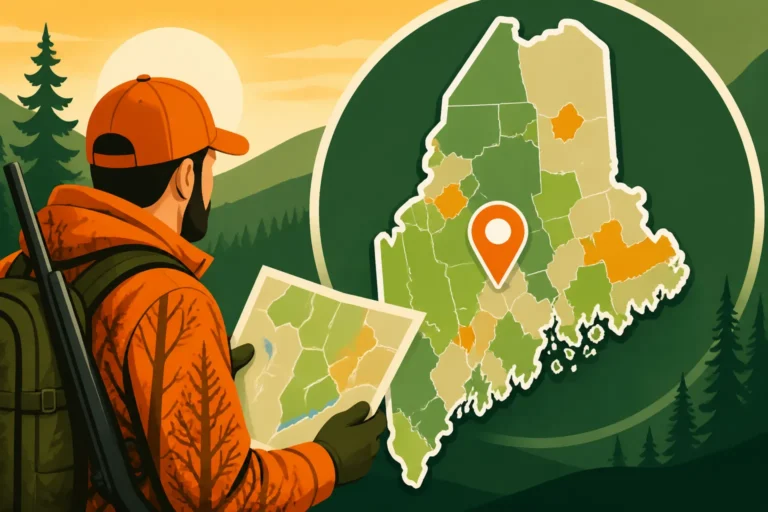
The best starting point for finding Maine's WMAs is always the official MDIFW website. They typically have a dedicated section listing all WMAs, often with interactive maps or downloadable PDFs. These maps are invaluable as they show not just the general location, but often the specific boundaries, parking areas, and sometimes even internal trails or habitat features. Don't rely solely on general online map searches, as private lands can look similar to public ones from a satellite view.
Once you have a list of potential WMAs, consider their proximity to your home or hunting camp, the types of game you’re interested in, and the specific habitat types present. For example, if you're keen on chasing White-Tailed Deer Across Maine, you'll want to prioritize WMAs known for good deer habitat and perhaps some of the larger, more contiguous forest blocks. If it's waterfowl, look for the coastal or inland wetland WMAs.
Understanding WMA Boundaries and Access Points
This is where things can get a little tricky, and where good planning pays off. WMAs can abut private land, and respecting those boundaries is paramount. While some WMAs have clearly marked entrance signs and obvious parking lots, others might have more subtle access points, perhaps a small pull-off on a dirt road that isn’t immediately obvious. Make sure you know exactly where the WMA begins and ends.
Using a GPS unit or a smartphone app with reliable mapping capabilities is almost essential. Applications like onX Hunt are fantastic for this, as they layer property ownership data over topographical and aerial maps. You can clearly see WMA boundaries, public access points, and even track your movements within the area. This kind of technology takes the guesswork out of "am I on public land?" and lets you focus on the hunt. For scouting, even Scouting With the Maine Hunting App can provide useful preliminary information.
Leveraging Technology for WMA Scouting
In today's hunting world, technology is your best friend for WMA success. Beyond knowing where the boundaries are, you can use digital tools to virtually scout an area before ever stepping foot in it. Aerial imagery, available on many mapping apps, allows you to identify potential bedding areas, travel corridors, water sources, and food plots or mast crops within the WMA. Reading Aerial Photos for North Woods Deer can save you countless hours of walking.
For instance, looking at a WMA on GoHunt or onX Hunt, you can spot old logging roads, clear-cuts regenerating with thick cover, or the edges of beaver flowages. These are all potential hotspots for game. You can mark waypoints for future reference, plan your entry and exit routes, and identify potential funnels or pinch points. This digital reconnaissance gives you a significant advantage, allowing you to focus your precious on-the-ground scouting time on verifying sign and understanding current conditions, rather than just figuring out the lay of the land.
Effective Hunting Strategies for Popular WMA Game
WMAs are designed to hold game, but successfully harvesting animals there often requires a bit more savvy than hunting private, unpressured land. Understanding the typical behavior of different species within these publicly hunted areas is key.
Whitetail Deer Hunting in WMAs
Deer in WMAs, especially those closer to population centers, tend to be more wary and nocturnal than their private land counterparts. They’re accustomed to human presence and often have escape routes planned. For success, focus on areas away from easy access points – often, a quarter-mile walk into a WMA can put you in significantly less pressured territory. Look for dense cover, swamp edges, or regenerating clear-cuts where deer feel safe. These areas provide both bedding and browse, making them prime spots.
Still-hunting slowly and quietly, especially during peak movement times like dawn and dusk, can be highly effective. If using a stand, set it up on a subtle travel corridor that might be overlooked, perhaps a bench on a ridge or a subtle dip in terrain. Scouting for fresh sign, like rubs, scrapes, and tracks, is more crucial here than ever. Pay attention to wind direction, thermals, and learn to adapt your approach. Hunting the Rut in Early November can provide some of the best opportunities, as bucks are more focused on breeding than human presence.
Turkey and Upland Bird Tactics
WMAs can be fantastic for wild turkeys, particularly in areas with a mosaic of open fields, mature hardwoods for roosting, and brushy edges for foraging. Like deer, WMA turkeys might be a bit more "educated." Calling aggressively might work on opening day, but as the season progresses, a more subtle approach often yields better results. Set up close to known roosting areas before first light, or try to locate a flock by listening for gobblers or yelps. Calling an Early May Gobbler Off the Roost is a classic, effective WMA tactic.
For upland birds like grouse and woodcock, WMAs with active timber management are goldmines. Look for young clear-cuts that are 5-15 years old, dense alder thickets along streams, or old apple orchards. These areas provide the dense cover and food sources these birds crave. Hunting with a good bird dog can dramatically increase your success, but even without one, systematically working these cover types, especially near field edges or old logging roads, can put birds in the air. Remember to check specific WMA rules on dog use, as some may have restrictions during certain times of the year to protect other wildlife.
Waterfowl and Small Game Opportunities
Many WMAs are specifically managed for waterfowl, featuring impoundments, managed marshes, and access to coastal waters. These can offer outstanding opportunities for ducks and geese. Scouting is essential to identify active flight paths and feeding areas. Setting up decoys and using calls effectively can draw birds in, but remember that WMA waterfowl can also be heavily pressured, so concealment is paramount. Look for less obvious spots that other hunters might overlook.
Small game, such as snowshoe hare and squirrels, are also abundant in many WMAs. Hare often favor dense conifer thickets, regenerating clear-cuts, and swamps, while squirrels are found in mast-producing hardwood forests. Hunting hare with beagles is a time-honored tradition and incredibly effective in areas with good populations. For squirrels, simply walking quietly through oak and beech stands, especially in the early morning, can yield a successful hunt. These smaller game species offer a relaxed, fun hunting experience, and WMAs often have robust populations.
Maximizing Your Success in a WMA Setting
Hunting on public land, especially a WMA, often requires a bit more effort and strategic thinking than hunting private, unpressured ground. But with the right approach, you can have incredibly rewarding experiences.
Pre-Season Scouting and Habitat Reading
I cannot stress this enough: pre-season scouting is paramount for WMA success. Don't just show up on opening day expecting to find game. Spend time in the off-season, without your hunting gear, walking the WMA. Look for deer trails, rubs, scrapes, bedding areas, and water sources. Identify natural funnels created by terrain or vegetation changes. If you're hunting birds, locate those dense coverts or active feeding areas. Pay attention to what's growing; are there oak trees for acorns, or apple trees holding fruit? Hunting After a Poor Acorn Year will require a different strategy than a good one.
This is where your digital tools like onX Hunt truly shine. Use them to mark potential hotspots and then verify them on the ground. Understand how deer will move through the WMA, where they'll feel safe, and where they'll feed. Observe how other hunters might access the area and look for ways to get off the beaten path. The more intimate you are with the WMA before the season, the better your chances will be when it counts.
Essential Gear and Preparedness
Because you’re often walking further into WMAs, and potentially facing other hunters, a few gear considerations are important. First, always wear adequate Maine Blaze Orange Requirements during the firearms seasons, even if you think you’re alone. Safety is always number one. Beyond that, comfortable, quiet footwear is crucial for covering ground. A quality backpack to carry layers, water, snacks, and any game you might harvest is essential.
Think about scent control if you're deer hunting, as deer in high-pressure areas are quick to pick up on human odor. A good pair of binoculars can help you spot game at a distance or identify other hunters. And, of course, your mapping app or GPS device should always be fully charged and backed up with a paper map and compass. Don't assume cell service will be available deep in every WMA.
Dealing with Hunting Pressure
Let's be realistic: WMAs are popular, and you will encounter other hunters. This can be a frustration, but it's part of the public land experience. The key is to anticipate it and adapt. The easiest way to escape pressure is to walk further. Most hunters stick close to roads and parking areas. If you're willing to hike a mile or more, you'll often find significantly less competition.
Another strategy is to hunt during weekdays when many people are working, or during inclement weather when fewer hunters are out. Consider hunting mid-day; while traditional wisdom says early morning and late evening are best, pressured deer sometimes move during the quiet midday hours if they feel undisturbed. Don't be afraid to try different areas within the WMA, or even switch WMAs if one feels too crowded. Flexibility is your friend.
Common Challenges and Solutions for WMA Hunters
Hunting on a Wildlife Management Area isn't always a walk in the park. Like any hunting scenario, there are challenges, but understanding them and having strategies to overcome them can turn a potentially frustrating day into a successful one.
Overcoming Crowds and Competition
The biggest and most often cited frustration with WMAs is the potential for crowds. You head out, full of optimism, only to find three other trucks in the parking lot or hear shots ringing out in multiple directions. It's easy to feel defeated, but don't give up! The solution often lies in your boots and your brain.
Firstly, as mentioned, walk further. The vast majority of hunters don't venture more than a quarter to a half-mile from their vehicle. If you're willing to put in the effort to hike a mile or two, you'll often find yourself in solitude, with unpressured animals. Secondly, hunt smart. Instead of following the most obvious trails, look for less-traveled routes, subtle deer paths, or even bushwhack through thick cover that others avoid. These "hard to get to" spots are precisely where pressured game will seek refuge. Thirdly, time your hunt. Hunting mid-week or during less-than-ideal weather (light rain, cold temperatures) can significantly reduce competition. Sometimes, the most uncomfortable days for hunters are the most productive for those willing to brave them.
Adapting to Diverse Terrain and Cover
Maine's WMAs can present a variety of terrain challenges. You might encounter dense spruce thickets that are nearly impenetrable, vast cedar swamps where every step sinks into muck, or rocky, uneven ground on a hillside. This isn’t manicured land; it’s wild, and that’s part of its appeal and challenge.
To adapt, be prepared with the right gear. Waterproof boots are essential, especially in Maine's often-wet woods. Consider gaiters for slogging through snow or thick brush. If the cover is extremely dense, you might need to adjust your hunting style from still-hunting to setting up and waiting, as moving quietly through some areas is impossible. A good pair of binoculars can help you scan ahead in open timber, while in thick stuff, focusing on smaller "shooting lanes" is key. When in doubt, slow down and observe. The game lives in this cover, so learn to read it as they do.
The Importance of Flexibility and Persistence
Sometimes, despite all your planning and scouting, your initial spot just isn't working out. Maybe the game isn't there, or perhaps the pressure is higher than you anticipated. This is where flexibility becomes your greatest asset. Don't be afraid to change your plan mid-hunt. If one area is quiet, pick up and move to another part of the WMA, or even drive to a different WMA entirely if you have others scouted.
Persistence is equally vital. Hunting, especially public land hunting, is rarely a guarantee. There will be slow days, frustrating days, and days when you feel like you're doing everything wrong. But the hunters who consistently find success are those who keep showing up, keep learning, and keep trying new strategies. Every outing, even an unsuccessful one, is a learning experience that builds your knowledge base for future hunts. Embrace the grind, and eventually, the rewards will come.
The Future of Maine's WMAs and Conservation
Maine's Wildlife Management Areas are more than just hunting grounds; they are vital components of the state's broader conservation efforts. Their continued existence and health depend on ongoing investment, smart management, and the active participation of hunters and conservationists.
Funding and Ongoing Management Efforts
The maintenance and expansion of Maine's WMAs are not cheap. They require continuous funding for land acquisition, habitat restoration, infrastructure upkeep (like roads and parking areas), and personnel to manage them. A significant portion of this funding comes directly from hunters through the purchase of Maine Hunting Licenses and What They Cost, federal excise taxes on firearms, ammunition, and archery equipment (via the Pittman-Robertson Act), and other conservation-related revenues. This makes hunters direct funders and beneficiaries of the WMA system.
The MDIFW biologists and land managers responsible for these areas are constantly working. This might involve carefully planned timber harvests to create young forest habitat, managing water levels in impoundments for waterfowl, or planting food plots to supplement natural forage. It's a dynamic process, always adapting to ecological needs and human demands, ensuring these areas remain productive for wildlife and accessible for recreation.
Conservation Partnerships and Habitat Improvement
Many WMAs benefit from partnerships with various conservation organizations, local land trusts, and even private landowners. These collaborations can pool resources, expertise, and labor to achieve larger conservation goals than any single entity could accomplish alone. For example, a partnership might secure additional land adjacent to a WMA, expanding critical habitat, or fund a specific project like invasive species removal or wetland enhancement.
These habitat improvement efforts are crucial for maintaining healthy game populations and supporting biodiversity. When WMAs thrive, so do the species that rely on them. Hunters, through their financial contributions and volunteer efforts, play a pivotal role in these partnerships, demonstrating that hunting is inextricably linked to conservation. By supporting organizations involved in habitat work, hunters directly contribute to the future of these precious areas.
The Role of Hunters in WMA Preservation
Ultimately, the future of Maine’s WMAs rests heavily on the shoulders of the hunting community. Our actions, both individually and collectively, shape public perception and influence policy decisions. By being responsible, ethical, and respectful users of WMAs, we demonstrate the value of these lands and the importance of hunting as a conservation tool.
This means more than just following the rules; it means being advocates for WMAs. Speak up for funding, participate in volunteer days, and educate others about the benefits of these areas. Support organizations that work to protect and expand public hunting access. The more we engage and act as stewards, the stronger the WMA system will be, ensuring that future generations can continue to enjoy the wild traditions of hunting in Maine. Remember, these lands are a legacy, and it's up to all of us to preserve them.
Disclaimer
This article is for general informational purposes only and does not constitute professional advice. Laws, prices and regulations vary by location and change over time. Consult a qualified professional for guidance on your specific situation.