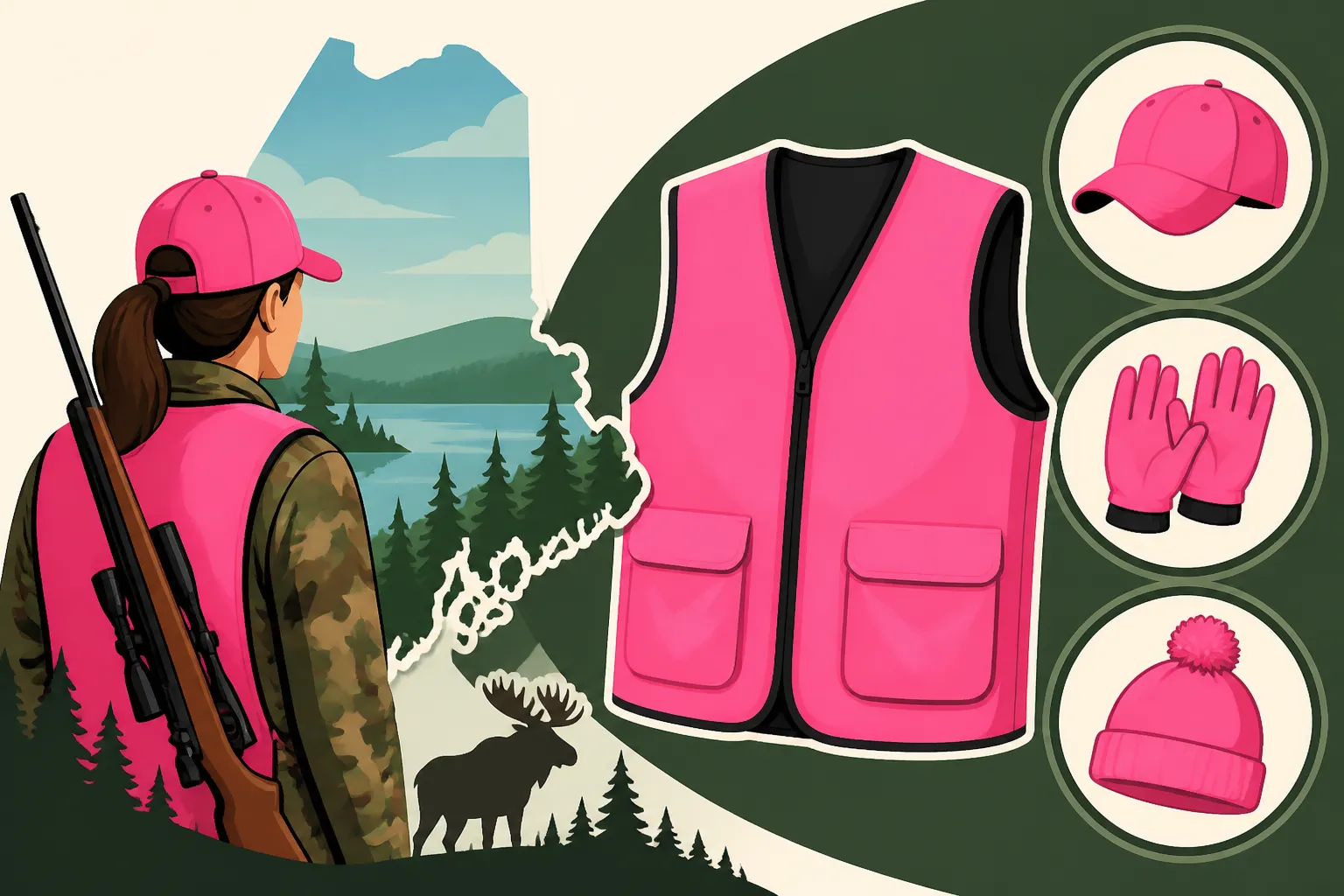
Blaze Pink Options Under Maine Law
The chilly air of a Maine fall hunting season can bring a mix of excitement and anxiety, especially when you're trying to make sure you're not just safe, but also legal, in the woods. For years, the bright splash of blaze orange was the undisputed king of hunter safety gear, but times are changing, and with it, Maine's regulations. If you've ever wondered about adding a little pink to your hunting wardrobe while still adhering to the law, this guide will walk you through everything you need to know about blaze pink options under Maine law.
The Evolution of Hunter Safety Clothing and Emerging Alternatives
For generations of hunters, the sight of blaze orange has been synonymous with safety in the woods. It’s a color that screams "I'm here!" to other humans, a vital protection against tragic accidents. But like many traditions, even the most established ones can evolve, and the conversation around hunter visibility is no exception.
The Importance of High-Visibility Clothing for Hunter Safety
Think back to your first hunter safety course, or perhaps even a memory of a parent or grandparent meticulously laying out their fluorescent orange vest and hat before heading out. The emphasis on blaze orange has always been paramount, and for good reason. Before mandatory high-visibility clothing, hunting accidents involving mistaken identity were far more common. The human eye, especially in varied forest light, is incredibly adept at picking out this specific shade of orange, even when deer or moose might blend into the background.
The science behind blaze orange is pretty straightforward: it's a color that stands out sharply against natural woodland hues like greens, browns, and grays. It doesn't occur naturally in the Maine woods in any significant, widespread way, making it an excellent signal. This isn't just about making a fashion statement; it's about minimizing the risk of a fellow hunter mistaking movement for game. Most states, including Maine, mandate a minimum amount of blaze orange to be worn, typically during firearms seasons, because it dramatically reduces the chances of a deer hunter accidentally shooting another person. It's a simple, effective tool in the hunter's safety arsenal, one that has saved countless lives and made our collective time in the field much safer.
Challenging the Traditional Orange and Exploring Alternatives
Despite its proven track record, discussions about high-visibility alternatives to blaze orange have been simmering for a while. Part of this stems from a desire to make hunting more appealing and inclusive for a wider demographic, particularly women, who might find the traditional orange less aesthetically pleasing or struggle to find gear in their size. Some also felt that having another option could simply increase participation without compromising safety. It's easy to think, "Is this really going to make a difference?" especially when we've all grown up with blaze orange being the undisputed king of safety colors.
The push for blaze pink wasn't just about fashion, though. Studies were conducted, often spearheaded by university researchers, to assess the effectiveness of fluorescent pink compared to fluorescent orange. These studies generally aimed to determine if blaze pink offered similar or even superior visibility to the human eye, particularly in diverse light conditions and against various natural backgrounds. The consensus from many of these examinations was that fluorescent pink, when properly formulated and of a similar intensity, performed just as well as, if not better than, blaze orange in terms of human perception. Critically, because deer are largely red-green colorblind, they perceive both blaze orange and blaze pink as shades of grey or yellow, meaning neither color gives a hunter away more than the other to the game animal. This scientific backing provided the necessary foundation for states like Maine to consider, and eventually adopt, blaze pink into their legal frameworks.
Maine's Blaze Pink Law: What You Need to Know
For years, if you were hunting during a firearms season in Maine, your options for high-visibility gear were simple: blaze orange, and more blaze orange. But in a move that recognized both safety science and changing demographics within the hunting community, Maine joined a growing number of states in legalizing blaze pink. This decision wasn't made lightly and came with specific stipulations to ensure safety remained paramount.
The Specifics of Maine's Legislation
Maine's journey to embrace blaze pink began with legislative discussions aimed at providing hunters with more choices without compromising safety. The law officially came into effect, allowing hunters to wear fluorescent pink as an alternative to blaze orange during designated hunting seasons. This means that during the general firearms deer season, or any other season where high-visibility clothing is mandated, you now have two legal color choices.
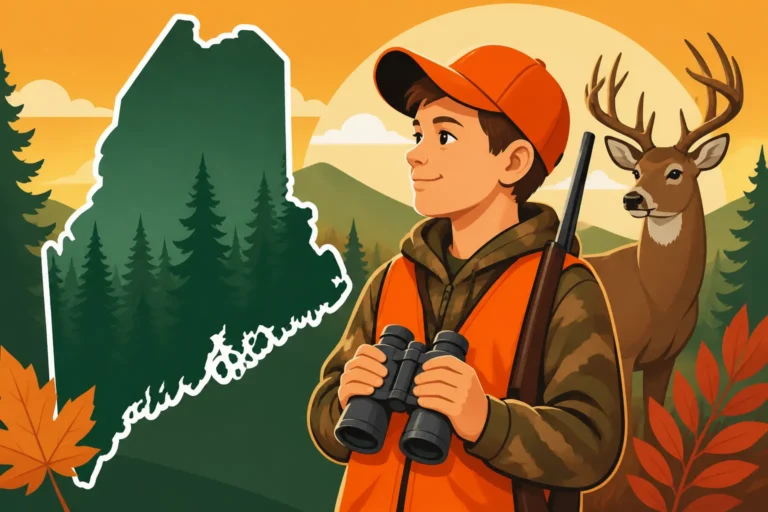
The key to understanding Maine's law is that the requirements for blaze pink mirror those for blaze orange. This isn't just about wearing any shade of pink; it must be fluorescent pink. Just like with blaze orange, the material needs to be a solid, highly visible color that stands out. The law specifies that hunters must wear at least two articles of solid, hunter orange or fluorescent pink clothing. This typically includes a hat and an outer garment, such as a jacket, vest, or rain gear. The critical part is that at least 50% of the visible portion of these articles of clothing must be blaze orange or fluorescent pink. This isn't an "either/or" situation for the entire outfit; you can mix and match. For example, a hunter could wear a blaze orange hat and a fluorescent pink vest, or vice versa, as long as the surface area requirements are met. It's designed for flexibility while maintaining the critical safety component. For the most up-to-date and granular details on what constitutes legal requirements, it's always best to check the official Maine Department of Inland Fisheries & Wildlife (MDIFW) regulations or use a resource like the GoHunt app which often provides easy access to state-specific hunting laws.
Practical Considerations for Hunters Choosing Blaze Pink
So, you're considering making the switch, or at least adding some blaze pink to your gear bag. What are the practical realities of hunting in fluorescent pink in the Maine woods? One of the biggest questions that comes up is visibility in different lighting conditions. Fluorescent colors, by their nature, are designed to pop, and blaze pink holds up remarkably well in various light. On a bright, sunny day, it's unmistakable. Even under overcast skies, or during the dim light of dawn and dusk when deer are most active, fluorescent pink maintains its distinctiveness, just as blaze orange does. This makes it a viable, safe option for all legal hunting hours.
Another common concern revolves around whether game animals can see blaze pink differently than blaze orange. This is a crucial point, and the science is reassuring. Deer and other cervids, such as moose, are red-green colorblind. This means they don't perceive the vibrant reds, oranges, or pinks that we do. To a deer, both blaze orange and fluorescent pink appear as shades of yellow or gray, indistinguishable from each other and similar to other natural colors in the environment. So, wearing blaze pink won't make you any more or less visible to a wary buck than wearing blaze orange. The choice truly comes down to human safety and personal preference.
When it comes to gear, the market is catching up. While blaze orange gear still dominates, more companies are now offering fluorescent pink options, especially in women's hunting apparel lines. You can find everything from vests and hats to full jackets and even rain gear in blaze pink. Brands like Sitka Gear, DSG Outerwear, and other popular hunting apparel manufacturers are expanding their lines to include these options. Before you head out, make sure any blaze pink gear you purchase explicitly states it meets hunter safety fluorescent standards. This ensures it's not just a regular pink, but the high-visibility kind required by law. Keeping an eye on what's available through retailers or even checking your GoHunt gear recommendations can help you find compliant options quickly and easily.
Making the Choice: Blaze Pink or Blaze Orange?
Now that Maine law provides options, the decision of whether to wear blaze pink or stick with traditional blaze orange might feel like a new consideration. Both colors are proven to enhance hunter safety, but understanding their nuances can help you make an informed choice that aligns with your personal preferences and hunting style.
Pros and Cons of Each High-Visibility Color
When it comes down to it, both blaze orange and blaze pink serve the same critical purpose: making you highly visible to other human hunters in the field. But let's break down some of the finer points that might sway your decision.
Blaze Orange:
- Pros: It's the classic, universally recognized safety color in hunting. Its effectiveness is long-established and deeply ingrained in hunting culture and regulations across North America. It stands out incredibly well against natural backgrounds and in most lighting conditions.
- Cons: For some, it might feel a bit dated or less "fashionable," especially for new or younger hunters looking for modern gear. Availability can sometimes be overwhelming, making it hard to find specific styles or fits.
Blaze Pink:
- Pros: Offers a fresh, modern alternative that can appeal to a broader demographic, potentially encouraging more women and youth to participate in hunting. Scientifically, it's just as effective as blaze orange in terms of human visibility and animal perception. It's a way to stand out subtly within the hunting community while still adhering to strict safety standards.
- Cons: It's newer, so the variety of gear options might still be slightly less extensive than blaze orange, though this is rapidly changing. Some traditionalists might initially be skeptical, but this usually fades with understanding of the science.
Here's a quick comparison to help you visualize the choices:
| Feature | Blaze Orange | Blaze Pink |
|---|---|---|
| Human Visibility | Excellent in most conditions, widely recognized | Excellent in most conditions, equally effective |
| Animal Perception | Appears as shades of gray/yellow to deer/moose | Appears as shades of gray/yellow to deer/moose |
| Regulatory Status | Universally accepted, long-standing mandate | Legal in Maine and growing number of other states |
| Gear Availability | Very wide range of products, well-established | Growing rapidly, more options in modern hunting apparel |
| Cultural Association | Traditional, classic hunter safety | Modern, inclusive, appealing to new demographics |
| Personal Preference | Preferred by traditionalists | Preferred by those seeking an alternative or modern look |
Ultimately, the choice between blaze pink and blaze orange is a personal one for Maine hunters, supported by the law and backed by science. Both will keep you safe and compliant.
Staying Compliant and Safe in the Field
Regardless of whether you choose blaze pink or blaze orange, the most critical aspect is compliance with Maine's regulations and a steadfast commitment to safety. Laws can and do change, so it's imperative to always check the most current Maine hunting rules before each season. A simple visit to the MDIFW website or consulting your GoHunt app will provide the latest information on Maine Blaze Orange Requirements and specific dates for Maine Firearms Season Dates. This due diligence ensures you're never caught off guard.
Remember, the goal of high-visibility clothing isn't to look a certain way, but to prevent accidents. Even with the best gear, vigilance and common sense are your most important tools. Always identify your target positively, be aware of what lies beyond, and assume any movement in the woods could be another hunter. The legal requirement isn't just about wearing a color; it's about wearing enough of it. Make sure your blaze orange or fluorescent pink covers the mandated surface area, especially on your outer garments and headwear.
Beyond the color, understanding specific regulations like How Much Blaze Orange Maine Requires or rules for specific hunting scenarios, such as Using a Ground Blind on Posted-Free Land, is vital for safe and ethical hunting. If you're a nonresident, make sure you understand the nuances of Maine Nonresident License Options which might also touch on specific gear requirements. By embracing these safety tenets, whether clad in vibrant orange or eye-catching pink, you're contributing to a safer, more enjoyable hunting experience for everyone in the beautiful Maine woods.
Disclaimer
The information provided in this article is for general guidance and informational purposes only, and does not constitute legal advice. Hunting regulations in Maine, including those pertaining to high-visibility clothing, can change. Always consult the most current official Maine Department of Inland Fisheries & Wildlife (MDIFW) regulations or contact MDIFW directly before engaging in any hunting activities to ensure full compliance with all applicable laws.