Maine Youth Deer Hunt Dates
It can be incredibly confusing to keep track of all the different hunting season dates here in Maine, especially when you're trying to figure out when the young hunters in your life can get out into the woods. Navigating the various permits, zones, and special seasons can feel like a full-time job. This guide is here to clear up that confusion, specifically laying out the dates for Maine's Youth Deer Hunt and everything you need to know to ensure a successful and safe experience for the next generation of hunters.
Understanding Maine's Youth Deer Hunting Opportunity
Maine’s youth deer hunt isn't just another weekend in the woods; it’s a carefully designed program to introduce young people to the traditions and responsibilities of hunting in a controlled and supportive environment. This special season offers a unique chance for youth to experience deer hunting before the general firearms season officially opens, often with less competition and more focused mentorship.
Why Youth Hunting Matters in Maine
The future of hunting depends on engaging the next generation, and here in Maine, we take that seriously. The youth deer hunt is a critical component of that effort. It’s designed to provide a positive, memorable first hunting experience, fostering an appreciation for wildlife, conservation, and the outdoors. Many of us remember our first deer hunt, the crisp air, the excitement, the quiet anticipation – and these memories often begin with a patient mentor by our side. This special season allows young hunters, under the direct supervision of an experienced adult, to gain valuable hands-on experience without the pressure of a crowded opening day. It’s an investment in the long-term health of our hunting heritage and ensures that the skills, ethics, and respect for nature continue to be passed down.
It also serves a practical purpose in wildlife management. By giving youth an early opportunity, it can help manage deer populations effectively, especially in areas where herd reduction is beneficial. It’s a win-win: cultivating new hunters while also contributing to healthy deer numbers across the state.
Eligibility Requirements for Young Hunters
Before a young hunter can even think about heading out, they need to meet specific eligibility criteria set by the Maine Department of Inland Fisheries and Wildlife (MDIFW). It’s not just about age; there are a few key boxes to check to ensure everyone's safety and compliance with state law.
First and foremost, the youth must be 10 to 16 years of age. If a young person turns 17 during the hunting season, they are no longer eligible for the youth hunt, even if they were 16 when they purchased their license. This age range is pretty strict, so make sure your young hunter falls squarely within it.
Next, they must possess a valid junior hunting license. This isn't just a formality; it ensures they're properly registered with the state. Along with this, they must have successfully completed a state-approved hunter education course. This is absolutely non-negotiable for anyone hunting in Maine, regardless of age, unless they are participating in the Maine Mentored Youth Hunting Rules program, which has its own specific guidelines. For the youth deer hunt, completing the full course is generally expected. You can find information on upcoming courses through the MDIFW website or by checking with local sporting goods stores.
Finally, and perhaps most importantly, the youth must be accompanied by a licensed adult 18 years of age or older. This adult cannot carry a firearm or bow, nor can they possess a valid deer permit during the youth hunt weekend. Their sole purpose is to mentor and supervise the young hunter. This means no "piggybacking" a hunt for yourself while ostensibly supervising a youth. The adult mentor's role is purely instructional and supervisory, ensuring safety and ethical hunting practices are followed every step of the way.
Specific Dates for Maine's Youth Deer Hunt
Getting the dates right is crucial. Missing the window means missing the opportunity, and nobody wants that. Maine’s youth deer hunt is a limited, special opportunity, so mark your calendars carefully!
Key Dates to Mark on Your Calendar
Historically, Maine's Youth Deer Hunt typically falls on the Saturday before the official opening of the general firearms deer season for residents. For example, the 2023 Youth Deer Hunt was held on Saturday, October 21, 2023. While exact dates can shift slightly year-to-year based on the calendar, this pattern is quite reliable. You can always confirm the most current year's dates by checking the official MDIFW hunting law book or their website as the seasons approach. Tools like GoHunt often update their online calendars and regulations sections promptly once the state finalizes dates, making it a convenient way to stay current.
It’s a one-day event for the youth deer hunt, offering a concentrated opportunity for young hunters and their mentors to get out and enjoy the experience before the woods become busier. This single day is designed to maximize the learning and bonding experience in a less crowded environment.
How These Dates Fit into the Overall Season
The placement of the Youth Deer Hunt is quite strategic. By scheduling it the Saturday before the main firearms season, it serves as a soft opening, gradually increasing hunting pressure. This allows young hunters to have a unique window where deer may be less pressured and more predictable in their movements.
Here’s how it generally breaks down in the broader context of Maine's deer seasons:
- Expanded Archery Season: This often begins in early September in certain Hunting Maine's Expanded Archery Zones and runs through December, overlapping with other seasons.
- Regular Archery Season: This typically opens later in September and usually closes the day before the Youth Deer Hunt. You can find specifics on When Maine's Archery Season Opens.
- Youth Deer Hunt: This single Saturday, usually in late October.
- Resident-Only Firearms Day: Following the Youth Hunt, often the next Saturday, is a special opening day for Maine residents only, known as the Hunting the Maine Resident-Only Day.
- General Firearms Season: The main event, Maine's Four-Week Firearms Deer Season, then opens on the following Monday and runs for four consecutive weeks, typically ending in late November.
- Muzzleloader Season: This is usually the last deer season, extending into December in certain Which WMDs Get Extended Muzzleloader Season.
As you can see, the Youth Deer Hunt kicks off the firearms portion of the deer season, giving young hunters a priority slot. It's an exciting time, signaling the true beginning of fall deer hunting in the Pine Tree State.
Preparing for a Successful Youth Deer Hunt
A successful youth deer hunt isn’t just about harvesting a deer; it’s about the entire experience – the preparation, the time spent together in the woods, and the lessons learned. Thoughtful preparation can make all the difference.
Essential Gear and Safety Considerations
When heading out with a young hunter, safety must always be the number one priority. This means not only having the right gear but also thoroughly understanding and practicing safe hunting habits.
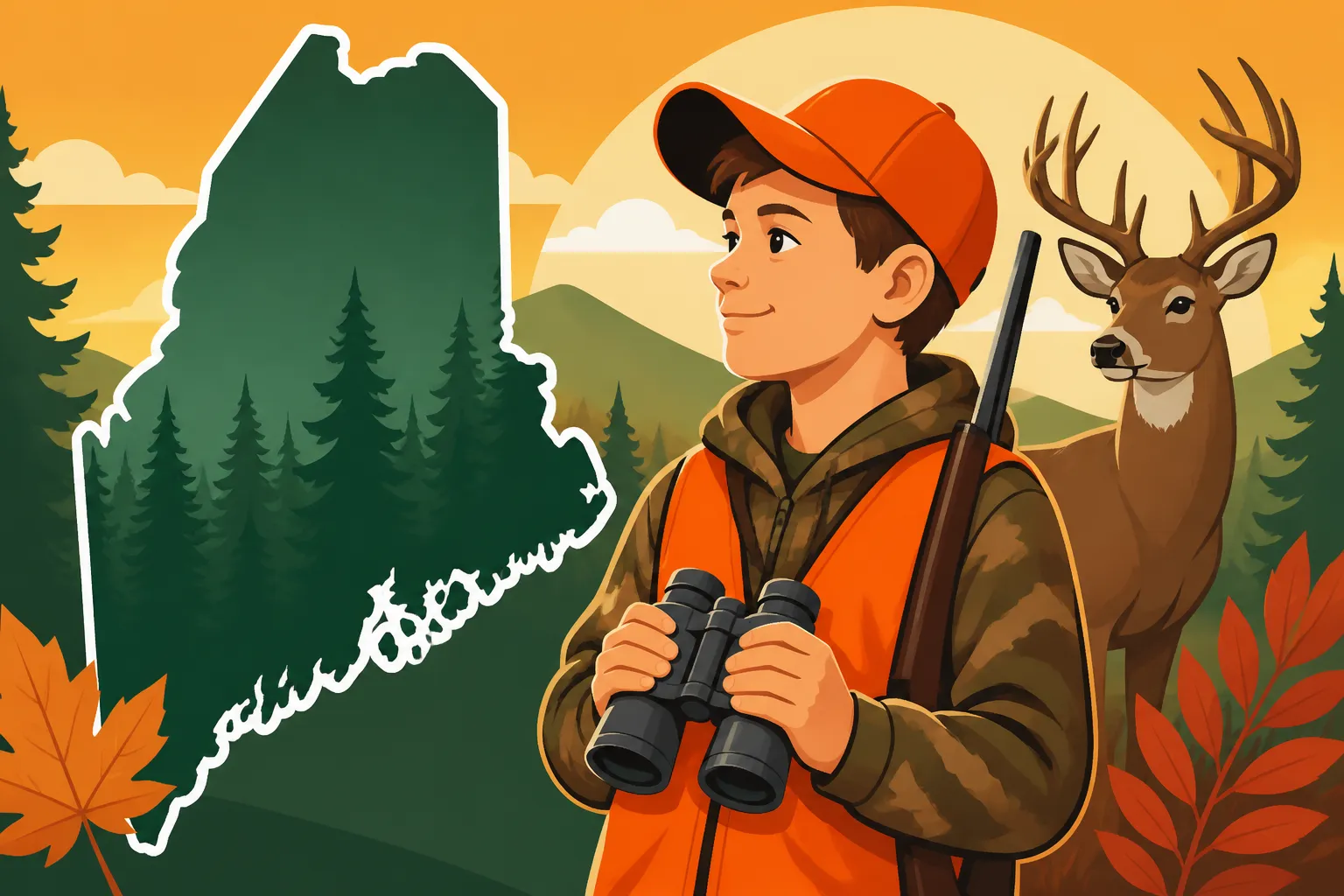
Clothing: Layers are key in Maine in late October. The mornings can be frosty, but midday can warm up. Think moisture-wicking base layers, insulating mid-layers, and a waterproof/windproof outer shell. And, of course, the law requires hunters to wear blaze orange. For youth hunters, this is even more critical. They need to wear at least two articles of solid blaze orange clothing that are readily visible from all sides. A blaze orange hat and vest are standard, but consider a full blaze orange jacket for maximum visibility.
Firearm: The firearm should be appropriate for the young hunter’s size and skill level. A smaller caliber, like a .243 or 7mm-08, can be a great choice for deer, offering manageable recoil while still delivering enough power. Ensure the rifle fits them properly; a stock that is too long or heavy can make shooting accurately difficult and uncomfortable. Practice, practice, practice at the range beforehand until they are confident and consistent. The adult mentor should always handle loading and unloading the firearm until the youth is fully competent and under direct supervision.
Safety Gear: Beyond blaze orange, consider ear protection (especially at the range, but also in the field if shooting), and eye protection. A first-aid kit, whistle, compass or GPS (many hunters use apps like GoHunt for navigation and mapping property lines), and a headlamp are also non-negotiable for any hunting trip. Always assume you might be out longer than planned or that conditions could change.
The Ten Commandments of Firearm Safety should be reviewed and recited before every outing:
- Treat every firearm as if it's loaded.
- Always point the muzzle in a safe direction.
- Be sure of your target and what is beyond it.
- Keep your finger off the trigger until ready to shoot.
- Know your firearm and ammunition.
- Wear eye and ear protection.
- Never use alcohol or drugs before or while shooting.
- Store firearms securely, unloaded, and separate from ammunition.
- Inspect your firearm before shooting.
- Be aware of your surroundings.
Mentorship and Responsibilities
The adult mentor's role is paramount during the Youth Deer Hunt. This isn’t a solo endeavor for the young hunter; it's a shared experience where the mentor guides every step.
Direct Supervision: The adult must maintain direct visual and verbal contact with the youth at all times. This means walking together, sitting together, and constantly communicating. You are essentially their eyes, ears, and backup brain.
Ethical Hunting: This is your chance to instill core hunting ethics. Talk about fair chase, respecting the animal, making clean shots, and being persistent in blood trailing. Teach them to properly Blood Trailing After Dark in Maine if necessary, emphasizing the responsibility to recover every animal. Discuss shot placement and when not to take a shot, even if it’s tempting. The goal is a clean, ethical harvest, not just any harvest.
Post-Harvest Responsibilities: If the young hunter is successful, guide them through the process of field dressing, respectful handling of the animal, and eventually, Registering a Maine Deer Online. This complete experience, from the hunt to the table, is an invaluable part of becoming a responsible hunter. Talk about Deer Meat Yield From a Maine Buck and the nutritional value of wild game.
Remember, the emphasis is on the journey, the lessons, and the bond, not solely on the size of the deer. This is about shaping a responsible outdoors person, not just a deer shooter.
Licensing, Permits, and Regulations for Youth Hunters
Navigating the paperwork and specific rules can be daunting, but it's essential to ensure a legal and smooth hunt. Understanding what licenses and permits are required will save you headaches later.
Obtaining the Right Licenses
For a youth hunter to participate in Maine's special deer hunt, they need a Junior Hunting License. This is distinct from an adult license and comes with different age restrictions. These licenses can be purchased online through the MDIFW website, at most town offices, or at licensed agents like many sporting goods stores across the state. It's often helpful to use platforms like GoHunt which can sometimes guide you to local license agents or provide direct links to the state's online portal for convenience.
Before purchasing, ensure the youth has completed their hunter education course. Proof of completion is usually required. If you're looking for more general information on Maine Hunting Licenses and What They Cost, you'll find that the junior license is typically quite affordable, encouraging youth participation. It's always a good idea to purchase the license well in advance of the hunt to avoid any last-minute stress or technical glitches.
Antlerless Permits and Youth Hunters
Maine operates with an antlerless permit system, often referred to as "Any-Deer Permits," which regulates the harvest of antlerless deer in specific Wildlife Management Districts (WMDs). This system is crucial for managing deer populations, especially in southern and central Maine where deer numbers can be higher.
For the Youth Deer Hunt, things are a bit different. Youth hunters are generally allowed to harvest one deer of either sex (antlered or antlerless) without needing an antlerless permit during this special one-day season. This means that if a young hunter is successful, they don't have to worry about whether they are in an Which WMDs Allow Antlerless Without a Permit or not; their junior license covers one deer of either sex during this specific youth hunt period. This simplifies the process for youth and their mentors, removing one layer of complexity.
However, if they choose to hunt later in the general firearms season (assuming they are still within the eligible age range and possess a valid junior license that covers the general season), they would then be subject to the regular antlerless permit requirements for their specific WMD. So, for the dedicated youth hunt day, it's straightforward, but keep the general season rules in mind if they plan to extend their hunting efforts beyond that special Saturday. It’s always smart to consult the official Maine hunting regulations for the most up-to-date and specific WMD rules.
Maximizing the Youth Hunting Experience
Beyond just getting a deer, the youth hunt is about creating a positive and formative outdoor experience. Thinking about the broader picture can enrich the hunt for everyone involved.
Scouting and Preparation Together
The hunt truly begins long before opening day. Involving your young hunter in the scouting process is invaluable. This means heading out into the woods together in the weeks leading up to the hunt to look for deer sign. Teach them about rubs, scrapes, tracks, and bedding areas. Show them how to identify different types of trees and what kind of food sources deer might be utilizing in late October, such as acorns, apples, or browse in clear-cuts.
Using mapping tools, either physical paper maps or digital apps like GoHunt, can be a fantastic educational opportunity. Teach them how to read topo lines, identify features like ridges and drainages, and understand land ownership boundaries, especially when Scouting Maine Private Land Before Season. This hands-on experience builds their woodsmanship skills and fosters a deeper connection to the land.
Consider setting up a ground blind together. It could be a pop-up blind or simply brushing in a natural hide. This activity teaches patience and observation skills. Discuss wind direction and how deer use their sense of smell. Even if you don't see a deer during scouting, the time spent together in nature, observing, learning, and planning, is priceless.
Post-Hunt Traditions and Reflection
Whether successful or not, the post-hunt experience is just as important as the hunt itself. It’s a chance to reflect, celebrate, and solidify the lessons learned.
If a deer is harvested, involve the young hunter in every step of the process, from field dressing to transportation and registration. This is where they truly understand the responsibility and commitment that comes with hunting. Teach them how to properly care for the meat and respect the animal. Many Maine families have traditions around processing and cooking their venison, making it a truly farm-to-table (or woods-to-table) experience. This could involve learning Butchering a Deer at Camp or simply appreciating the meal.
If the hunt doesn't result in a harvest, emphasize that it’s still a success. Talk about what you observed, what you learned, and what you might do differently next time. Share stories of your own hunts where you didn't get a deer. Focus on the quality time spent together, the beautiful fall woods, the wildlife you did see (even if it wasn't a deer), and the memories made. This reinforces the idea that hunting is about much more than just pulling a trigger. It’s about building character, resilience, and a lifelong appreciation for the outdoors. Passing on Maine Deer Camp Traditions is part of this legacy, regardless of harvest success.
Maine Youth Deer Hunt Quick Reference
To help consolidate all this information, here’s a quick reference table for the Maine Youth Deer Hunt.
| Category | Details |
|---|---|
| Eligible Dates | Typically the Saturday before the opening of the general firearms deer season for residents. (e.g., October 21, 2023). Always confirm exact dates with official MDIFW regulations each year. |
| Eligibility | – Age: 10 to 16 years old. – License: Valid Maine Junior Hunting License. – Education: Completed state-approved Hunter Education Course (unless participating in a mentored youth program for their first license year). |
| Mentorship | – Must be accompanied by a licensed adult 18 years or older. – Adult cannot carry a firearm/bow or possess a deer permit during the youth hunt. – Adult must maintain direct visual and verbal contact at all times. |
| Bag Limit | One deer of either sex (antlered or antlerless). No separate antlerless permit required for the youth hunt day itself. |
| Legal Weapons | Standard legal hunting firearms for deer in Maine (e.g., shotgun, rifle, muzzleloader, handgun). Crossbows are permitted for eligible youth. |
| Blaze Orange | Youth hunters must wear at least two articles of solid blaze orange clothing (e.g., hat and vest/jacket) that are readily visible from all sides. |
| Purpose | To provide a safe, mentored, and less pressured hunting opportunity for youth, fostering hunter education, ethics, and conservation. |
| More Info | Consult the Maine Department of Inland Fisheries and Wildlife (MDIFW) official hunting law book or website for the most current regulations, WMD maps, and specific details. Utilize resources like GoHunt for up-to-date information and tools. |
Disclaimer
Please remember that hunting regulations, dates, and licensing requirements can change. While this guide provides comprehensive information based on current patterns, it is crucial to always consult the official Maine Department of Inland Fisheries and Wildlife (MDIFW) website or their most recent hunting law book before planning any hunt. This ensures you have the most up-to-date and accurate information to remain compliant with all state laws and regulations.