Booking a Sea Duck Charter Out of the Coast
Trying to hunt sea ducks along the rugged Maine coast can feel like an impossible task if you're not equipped for it. The ocean is a powerful, unforgiving beast, and simply showing up with your waders and a shotgun won't cut it for chasing fast-flying eiders, scoters, and long-tailed ducks in their element. This guide will walk you through everything you need to know about booking a sea duck charter in Maine, ensuring you have a safe, productive, and memorable hunt with experienced professionals.
Why a Sea Duck Charter is Your Best Bet for Coastal Maine
The allure of sea duck hunting in Maine is undeniable, with big, tough birds zipping over choppy waves, but the reality of doing it effectively and safely on your own is a whole different story. This isn't your typical marsh hunt from a shore blind. These birds live in a world of tides, currents, and unforgiving weather, a world best navigated by those who spend their lives on it.
Navigating Maine's Treacherous Coastal Waters
Maine's coastline is absolutely gorgeous, but it's also incredibly complex and dangerous for the uninitiated. Think jagged rocky ledges, hidden shoals, powerful tides that can strand you or sweep you away, and sudden shifts in weather that can turn a calm morning into a white-knuckle ride. Without intimate knowledge of the local waters, knowing where to safely anchor, how currents will affect your decoy spread, or even where the birds are likely to be flying given the day's conditions, you're not just at a disadvantage for hunting; you're putting yourself at significant risk. A seasoned Maine sea duck guide lives and breathes these waters, understanding the nuances of every cove, island, and tidal rip. They know how to read the sea, how to handle their vessel in rough conditions, and, most importantly, how to keep you safe while still getting you to the birds. It’s not just about the hunt; it’s about respecting the ocean.
Imagine waking up to a brisk northwesterly wind, feeling excited but also a little nervous about hitting the open water. A guide will already have a plan for finding sheltered yet productive waters, perhaps Decoying Eiders on a Falling Tide or setting up for Hunting Scoters From a Sea Duck Boat in a specific spot they know will hold birds with that wind. They'll have contingency plans for changing weather and will be constantly monitoring conditions to ensure everyone's comfort and safety. This peace of mind allows you to focus on the thrill of the hunt, rather than worrying about navigation or getting caught in a tricky situation.
Specialized Gear and Decoys You Won't Have
Sea duck hunting isn't like puddle duck hunting where a dozen plastic decoys might do the trick. We're talking about durable, oversized decoys designed to stand out in big water, often numbering in the dozens, sometimes hundreds, to create a convincing spread that pulls in distant birds. These aren't cheap, nor are they easy to store and deploy. Then there's the boat itself – a rugged, seaworthy vessel, often designed for open water with a stable platform for shooting. And don't forget specialized layout boats for certain types of hunting, which require another level of expertise to operate safely.
Most hunters don't have a dedicated sea duck rig, nor should they. The investment in boats, motors, navigation electronics, safety gear, and a massive spread of tough, heavy sea duck decoys is substantial. Guides have already made this investment, outfitting themselves with top-tier gear that can withstand the harsh saltwater environment and deliver results. They'll have custom-made decoy rigs, specialized anchors, and recovery systems that make deploying and retrieving these large spreads efficient. This means you, as a client, get to benefit from their extensive equipment without the headache or expense of owning it yourself. They handle the heavy lifting, literally, so you can enjoy the hunt.
Accessing Prime Sea Duck Habitat
While Maine boasts a long coastline, finding the best places to consistently encounter sea ducks isn't always obvious or accessible. Many of the prime feeding and resting grounds are far offshore, around remote islands, or near ledges that are challenging to navigate. These aren't places you can just drive to and walk in. Guides have spent years, even decades, scouting and learning these precise locations, understanding migratory patterns, and knowing where the birds are likely to be at different times of the season. They have developed relationships with local fishermen and other guides, gathering intel and staying current on bird movements.
Think about hunting a ledge for a morning sea duck flight—a guide knows exactly which ledges consistently hold birds, how the tide affects their approach, and where to set up for the best shooting lanes. This specialized knowledge is invaluable. Furthermore, some of the best hunting spots might be on private islands or leased coastal areas where public access is restricted. A reputable guide often has permission to hunt these exclusive locations, opening up opportunities you simply wouldn't have on your own. It's not just about knowing where the birds are, but how to legally and safely get to them and hunt them effectively.
Understanding Different Types of Maine Sea Duck Charters
Just as there are different ways to hunt deer in the woods, there are various approaches to sea duck hunting, and charters often specialize in one or two. Knowing these distinctions can help you pick the right experience for your preferences and hunting style.
Layout Boat Hunting Experiences
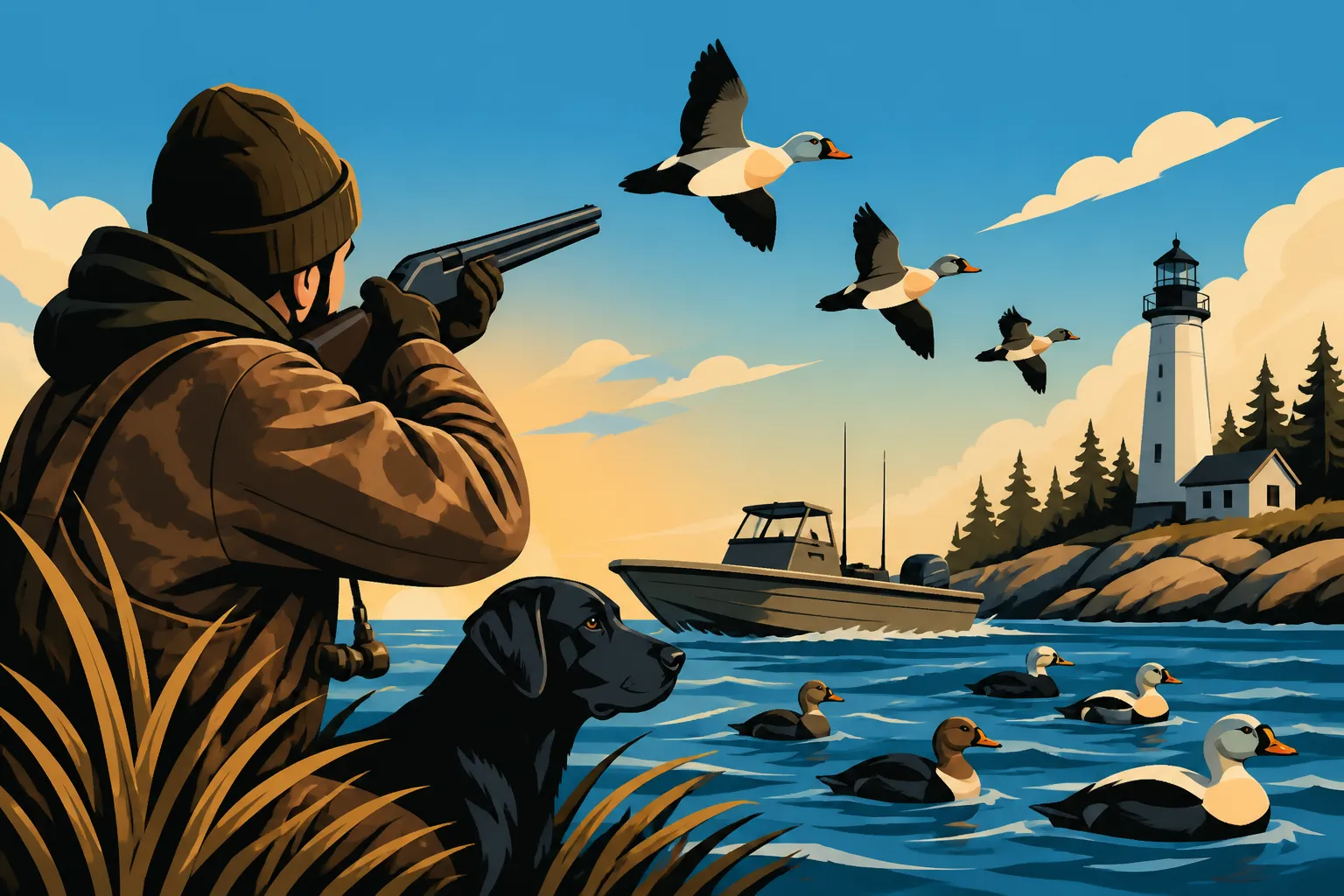
Layout boat hunting is perhaps the most iconic and thrilling way to hunt sea ducks, particularly for big, wary eiders and scoters. It involves placing one or more hunters in a small, low-profile boat that floats directly within a large decoy spread, usually far from any land. The idea is for the layout boat to be almost invisible on the water, blending seamlessly with the decoys. The guide typically operates a larger, more stable tender boat a safe distance away, ferrying hunters, decoys, and retrieving downed birds. This method puts you right in the heart of the action, with birds often decoying within mere yards.
This style of hunting is not for the faint of heart. You'll be lying down in an open boat, exposed to the elements, and it can be physically demanding. The water can be choppy, and the boat can rock quite a bit. However, the reward is incredible: close-range shooting at powerful sea ducks as they commit to your spread. It requires excellent boat handling skills from the guide, meticulous decoy placement, and a high degree of safety awareness. When you're considering a layout hunt, discuss the guide's experience with this specific method, their safety protocols, and what kind of conditions they deem acceptable for a layout spread. Many charters offering Hunting Scoters in Maine's Open Water or Decoying Eiders Off the Maine Coast will lean heavily on layout boat techniques.
Large Tender Boat and Blind Hunting
Another popular method involves hunting from a larger, more stable boat that is either anchored in a strategic location or "brushed in" to resemble a natural blind, often near ledges, islands, or along the shoreline. This method offers more comfort and stability than a layout boat, making it a good option for those who prefer a less physically demanding experience or for groups. The larger boat can accommodate more hunters and gear, and often provides some shelter from the wind and spray. The guide will still use a large spread of decoys, but hunters shoot from the relative comfort of the tender boat itself.
This approach is versatile and can be effective for all sea duck species, as well as some diver ducks that frequent coastal areas. It's often employed when conditions are too rough for layout boats, or when hunting areas where birds are moving along flight paths closer to shore. Guides will skillfully position the boat to maximize decoying opportunities, using natural features to break up the boat's outline. This is a fantastic option for families, hunters who might have mobility concerns, or those simply looking for a more relaxed, but still highly effective, sea duck hunting experience.
Combination Hunts: Ducks and Divers
Some Maine outfitters offer combination hunts, where you might target sea ducks in the morning and then switch gears to hunt puddle ducks or other diver species in more sheltered waters later in the day. This can be an excellent way to experience the diversity of waterfowl hunting that Maine has to offer. For instance, after a morning of intense eider action, you might head into a protected bay or a beaver flowage to hunt black ducks or mallards. This flexibility can be particularly appealing if weather conditions are variable, allowing the guide to adapt the hunt to the most productive and safest opportunities.
While a dedicated sea duck charter focuses solely on coastal birds, a combination hunt can provide a broader experience. Just be sure to clarify with your guide beforehand what species are targeted, what methods will be used for each, and what the daily bag limits are for the various waterfowl you might encounter. This might mean bringing different shotguns or ammunition suitable for different types of birds and hunting scenarios. Often, guides who offer this kind of flexibility are deeply experienced across many facets of Maine waterfowl hunting, making them a great resource for a comprehensive experience.
What to Expect from a Typical Maine Sea Duck Charter
Booking a charter isn't just about showing up and shooting. There's a whole process involved, from the initial contact to the final goodbye, and understanding each step will help you prepare and manage your expectations.
Pre-Hunt Communication and Preparation
Before you even step foot in Maine, good communication with your guide is paramount. They should be providing you with a detailed packing list, advising on appropriate clothing, discussing firearms and ammunition requirements, and confirming meeting times and locations. Don't hesitate to ask questions about anything you're unsure of, from what kind of breakfast might be provided (some guides offer it, some don't) to specific regulations like Maine Sea Duck Bag Limit or Maine Eider Daily Limit. If you're a first-timer, let them know! A good guide will be happy to walk you through the specifics.
Many hunters find guides through online platforms like BookYourHunt, which can provide initial contact and reviews. However, always follow up with a direct conversation or email exchange to iron out all the details. This is also the time to discuss any physical limitations or preferences you might have. Are you prone to seasickness? Do you have a specific species you're really hoping to target? The more information you share, the better your guide can tailor the experience. Confirm payment details, including deposits and the remaining balance, and understand their cancellation policy, especially regarding adverse weather. This pre-trip dialogue sets the stage for a smooth and enjoyable hunt.
A Day on the Water: Logistics and Safety
Your charter day will likely begin very early, often well before sunrise. You'll meet your guide at a designated boat launch or dock, where you'll load your gear onto their vessel. Safety briefings are standard and essential: pay close attention to instructions on where to sit, how to move about the boat, location of safety equipment, and what to do in an emergency. Remember, you're on their boat, and their word is law when it comes to safety.
Once on the water, the journey to the hunting grounds can be exhilarating, especially with the smell of salt and the rising sun over the Atlantic. Depending on the method, you'll either be deployed into a layout boat or positioned in the main tender. Then it's patience and anticipation as the birds start to fly. Your guide will call out incoming birds, give shooting instructions, and expertly handle the boat and decoys. They'll work hard to retrieve all downed birds, often with the help of a well-trained retrieve dog. Be prepared for cold, wet conditions, even if the forecast looks mild – the ocean environment is always colder and wetter than land. Breaks for snacks or coffee are usually welcome, and your guide will ensure you're as comfortable as possible while still focused on the hunt.
Post-Hunt Care and Bird Processing
After the shooting is done and all birds are retrieved, the hard work continues. Your guide will retrieve the decoy spread and make the journey back to shore. Upon returning, they'll typically help with offloading your gear and taking care of the birds. Most guides will assist with field dressing the birds, which means removing the entrails. Some may even offer plucking services, though this is often an additional cost or something you might do yourself back at your lodging.
It's important to understand state regulations regarding the transport of waterfowl, particularly the requirement to leave one wing attached to migratory birds until they reach their final destination for identification purposes. Your guide should be knowledgeable about this. Don't forget to properly tag your birds if required by Maine law. This is also the time for any payment of the remaining balance or a well-deserved tip for your guide. A good guide works incredibly hard, often starting hours before you arrive and finishing long after you leave, making sure you have a safe, successful, and fun experience.
Key Factors When Choosing a Maine Sea Duck Outfitter
With many guides offering charters, how do you pick the right one? It’s not just about who’s available, but who aligns with your expectations and provides a top-notch, safe experience.
Researching Reputable Guides and Their Experience
Choosing a guide is like choosing a trusted mechanic or a good doctor – you want someone with experience, a solid reputation, and the necessary credentials. Start by looking for guides who are What a Registered Maine Guide License Requires. This isn't just a piece of paper; it means they've passed rigorous exams on navigation, first aid, wildlife identification, and state regulations. Online platforms like BookYourHunt or GoHunt can be great starting points for finding guides, often including client reviews and information about their specific offerings. Don't stop there, though.
Seek out independent reviews on hunting forums, social media groups, and word-of-mouth recommendations. Ask guides for references from past clients, and actually follow up with them. Pay attention to how long they've been guiding sea ducks specifically. A guide who has been working the Maine coast for two decades will have an unparalleled understanding of the local waters and bird behavior compared to someone just starting out. Their experience translates directly into your safety and success.
Understanding Costs and What's Included
Charter costs can vary significantly based on the duration of the hunt, the number of hunters, the type of boat used, and the services included. Don't just look at the headline price; dig into the details. Will the guide provide ammunition? Are snacks and drinks included? Is bird processing part of the package or an extra fee? Does the price cover any required permits or licenses beyond your standard state hunting license? Clarity on these points upfront prevents unwelcome surprises later.
Typically, a Maine sea duck charter will cover the guide's expertise, the boat, fuel, decoys, and safety equipment. What it usually doesn't cover are your hunting licenses, federal and state duck stamps, shotgun and ammunition, personal clothing, and gratuities. Ask for a written agreement or a detailed breakdown of costs. If you are comparing guides, make sure you're comparing apples to apples in terms of what's included. Some guides might offer a slightly higher rate but include items that others charge extra for, ultimately offering better value. Understanding Average Cost of a Sea Duck Charter helps set a baseline for your budget.
| Service/Item | Typically Included | Often Extra/Hunter's Responsibility |
|---|---|---|
| Guide's expertise | ✅ | ❌ |
| Boat & Fuel | ✅ | ❌ |
| Decoys & Spreads | ✅ | ❌ |
| Safety Gear | ✅ | ❌ |
| Snacks/Drinks | Sometimes | ✅ (confirm with guide) |
| Ammunition | Rarely | ✅ |
| Licenses/Stamps | ❌ | ✅ |
| Shotgun | ❌ | ✅ |
| Clothing | ❌ | ✅ |
| Bird Processing | Field dressing only | ✅ (plucking/further processing) |
| Gratuity/Tip | ❌ | ✅ |
Asking the Right Questions Before You Book
Beyond costs and inclusions, a few key questions can reveal a lot about a guide and their operation. Ask about their typical success rates (while understanding that hunting is never a guarantee!), what methods they prefer, and what their plan B is if the weather turns sour or the birds aren't cooperating in a particular spot. Inquire about group size – some charters prefer smaller, more intimate groups, while others can accommodate larger parties.
It's also wise to ask about their specific experience with the species you're most interested in. If your heart is set on Hunting Long-Tailed Ducks Along the Coast, ensure your chosen guide frequently targets them. Understand their Weather Cancellations on a Sea Duck Charter policy. What happens if the weather is unfishable? Do you get a refund, or can you reschedule? A professional guide will have clear, fair policies for these situations. Also, ask about the boat itself – how old is it, how is it maintained, and is it equipped with modern electronics and safety gear? These questions demonstrate you're a serious client and help ensure you're making an informed decision.
Essential Gear and Preparations for Your Charter
The ocean environment demands specific gear. Showing up unprepared can make for a miserable, or even dangerous, experience. Pack smart, pack right.
Clothing for Harsh Coastal Weather
This is perhaps the most critical aspect of your personal preparation. Maine coastal weather is notoriously unpredictable and can change rapidly. Even on a seemingly mild day, the combination of wind, spray, and sitting still on the water can make you feel much colder than the air temperature suggests. Layering is key, and waterproof outer layers are non-negotiable. Start with moisture-wicking base layers (no cotton!), add insulating mid-layers like fleece or wool, and top it all off with a heavy-duty, breathable, waterproof and windproof jacket and pants.
Consider insulated, waterproof bibs or waders designed for cold weather if you plan on participating in decoy deployment or retrieval. Waterproof gloves, a warm hat that covers your ears, and waterproof, insulated boots are also essential. Remember, you can always shed layers if you get too warm, but you can't add what you didn't bring. Being cold and wet will not only make you uncomfortable but can distract you from the hunt and even pose a hypothermia risk. Your guide will likely advise you on what to wear, and it's always best to err on the side of bringing too many warm, waterproof layers.
Firearms, Ammunition, and Other Personal Items
For sea ducks, a 12-gauge shotgun is standard, capable of handling 3-inch or 3.5-inch magnum shells. Chokes typically range from modified to full, as these birds are tough and often shot at longer ranges, especially those like Maine Scoter Daily Limit or eiders. You'll need steel shot, as lead shot is illegal for waterfowl hunting. Size BB, B, or 2 shot are common choices for sea ducks due to their size and hardy nature. Bring plenty of ammunition – a typical sea duck hunt can burn through a box or more per person, depending on the action and your shooting prowess.
Beyond your firearm and ammo, remember personal items: a small backpack to keep essentials dry, sunscreen (even on cloudy days, UV rays reflect off the water), lip balm, any personal medications, snacks, and plenty of water. A thermos with hot coffee or tea can be a lifesaver on a frigid morning. Don't forget your camera to capture memories, but ensure it's either waterproof or stored in a dry bag. Good quality sunglasses are also essential for glare off the water.
Licenses, Stamps, and Documentation
This might seem obvious, but it's often overlooked in the excitement. Before you even think about booking, ensure you have all the necessary legal documentation. This includes your valid Maine hunting license, your federal duck stamp, and your state migratory bird permit (often called a HIP certification). If you're a nonresident, make sure you understand Maine Nonresident License Options and purchase the correct licenses and permits. You'll also need proof of hunter education if required.
Always carry these documents on your person, preferably in a waterproof pouch, and be ready to present them if asked by your guide or a warden. Check expiration dates well in advance of your trip. Many hunters purchase their licenses online through the Maine IFW portal, which is convenient. Ensure you carry proof of these licenses, whether it's a printed copy or on your phone, as Carrying Proof of License on Your Phone is generally accepted. Without the correct paperwork, your hunt simply cannot proceed, and no guide will risk their license by taking an improperly licensed hunter out.
Making the Most of Your Maine Sea Duck Adventure
A guided hunt is an investment, both financially and in your time. To get the most out of it, focus on the experience and your responsibilities as a client.
Respecting the Guide and Crew
Your guide is a professional, and their boat is their office. Treat both with the utmost respect. Follow instructions promptly and without argument, especially concerning safety. This includes staying seated when the boat is moving, handling firearms safely, and respecting their calls on when to shoot or when to hold fire. Understand that they are responsible for your safety and the success of the hunt. They are trying to put you on birds, and sometimes that means making decisions that might not immediately make sense to an inexperienced eye.
A positive attitude, even when the birds aren't flying thick, goes a long way. Hunting can be unpredictable, and guides can't control the weather or the birds' movements. Show appreciation for their hard work, from navigating the rough seas to deploying and retrieving hundreds of decoys. Tipping is customary and expected in the guiding industry; consider standard tip for a sea duck guide as a baseline, usually 15-20% of the trip cost, depending on the service.
Embracing the Challenge and the Experience
Sea duck hunting is often challenging. The birds are fast, tough, and the conditions can be demanding. Shots can be difficult, and you might miss more than you hit. Embrace this challenge! It's part of what makes sea duck hunting so rewarding. Don't get discouraged by a missed shot or a slow period. Instead, learn from your guide's expertise, observe the birds, and enjoy the unique coastal environment.
The sheer beauty of the Maine coast, the thrill of seeing a string of eiders commit to the decoys, and the camaraderie of the hunt are all part of the experience. Focus on making memories, taking in the spectacular scenery, and enjoying the thrill of chasing these magnificent birds in their wild habitat. It's more than just pulling a trigger; it's an immersive outdoor adventure.
Handling Your Harvest Responsibly
Once you've harvested birds, handling them responsibly is crucial. Your guide will assist with field dressing, but it's your responsibility to ensure the meat is properly cared for from there. Keep the birds cool, ideally on ice, to prevent spoilage. If you plan to take them home, consider packing them in coolers with ice or even flash-freezing them if your lodging allows. Many hunters also plan for taxidermy, especially for a prized eider or scoter drake. Discuss this with your guide, as they might have recommendations for local taxidermists or tips for preparing a bird for the freezer.
Remember to adhere to all tagging and transport regulations. The goal is to make the most of your harvest, whether it's for the table or for a trophy mount, honoring the birds and the experience. Donating venison, or in this case, waterfowl, to local food banks if you have more than you can use, is also a commendable option, although you'd need to check local regulations for donated game birds.
Disclaimer
This article is for general informational purposes only and does not constitute professional advice. Laws, prices and regulations vary by location and change over time. Consult a qualified professional for guidance on your specific situation.