What a Sporting Camp Package Includes
Stepping into the world of Maine hunting can feel like walking into a labyrinth of options, especially when you start looking at the revered sporting camps. Many folks dream of the quintessential North Woods experience, but get bogged down trying to figure out what’s actually included in a "package deal." You're wondering if you'll show up only to find a bare cabin and a bill for every breath you take. This guide is here to untangle the typical offerings, common exclusions, and crucial questions to ask so you can confidently book your next unforgettable Maine adventure.
The Allure of the Maine Sporting Camp Experience
There’s a certain magic that draws hunters, anglers, and nature lovers to Maine’s sporting camps. It’s more than just a place to sleep; it’s an institution, a tradition, and often, a doorway to parts of the state you might never experience otherwise. When you consider booking a sporting camp package, you’re not just paying for a roof over your head; you’re investing in a slice of Maine’s rich outdoor heritage.
More Than Just a Bed: History and Tradition
Maine sporting camps aren't a new phenomenon. They've been a cornerstone of the state's outdoor culture for over a century, evolving from rustic logging camps or remote fishing shacks into havens for those seeking immersion in the wild. Think crackling wood stoves, hearty conversation around a communal dining table, and stories shared over a cup of coffee at dawn. These camps often sit in prime hunting territory, passed down through generations, and are steeped in local lore and wisdom. They offer a sense of community that can be hard to find in today's fast-paced world, connecting you with fellow outdoor enthusiasts and the rugged spirit of Maine. Many of these camps are truly off the beaten path, providing a genuine escape from the hustle and bustle, where the loudest sounds you'll hear are the wind in the pines or a distant loon call.
This deep history means that many camp owners and guides possess an unparalleled understanding of the local landscape and wildlife, knowledge cultivated over decades. They know the old deer runs, the remote beaver flowages where ducks gather, and the specific cuts where a bull moose might be found. This historical context and deep connection to the land are often woven into the very fabric of the package, even if not explicitly listed, adding immeasurable value to your stay. You might find yourself learning about the history of the camp itself, the families who built it, and the changes the land has seen, enriching your overall experience far beyond just the hunt. You can really get a sense of this by looking at the details when researching Maine Sporting Camps Explained.
The Appeal of All-Inclusive Comfort in the Wild
For many, the biggest draw of a sporting camp package is the promise of convenience in an otherwise demanding environment. Imagine spending your days tracking a big buck or calling in a spring gobbler, and then returning to a warm, comfortable cabin with a hot meal waiting for you. That's the essence of the "all-inclusive" appeal. These packages are designed to take the logistical headaches out of your hunt, allowing you to focus purely on the experience itself. Instead of worrying about cooking, cleaning, or navigating unfamiliar terrain alone, you have experienced professionals handling the details.
This comfort extends beyond just meals and lodging. It often includes access to remote hunting grounds, transportation within the hunting area, and the invaluable expertise of a Registered Maine Guide. For hunters who may not have the time, equipment, or local knowledge to plan a complex backcountry trip themselves, a sporting camp package is a game-changer. It offers a level of support and ease that transforms a potentially stressful endeavor into a truly relaxing and rewarding adventure. It means less time planning and more time hunting, which is exactly what most of us are looking for when we head into the Maine woods.
Deciphering the Standard Sporting Camp Package
When you're looking at different sporting camp offerings, the term "package" can cover a lot of ground. While the specific details will always vary from one camp to another, there are some common elements you can almost always expect to be included, forming the backbone of your North Woods experience. Understanding these core components will help you compare options and ensure you're getting what you need for your hunt.
Lodging Options: From Rustic Cabins to Modern Comforts
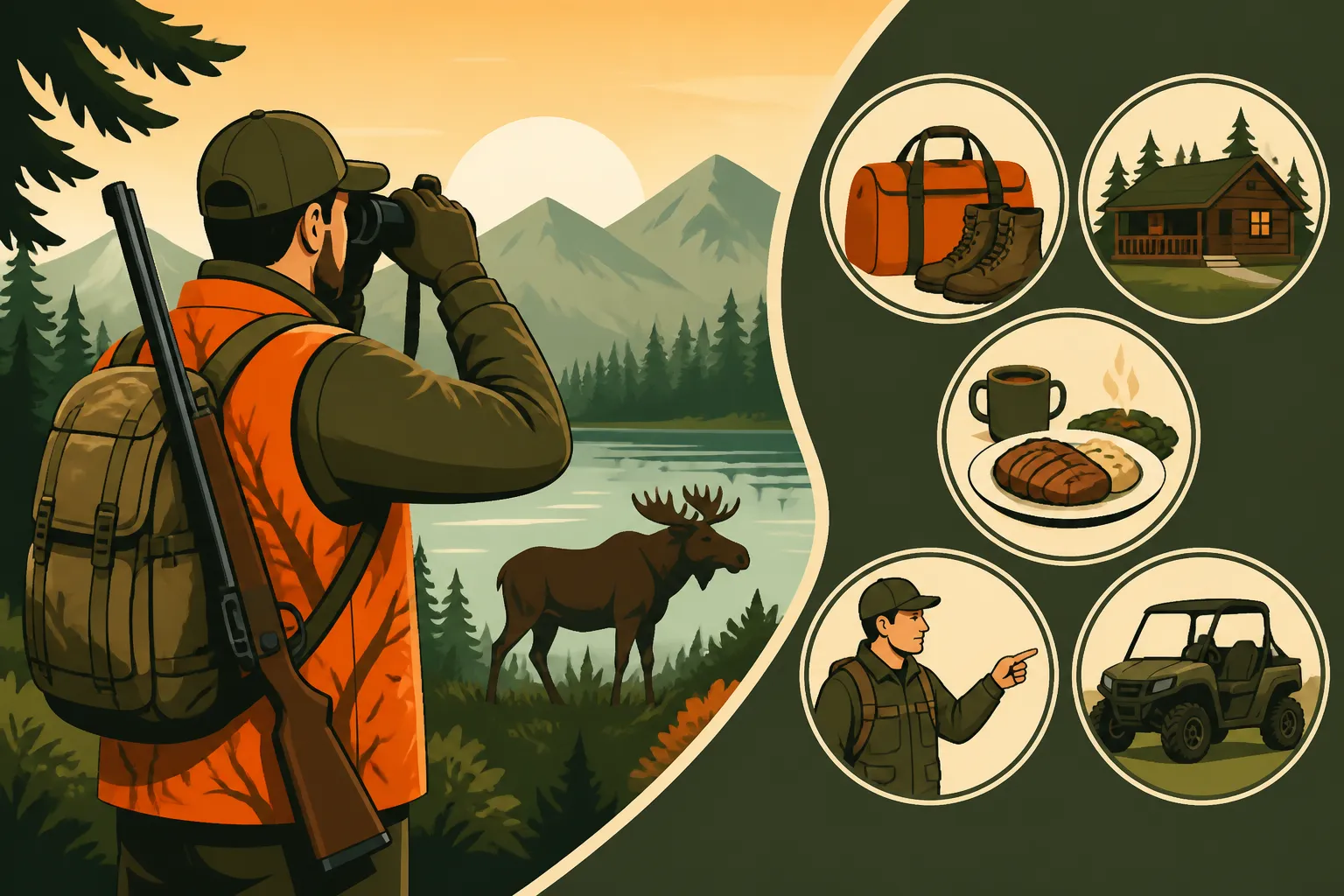
At the heart of any sporting camp package is, of course, the lodging. This can range dramatically, from incredibly rustic, off-grid cabins with outhouses and hand-pumped water, to more modern, comfortable cottages complete with private bathrooms, hot showers, and even Wi-Fi in some areas. Most camps strike a balance, offering charming, clean, and well-maintained cabins that provide a cozy retreat after a long day afield. These cabins typically come furnished with beds, heating (often a wood stove or propane heater), and basic lighting.
The type of lodging you choose, or that's available in your package, will heavily influence the overall cost and feel of your trip. A package might include a shared bunkhouse experience, fostering camaraderie among hunters, or it could feature a private cabin perfect for a family or small group. Always clarify the exact sleeping arrangements, whether linens are provided, and what amenities are included within your specific cabin or within the main lodge. Some camps pride themselves on being truly remote, embracing minimal amenities, while others aim to provide a "glamping" experience.
For example, a traditional camp might offer individual cabins that are fairly basic but warm and dry, with a central lodge for meals and social gathering. These might have shared bathhouses for showers and facilities. Other, more upgraded camps might include fully self-contained cabins with their own kitchenettes, bathrooms, and even screened porches, offering more privacy and convenience. When you're looking at options on platforms like BookYourHunt, pay close attention to the photos and descriptions of the accommodations to ensure they match your expectations and comfort level. The quality and style of lodging are often key differentiators in pricing for What a Sporting Camp Week Actually Costs.
Fueling Your Adventure: The Role of Meals
One of the most universally loved aspects of a sporting camp package is the food. After a long day of hiking, scouting, or sitting on stand, returning to a hot, home-cooked meal is an absolute luxury. Most packages include a full meal plan, typically consisting of three hearty meals a day designed to fuel active outdoor enthusiasts. This usually means a robust breakfast to start your day, a packed lunch or field lunch to take with you, and a substantial dinner in the evening, often served family-style in a central dining lodge.
Breakfasts might feature eggs, bacon, sausage, pancakes, toast, and coffee – everything you need for energy. Lunches are often practical and portable, like sandwiches, fruit, snacks, and drinks, allowing you to stay in the field. Dinners are where many camps truly shine, offering comforting, stick-to-your-ribs fare such as roasts, stews, pasta dishes, fresh baked bread, and desserts. Don't be shy about inquiring about the menu or if they can accommodate specific dietary restrictions or allergies before you book. Most camps are happy to work with you if given advance notice, but it's important to communicate your needs clearly.
The meal service can also be a central part of the camp's social experience. Sharing stories of the day's hunt with fellow guests and guides over a delicious meal is a cherished tradition. Some camps even feature special "shore lunches" or cookouts, adding another unique element to your culinary adventure. Remember, while the food is usually plentiful and delicious, alcoholic beverages are almost always an extra expense and often need to be brought in by the guest if the camp doesn't have a specific license.
Guiding Services: Expertise at Your Fingertips
While not all sporting camp packages are fully guided, a significant number, especially for nonresident hunters or for specific species like moose and bear, will include the services of a Registered Maine Guide. This is arguably one of the most valuable components of any package. A good Maine Guide brings an immense amount of local knowledge, experience, and skill to your hunt. They know the terrain, the habits of the local wildlife, and the most effective hunting strategies for the area.
Their services can include everything from pre-hunt scouting, transportation to and from hunting areas, setting up stands or blinds, tracking wounded game, and providing expert advice throughout your trip. For a moose hunt, a guide is often essential for navigating the vast North Woods and ensuring a safe and successful experience, as detailed when considering Booking a Guided Maine Moose Hunt. For bear hunting, a guide might manage bait sites or lead a hound pursuit, depending on the package. Even for deer or upland birds, a guide can point you to prime habitat you'd never find on your own.
It's important to clarify the guide-to-hunter ratio included in your package. Is it one-on-one, or will you be part of a small group? This can significantly impact the personalized attention you receive. Some packages might be "semi-guided," where the camp provides maps, advice, and access, but you hunt largely independently, with a guide available for assistance like tracking or recovery. Always ask about the specific guiding services offered to ensure they align with your hunting style and needs. Many first-time hunters find the expertise of a guide invaluable for understanding local regulations and increasing their chances of success, especially for species like moose where success rates can vary.
Beyond the Basics: Common Add-ons and Exclusions
While sporting camp packages aim to simplify your hunting trip, it's crucial to understand that they rarely cover absolutely everything. There are several key items and services that are almost universally excluded from the base package price, and budgeting for these can prevent unwelcome surprises down the road. Being prepared for these additional costs is a mark of a well-informed hunter.
Licenses, Permits, and Tags: Your Responsibility
This is perhaps the most significant and consistent exclusion from any sporting camp package: your hunting licenses, permits, and tags. Maine requires all hunters to purchase a valid hunting license, and depending on the species and season, additional permits or tags may be necessary. For example, a deer hunter will need a general hunting license and potentially an antlerless (any-deer) permit if hunting in a WMD where they are required and drawn. Moose hunters must secure a moose permit through the lottery system or auction. Maine Hunting Licenses and What They Cost will give you a detailed breakdown, but the takeaway is this: you are responsible for securing these documents yourself, well in advance of your trip.
It's vital to check the current requirements and application deadlines for your specific hunt. Many camps will remind you to do this, but ultimately, it falls on your shoulders. Some outfitters might offer to help navigate the online application process, but they cannot purchase the license or permit for you. Without the proper documentation, you won't be able to hunt, and your expensive sporting camp package will go unused. This includes ensuring you meet hunter education requirements, which can be particularly relevant for new or nonresident hunters; you can find more information at Maine Hunter Education Requirements.
Gear, Weapons, and Personal Items
Unless explicitly stated, your personal hunting gear and weapon are not included in a sporting camp package. This means bringing your own rifle, bow, muzzleloader, ammunition, optics, hunting clothing, boots, backpack, and any specialized equipment like calls or decoys. While some camps might have very basic loaner items in a pinch, you should always plan to bring everything you need for the hunt and for your personal comfort.
Think about the Maine weather, which can be notoriously unpredictable. Layers of appropriate clothing for cold, wet, or mild conditions are essential. Good quality waterproof boots are non-negotiable. Don't forget your personal toiletries, medications, and any comfort items that will make your stay more enjoyable. While a camp provides a base, it's not a fully stocked outdoor gear store. Pack thoughtfully, considering everything from a headlamp and extra batteries to insect repellent and first-aid supplies. If you're traveling from out of state, ensure your weapon transportation complies with all federal and state laws.
Processing and Shipping Your Harvest
You've successfully harvested an animal – congratulations! Now comes the practical logistics of getting your game from the field to your freezer. While your guide will typically assist with field dressing your animal and getting it out of the woods and back to camp, further processing is almost always an additional cost or your own responsibility. Some sporting camps have facilities for basic skinning and quartering, but professional butchering, cutting, wrapping, and freezing services are usually provided by local meat processors that operate independently.
Many hunters choose to take their field-dressed animal to a local processor near the camp or on their route home. These services can range significantly in price depending on the animal's size and the desired cuts. If you're a nonresident, you'll also need to consider how to transport your meat and/or trophy back home, which could involve shipping, specialized coolers, or arrangements with taxidermists. It’s critical to discuss these logistics with the camp before your hunt, especially for larger game like moose, to understand the options and associated costs. They often have trusted local contacts they can recommend for processing and taxidermy.
| Item/Service | Typically Included in Package | Typically Excluded from Package | Notes |
|---|---|---|---|
| Lodging | Yes | No | Specify cabin type (private/shared), amenities. |
| Meals | Yes | No | Usually 3 meals/day; confirm dietary accommodations. |
| Guiding Services | Often (for specific hunts) | No (for general access hunts) | Clarify guide-to-hunter ratio, specific services. |
| Hunting License | No | Yes | Absolutely your responsibility to purchase in advance. |
| Permits/Tags | No | Yes | Moose, Antlerless deer, bear permits are extra. |
| Personal Gear | No | Yes | Weapons, ammo, clothing, optics, toiletries. |
| Game Processing | No (beyond field dressing) | Yes | Butchering, cutting, wrapping, freezing are typically extra. |
| Trophy Care/Shipping | No (beyond initial prep) | Yes | Taxidermy, shipping arrangements/costs. |
| Alcoholic Beverages | No | Yes | Bring your own, or purchase separately if available. |
| Gratuities | No | Yes | Tipping guides and camp staff is customary and expected. |
| Transportation | Limited (within hunting area) | Yes (to/from camp, flights) | Clarify pickup/drop-off services from local points. |
| Extra Activities | No | Yes | Fishing, sightseeing tours, non-hunting excursions. |
Understanding Package Variations by Hunt Type
Just as no two Maine sporting camps are exactly alike, neither are their hunting packages. The inclusions and focal points of a package will often depend heavily on the type of game you're pursuing. A package designed for a moose hunt will be inherently different from one for upland birds, reflecting the unique challenges, regulations, and logistical needs of each species.
Moose Hunt Packages: A Once-in-a-Lifetime Experience
Moose hunting in Maine is often considered a "hunt of a lifetime" for those lucky enough to draw a permit, and the packages offered by sporting camps reflect this significance. These hunts are generally more expensive and comprehensive due to the immense size of the animal, the vastness of their habitat, and the intensive effort required for a successful harvest and recovery. A typical moose hunt package will almost certainly include the services of a Registered Maine Guide, as navigating the remote North Woods and locating a bull can be incredibly challenging without expert assistance. You can learn more about specific costs when researching What a Guided Moose Hunt Costs.
Beyond guiding, moose packages will usually include high-quality lodging, hearty meals, and transportation within your assigned Wildlife Management District (WMD) to prime moose habitat. Guides often spend significant time scouting before the season, identifying areas with recent moose activity, feeding grounds, and travel corridors. Recovery of a downed moose is a monumental task, and a good package will outline the plan for getting your animal out of the woods, whether it's by ATV, Argo, or even a local logging skidder. Hunters applying for a permit can learn more about Applying for a Maine Moose Permit and later, if successful, consider options for Booking a Guided Maine Moose Hunt. These packages might also include initial field dressing and cape/antler preparation for taxidermy, but full butchering and shipping are typically extra.
Bear Hunt Packages: Bait, Hounds, or Trapping
Maine is renowned for its black bear hunting, and packages are often tailored to one of the three legal methods: baiting, hunting with hounds, or trapping. Each method requires different equipment, timing, and expertise, which is reflected in the package inclusions. When you look at options, such as those on GoHunt, you'll see these distinctions clearly.
For bait hunts, which conclude in late September, a package will include access to active bait sites, often pre-established and regularly maintained by the outfitter. Your guide will typically transport you to and from your stand or blind near the bait, assist with shot placement, and aid in tracking and recovery. Detailed info on this method can be found in Baiting Black Bears Legally in Maine. For hound hunts, typically running in October, the package focuses on the specialized services of a guide with trained bear dogs. This includes the dogs themselves, the guide's expertise in handling them, and the logistical support for pursuing a bear through often rugged terrain. Read more on Hunting Bear With Hounds in Maine. Trapping packages, also an October pursuit, involve access to established trap lines and instruction/assistance from a licensed trapper. Regardless of the method, quality lodging and meals are standard. The critical difference will be the specialized services and equipment required for each approach, so it's essential to confirm which method the package supports when considering Booking a Guided Maine Bear Hunt.
Deer and Upland Bird Packages: Versatility and Opportunity
Packages for white-tailed deer and upland birds (like ruffed grouse and American woodcock) tend to offer more versatility and can vary more widely in their inclusions. For deer, packages might range from fully guided "trophy" hunts in specific areas to more affordable "semi-guided" options that provide lodging, meals, and general area knowledge, but leave the daily hunting up to you. During Maine's Four-Week Firearms Deer Season, for example, many camps fill up with hunters seeking a comfortable base camp.
An upland bird package will often highlight the use of bird dogs and the expertise of guides who know prime coverts. This could include walking miles of logging roads or alder runs for grouse, or dense woodcock cover along migration routes. Many outfitters specialize in pointing or flushing dog breeds and the package cost reflects the investment in these animals and their training. You can explore a broad range of related information at Upland Bird and Small Game Hunting in Maine. For both deer and birds, transportation to various hunting spots, maps, and local insight are common inclusions. These packages might also cater to archery or muzzleloader seasons, with guides familiar with the nuances of each weapon and season. Since these hunts can sometimes be more flexible, some packages might offer a combination of species, allowing for a morning deer hunt and an afternoon bird hunt, depending on the season and regulations.
Maximizing Value and Avoiding Surprises
Booking a sporting camp package is a significant investment in your outdoor passion. To ensure you have the best possible experience and avoid any unexpected costs or disappointments, it pays to do your homework and communicate clearly with the outfitter. A little preparation can go a long way toward a successful and enjoyable trip.
Asking the Right Questions Before You Book
Before you commit to a package, pick up the phone or send a detailed email. Don't be afraid to ask direct, probing questions. A reputable outfitter will appreciate your thoroughness. Here's a checklist of key questions:
- What exactly is not included in the price? This is crucial. Go beyond the obvious licenses and ask about things like gratuities, specific shuttle services, extra fees for retrieving game outside a certain radius, or specialized equipment rentals.
- What are the payment terms, deposit requirements, and cancellation policy? Understand when payments are due and what happens if you need to cancel or if the outfitter cancels due to unforeseen circumstances (e.g., severe weather).
- What is the guide-to-hunter ratio? Is it 1:1, 1:2, or a larger group? This impacts how much personalized attention you'll receive.
- Can you accommodate my dietary restrictions or allergies? Give them ample notice for any special meal needs.
- What is your average success rate for this specific hunt? While success is never guaranteed, this gives you an idea of their track record. Be wary of anyone promising 100% success.
- What gear do I absolutely need to bring? Ask for a detailed packing list, especially for specialized clothing or equipment for the specific terrain and weather.
- What is the policy for processing and transport of game? Do they have recommendations for local processors or taxidermists, and what assistance do they provide?
- Are there any hidden fees or surcharges I should be aware of? Sometimes, things like fuel surcharges or specific permit fees might not be upfront.
- Can you provide references from past clients? Speaking with previous guests can offer invaluable insight into their experience.
- What communication methods are available at camp? Cell service can be spotty or non-existent in remote Maine.
Reading the Fine Print: Deposits, Cancellations, and Gratuities
Beyond the initial questions, take the time to thoroughly read any booking agreements or contracts the outfitter provides. Pay close attention to the financial details. Deposits are standard practice to secure your booking, often non-refundable or only partially refundable if cancelled within a certain timeframe. Understand the final payment deadline and acceptable payment methods.
Cancellation policies are critically important, especially for trips booked far in advance. Life happens, and you need to know what your options are if you suddenly can't make the trip. Some outfitters might offer to reschedule your hunt for a future date, while others have strict no-refund policies. Consider trip insurance, especially for high-value hunts like moose, to protect your investment against unforeseen circumstances.
Finally, let's talk about gratuities. Tipping your guide and camp staff is customary and a significant part of their income. It's polite and expected to budget for this in addition to your package price. Guides work incredibly hard, often long hours, to ensure your hunt is enjoyable and safe. The amount can vary, but typically a percentage of your total package price is a good starting point. You can gain more insight into this expectation by reading Tipping a Maine Hunting Guide. Confirm with the outfitter if they have a suggested gratuity range or if tips can be included in a final payment or if cash is preferred.
Leveraging Resources for Booking
In today's digital age, you have more resources than ever to research and book sporting camp packages. Websites and platforms designed specifically for hunting and fishing trips can be incredibly valuable tools. Sites like BookYourHunt and GoHunt, for instance, consolidate listings from various outfitters, allowing you to compare packages, read reviews, and often communicate directly with camp owners.
These platforms can help you filter by species, location, price range, and even specific hunting methods, streamlining your search for the perfect Maine adventure. They also often feature detailed descriptions, photos, and contact information, making it easier to do your initial vetting. While these sites are excellent starting points for discovery and comparison, always confirm the final details and book directly with the outfitter or through their official channels to ensure accurate information and a direct line of communication. When you're trying to figure out if an outfitter is legitimate and the right fit, using these resources in conjunction with direct communication is key to Vetting a Maine Hunting Outfitter effectively. They can also provide a good overview of how various services are priced, helping you understand Semi-Guided Versus Fully Guided Cost Difference or What a Sporting Camp Week Actually Costs.
Disclaimer
This article is for general informational purposes only and does not constitute professional advice. Laws, prices and regulations vary by location and change over time. Consult a qualified professional for guidance on your specific situation.