Why Winter Ticks Are Killing Maine Moose Calves
Winter ticks kill Maine moose calves through massive blood loss, as tens of thousands of parasites feed on a single animal.
Know what you’re after.
Big game, small game, upland birds, and waterfowl — identification, behavior, rut and migration timing, and how each species moves through the season.
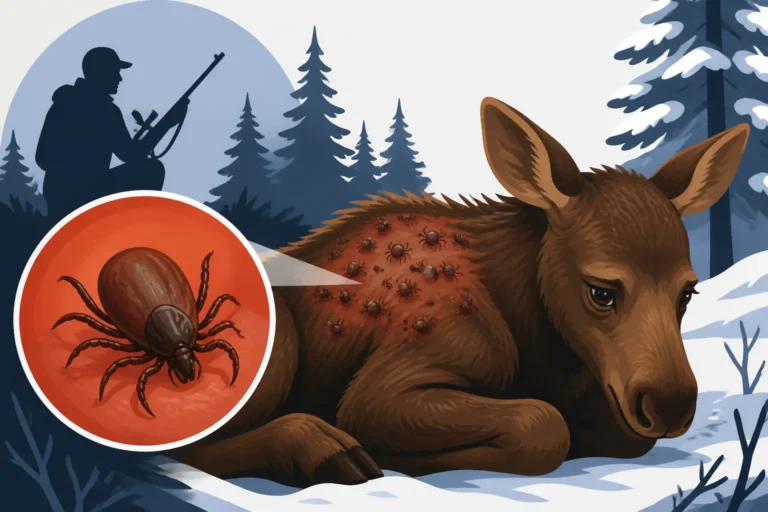
Winter ticks kill Maine moose calves through massive blood loss, as tens of thousands of parasites feed on a single animal.
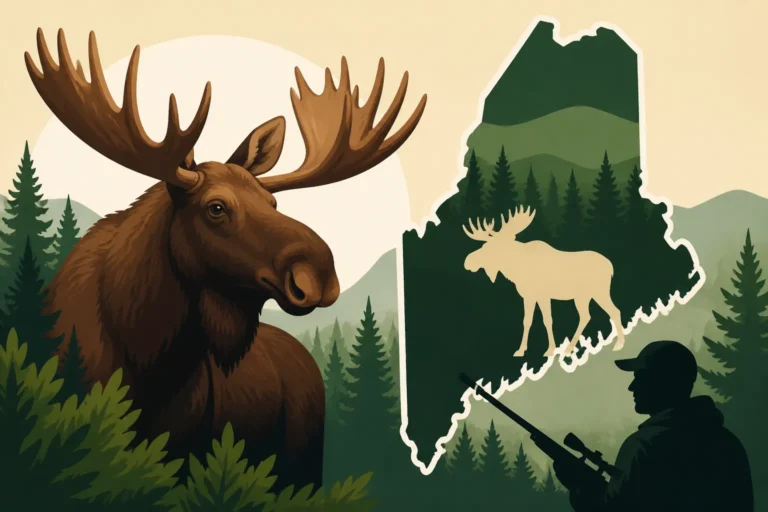
Maine wildlife biologists estimate moose numbers using aerial surveys, biological studies, and hunter harvest input data.
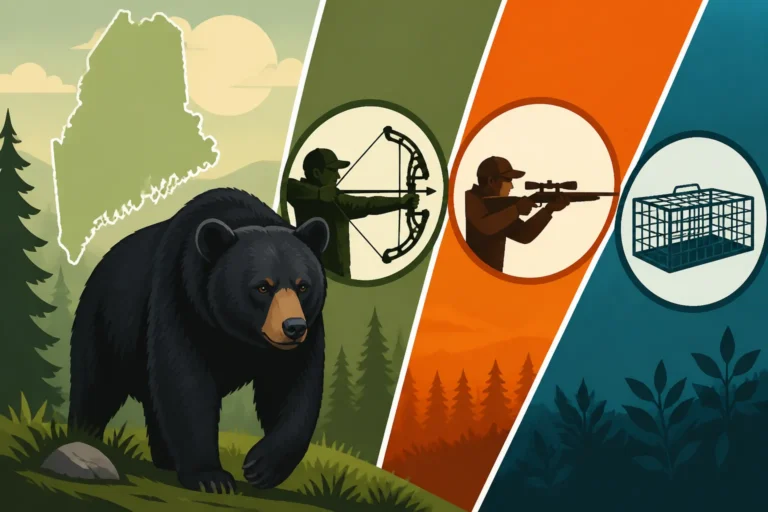
Maine black bear harvest statistics categorized by method reveal population trends and wildlife management goals across districts.
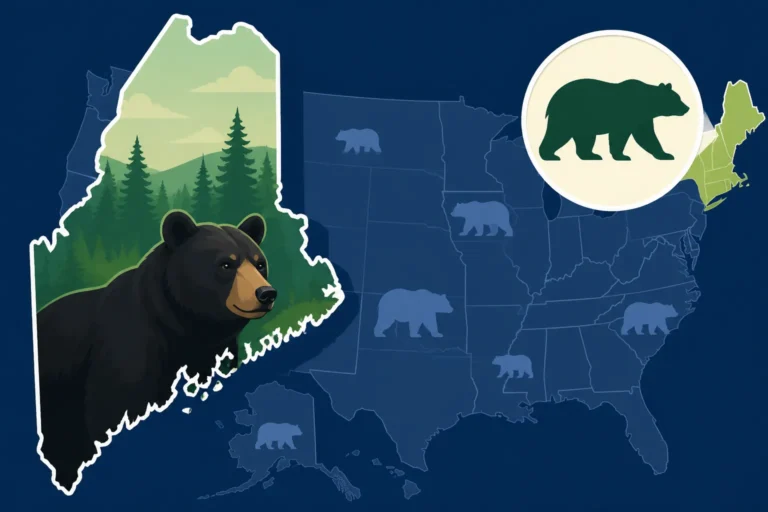
Maine black bear population data reveals thirty-five to thirty-six thousand animals monitored by wildlife department biologists.
Maine black bear population estimates ranging from 30,000 to 36,000 animals guide state wildlife management and conservation efforts.
Maine deer harvest records detail population health, regional success rates, and registration data collected by the state.
Persistent deep snow and bitter winter conditions limit white-tailed deer populations across northern Maine by draining their energy reserves.
Aroostook County and Southern Maine deer populations differ significantly in density, winter survival, and habitat history.
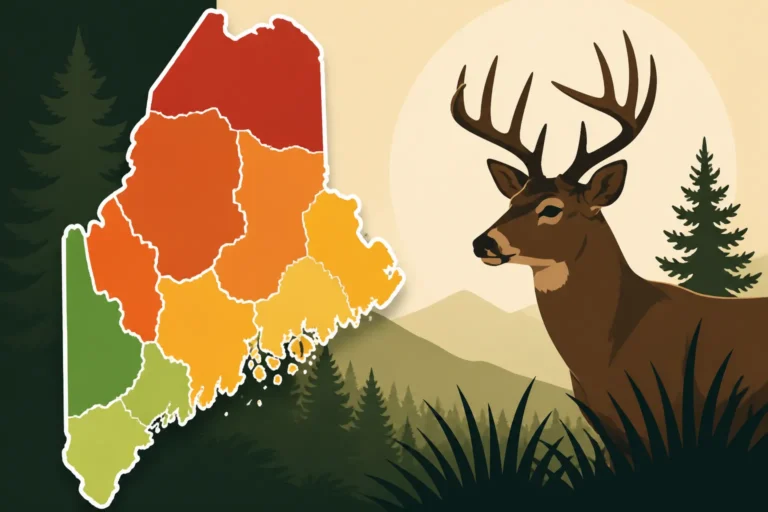
Deer density across Maine regions explains population distribution, timberlands, winter yards, and northern survival challenges for hunters.
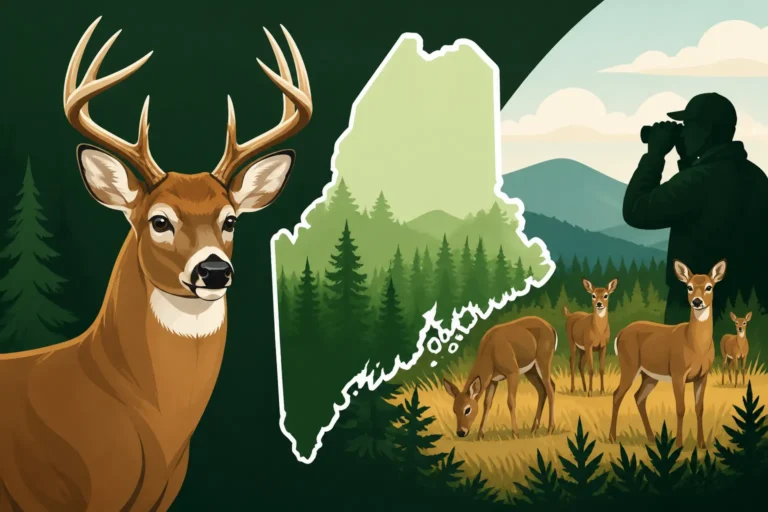
Maine white-tailed deer population estimates rely on aerial surveys, hunter harvest data, and mathematical models for management.