Family-Friendly Maine Sporting Camps
Bringing your whole family along for a hunting trip can feel like a dream, but often the reality hits when you realize many hunting camps aren't exactly set up for toddlers, teenagers, or non-hunting spouses. It's a real challenge to find a place that offers the rugged outdoors experience you crave while still providing comfort, engaging activities, and safety for everyone. This guide is here to help you navigate the world of Maine sporting camps and discover how to pinpoint those truly family-friendly gems that will make your next outdoor adventure a memorable one for the entire crew.
What Makes a Sporting Camp "Family-Friendly"?
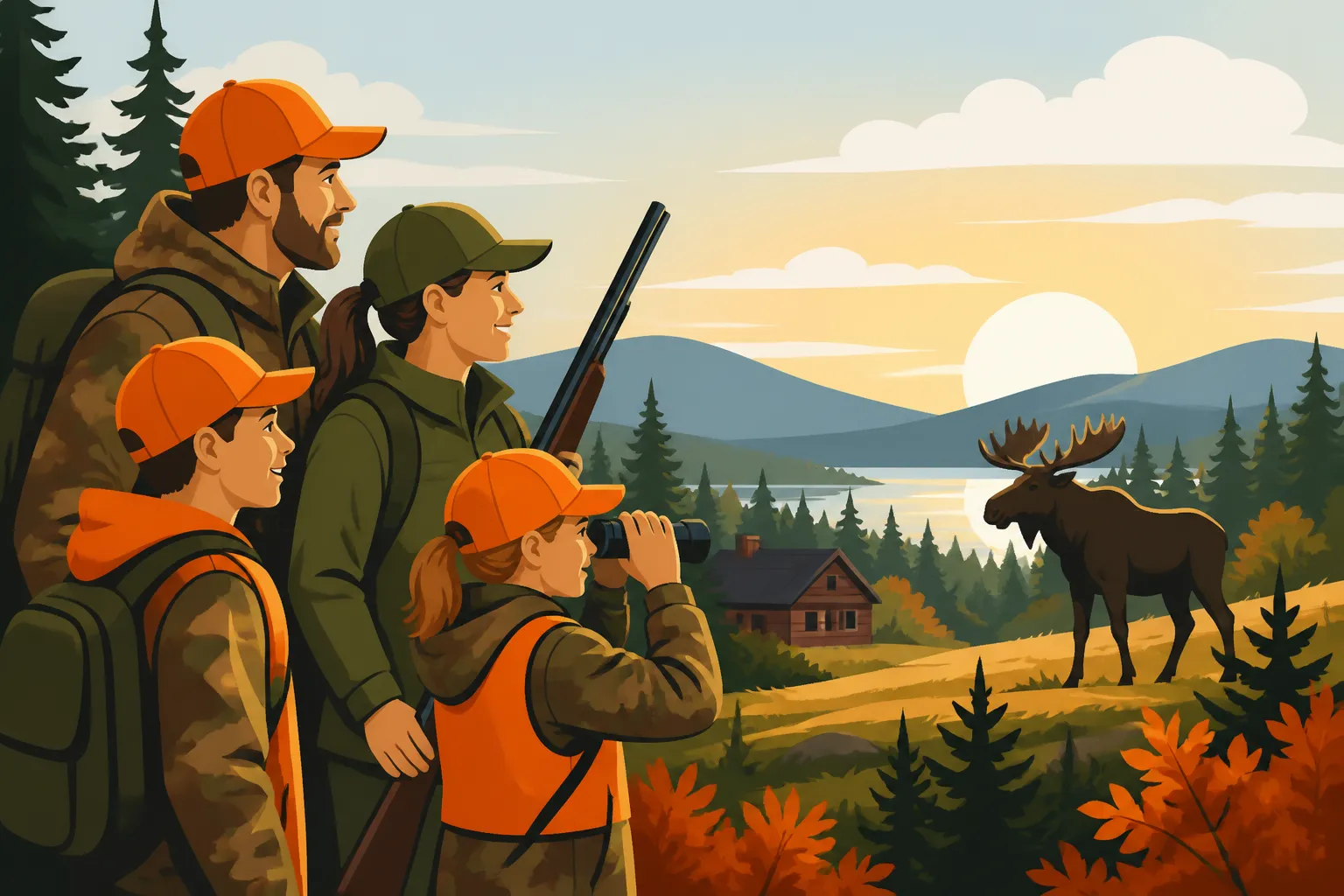
When you're dreaming of a Maine hunting trip, the image is often one of quiet solitude, tracking a buck through crisp woods, or calling in a gobbler at dawn. But when you add "family" to that equation, a whole new set of criteria comes into play. A truly family-friendly sporting camp understands that a successful trip isn't just about filling a tag, it's about creating an experience where everyone, from the littlest explorer to the most seasoned hunter, feels engaged, comfortable, and safe. It's about finding that sweet spot where the rustic charm meets practical amenities for diverse needs.
Beyond the Hunt: Activities for All Ages
The biggest hurdle for many family hunting trips is keeping the non-hunters, or even young hunters when they're not in the blind, entertained. A family-friendly camp goes above and beyond, offering a rich tapestry of activities that connect everyone to Maine's incredible wilderness, whether or not they're carrying a firearm. Think about camps that are situated on lakes or rivers, immediately opening up possibilities for canoeing, kayaking, or even just swimming on a warm afternoon. Many camps boast hiking trails right from their doorstep, ranging from easy strolls perfect for little legs to more challenging treks for energetic teens or adults looking to explore.
Beyond just physical activities, look for camps that foster a sense of discovery. Some might have small libraries with books on local wildlife, offer guided nature walks to identify tracks or plants, or even have designated areas for campfire stories and s'mores under the stars. Kids, especially, thrive on hands-on experiences. Imagine an afternoon spent learning to identify different bird calls, trying your hand at shore fishing for brook trout, or even just skipping rocks across a calm lake. These seemingly simple pastimes build lasting memories and allow everyone to feel like an integral part of the adventure, even if they're not actively Bowhunting Maine's Long Archery Season with you.
Safety and Comfort Considerations
For parents, safety is always paramount, especially in a wilderness setting. A family-friendly sporting camp prioritizes this by having clear safety protocols and infrastructure in place. This might include well-maintained trails, visible signage, and guidance on local wildlife encounters. Consider camps that are not overly remote or that offer reliable communication options for emergencies. It's not about being coddled, but about having peace of mind that help isn't hours away if a scraped knee needs more than a band-aid or if someone feels unwell.
Comfort, especially for multi-generational trips, is equally important. While "rustic" is part of the appeal of a Maine sporting camp, "uncomfortable" isn't. This means clean, well-maintained cabins, reliable heat, and access to hot water. Simple things like comfortable beds, screened porches to escape the bugs, and communal spaces for gathering are huge. You're looking for a place where everyone can relax and recharge after a day of outdoor activity, whether that's an early morning hunt or an afternoon of exploring. Having amenities like a central lodge with games or a cozy fireplace can turn a rainy day from a disaster into a delightful memory for the whole family.
Accommodations and Amenities for Families
The type of lodging truly dictates how comfortable a family will be. While a tiny, one-room cabin might be perfect for a solo hunter, it often presents challenges for families. Look for camps that offer multi-room cabins, cottages, or even interconnected units that provide a little personal space for everyone. Having separate sleeping areas, especially for parents and children, can be a game-changer for a good night's sleep. Many camps offer varying cabin sizes, some even with multiple bedrooms and small kitchenettes, allowing for greater flexibility and privacy.
Dining is another key amenity. Many traditional sporting camps offer communal meals in a main lodge, which can be a fantastic way for families to connect with other guests and experience classic Maine cooking. However, it's worth checking if they can accommodate dietary restrictions or offer kid-friendly options. For families with very young children or specific eating habits, cabins with small kitchens or access to shared cooking facilities can be invaluable. This allows you to prepare familiar meals, store snacks, and generally maintain some semblance of your home routine, making the wilderness experience less overwhelming for younger children. These details are often what distinguish a camp that tolerates families from one that genuinely welcomes them. What a Sporting Camp Package Includes should always detail these aspects.
Finding the Right Camp: Research and Booking Tips
The Maine woods are vast, and so are the options for sporting camps. What sounds idyllic in a brochure might not match your family's specific needs, and it's a real headache to arrive at a remote camp only to find it's not quite what you expected. The key to a successful family trip is thorough research and asking the right questions upfront. Don't be shy about digging into the details; a good camp owner will appreciate your diligence and want to ensure a good fit.
Key Questions to Ask Potential Camps
Before you commit to a booking, have a list of specific questions ready. Start with the basics: What are the sleeping arrangements like? Are there cabins with multiple bedrooms or pull-out couches? Do cabins have private bathrooms with hot showers, or are facilities shared? This is a deal-breaker for many families. Beyond the physical space, inquire about meal service: Is it buffet-style, plated, or do you have kitchen facilities in your cabin? Can they accommodate picky eaters or allergies? Knowing these details can prevent a lot of stress during your stay.
Then, dive into the family-specific aspects. Ask about non-hunting activities: Are there canoes or kayaks available for guest use? Are there designated swimming areas? What about hiking trails suitable for various ages? Is there a central lodge or common area with games, books, or Wi-Fi (if that's important to you)? Understanding their approach to children is crucial. Some camps have specific programs or equipment for kids, while others might simply welcome them without providing specific amenities. Don't forget to ask about safety, like emergency communication and proximity to medical facilities, especially if you're venturing into more remote areas. Many outfitters list their offerings on platforms like BookYourHunt or GoHunt, which can be a good starting point to compare, but always follow up with direct questions.
Online Resources and Platforms
The internet is your best friend when researching family-friendly sporting camps. Start with direct searches for "Maine family sporting camps" or "Maine hunting camps with kids activities." Many camps have their own websites that provide detailed descriptions, photos of accommodations, and lists of available activities. Pay close attention to the photo galleries – do they show families enjoying themselves? Do the cabins look clean and well-maintained?
Beyond individual camp websites, make good use of online booking platforms and specialized hunting travel sites. For instance, sites like BookYourHunt and GoHunt often feature outfitters and camps across Maine, and you can usually filter by amenities or activities that are important for families. While these platforms can connect you, remember that the best way to get a full picture is to contact the camp directly. Read reviews thoroughly on multiple platforms. Look for comments specifically mentioning family experiences, the quality of non-hunting activities, and the staff's welcoming attitude towards children. Sometimes, even the smallest detail in a review can give you a clear indication of a camp's true family-friendliness.
Reading Between the Lines of Reviews
Online reviews are a goldmine of information, but they require a discerning eye, especially when looking for family-friendly options. A five-star review from a solo hunter might be based purely on the hunting success, which doesn't tell you much about how your kids would fare. Look for reviews that specifically mention children, families, or non-hunting partners. Did other parents praise the activities, the food, or the helpfulness of the staff with their kids? Were there any complaints about noise, lack of kid-specific amenities, or an atmosphere that wasn't conducive to family fun?
Pay attention to recurring themes. If multiple reviews mention a particular staff member going out of their way to engage with children, that's a great sign. Conversely, if several reviews hint at a more adult-focused atmosphere or a lack of things to do for those not hunting, it might not be the right fit for your family. Sometimes, a camp might not explicitly market itself as "family-friendly," but the reviews will reveal it to be a hidden gem. For example, a review detailing how wonderful it was for a spouse to relax by the lake while their partner was out Hunting the Rut in Early November could be a great indicator. Don't just look at the star rating; delve into the actual comments to get a nuanced understanding.
Planning Your Family's Maine Sporting Camp Experience
Once you've picked the perfect family-friendly sporting camp, the real fun of planning begins! This isn't just any hunting trip; it's a family adventure. Successfully blending the pursuit of game with quality family time requires a bit of foresight and flexibility. You want everyone to come home with fantastic memories, not feeling like they were dragged along or that their needs were overlooked.
Balancing Hunting and Family Time
This is arguably the trickiest part of a family hunting trip. You're there to hunt, yes, but your family is there for time with you. The key is communication and compromise. Don't plan to be gone from dawn till dusk every single day. Perhaps you hunt early in the morning and return for breakfast with the family, spending the late morning or afternoon on a joint activity like a hike, fishing, or exploring the camp's amenities. You might choose to hunt again in the late afternoon. This split schedule allows you to pursue your passion while still being present for your family.
Consider involving family members in certain aspects of the hunt that don't involve carrying a weapon. Maybe they join you for scouting walks the day before the season, helping you look for fresh tracks or Scrape Lines Along a Logging Road. They could come along on a short walk to a ground blind, enjoy a thermos of hot cocoa, and watch the sunrise with you before you settle in and they head back to camp with another adult. For older kids, this can be a great introduction to the rhythm of hunting without the pressure. Even small gestures, like having dinner together every night and sharing stories from the day, can make a huge difference in making everyone feel included. Don't forget that many camps offer Youth Hunter Discounts on Guided Trips, so perhaps a short guided excursion for a young hunter could be part of the plan.
Packing Essentials for Everyone
Packing for a family trip to a Maine sporting camp means thinking beyond your hunting gear. You need to consider the diverse needs and activities of everyone, from infants to seniors. Layering is always crucial in Maine, regardless of the season, so ensure everyone has options for warm, cold, wet, and dry weather. Beyond clothing, think about specific items that enhance comfort and entertainment. For kids, this could mean favorite toys, books, art supplies, or portable games for downtime in the cabin or lodge. Don't forget a first-aid kit tailored to family needs, including any specific medications, bandages, and remedies for bug bites or minor scrapes.
A good pair of binoculars can be a fantastic tool for non-hunting family members, allowing them to spot wildlife from a distance or simply take in the vastness of the Maine landscape. A camera (not just your phone!) encourages everyone to capture the beauty of the surroundings. If your camp is on a lake, bring swimsuits, towels, and perhaps life jackets if the camp doesn't provide them or if your children prefer their own. Consider headlamps or flashlights for everyone, as nights in the woods are truly dark. A thermos for hot drinks or water bottles for hydration are also incredibly practical. Remember, you're packing for comfort and utility in a beautiful but often rustic environment.
Managing Expectations for a Wilderness Stay
It’s important to have a realistic conversation with your family, especially children, about what a sporting camp experience truly entails. This isn't a five-star resort, nor is it always smooth sailing. There will be bugs, it might rain, cell service might be spotty or non-existent (a point to clarify with the camp ahead of time—some camps even pride themselves on being Sporting Camps With No Cell Service), and things won't always go according to plan. Frame these potential challenges as part of the adventure! Teach your kids about the local wildlife, the importance of respecting nature, and the joy of disconnecting from screens.
Explain that hunters wake up early, and there might be quiet hours, but also that there will be plenty of time for fun and exploration together. Emphasize the unique opportunity to experience Maine's wilderness up close, whether that's spotting a moose from the lodge window, hearing loons call on the lake, or just enjoying the quiet of the woods. By managing expectations and focusing on the positive aspects of a rustic, outdoor experience, you can turn any minor inconveniences into memorable parts of your family's grand adventure. This type of preparation helps make sure everyone enjoys their time, whether they're participating in Maine's November Firearms Deer Season or just enjoying the tranquility of the camp.
Disclaimer
This article is for general informational purposes only and does not constitute professional advice. Laws, prices and regulations vary by location and change over time. Consult a qualified professional for guidance on your specific situation.