What Meals a Sporting Camp Package Includes
Planning a Maine hunting trip to a sporting camp often conjures images of rustic charm and hearty meals, but when you're sifting through package deals, it's easy to get confused about what's actually included, especially when it comes to food. You envision delicious dinners and robust breakfasts fueling your days, but the reality can differ slightly from expectations. This guide will walk you through the typical meal offerings you can truly expect from a Maine sporting camp package, helping you plan better and ensuring your focus stays on the hunt, not your hunger.
Understanding the "All-Inclusive" Illusion in Maine Sporting Camps
The term "all-inclusive" can be a bit of a chameleon in the world of sporting camps. While it sounds like everything under the sun is covered, in Maine's traditional hunting camps, it often specifically refers to a meal plan rather than a complete, worry-free vacation package encompassing every single cost. It’s crucial to delve into the specifics, as assumptions can lead to unexpected charges or a growling stomach. Many camps operate on a "Full American Plan" or "Modified American Plan," terms that have specific meanings when it comes to food.
The Full American Plan: What it Really Means for Your Plate
When a sporting camp advertises a "Full American Plan," it traditionally means that three square meals a day are included in your package price. This is the gold standard for those who want to minimize thinking about food and maximize their time afield. Picture a robust breakfast to get you going, a packed lunch for the field, and a satisfying dinner to recount the day's adventures. This is what most hunters hope for when they book a camp.
However, even with a Full American Plan, it’s wise to ask clarifying questions. Does it include non-alcoholic beverages with all meals? Is there coffee available throughout the day? Are snacks provided, or should you bring your own? What about dietary restrictions or preferences—can the camp accommodate them without an extra charge? These details can significantly impact your overall experience. For instance, a camp might provide plenty of hearty fare, but if you're a devout coffee drinker and they only offer it at specific meal times, you might find yourself longing for that mid-morning cup. It's these small amenities that often differentiate one camp's "all-inclusive" from another.
Modified American Plan and Self-Catered Options
Not all camps offer a full three-meal service, and sometimes, that's exactly what you're looking for. A "Modified American Plan" typically means that breakfast and dinner are included, but lunch is left up to you. This can be appealing if you prefer to carry your own specific snacks or sandwiches into the woods, or if you plan to be out of camp for an extended period and want full control over your midday sustenance. It also usually means a slightly lower package price, which can be a deciding factor for some hunters.
Then there are the "self-catered" options. These are common in many cabin rentals or less formal hunting lodges where you essentially rent the lodging and are responsible for all your own provisions and cooking. This is a popular choice for groups who enjoy the camaraderie of cooking together, or who have very specific dietary needs that might be challenging for a camp kitchen to meet consistently. It requires more planning and effort, but offers ultimate flexibility and can often be the most budget-friendly option. Before booking, especially if you're looking at options found on sites like BookYourHunt or GoHunt, always confirm which meal plan is being offered.
Typical Meal Offerings in a Maine Sporting Camp Package
The culinary experience at a Maine sporting camp is deeply tied to its tradition. Expect hearty, fuel-filled meals designed to satisfy hungry hunters who have spent hours out in the elements. While gourmet might not always be the aim, satisfying and delicious certainly is.
Breakfast: The Hunter's Kick-Start
Breakfast at a Maine sporting camp is usually a substantial affair, designed to provide sustained energy for a full morning afield. You're rarely going to see delicate fruit platters, though fresh fruit might be available. Instead, think classic, stick-to-your-ribs fare.
A typical breakfast spread might include eggs cooked to order, crispy bacon, savory sausage, fluffy pancakes or French toast, and often home fries or hash browns. There's usually a generous supply of coffee, tea, and juice. Some camps might feature homemade muffins, biscuits, or toast with locally sourced jams. This isn't the time for a light snack; it's the foundation for your hunting day. Imagine coming in from a crisp morning still-hunt for deer, the smell of sizzling bacon and fresh coffee drawing you into the lodge – it’s a quintessential part of the Maine sporting camp experience. Maine Deer Camp Traditions are built around these communal meal times.
Lunch: Field Fuel or Camp Comfort
Lunch varies the most depending on the camp's setup and your daily hunting plans. If you're on a Full American Plan and planning to be out all day, you'll likely receive a packed lunch. This often consists of a substantial sandwich (think turkey and cheese, ham, or even leftover roast), a piece of fruit like an apple or orange, a snack item such as a granola bar or bag of chips, and sometimes a sweet treat like a cookie. A small bottle of water or juice box is usually included. These lunches are designed to be portable and easy to eat in the field, whether you're tucked away in a ground blind or taking a quick break by a logging road.
If you're closer to camp or plan to return midday, some camps might offer a lighter lunch back at the lodge. This could be a soup and sandwich combo, chili, or a simple hot dish. Always clarify if returning to camp for lunch is an expectation or an option. If you're out with a guide, they often carry a cooler with snacks and drinks, but your core meal will still come from the camp's prepared lunch.
Dinner: The Day's Reward
Dinner is often the highlight of the culinary day at a sporting camp. It’s a time for hunters to gather, share stories of their hunts, and enjoy a well-deserved, hot meal. Expect hearty, home-style cooking with generous portions.
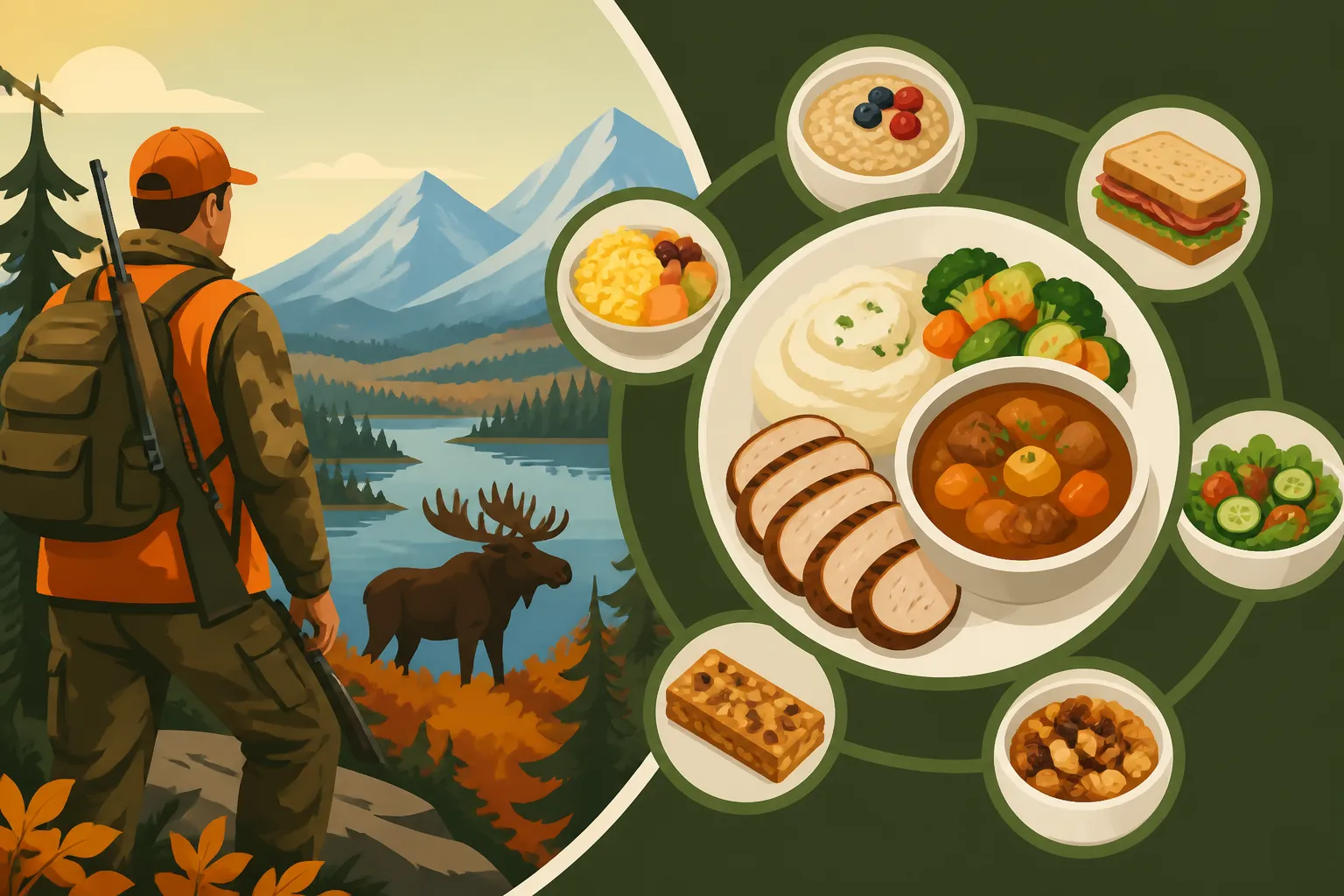
Dishes often reflect classic comfort food: roasted meats like pork loin, baked chicken, or even a slow-cooked beef stew. Potatoes are almost always present, whether mashed, baked, or roasted, alongside a vegetable side. There might be a fresh salad, and often a homemade dessert like pie or cake. Some camps take pride in incorporating local Maine flavors, perhaps serving fresh-caught fish if the camp is near the coast or a lake, or even wild game if legally sourced and prepared by the camp staff (though this is less common for client meals due to regulations). Think warm, inviting, and satisfying. The goal is to send you to bed full and ready for another day in the woods. When looking at potential camps, especially on platforms like BookYourHunt, check out reviews for mentions of the food quality – it’s a big part of the overall experience. What a Sporting Camp Package Includes often highlights the dining experience.
Special Dietary Needs and Customizations
In today's world, it's increasingly common for hunters to have specific dietary needs, allergies, or preferences. While traditional sporting camps are known for their hearty, straightforward fare, many are becoming more accommodating. However, it's absolutely essential to communicate these needs well in advance.
Communicating Your Needs in Advance
Never assume a camp can magically cater to your dietary restrictions if you don't tell them ahead of time. The best practice is to notify the camp at the time of booking, and then follow up a week or two before your arrival. This gives the camp chef ample time to plan menus, source special ingredients, and ensure they can safely prepare meals for you.
Be specific: Is it a severe allergy (like nuts or shellfish) that requires strict cross-contamination protocols, or a dietary preference (like vegetarian, gluten-free, or low-carb)? The more detail you provide, the better equipped the camp will be to accommodate you. For example, if you're gluten-free, simply saying so isn't enough; clarify if you need dedicated gluten-free preparation areas or if simply avoiding wheat-based items is sufficient. Many camps are small, family-run operations, and their resources for specialized cooking might be limited, so managing expectations is key. When you're searching through options on GoHunt, make sure to use their filters or read descriptions carefully for any mention of dietary accommodations.
Common Dietary Accommodations and Limitations
Most camps can handle common requests like vegetarian meals or avoiding specific ingredients if given enough notice. For instance, offering a non-meat protein option at dinner or ensuring vegetable sides are prepared without meat products. Gluten-free options are also becoming more prevalent, with camps offering alternatives like rice or corn-based products.
However, complex or extremely restrictive diets, especially those requiring exotic ingredients or highly specialized preparation, might be challenging or incur an extra charge. For example, a vegan diet that requires specific plant-based proteins and no animal by-products might be harder to sustain without prior arrangements. Some camps might ask you to bring some of your own specialty items, like gluten-free bread or dairy-free milk alternatives, which they can then incorporate into meals. It's a partnership; they want you to have a good experience, but they also need your help in making it feasible. Asking about their flexibility during your What a Consultation Call With an Outfitter Covers can save a lot of headaches later.
Packing Your Own Supplemental Snacks and Drinks
Even if your sporting camp package includes all meals, it's always a good idea to pack some of your favorite snacks and non-alcoholic beverages. Long days in the woods can lead to unexpected hunger pangs between meals, and having your preferred energy bars, trail mix, or hydration drinks can make a big difference. This is especially true if you have a specific brand of coffee or tea you prefer, or if you simply like to graze throughout the day.
Many camps have common areas where you can store personal snacks or even small coolers. While camps usually provide water, having a specialized electrolyte drink for strenuous hikes or a thermos of hot chocolate for a cold stand can significantly enhance your comfort. Remember, you're in rural Maine, and a quick run to a convenience store might not be an option. Think about what will keep you comfortable and fueled, especially if you're planning a full day of Still-Hunting Aroostook County Farmland or Hunting a Ridge-Top Saddle for Rutting Bucks.
Beyond the Plate: What Else to Consider About Food at Camp
The food itself is one aspect, but the overall dining experience, what's not included, and the cultural nuances of a Maine sporting camp are just as important to understand.
Beverages, Alcohol, and Snacks: Hidden Costs or Pleasant Surprises?
When reviewing a sporting camp package, pay close attention to what beverages are included. Typically, coffee, tea, water, and perhaps some juice will be available with meals. However, soda, bottled water for the field (beyond your packed lunch), or specialty drinks might be an extra charge. Always ask about this.
Alcohol is almost universally not included in package prices. Most Maine sporting camps are "BYOB" (Bring Your Own Beverage), meaning you'll need to purchase your beer, wine, or spirits beforehand. Some camps might have a small bar where you can purchase drinks, but don't assume. If you enjoy an adult beverage after a successful day, plan to stock up before you arrive at camp, especially if you're heading to a remote Booking a Remote Fly-In Camp where supplies are far away.
Snacks are another area to clarify. Some camps might put out a small plate of cookies or offer a fruit bowl, but extensive mid-day or evening snacks are usually not part of the standard meal plan. If you're someone who needs constant munching, plan to bring your own.
The Communal Dining Experience: More Than Just Food
One of the most cherished aspects of a Maine sporting camp is the communal dining experience. Meals are often served family-style at large tables, where hunters, guides, and sometimes camp owners share stories, strategies, and laughter. It's a chance to connect with fellow outdoor enthusiasts, learn from experienced guides, and soak in the rich tradition of Maine hunting. This isn't just about feeding your body; it's about feeding your soul and fostering camaraderie.
You'll hear tales from the past, get tips for Rattling and Grunting Maine Bucks, or perhaps discuss the best approach for Hunting a Funnel Between Two Woodlots. These conversations are as much a part of the sporting camp "meal" as the food itself. Even if you're a more reserved person, these shared moments often become some of the most memorable parts of your trip. Don't underestimate the value of these interactions; they are what set sporting camps apart from a generic hotel stay. Maine Hunting Licenses and What They Cost might seem like the primary focus, but the experience is often about more than just the tag.
Tipping for Food Service: An Important Consideration
While your package fee covers the cost of the meals, it's customary to tip the camp staff, including those who prepare and serve your food. Tipping is an important part of the hospitality industry, and camp cooks and servers work hard to ensure you have a comfortable and delicious stay.
The amount can vary, but a general guideline is to consider tipping based on the level of service and the duration of your stay. Some hunters prefer to tip the cook directly, while others contribute to a general staff tip jar. If you have a guide, they can often provide guidance on the local tipping customs for the specific camp. Budgeting for tips, just like you would for your license and gear, ensures a smooth and appreciative departure. Tipping a Maine Hunting Guide also applies to the incredible folks behind the kitchen door.
Here's a quick overview of typical meal plan structures:
| Meal Plan Type | Breakfast | Lunch | Dinner | Common Inclusions | Typical Exclusions |
|---|---|---|---|---|---|
| Full American Plan | Included | Included (packed for field) | Included | Hot coffee, tea, juice with meals; water | Alcohol, soda, specialty drinks, extensive snacks |
| Modified American Plan | Included | Not Included | Included | Hot coffee, tea, juice with meals; water | Alcohol, soda, specialty drinks, snacks, field lunch |
| Self-Catered | Not Included | Not Included | Not Included | Lodging only, often includes basic kitchen amenities | All food and beverages |
Ultimately, knowing what meals a sporting camp package includes comes down to asking direct questions before you book. Don't be shy! A reputable camp or outfitter will be happy to clearly lay out their meal plan, discuss dietary accommodations, and explain what additional costs you might encounter. This proactive approach ensures your Maine hunting adventure is filled with great memories, not unmet expectations or rumbling stomachs.
Disclaimer
This article is for general informational purposes only and does not constitute professional advice. Laws, prices and regulations vary by location and change over time. Consult a qualified professional for guidance on your specific situation.