Bear Hunting Maine’s Three Legal Methods
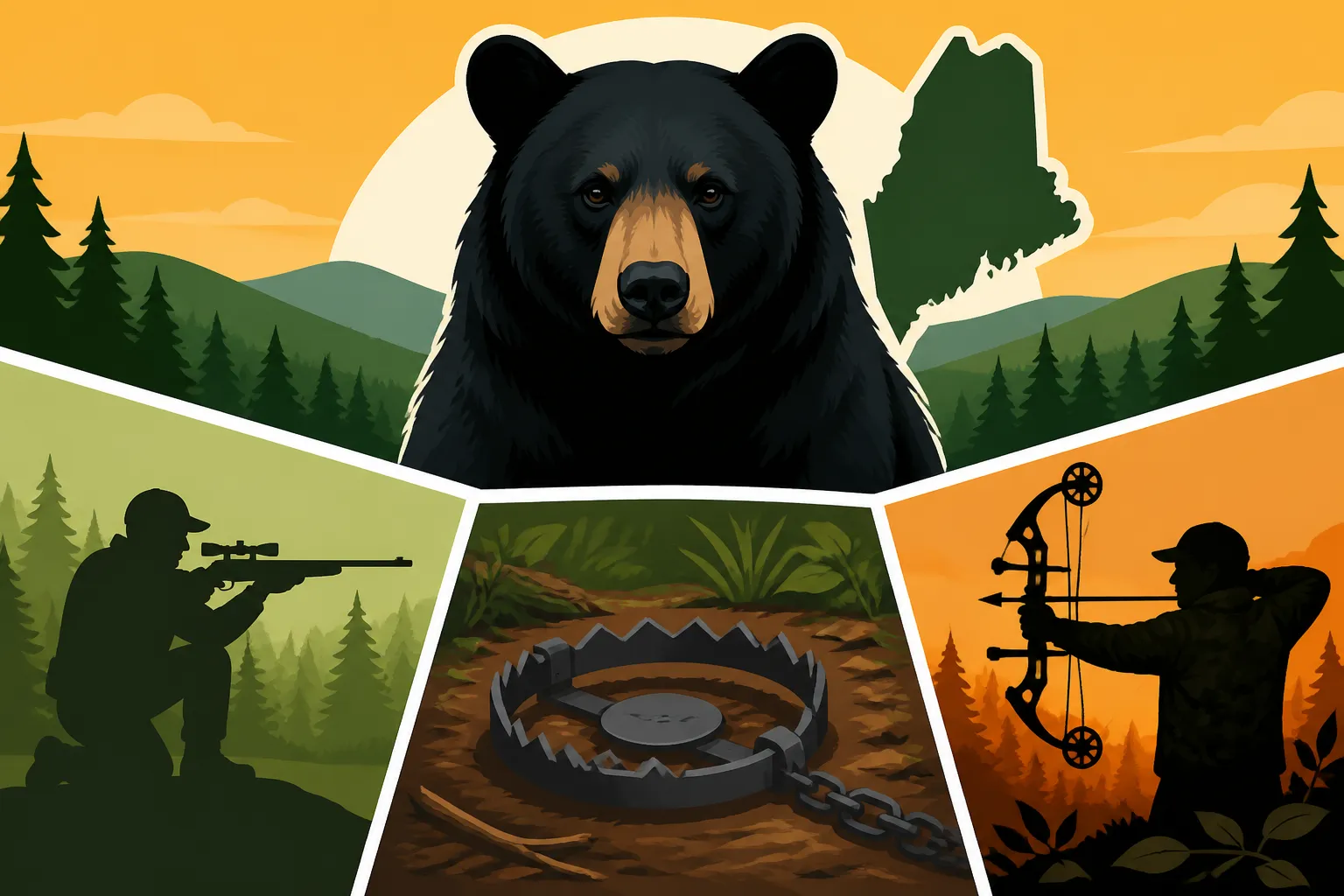
The challenge of bear hunting in Maine is unlike almost anywhere else; these intelligent, elusive animals thrive in our dense forests, making a successful harvest incredibly rewarding but also quite demanding. Whether you're a seasoned hunter or just starting to consider chasing a Maine bruin, understanding the specific legal methods available is crucial for planning an effective and ethical hunt. This comprehensive guide will walk you through the three distinct approaches allowed in Maine: baiting, hunting with hounds, and trapping, providing you with the insights you need to choose and execute your strategy.
Understanding Maine's Unique Bear Hunting Landscape
Maine is a premier destination for black bear hunting, boasting one of the largest and healthiest bear populations in the Eastern United States. Our vast, wild landscapes, particularly in the northern and western parts of the state, provide ideal habitat for bears, leading to robust numbers that consistently draw hunters from across the country. However, the sheer density of the cover can make traditional still-hunting or spot-and-stalk tactics incredibly difficult, which is why Maine has developed and maintained its three distinct legal hunting methods.
The Maine Department of Inland Fisheries and Wildlife (MDIFW) meticulously manages the bear population to ensure its health and sustainability, balancing hunting opportunities with conservation goals. This management includes specific season dates, bag limits, and regulations unique to each method, all designed to offer various hunting experiences while maintaining a healthy bear population. Understanding these regulations is your first step toward a successful and legal bear hunt in the Pine Tree State. For those seeking detailed population data, resources like Maine Bear Population Estimate can offer valuable insights.
Why Maine's Methods Differ from Other States
Many hunters coming to Maine from other states might be accustomed to different regulations, often encountering frustration or confusion when learning about our unique approach. While some states primarily focus on spot-and-stalk or still-hunting, Maine's regulations are a direct response to our unique geography and the inherent challenges of hunting black bears here. Our thick spruce-fir forests, expansive hardwoods, and seemingly endless swamps make it nearly impossible to consistently locate and harvest bears using methods that work well in more open terrains.
The three methods—baiting, hounding, and trapping—have evolved over decades to provide effective and ethical ways for hunters to pursue bears in this environment. They allow for selective harvesting, provide opportunities for both active and patient hunters, and contribute significantly to the overall management of the bear population. It's not just about tradition; it's about practical, proven strategies that work within Maine's wild character.
Method 1: Bear Hunting Over Bait
Bear hunting over bait is arguably the most popular method in Maine, especially for those new to bear hunting or those seeking a more controlled and predictable experience. This method involves establishing a bait site, typically consisting of various food items designed to attract bears, and then waiting from a stand or blind for a bear to visit during daylight hours.
The effectiveness of baiting lies in its ability to draw bears to a specific location consistently, allowing hunters to observe them, assess their size, and ensure a clean, ethical shot. It requires patience, meticulous preparation, and a deep understanding of bear behavior and local regulations. The season for baiting typically runs from late August to late September, culminating with When Maine's Bear Bait Season Closes, providing a concentrated window of opportunity.
The Art and Science of Bait Site Selection
Choosing the right bait site is paramount to success. It's more than just dumping a pile of donuts in the woods; it's about understanding terrain, wind, natural food sources, and bear travel corridors. Ideal sites are often near dense cover where bears feel secure, but also accessible to roads or trails for ease of baiting and potential game recovery. Look for areas with a mix of hardwood and softwood, near water sources, and away from heavy human disturbance.
Proper scouting is crucial. Utilize tools like GoHunt's mapping features to identify potential travel routes, bedding areas, and water sources. Consider prevailing winds to ensure your scent doesn't spook incoming bears. You'll want to find a spot that offers good visibility from your stand but still feels secure to the bears. The goal is to make the site irresistible and safe for the bears, encouraging them to become regular visitors. Remember, a good site isn't just about food; it's about creating a comfortable, routine stop for a bear.
Setting Up Your Stand and Trail Cameras
Once a site is chosen and bears start hitting the bait, the next step is strategically placing your treestand or ground blind. This setup needs to consider wind direction, shooting lanes, and the bears' approach angle. Always position your stand downwind of the bait, or in a position where thermals will carry your scent away from the approach. Clear shooting lanes, but avoid over-clearing, which can make the area feel exposed to a wary bear.
Trail cameras are an invaluable tool for bait hunters. They allow you to monitor activity, identify individual bears, determine their travel patterns, and gauge their feeding times. This intelligence is crucial for deciding when and where to hunt. With cameras, you can learn to distinguish between a lone sow and Judging a Legal Bear From a Sow With Cubs, ensuring you make the right ethical and legal decisions. Checking your cameras frequently, but discreetly, is key to staying informed without disturbing the site. Remember to be quiet and efficient when visiting your bait and cameras to minimize your impact.
Legalities and Best Practices for Baiting
Maine has strict regulations governing bear baiting, and adherence to these rules is non-negotiable. For instance, bait must be placed at least 500 feet from any public road or dwelling, and only certain types of food are permitted. You must possess a valid bear hunting license and a bear baiting permit, and all bait sites must be clearly marked with your name and address. These rules are in place to ensure fair chase, public safety, and ethical hunting practices.
Beyond the letter of the law, best practices include responsible baiting. This means starting early enough to establish a pattern but not over-baiting to the point of waste or creating a nuisance. Keep your bait fresh, clean up non-biodegradable waste, and remove all bait and stands by the season's end. Respect for the land, the wildlife, and other outdoor enthusiasts is paramount. For a full breakdown of the rules, refer to Baiting Black Bears Legally in Maine in the MDIFW regulations.
Method 2: Bear Hunting with Hounds
For those who crave an active, physically demanding hunt with a strong element of tradition and teamwork, bear hunting with hounds offers an unparalleled experience. This method involves trained dogs tracking a bear's scent trail, ultimately leading to the bear being treed or bayed on the ground, allowing the hunter to approach for a shot. It's an immersive experience that often takes hunters deep into Maine's remote wilderness.
Hound hunting is a dynamic pursuit, combining canine skill, hunter endurance, and a deep knowledge of bear behavior. The season for hound hunting generally starts in September and continues through October, ending with When Maine's Bear Hound Season Closes, providing a distinct window after the baiting season has matured. It is a highly regulated activity that requires specialized equipment, well-trained dogs, and often, the guidance of an experienced Registered Maine Guide.
The Thrill of the Chase and Dog Training
The heart of hound hunting is the dogs themselves. Breeds like Plott Hounds, Walkers, and Black & Tans are specifically bred and trained for their scenting abilities, endurance, and tenacity. The thrill comes from releasing the dogs on a fresh track, listening to their excited baying echo through the woods, and then following their progress via GPS collars. It’s a symphony of sound and determination as the pack works together to pursue the bear.
Training these dogs is a year-round commitment, involving conditioning, scent work, and simulated chases. Responsible hound hunters ensure their dogs are healthy, well-behaved, and trained to focus solely on bears, ignoring other wildlife. This dedication to their canine partners is a hallmark of the hound hunting community. The bond between a hunter and their hounds is truly something special, built on countless hours of training and shared experiences in the Maine woods.
Navigating Maine's Vast Wilderness with Hounds
Hound hunting will take you far beyond the beaten path. You'll be traversing challenging terrain, from dense clear-cuts and rocky ridges to boggy swamps and thick stands of timber. This demands physical fitness, excellent navigational skills, and a well-equipped hunting party. Hunters often follow the dogs for miles, relying on GPS devices to pinpoint the pack's location and eventually close the distance to the treed bear.
Access to vast tracts of land is often necessary, and while Maine's private land access tradition is generous, utilizing resources like the GoHunt app for land ownership and mapping can be invaluable. It's not uncommon to operate in the unorganized territories of the North Maine Woods, where logging roads provide access to immense tracts of wildland. Being prepared for extended periods in the wilderness, sometimes without cell service, is essential. Communication with your hunting partners and guide, especially when covering large distances, is absolutely critical for safety and success.
Rules and Regulations for Hound Hunting
Just like baiting, bear hunting with hounds is subject to strict rules. Hunters need a valid bear hunting license, and specific permits or certifications may be required for using dogs to hunt bears. Dogs must be tracked with GPS collars, and hunters must adhere to specific group size limits and firearm restrictions. It is illegal to hunt bears with hounds in certain areas or during specific periods, so checking the current regulations is paramount.
Often, non-residents are required to hunt with a Registered Maine Guide if they plan to use hounds. This ensures that hunters are accompanied by experienced professionals who know the local laws, terrain, and safe hunting practices. Guides also often have established dog packs and intimate knowledge of bear sign, significantly increasing the chances of a successful and legal hunt. For specific requirements, consult Hunting Bear With Hounds in Maine in the MDIFW rulebook.
Method 3: Bear Trapping
Bear trapping, while less common than baiting or hounding, is a highly effective and traditional method for harvesting bears in Maine. It requires specialized knowledge, patience, and a strong commitment to ethical and responsible trapping practices. This method typically involves using large cage or foothold traps (with specific regulations) to capture a bear, allowing the trapper to dispatch it humanely.
Trapping seasons usually run concurrently with the hound season, from September into October, with Maine Bear Trapping Season Dates detailing the exact window. It's a method that appeals to those who enjoy a more solitary pursuit, relying on their tracking skills, understanding of bear habits, and expertise in trap setting. Successful trapping hinges on precision, stealth, and a deep respect for the animal.
Strategic Trap Placement and Luring Techniques
The success of bear trapping lies almost entirely in strategic trap placement and effective luring. Trappers spend considerable time scouting areas for fresh bear sign—tracks, scat, claw marks on trees, and natural food sources. Ideal locations are often along well-used bear travel corridors, near natural pinch points, or where food sources are abundant. Like baiting, proximity to dense cover is important, as bears feel more secure when approaching a trap in a secluded area.
Luring techniques can vary, but generally involve using strong-smelling attractants like anise, beaver castor, or commercial bear lures, often combined with sweet treats or meat scraps placed within or near the trap. The goal is to entice the bear into the trap without making it suspicious. This requires a subtle touch and an understanding of a bear's cautious nature. Trappers often create a "set" that blends naturally into the environment, minimizing any visual cues that might deter a wary bear.
Responsible Trapping and Equipment Essentials
Responsible bear trapping means using the right equipment and committing to regular trap checks. Maine regulations mandate specific types and sizes of traps, often requiring live-holding cage traps or specific designs of foothold traps that minimize injury. Trappers must ensure their traps are in good working order, properly anchored, and free from obstructions.
The most critical aspect of ethical trapping is checking traps regularly. Maine law requires traps to be checked at least once every 24 hours. This ensures that any captured bear is handled promptly and humanely, minimizing stress and exposure to the elements. Trappers must be prepared for swift, ethical dispatch if a bear is caught, which typically involves a firearm. The trapper must also be capable of safely handling and removing the bear from the trap. This commitment to ethical treatment is a cornerstone of Maine's trapping community.
Legal Requirements and Reporting Your Catch
Bear trapping is perhaps the most regulated of the three methods, requiring specific licenses and permits. Trappers must hold a valid Maine hunting license, a bear trapping permit, and often a general trapping license. All traps must be tagged with the trapper's name and address, and locations must be accurately recorded. The MDIFW also has strict rules on trap size, set height, and distance from roads or dwellings.
Upon capturing a bear, trappers have a legal obligation to report their catch to the MDIFW within a specific timeframe, often within 24 hours. This typically involves registering the bear at an official checking station or using the online registration system. This data is vital for wildlife biologists to monitor harvest rates and manage the bear population effectively. Understanding all these regulations thoroughly is crucial for anyone considering bear trapping, and resources like Trapping Black Bears in Maine can provide further details.
Choosing the Right Method for Your Hunt
Deciding which bear hunting method is right for you in Maine often comes down to a combination of personal preference, experience level, physical fitness, and the kind of hunting experience you're looking for. Each method offers a unique set of challenges and rewards, and what works best for one hunter might not be ideal for another.
Many hunters find success by specializing in one method, becoming highly proficient in its nuances. Others, especially those with more time and resources, might explore different methods across various seasons or even in the same year if regulations allow a Maine's Two-Bear Bag Limit Explained. Maine's diverse options mean there's a bear hunt for almost everyone, but making an informed choice is key to a satisfying experience.
Considering Experience, Time, and Physicality
Baiting is often recommended for first-time bear hunters or those with limited mobility. It requires patience and attention to detail but is generally less physically demanding than hounding. It's a great option for hunters who want a higher probability of seeing a bear, allowing them to carefully select an animal. It does, however, demand time commitment for baiting and scouting.
Hounding is for the adventurous and physically fit. It's a high-energy pursuit that can involve covering many miles over rough terrain. It often requires a significant investment in trained dogs or the cost of a guided hunt. This method offers an adrenaline-pumping chase and a true test of endurance.
Trapping requires specialized skills, a deep understanding of bear behavior, and a significant time commitment for setting and checking traps. It's a more solitary pursuit, appealing to those who enjoy the challenge of outsmarting an animal with precision and stealth. It's generally not recommended for novice hunters without experienced mentorship.
| Method | Experience Level | Physical Demands | Time Commitment | Key Characteristics |
|---|---|---|---|---|
| Baiting | Beginner-Expert | Low-Moderate | High (prep) | Patient waiting, observation, strategic setup |
| Hounding | Intermediate-Expert | High | Moderate (hunt) | Active chase, teamwork with dogs, high adrenaline |
| Trapping | Intermediate-Expert | Moderate | High (checks) | Solitary, precise setup, ethical dispatch |
Maximizing Success with Combination Strategies
While choosing one primary method is common, some experienced hunters or those working with guides might consider combining elements for maximum success. For instance, a hunter might establish bait sites, and if a large bear isn't appearing regularly during hunting hours, they might then switch to a guided hound hunt later in the season. Utilizing all legal options can increase your odds, particularly in challenging years.
For non-resident hunters, or those looking to learn from the best, booking a guided hunt with a Registered Maine Guide is often the most effective way to experience any of these methods. Guides often specialize in one or two methods and come equipped with the knowledge, gear, dogs, and permits needed to navigate the complexities of Maine's bear hunting regulations. They can also offer invaluable insights into local bear patterns and assist with the often-daunting task of game recovery. Many guides will assist with applying for necessary permits and licenses, streamlining the process. You can find excellent guided hunt options for Booking a Guided Maine Bear Hunt through experienced outfitters, many of whom are listed on GoHunt's outfitter directory.
Essential Gear and Preparations for Any Method
Regardless of which bear hunting method you choose, a successful and safe hunt in Maine requires proper preparation and the right gear. Maine's diverse and often rugged terrain, coupled with rapidly changing weather conditions, means you need to be ready for anything the wilderness throws at you. Don't underestimate the physical demands and the necessity of reliable equipment.
Thinking through your gear list well in advance, and performing a thorough check of all items before you leave, can prevent uncomfortable situations or even dangerous predicaments in the field. This goes beyond just your weapon; it encompasses everything from navigation to safety and post-harvest care.
Clothing, Navigation, and Safety Essentials
Layered clothing is paramount in Maine. Early fall mornings can be chilly, but midday can be surprisingly warm, only to drop sharply again as evening approaches. Moisture-wicking base layers, insulating mid-layers, and a waterproof/windproof outer shell are essential. Don't forget durable, comfortable, and waterproof boots suitable for hiking through wet, uneven terrain. Blaze orange is often required or highly recommended, so check the current regulations for visibility requirements.
For navigation, a reliable GPS device or a smartphone app like GoHunt with downloaded maps is critical, especially when venturing off-trail or following hounds. Always carry a compass and physical maps as a backup. Communication is also vital; a satellite messenger or two-way radio can be a lifesaver in areas without cell service. A well-stocked first-aid kit, fire-starting materials, a headlamp with extra batteries, and plenty of water are non-negotiables for any deep woods excursion. The vastness of the Maine woods means you should always plan for the unexpected.
Understanding Bear Behavior and Anatomy
Before you even step into the woods, take the time to deeply understand black bear behavior and anatomy. Knowing their habits, preferred foods, and reaction to human presence will significantly increase your success rates. Understand where they bed, where they feed, and their typical travel corridors. Recognizing fresh sign—tracks, scat, rubs, and active feeding areas—is a skill that improves with practice and observation.
Crucially, learn bear anatomy for ethical shot placement. Bears are incredibly tough animals, and a poorly placed shot can lead to a long, difficult, or even unrecoverable blood trailing scenario. Aim for the vitals (lungs and heart), which typically means aiming directly behind the shoulder. Practice shooting from various positions you might encounter in the woods, whether from a treestand, a blind, or on the ground. A clean, ethical harvest is the goal of every responsible hunter.
Post-Harvest Responsibilities and Regulations
Successfully harvesting a bear is a moment of triumph, but it's also when a new set of responsibilities kicks in. Maine has specific regulations regarding how to handle your bear after it's down, from tagging and registration to transportation and meat care. Adhering to these rules is not just a legal obligation; it's a mark of respect for the animal and the privilege of hunting.
Being prepared for post-harvest tasks is just as important as the hunt itself. From having the right tools for field dressing to knowing your recovery plan, thinking ahead will save you a lot of stress and ensure your hard-earned meat and hide are properly preserved. This diligence helps contribute to valuable wildlife management data for the MDIFW, aiding in the continued health of Maine's bear population.
Field Dressing, Recovery, and Registration
Once you've made a successful shot, the first step is to legally tag your bear immediately with the tag provided with your license. Next, focus on prompt field dressing. Bears retain heat, and quick evisceration is crucial to cool the carcass and preserve the meat, especially in warmer early season conditions. Have a sharp knife, game bags, and gloves ready. Consider bringing a tarp or ground cloth to keep the meat clean during this process.
Recovering a bear can be a significant challenge due to their size and the often-dense terrain. Have a plan in place. This might involve a game cart, a sled, or a team of strong hunting partners. If you're with a guide, they will have established protocols for efficient recovery. After recovery, your bear must be registered with the MDIFW within a specific timeframe. This can often be done online via the state's outdoor license system or at a designated bear registration station. This process helps the state collect vital data on harvest numbers, sex ratios, and locations. For details on the procedure, see Handling a Bear Harvest Check-In.
Meat Care and Trophy Considerations
Proper meat care after field dressing is essential to ensure a delicious harvest. Once field dressed, continue to cool the carcass as quickly as possible. This might involve quartering the bear, packing it with ice, or hanging it in a cool, well-ventilated area. Transport the meat to a reputable butcher as soon as possible, especially if you're not planning to process it yourself. Maine bear meat is incredibly flavorful and versatile, perfect for roasts, stews, burgers, and sausages.
If you plan to have your bear mounted or its hide tanned, special care is needed. Consult with your taxidermist beforehand about their requirements for skinning and preserving the hide and skull. They can provide specific instructions to ensure your trophy is in prime condition. Remember to clearly communicate your intentions to your guide or hunting partners to ensure the necessary care is taken in the field. Every part of the bear represents a valuable resource and should be treated with respect.
Disclaimer
The information provided in this guide is for general informational purposes only and is not a substitute for the official regulations published by the Maine Department of Inland Fisheries and Wildlife (MDIFW). Hunting laws and regulations can change frequently. It is the responsibility of every hunter to consult the most current MDIFW hunting law book and any applicable federal regulations before engaging in any hunting activities. Always prioritize safety, ethical hunting practices, and respect for wildlife and landowners.