Breaking Up a Fall Turkey Flock
Trying to call in a big flock of Maine fall turkeys can feel like talking to a brick wall. They're often quieter, more numerous, and stick together like glue, making those sweet spring-style yelps fall on deaf ears. If you've ever felt the frustration of watching a hundred birds feed just out of range, knowing they aren't going to budge, then this guide is for you. We're diving deep into the tried-and-true method of breaking up a fall turkey flock, an exhilarating tactic that can turn a silent standoff into a successful hunt.
Why Fall Turkeys Demand a Different Approach
Many hunters, especially those new to fall turkey seasons, often try to apply spring tactics. They'll set up, make a few calls, and hope a gobbler struts in. The reality in the fall is completely different, and understanding these dynamics is the first step toward filling your tag.
Understanding Fall Turkey Dynamics
When autumn rolls around, turkey behavior shifts dramatically. Gone are the days of territorial gobblers strutting and fighting over hens. Instead, turkeys gather into large, often multi-generational flocks. You'll see family groups, bachelor groups of jakes and adult gobblers, and sometimes massive mixed flocks that can number in the dozens, even a hundred birds. These flocks prioritize food and safety above almost everything else. They roam agricultural fields, hardwood ridges, and thick conifer stands, constantly searching for acorns, beechnuts, waste grain, and insects.
Their social structure is highly organized, with a clear pecking order. This hierarchy, especially among the hens, means they have a strong innate desire to stay together. If one hen takes off, the rest of the flock often follows. This tight-knit behavior is their primary defense against predators, and it's what makes them so challenging to call in during the fall. They don't need to respond to calls from a distant hen because they're already surrounded by their entire family. Knowing your target species' behavior is crucial for success, and understanding that fall turkeys are fundamentally different from their spring counterparts is paramount.
The Challenge of Calling Flocked Birds
Picture this: you've located a huge flock of turkeys feeding in a field just off the edge of a woodlot in central Maine. You try your favorite hen yelp, a few soft purrs, maybe even a gobble if you're feeling bold. What usually happens? Nothing. Maybe a few heads pop up, they look around, and then go right back to feeding. This isn't because your calling is bad; it's because those birds are already content and secure within their group. They don't have a need to seek out another turkey.
This is where the frustration sets in for many hunters. You see the birds, you know they're there, but you can't get them to respond. Traditional calling, which works so well in the spring when gobblers are looking for mates, is often ineffective against a tightly bunched fall flock. The drive to re-group after being scattered is much stronger than the drive to investigate a lone call. This understanding is the cornerstone of successful fall turkey hunting, particularly when you're targeting birds in districts with generous limits, such as when you're Hunting a Five-Bird Fall Turkey District
The Art of the Scatter: How to Break 'Em Up Effectively
Successfully breaking up a fall turkey flock isn't just about running at them. It's a calculated maneuver that requires scouting, decisive action, and careful attention to safety. This is where the real fun of fall turkey hunting begins!
Identifying the Right Flock and Location
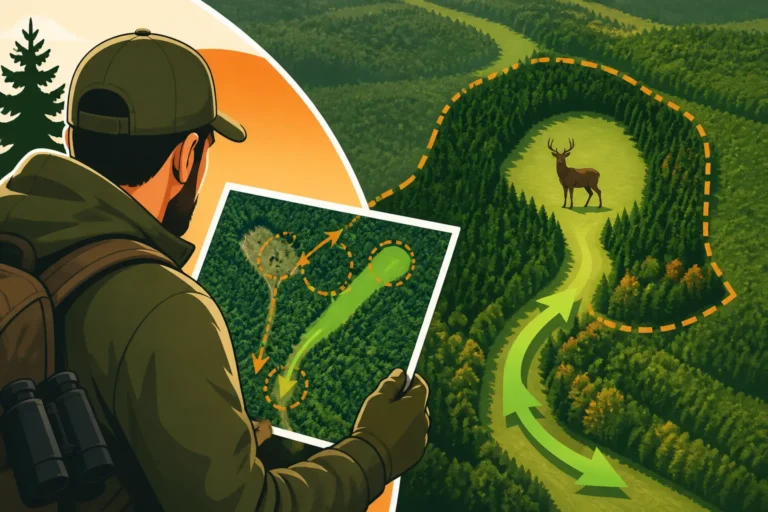
Before you can break up a flock, you need to find them, and ideally, find them in a place that offers good scattering and re-calling opportunities. Early morning or late afternoon, when birds are moving to or from roosts, are prime times. Look for flocks feeding in open fields, along logging roads, or on hardwood ridges where acorns have fallen. Using tools like GoHunt, you can analyze aerial photos and topo maps to identify potential feeding areas, travel corridors, and dense cover where scattered birds might hide. This kind of digital scouting can save you a lot of boot leather.
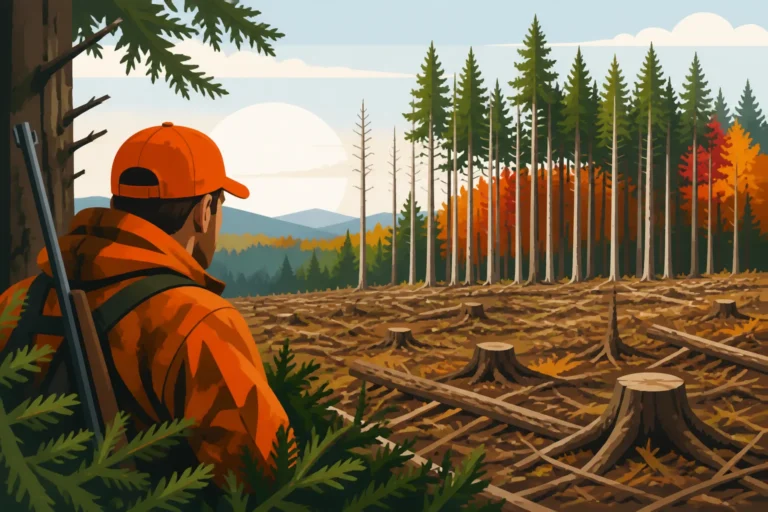
Once you spot a flock, observe their size and behavior. Ideally, you want a group of 10 or more birds. The bigger the flock, the more dramatic and effective the scatter tends to be. Also, consider the terrain. A good scatter site will have ample escape cover in multiple directions—dense woods, thick brush, or a creek bottom. This ensures the birds fly or run off in different directions, increasing your chances of isolating individuals. Avoid areas where they might easily run to another open field or simply circle back.
Executing the Scatter with Decisive Action
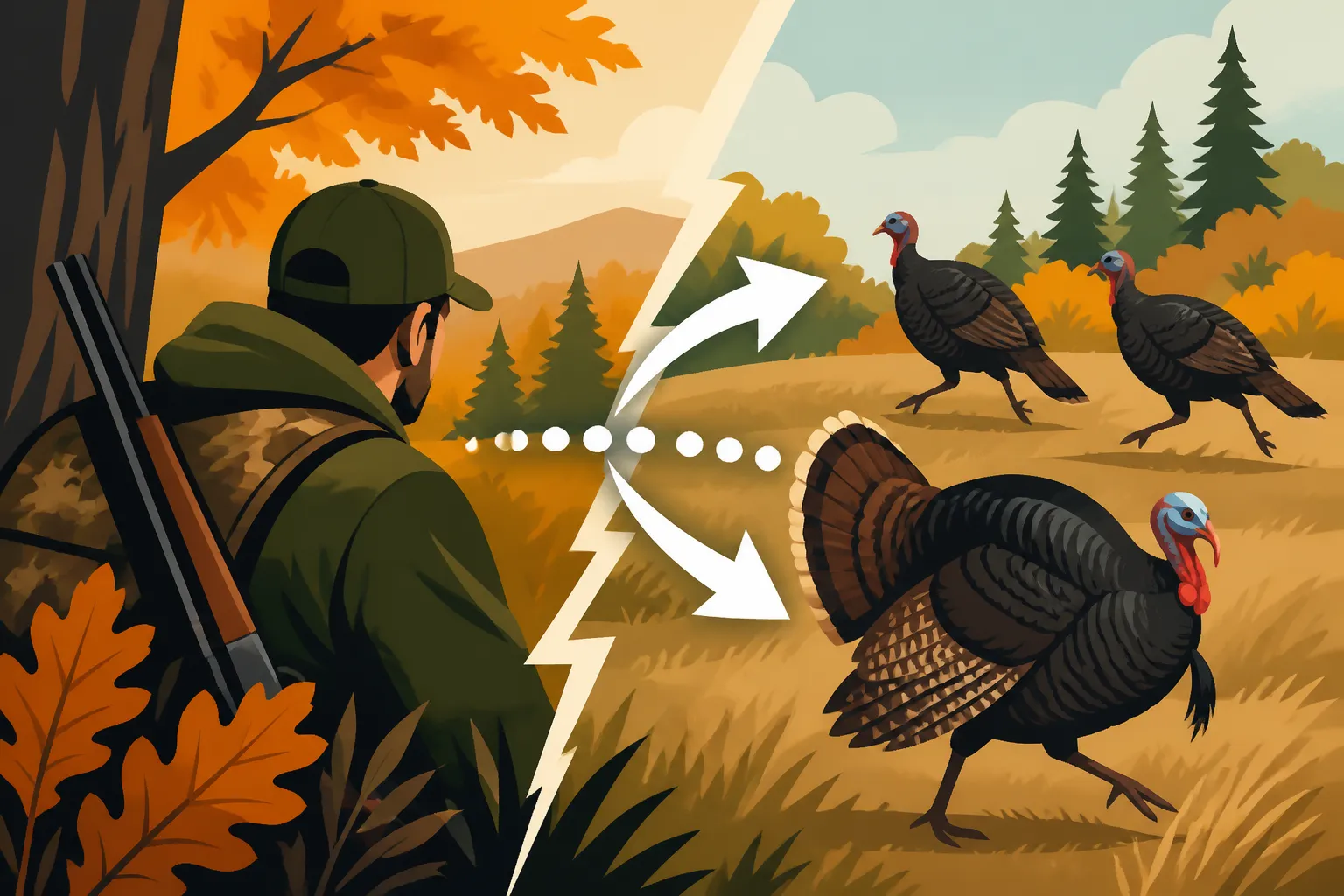
This is the moment of truth. Once you've identified your target flock and are in position, the goal is to charge them with as much noise and aggression as possible. Don't be shy! Yell, clap, stomp your feet, blow a whistle—do anything to create a sudden, terrifying commotion. The aim is to send every single bird flying or running in a different direction. If they all fly the same way, you haven't truly scattered them; you've just moved the flock.
Safety is paramount during this phase. If you're hunting with a partner, ensure you know each other's positions at all times. Communicate clearly before the charge. If you're hunting alone, be acutely aware of your surroundings and any potential obstacles. Your charge should be swift and direct, getting as close to the birds as possible before they flush. The adrenaline will be pumping, but maintain control. A truly effective scatter will leave you in the heart of where the flock just was, with birds scrambling in every direction, their alarm putts echoing through the woods.
Optimal Conditions for a Successful Break
While you can try to scatter turkeys in many conditions, some are definitely more favorable. Overcast, drizzly days can be excellent because turkeys tend to be less wary and their vision is slightly reduced. Light rain can also muffle your approach. Wind, while challenging for hearing distant calls, can help mask your noise as you move in for the scatter.
Terrain also plays a huge role. Rolling hills, small woodlots, and patchy cover in areas like the potato fields of Aroostook County or the mixed forests of Downeast coastal Maine provide ample opportunities for birds to get separated. These are situations where a well-executed scatter shines. Conversely, a flat, wide-open field with minimal surrounding cover might be harder to scatter birds effectively, as they might just run along the edge rather than truly breaking apart. Remember, the goal is not just to make them move, but to make them scatter into individual units, each believing it's now lost and alone.
Re-Calling the Scattered Birds: Tactics for Success
Once the dust settles and the initial chaos subsides, the real fall hunting strategy begins. Now it's about patience, subtle calling, and understanding the urgent need of those scattered birds to re-group.
Setting Up for the Re-Gather
Immediately after scattering the flock, you need to move quickly and quietly to a strategic setup location. Your primary goal is to be invisible. Look for good back cover like a thick pine, a fallen log, or a stone wall that breaks up your outline. You want to be positioned where you can see incoming birds from multiple directions, but they can't easily see you. A good rule of thumb is to set up within 100-200 yards of where the flock broke, ideally on higher ground or at a point where several escape routes converge.
Sometimes, especially if you had to charge a long way, you might be out of breath. Take a moment to compose yourself and scan the area. Look for any birds that might have landed nearby and are already trying to re-group. A quiet setup is key here; turkeys have excellent hearing, and any unnecessary noise will make them even more wary. Consider where you’d want to be if you were a lost turkey looking for your friends. This kind of strategic thinking is a critical component of Hunting a Drawn Moose Zone in the North Woods
Mastering the Lost Yelp and Kee-Kee Run
This is the calling sequence that defines fall turkey hunting after a scatter. Lost turkeys, particularly young birds and hens, have an overwhelming urge to re-group. They'll start making a distinct "lost" call.
The lost yelp is typically a series of louder, more urgent yelps, often with a rising inflection. It's not a relaxed, contented yelp. It communicates "I'm lost, where are you?" Start with a few of these, waiting 15-20 minutes between sequences. Listen intently for any replies.
The kee-kee run is even more specific to fall hunting. It's a series of high-pitched whistles, often starting soft and growing louder, sometimes ending with a soft yelp or two. It mimics the call of a lost young turkey. This is incredibly effective for pulling in jakes and even adult hens who respond to the distress of what sounds like a separated youngster.
Your calling should be subtle at first. Don't blast out calls immediately. Wait 10-15 minutes after you've set up, then start with soft lost yelps or kee-kees. If you get a response, wait for the bird to commit before calling again, and only call enough to keep them interested. Let them do most of the work to find you. When using an app like GoHunt for scouting, you can mark the exact location where you scattered the flock and where you set up, helping you visualize the re-calling lanes.
Here's a simplified calling sequence to consider after a scatter:
| Time After Scatter | Call Type | Description |
|---|---|---|
| 10-15 minutes | Soft Lost Yelp | 3-5 urgent, medium-volume yelps. Wait, listen. |
| 15-20 minutes | Soft Kee-Kee Run | 3-7 high-pitched whistles, often ending with a soft yelp. Wait, listen. |
| 20-30 minutes | Louder Lost Yelp | 5-7 more urgent yelps, slightly increased volume. Wait, listen. |
| 30-45 minutes | Louder Kee-Kee Run | 5-9 high-pitched whistles, higher volume, potentially more yelps. Wait, listen. |
| 45+ minutes | Intermittent Calling | Mix of lost yelps and kee-kees, adjusting to responses. Be patient. |
Patience and Persistence
This might be the most challenging part of the entire process. Turkeys can take a long time to re-group. They might circle, approach cautiously, and only call intermittently. You might sit for an hour or more without hearing a peep, only to have a bird suddenly appear. This is why a comfortable, well-concealed setup is so important. Don't fidget, don't move, and keep your shotgun or bow ready.
Sometimes, a single bird will approach, looking for the source of the calls. Other times, several birds might come in together, calling back and forth. Be prepared for either scenario. If a bird hangs up out of range, resist the urge to call too much. A subtle cluck or purr might draw it in, but often, silence is your best friend once they're close. Just like with Hunting the Rut in Early November patience often pays the biggest dividends. You might have to try several scatters in different locations or on different days, but when it works, it's one of the most rewarding turkey hunting experiences you can have in Maine.
Common Mistakes and Troubleshooting
Even with the best intentions and tactics, fall turkey hunting can throw curveballs. Understanding potential pitfalls and how to troubleshoot them can make the difference between a successful hunt and a frustrating afternoon.
Not Committing to the Scatter
One of the biggest mistakes hunters make is a half-hearted scatter. They might try to sneak in quietly, then make a little noise, hoping the birds just walk away. This often results in the entire flock moving off together, staying bunched up, and becoming even harder to approach later. To truly scatter a flock, you need to be aggressive, loud, and determined. Your goal isn't just to make them move; it's to create such a sense of panic that they disperse in every direction, disorienting them and breaking their social bonds.
If you don't commit fully, you'll find yourself back at square one, watching the whole flock disappear into the timber. It feels counterintuitive to charge at game you want to harvest, but with fall turkeys, it's often the only way to get them to respond to calls later. This aggressive approach is a far cry from the stealth required when Still-Hunting Aroostook County Farmland trying to pick off a wary buck.
Calling Too Soon or Too Aggressively
After the scatter, the excitement is high, and it's tempting to start blasting out calls immediately. However, this can be detrimental. Turkeys, especially older hens, are incredibly wary. If they hear calls immediately after a terrifying scatter, they might associate those calls with the threat, or simply become suspicious. Give the birds time to settle down, get their bearings, and start to feel truly "lost." A waiting period of 10-15 minutes, allowing yourself to settle into your setup, is crucial.
When you do start calling, begin softly and increase volume only if needed and if you're not getting a response. Over-calling can sound unnatural and scare birds away. Think of yourself as the lost bird, calling just enough to signal your presence without sounding like a predator or a desperate, panicked turkey. It's a delicate balance that comes with practice and listening to real turkey vocalizations.
Dealing with Stubborn Birds or Small Groups
Sometimes, despite your best efforts, not every bird scatters perfectly. A few might fly together, or a small group might remain somewhat cohesive. If you realize you only scattered a couple of birds, or if a small group stayed together, your re-calling efforts might be less effective. These birds might not feel the same intense drive to re-group. In these cases, it might be better to try and stalk the smaller group if cover allows, or simply reposition and look for another flock to scatter.
Another scenario is a single, stubborn bird that responds to calls but hangs up persistently out of range. This is where your patience is truly tested. Try subtle changes to your calls: a few soft clucks, purrs, or even a soft scratch in the leaves. You might even consider trying a decoy, if legal in your WMD, to give the bird something visual to commit to, especially if you're Decoy Placement for Pressured Maine Birds in an open setting. However, for a single, wary bird, sometimes the best move is no move at all, letting them come on their own terms, or recognizing when it's time to move on and find another opportunity to call a Calling a Fall Turkey Flock Apart
Disclaimer
This guide is intended for informational purposes only and is not a substitute for official regulations. Always consult the most current Maine Department of Inland Fisheries and Wildlife (MDIFW) hunting regulations before heading into the field. Ensure you understand and abide by all state and local laws regarding hunting, firearms, and land access. Safety should always be your top priority.