Maine Deer Camp Traditions
Hunting deer in Maine isn't just about filling a tag; for countless folks, it's a deep-rooted tradition centered around the venerable deer camp. Many of us yearn for more than just the solitary pursuit of a trophy, seeking instead the shared laughter, the quiet wisdom, and the enduring bonds forged when a group of hunters gathers. This guide will take you deep into the heart of Maine deer camp traditions, exploring how these time-honored practices cultivate lasting memories that stretch far beyond the woods.
The Heartbeat of Deer Camp: More Than Just the Hunt
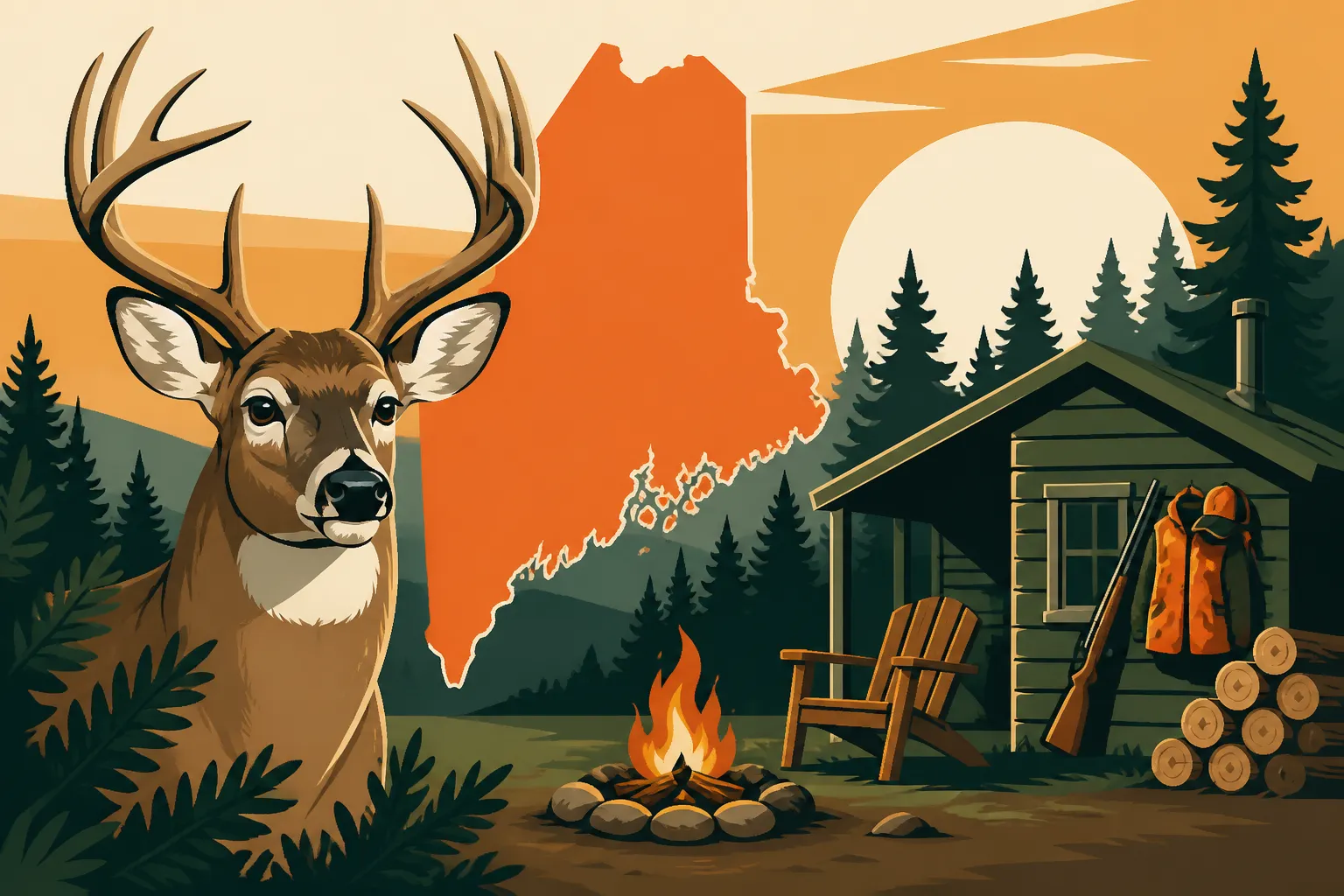
When you talk about deer camp in Maine, you're not just talking about a cabin or a tent in the woods. You're talking about a living, breathing entity, a sanctuary where friendships are strengthened, stories are spun, and the rhythm of life slows down to the pace of the forest. It’s where the anticipation of the hunt meets the warmth of human connection.
The Social Fabric and Camaraderie That Binds Us
The true magic of deer camp often begins before anyone even steps into the woods. It's in the planning, the packing, the drive up some long, winding logging road. Once you arrive, whether it's an old family camp that's seen generations of hunters or a rented cabin with a new group, the sense of camaraderie is immediate. Mornings start with the comforting gurgle of a coffee pot, the scent of fresh brew mixing with woodsmoke, and the low hum of conversation as everyone discusses the day's game plan.
It's about those shared moments: the cold, crisp air hitting your face as you gather outside, exchanging good luck wishes before heading off in different directions. Then, the reunion at the end of a long day, when everyone peels off layers, sheds mud-caked boots, and gathers around a crackling woodstove. This is when the real bonding happens. Stories of close calls, missed opportunities, and wildlife sightings are recounted, sometimes with a touch of embellishment, but always with genuine enthusiasm. New friendships are forged over a deck of cards or a shared meal, and old ones are rekindled, often picking up exactly where they left off a year ago. It's a testament to the enduring power of shared experience in a wild setting, where the hunt is the catalyst, but the connection is the lasting reward.
Preparing for the Hunt and Reflecting on the Day's Lessons
Deer camp thrives on routine, a comforting structure built around the central purpose of the hunt. Each morning brings its own set of rituals. Gear is meticulously checked, layered clothing prepared, and a hearty breakfast fuels the body for the challenges ahead. Maps are often spread out on the kitchen table, perhaps a detailed topographic map from the Maine Hunting App, with hunters pointing out their planned routes, discussing wind direction, and strategizing movements based on where they believe deer might be bedded. It's a collaborative effort, even for solo hunters, as collective knowledge is pooled and shared. Many seasoned hunters will be discussing how to approach late-season food sources for Maine whitetails.
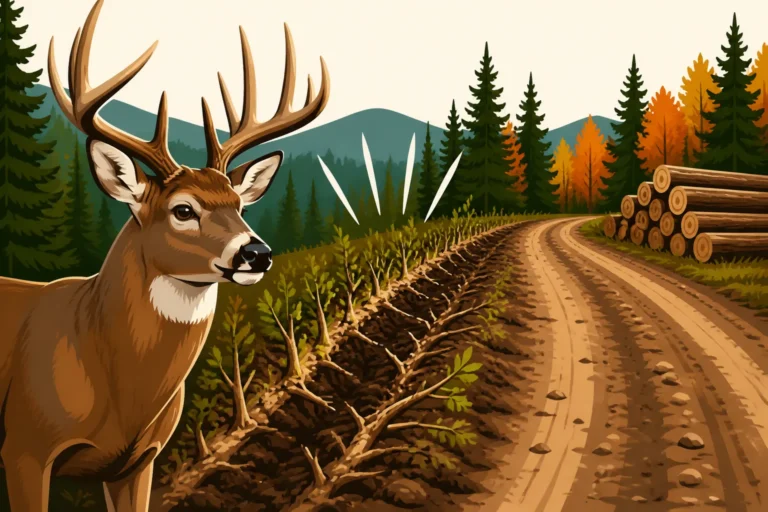
Once the hunters return, typically as dusk settles and the woods darken, the reflections begin. This isn't just idle chatter; it's a vital part of the learning process. What did you see? Did you find any fresh sign of deer movement, like a well-used scrape line along a logging road? Were there any unusual wind patterns? These discussions are critical for understanding deer behavior, scouting new areas, and refining strategies for the next day. It's also a time for quiet contemplation, acknowledging the effort and patience required for success in the Maine woods. Even if no deer were harvested, the lessons learned, the peace found, and the shared experiences are success enough for many. This post-hunt debrief is where the wisdom of experienced hunters, often gleaned over many seasons of hunting Maine's Four-Week Firearms Deer Season, is gently passed down to newer generations.
Culinary Delights and Campfire Stories
Food is more than just sustenance at deer camp; it's an expression of care, a centerpiece for gathering, and a source of deep comfort after a long day in the cold woods. And what's a good meal without a captivating story to go with it?
The Shared Table: Fueling Body and Spirit
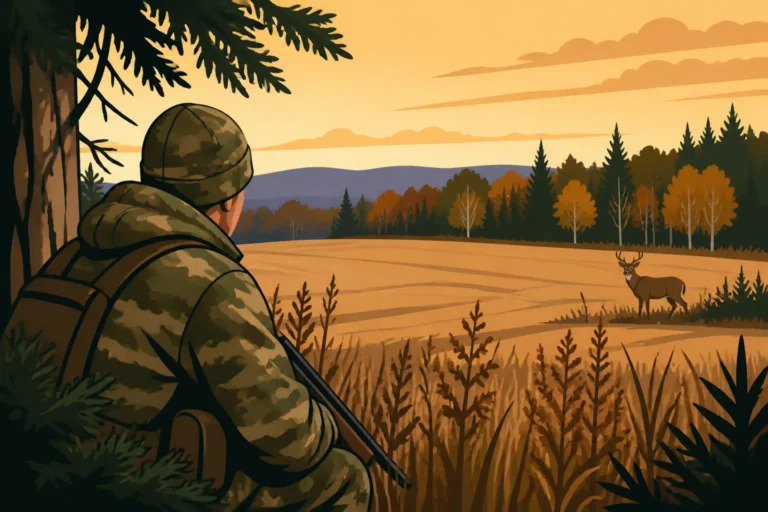
There's nothing quite like the smell of a hearty meal simmering at deer camp. After hours spent still-hunting Aroostook County farmland or sitting on a stand in a cold November breeze, returning to a warm, inviting camp and a delicious meal is pure bliss. Breakfasts are usually substantial: pancakes, bacon, eggs, hash browns—fuel to last until lunch. Often, hunters will pack a simple sandwich or a thermos of hot soup for a midday break in the woods, knowing a grand feast awaits them later.
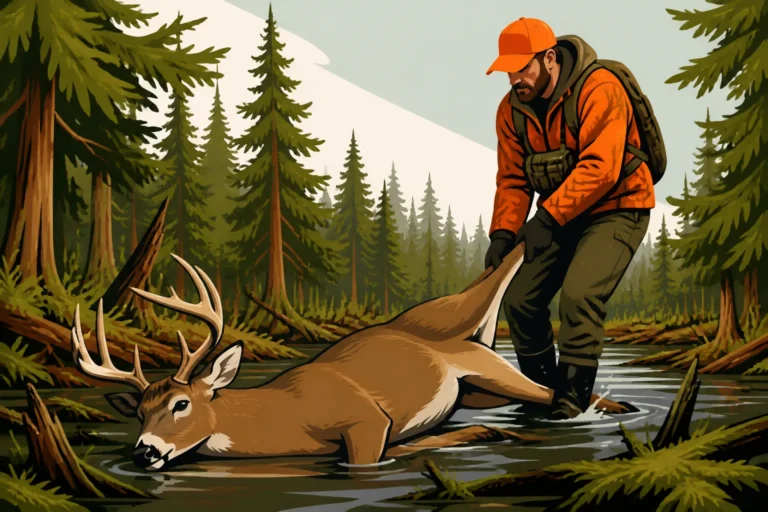
Dinners are often the highlight. Chili, venison stew, moose pot roast, or a massive pasta dish—these are comfort foods designed to warm from the inside out and replenish spent energy. Everyone often contributes, bringing a signature dish or taking a night to cook for the group. The act of communal cooking and eating strengthens bonds, fostering a sense of family, even among those who are not related by blood. It’s a tradition that celebrates the bounty of the land and the shared joy of good company. If someone was lucky enough to harvest, that venison is often incorporated into a meal, a true testament to the hunt. Understanding the best practices for field dressing a deer in cold weather ensures that meat is handled properly for these culinary celebrations.
Storytelling and Legacy Building
As bellies fill and the woodstove glows, the stories begin to flow. This is perhaps one of the most cherished Maine deer camp traditions. Around the table, by the fire, or with feet propped up, tales are spun—some true, some exaggerated for dramatic effect, all memorable. These stories aren't just entertainment; they're a vital way of passing down knowledge, history, and the unique lore of Maine deer hunting. You'll hear about the monster buck that got away, the time someone got completely turned around in the fog, or the ingenious way a hunter finally outsmarted a wary whitetail.
Older hunters share experiences, recounting legendary hunts from decades past, often featuring family members or friends who are no longer with us. It’s a way to keep their spirits alive in the camp, honoring their legacy and contribution to the traditions. Younger hunters listen intently, absorbing the wisdom, the humor, and the unspoken rules of the woods. These narratives build a collective memory, weaving new experiences into the rich tapestry of the camp’s history. It reinforces that hunting is about so much more than the kill; it's about the journey, the challenge, the respect for nature, and the stories we carry with us.
Maintaining the Camp and Honoring the Land
Deer camp isn't a hotel; it's a shared responsibility. The traditions extend beyond the hunt itself into the upkeep of the camp and the reverence for the natural world that surrounds it.
Camp Chores and Collective Responsibility
A true deer camp runs on collective effort. Nobody is just a guest; everyone is a participant in its maintenance and daily functions. From chopping firewood to keep the stove roaring, to fetching water, doing dishes, or ensuring the camp generator is topped off, chores are an integral part of the experience. It’s not about obligation, but a shared understanding that the comfort and functionality of the camp rely on everyone pitching in.
This collective responsibility reinforces the sense of community. When everyone contributes, the burden is light, and the rewards are shared. It teaches valuable life skills, especially to younger generations who might not otherwise experience such self-sufficiency. It also fosters an appreciation for the simple comforts—the warmth of the fire, the glow of a lantern, the taste of clean water—that often go unnoticed in modern life. This dedication to the camp, year after year, ensures that these Maine deer camp traditions can continue for future generations, a testament to shared effort and mutual respect.
Respect for Wildlife and Sustainable Practices
At the heart of Maine deer camp traditions lies a deep and abiding respect for the wildlife and the natural environment. Responsible hunting is not just a legal requirement but a moral compass. Discussions around the campfire often touch on the health of the local deer population, the challenges faced by deer in northern Maine's deep snow, and the importance of ethical shot placement. Hunters are keenly aware of their role as stewards of the land, understanding that conservation is paramount to ensuring future hunting opportunities.
This respect extends to understanding game management principles. Hunters might discuss the impact of winter ticks on moose calves or Maine's CWD-Free Cervid Herd status, acknowledging the broader ecological context of their activities. Using resources like GoHunt, hunters can stay informed about regulations and population trends, ensuring their practices are sustainable. The emphasis is on appreciation, not just acquisition. Every harvested deer is treated with reverence, from the moment it hits the ground to the proper processing of its meat, embodying a connection to nature that goes far beyond a simple sport. This ingrained respect is one of the most valuable lessons passed down at deer camp.
Evolution of Camp Traditions and Modern Adaptations
While deer camp traditions are steeped in history, they aren't static. Like the seasons themselves, they evolve, adapting to new technologies and welcoming new participants, ensuring their relevance and longevity.
Blending Old Ways with New Technology
The image of a traditional Maine deer camp might conjure up visions of kerosene lamps and maps, but modern technology has found its place without eroding the core traditions. GPS devices, like those found on the GoHunt app, are invaluable for navigating vast tracts of the North Maine Woods, enhancing safety and efficiency. Trail cameras allow hunters to scout remotely, providing crucial intelligence on deer movement and patterns, information that can then be discussed and analyzed back at camp. Even something as simple as a portable charger for a phone, while not for calls, can keep a flashlight or GPS charged.
The key is integration, not replacement. These tools enhance the hunt, allowing for more informed decisions and safer expeditions, but they don't replace the fundamental skills of tracking a deer in fresh Maine snow, reading the land, or the collective wisdom of seasoned hunters. The stories are still told, the meals still shared, and the camaraderie remains the bedrock. Technology merely provides an additional layer of insight, helping hunters connect more effectively with the landscape and its inhabitants.
Welcoming New Generations and Diverse Perspectives
For deer camp traditions to thrive, they must be shared and continually renewed. This means actively welcoming new generations and diverse perspectives into the fold. Introducing youth hunters to the camp experience is crucial. It’s an opportunity to teach them not just about hunting techniques, but about the ethics, the camaraderie, and the deep respect for nature that define the tradition. Many camps prioritize events like the Youth Deer Weekend, creating special opportunities for young hunters to learn from mentors.
Whether it’s a seasoned hunter bringing a grandchild, a friend inviting a newcomer, or a camp expanding its circle, new blood invigorates the traditions. They bring fresh energy, new questions, and often, a renewed appreciation for the timeless values of deer camp. This inclusivity ensures that the stories continue to be told, the skills continue to be passed down, and the spirit of shared adventure endures. It’s a vital way to keep these cherished Maine hunting experiences alive and well for countless seasons to come.
| Aspect | Traditional Deer Camp Focus | Modern Deer Camp Adaptations |
|---|---|---|
| Navigation | Paper maps, compass, local knowledge | GPS devices, hunting apps (e.g., GoHunt), paper maps as backup |
| Scouting | Boots on the ground, direct observation, sign | Trail cameras, aerial photos, satellite imagery, physical scouting |
| Communication | Face-to-face, shortwave radio (limited) | Cell phones (where service permits), satellite communicators for safety |
| Meal Prep | Open fire, woodstove, cast iron cookware | Gas stoves, portable grills, pre-packaged meals, shared cooking duties |
| Information | Word-of-mouth, hunting magazines | Online forums, state wildlife websites, GoHunt, YouTube tutorials |
| Comfort | Basic bunks, outhouses, wood heat | Sleeping bags, small generators, propane heaters, solar charging |
| Entertainment | Card games, storytelling, quiet contemplation | Satellite radio, movies on tablets (limited), continued storytelling |
Disclaimer
The information provided in this guide is for general informational purposes only. Hunting regulations and best practices can change, and it is always the hunter's responsibility to consult the latest official Maine Department of Inland Fisheries & Wildlife (MDIFW) regulations before engaging in any hunting activities. Always prioritize safety and ethical hunting practices.