Maine Youth Deer Hunt Rules
It can feel like a labyrinth trying to figure out all the rules and opportunities for young hunters in Maine, especially when you're eager to introduce a new generation to the woods. Parents and guardians often worry about overlooking a critical regulation, which can dampen the excitement of planning a youth hunt. This comprehensive guide aims to clear up all the confusion surrounding the Maine Youth Deer Hunt Rules, ensuring a smooth, safe, and memorable experience for everyone involved.
Understanding Maine's Youth Deer Hunt Opportunities
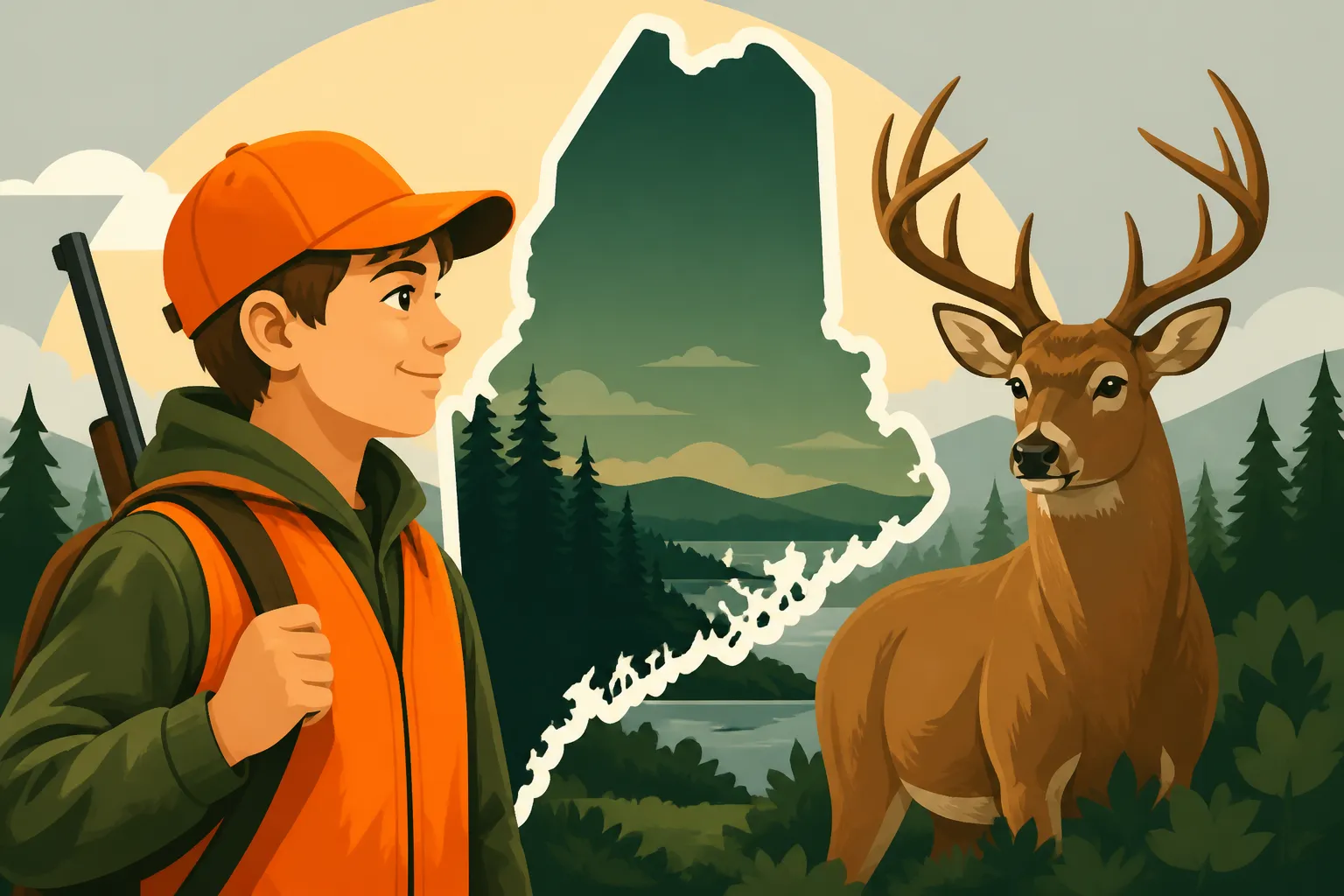
Maine is truly special when it comes to hunting, and we take immense pride in passing down our outdoor traditions. The dedicated youth deer hunt is a perfect example of this commitment, offering a unique chance for younger hunters to experience deer season in a less pressured environment. It’s more than just a hunt; it's an initiation into a heritage that runs deep in our state.
Why a Dedicated Youth Season Matters
The creation of a youth-only deer season isn't just a random act; it's a thoughtful approach to hunter recruitment and retention, designed to provide a specific window for young folks to learn and succeed. Imagine the pressure a new hunter feels on the regular opening day, surrounded by seasoned veterans. The youth season often precedes the general firearms season, meaning there's less competition in the woods. This reduced hunting pressure can lead to increased deer movement during daylight hours, offering young hunters a better chance at spotting and harvesting an animal. It’s also an invaluable opportunity for mentors to focus solely on their young charge without the added stress of their own hunt. This dedicated time allows for more patient teaching, better observation, and a calmer, more controlled environment for that crucial first shot. It fosters a sense of independence for the youth, knowing this day is truly theirs.
Specific Dates for the Youth Deer Hunt
Timing is everything in hunting, and the youth deer hunt is usually scheduled for a specific Saturday in late October, just before the main firearms season kicks off. This precise timing is no accident; it’s strategically chosen to capitalize on deer patterns before they become heavily pressured. For instance, in recent years, this special day has fallen on the Saturday closest to October 20th. It’s a single day, a focused effort, which makes planning essential. You’ll want to mark this date clearly on your calendar and start your preparations well in advance. Always double-check the current year’s official Maine Department of Inland Fisheries and Wildlife (MDIFW) hunting law book or their website, as dates can shift slightly from year to year. Knowing the exact date allows you to finalize your plans, confirm your hunting location, and make sure all necessary gear is ready.
Which WMDs Participate
One of the great things about Maine’s youth deer hunt is its widespread availability across the state. While certain zones have different antlerless permit allocations or extended seasons, the general youth deer hunt is typically open in all Wildlife Management Districts (WMDs) that are open for the regular deer season. This means that whether you're planning to hunt the thick cover of southern Maine, the farmlands of Aroostook County, or the sprawling timberlands of the North Woods, your young hunter will likely have an opportunity. This broad participation ensures that families across the state, regardless of their preferred hunting grounds, can take part in this special event. However, it's always prudent to confirm the specific WMD you intend to hunt, especially if there are any local regulations or land access considerations. Knowing your WMD is also crucial for understanding things like antlerless permits, which we’ll cover next. While most WMDs are open, always consult the official MDIFW regulations for any specific exceptions or rules that might apply to your chosen area.
Eligibility and Essential Requirements for Young Hunters
Getting started in hunting isn't just about grabbing a rifle and heading into the woods. There are foundational steps and strict requirements in place to ensure safety, ethical conduct, and a clear understanding of the rules. For young hunters, these steps are particularly important, laying the groundwork for a lifetime of responsible outdoor enjoyment.
Age Requirements for Youth Participants
Maine is clear about who can participate in the youth deer hunt. The opportunity is generally open to youth hunters aged 10 to 16 years old. That's a pretty wide window, allowing kids to get involved whether they're just starting elementary school or are already navigating high school. However, there's a crucial distinction for the younger end of that spectrum. Hunters under 10 years old cannot participate, and those aged 10, 11, or 12 must be accompanied by an adult who holds a valid Maine hunting license. This "mentored youth" concept is vital. For kids 13-16, they can hunt with a mentor or even independently, provided they meet all other requirements, including hunter education. It’s important to understand these age brackets, as they directly influence who needs to be present and what responsibilities that accompanying adult carries. The idea is to gradually introduce independence as the young hunter gains experience and demonstrates maturity in the field. This also ties into the broader Maine Mentored Youth Hunting Rules that allow new hunters to experience the field under supervision before full certification.
Mandatory Hunter Education for New Hunters
Before any young person can head afield with a firearm, they must complete a hunter education course. This isn't just a suggestion; it's a mandatory requirement in Maine for anyone applying for their first adult hunting license, and it applies equally to youth. The course covers crucial topics like firearm safety, wildlife identification, hunting ethics, map and compass skills, and game care. It instills the knowledge and discipline necessary to be a safe and responsible hunter. While the youth hunt offers a special opportunity, it doesn't bypass this fundamental safety requirement. There are several ways to complete this, including traditional in-person classes or certified online courses followed by a field day. Make sure you check the MDIFW website for approved courses and schedules well in advance, as popular classes can fill up quickly. Remember, this certification is a lifelong asset, not just a one-time hurdle. More details can be found in our comprehensive guide on Maine Hunter Education Requirements.
The Importance of a Qualified Adult Mentor
For youth hunters, particularly those under 16, a qualified adult mentor isn't just a companion; they are the bedrock of the entire experience. This mentor must be 18 years of age or older and possess a valid Maine hunting license. Their role extends far beyond simply being present. They are responsible for actively supervising the youth hunter, ensuring firearm safety at all times, making ethical decisions, and teaching practical field skills. This means being within a reasonable distance to provide direct supervision and instruction, actively watching the young hunter's actions, and ensuring they understand and follow all hunting laws. It's a chance to impart wisdom, share stories, and build a bond over a shared passion. Choosing the right mentor – someone patient, knowledgeable, and safety-conscious – is paramount to a positive and formative youth hunting experience. This mentorship is often where the most enduring lessons are learned, not just about hunting, but about respect for nature and oneself. The specific guidelines for the Minimum Age for Unsupervised Maine Hunting are clear about the need for mentors for younger participants.
Navigating Licenses and Permits for the Youth Season
The bureaucratic side of hunting, with its licenses and permits, can often feel like the most daunting part, even for seasoned hunters. For those introducing a young person to the sport, it’s even more critical to get it right. Understanding the specific requirements for the youth deer hunt ensures you’re legal and avoids any unnecessary stress in the field.
Youth Hunting License and Permit Structure
For the youth deer hunt, young participants need their own hunting license. This isn't a free-for-all; it's about establishing individual accountability and ensuring all hunters, regardless of age, are recognized by the state. Maine offers various Maine Hunting Licenses and What They Cost, including specific youth licenses that are generally less expensive than adult licenses. These can be purchased directly from the MDIFW website, authorized agents, or through the state's online portal. The key is that the youth must hold a valid Maine hunting license at the time of the hunt. This license will typically be either a junior hunting license or a junior archery license if they are participating in a youth archery hunt instead. Additionally, for the youth deer hunt, the youth must also possess a valid youth deer permit, which is usually included with their junior license or can be acquired as a specific endorsement. This permit is what grants them the ability to harvest a deer during the special youth season.
Antlerless Deer Permits and the Youth Hunt
One of the often-confusing aspects of deer hunting in Maine is the antlerless deer permit system, sometimes referred to as "any-deer permits." For the youth deer hunt, this system works a little differently and is generally much simpler. In most cases, a youth hunter participating in the dedicated youth deer hunt is allowed to harvest one deer of either sex without needing to apply for or draw an additional antlerless deer permit, provided they are hunting in a WMD open to antlerless harvest. This is a huge advantage, as it removes the uncertainty and competitive nature of the antlerless permit lottery for adult hunters. However, if the youth hunter wishes to harvest a second deer during another open season (like the general firearms season, assuming they're old enough to participate with an adult license and tag), they would then need to acquire the appropriate tags and permits for that season. The general rule of thumb for the youth hunt is: one deer, any sex, no separate antlerless permit needed for that specific day. Always verify the specific WMD rules, as deer management varies, but this is the common framework.
| Eligibility Criteria | Requirements for Youth Hunters | Notes |
|---|---|---|
| Age | 10-16 years old | 10-12 year olds must be accompanied by a licensed adult mentor. 13-16 year olds can hunt with or without an adult, assuming hunter education is complete. |
| Hunter Education | Mandatory completion of an approved course | Required for all first-time hunters. |
| Hunting License | Valid Maine Junior Hunting License | Must be purchased annually. |
| Deer Permit | Youth Deer Permit (often included with Junior License) | Allows harvest of one deer of either sex during the youth deer hunt. |
| Adult Mentor (if applicable) | 18+ years old, valid Maine hunting license, direct supervision | Required for 10-12 year olds. |
Registering Your Harvested Deer
The moment of truth arrives when a young hunter successfully harvests a deer. After the initial excitement, the next crucial step is registration. Just like adult hunters, youth hunters are required to register their deer within 18 hours of harvest at an official tagging station or online. This is vital for MDIFW to collect important biological data on the deer herd, assess population health, and manage future hunting seasons effectively. You’ll need to tag the deer immediately after the harvest with the tag provided with your youth license or permit. The physical tag must be securely affixed to the deer.
When you bring the deer to a tagging station, a game warden or authorized agent will collect information, inspect the animal, and officially register it. If you choose to use the online registration system or the MDIFW app, make sure you have good service and follow all prompts carefully to complete the process. This digital option can be incredibly convenient, especially if you're hunting in a remote area and need to register quickly. Even if you're using a digital tool like GoHunt to scout and plan your hunt, the official registration still needs to go through MDIFW's channels. Failing to properly register a deer is a serious violation, so it’s important to teach your young hunter the importance of this step as part of responsible hunting practice. Our guide on Maine Deer Registration Requirements provides a deeper dive into this necessary process.
Prioritizing Safety and Responsible Mentorship in the Field
Hunting is an incredible privilege that comes with immense responsibility, especially when you're guiding a young person. Safety isn't just a suggestion; it's the absolute foundation of a successful and ethical hunt. For youth hunts, the focus on safety and the mentor's role is even more pronounced, as we are teaching habits that will last a lifetime.
Blaze Orange and Visibility Requirements
Visibility in the woods during hunting season is non-negotiable, and Maine has clear Maine Blaze Orange Requirements that apply to all hunters, including youth. During the firearms deer season (and the youth deer hunt, which precedes it), hunters must wear at least two articles of blaze orange clothing that are in good condition and visible from all sides. This typically means a blaze orange hat and a blaze orange vest or jacket. The purpose is simple: to make yourself highly visible to other hunters, significantly reducing the risk of accidental shootings. For a young hunter, who might be smaller or less experienced in identifying other hunters, this is even more critical.
As a mentor, you need to ensure that not only are you in compliance, but your young charge is as well. Check their blaze orange before heading out: Is it clean? Is it bright? Does it fit properly without hindering movement or vision? Sometimes, younger kids might be less enthused about wearing bright colors, but explaining why it's important for their safety is a crucial part of their education. This also extends to any ground blinds you might be using; if you're hunting from a blind, make sure it has adequate blaze orange visible from all directions when occupied during firearms season.
Firearm Safety and Handling During the Hunt
The hunter education course is the starting point for firearm safety, but in-field application under a mentor's guidance is where those lessons truly solidify. The four cardinal rules of firearm safety — treat every firearm as if it's loaded, always point the muzzle in a safe direction, be sure of your target and what's beyond it, and keep your finger off the trigger until ready to shoot — must be constantly reinforced. For a youth hunter, this means the mentor is actively supervising every aspect of firearm handling.
Before the hunt, review how to load, unload, and safely carry the firearm. Practice aiming and dry firing in a safe direction. In the field, teach them how to safely cross obstacles, get into and out of a stand, and position themselves for a shot. When a deer is spotted, guide them through the process: identifying the target, ensuring a clear background, breathing, and trigger control. Many mentors will choose a smaller caliber firearm, like a .243 or 7mm-08, for youth hunters to minimize recoil and build confidence. Companies like Savage Arms and Winchester offer excellent youth model rifles that are scaled down for smaller frames. The goal is to build safe, confident habits that prioritize caution above all else, making sure that every shot taken is ethical and safe.
Mentor's Role and Responsibilities
The mentor's role is expansive and critical for the success and safety of the youth hunt. Beyond simply accompanying the youth, the mentor is ultimately responsible for the safe conduct of the hunt. This includes:
- Active Supervision: Always being within sight and sound of the youth hunter, providing immediate guidance and intervention if needed. This isn't a time to check your phone or wander off.
- Ethical Guidance: Teaching respect for wildlife, land, and other hunters. This includes proper shot placement for a humane harvest, following up on every shot, and understanding fair chase principles.
- Regulatory Compliance: Ensuring the youth (and themselves) comply with all hunting laws, including license possession, tag requirements, and WMD-specific rules. Tools like the GoHunt app or the MDIFW website can help keep track of these, but it's the mentor's job to be informed.
- Field Craft Instruction: Imparting practical skills such as tracking, reading sign, understanding wind direction and thermals, and proper field dressing techniques. This is where the wisdom of experience truly shines. For example, knowing how to interpret Reading Maine Mud for Fresh Deer Movement can be a game-changer.
- Emotional Support: Recognizing that a young hunter might experience a range of emotions, from excitement to frustration or even sadness after a harvest. The mentor provides encouragement, patience, and perspective.
The mentor is a teacher, a guide, and a role model. The lessons learned during a youth hunt extend far beyond the act of hunting itself, fostering responsibility, patience, and a deep appreciation for the natural world.
Making the Most of the Experience: Tips for Success
A youth deer hunt isn't just about the harvest; it's about the entire experience, from the anticipation of scouting to the camaraderie back at camp. To truly make the most of this special opportunity, a little planning and intentionality go a long way. Let's talk about some practical ways to maximize the learning and enjoyment for your young hunter.
Pre-Season Scouting and Preparation
Success in hunting often begins long before opening day, and this is especially true for youth hunters. Involving them in the pre-season scouting process can dramatically increase their engagement and understanding. Take them out to the woods weeks or even months before the season. Look for deer sign together: tracks, rub lines, scrape lines along a logging road, and feeding areas like a standing apple orchard or acorns. Explain why deer use certain areas, how topography affects their movement, and what different types of sign tell you. This is an excellent time to use a mapping application like GoHunt or the official Scouting With the Maine Hunting App to identify property lines, potential travel corridors, and bedding areas.
If you plan to use a treestand or ground blind, involve them in the process of selecting the location and setting it up safely. Consider Hanging a Stand on a Private Land Field Edge if you have permission, as it can offer easier access and clear sight lines. Discuss wind direction, entry and exit routes, and how to stay quiet. This preparation not only builds their knowledge but also creates a sense of ownership and excitement for the upcoming hunt. They'll be invested in the outcome because they've been part of the journey from the very beginning.
Gear Essentials and Cold Weather Comfort
Maine in late October can be crisp, damp, or downright cold, sometimes all in the same day. Keeping your young hunter comfortable is key to keeping them engaged and focused. Being cold, wet, or uncomfortable is a quick way to sour a hunting experience. Layering is crucial: a base layer to wick moisture, a middle layer for insulation, and an outer layer that's waterproof and windproof. Don't forget quality insulated boots, warm gloves or mittens, and a warm hat – much of a person's body heat is lost through their head and extremities.
Beyond clothing, think about other essentials. A comfortable seat in the blind or stand, snacks, a thermos of hot chocolate or soup, and maybe even a hand warmer packet can make a huge difference. If you're using a ground blind, consider brushing it in properly to blend with the surroundings, providing both concealment and a bit of a windbreak. A good set of binoculars, sized for small hands, can also keep them entertained and engaged as they scan for wildlife. Remember, it's better to be slightly over-prepared for the cold than under-prepared.
Creating Lasting Memories Beyond the Harvest
While harvesting a deer is certainly a thrilling goal, the true success of a youth hunt often lies in the memories created, regardless of whether a shot is fired. Emphasize the experience itself: the crisp morning air, the sounds of the waking woods, the sight of a squirrel scampering up a tree, or even just the quiet conversation shared between mentor and youth. Teach them about Maine Deer Camp Traditions, even if "camp" is just your backyard shed or garage where you process game.
If a deer is harvested, guide them through the entire process, from tracking and Field Dressing a Deer in Cold Weather to taking it to the tagging station. Involve them in the butchering and preparation of the meat, showing them the full cycle from field to table. If no deer is taken, focus on the lessons learned, the animals seen, and the quality time spent together. Remind them that every hunt is a learning experience, and the most valuable trophy is often the shared adventure and the bond strengthened in the solitude of the Maine woods. These are the moments they'll cherish and remember long after the season ends.
Disclaimer
Please remember that hunting regulations, seasons, and requirements can change. Always consult the most current official Maine Department of Inland Fisheries and Wildlife (MDIFW) regulations, laws, and advisories before planning or undertaking any hunting activity. This guide is for informational purposes only and does not supersede official state regulations.