Maine Expanded Archery Zone Closing Date
It's incredibly frustrating when you're trying to plan a deer hunt in Maine, especially in those unique Expanded Archery Zones, and the closing dates feel like a moving target or just plain confusing. You want to make the most of every legal minute in the woods, but figuring out the exact end of the season can be a real headache. This guide is here to untangle all that confusion, giving you a crystal-clear understanding of when Maine's Expanded Archery Zones close and how to maximize your hunting opportunities right up to that final day.
Deciphering Maine's Expanded Archery Zones
Maine's hunting landscape is rich and varied, but it also has its share of specific regulations designed to manage deer populations and provide additional hunting opportunities. The Expanded Archery Zones are a prime example of this, offering an extended season for bowhunters in areas where deer populations can sustain additional harvest pressure, often closer to human development. Many hunters, particularly those new to the state or coming from outside, find these zones a bit of a mystery at first glance, wondering why they exist and how they differ from the general statewide archery season.
What Makes These Zones "Expanded"?
The term "Expanded" isn't just for show; it refers directly to the extended timeframe for archery hunting. While the general archery season for deer in Maine has a set start and end date across most of the state, these special zones provide a much longer window. This extension is primarily in response to higher deer densities in certain areas, particularly those in southern and central Maine, where suburban and even urban encroachment has created pockets of excellent deer habitat but limited firearms hunting opportunities. The goal is to provide hunters with more time to pursue deer, helping to manage herd numbers, mitigate deer-vehicle collisions, and reduce property damage, all while using a quiet, localized method of harvest. It also allows for increased antlerless deer harvest, which is crucial for population control. For a broader overview of how these seasons fit into the overall picture, you might want to look into Maine Archery Season Dates.
Understanding the Zone Boundaries
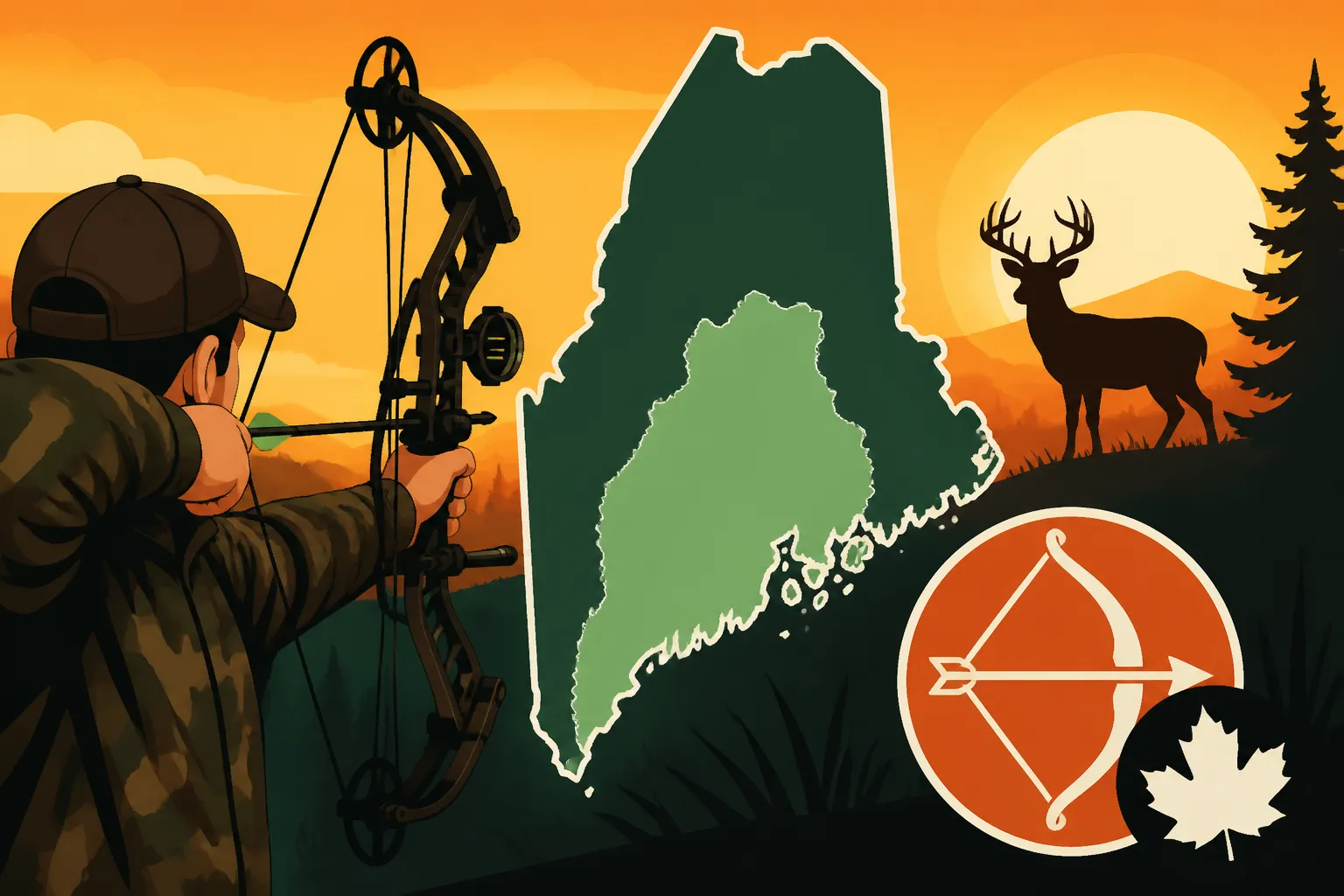
These Expanded Archery Zones aren't arbitrary; they are specifically designated areas, often following municipal boundaries or well-defined geographic features. They are largely concentrated in Wildlife Management Districts (WMDs) that have higher human populations and fragmented habitats, such as WMDs 15, 17, 20, 21, 24, and 29, among others. It’s crucial to understand that these are not the entire WMDs, but rather specific towns or portions of towns within those WMDs. You can't just assume if you're in a general WMD known for expanded archery that the entire area qualifies. It's often the more densely populated areas or those with specific landowner requests that get included. This localized approach can make it tricky to know exactly where you stand, but resources like the Maine Department of Inland Fisheries and Wildlife (MDIFW) website or a robust mapping application like GoHunt can help you pinpoint the precise boundaries. It's vital to know if the specific parcel you're hunting falls within one of these designated zones to avoid any legal missteps.
Pinpointing the Closing Date for Expanded Archery
This is where the rubber meets the road, and honestly, it's the part that causes the most head-scratching for hunters. Unlike the general statewide archery season, which typically wraps up before the firearms season, the Expanded Archery Zones push well beyond that, sometimes even overlapping with the muzzleloader season. However, even within these "expanded" zones, there isn't a single, universal closing date. It varies, and understanding these nuances is key to hunting legally and effectively.
The Standard Expanded Archery Zone Closure
For most of Maine's Expanded Archery Zones, the season extends significantly, pushing deep into the fall. Generally, the season for antlered deer (bucks) and antlerless deer (does) in these zones runs from early September right through the firearms and muzzleloader seasons. The most common closing date you'll encounter for a majority of these zones is Saturday, December 14th. This extension allows hunters who prefer archery or who have limited access during firearms season to continue pursuing deer for several additional weeks. This extended period, well past the traditional deer seasons, is specifically why many hunters eagerly await the chance of Hunting the Expanded Archery Season Into December. It provides a unique opportunity to hunt when deer patterns have changed due to colder weather and increased pressure from other seasons.
WMD-Specific Exceptions and Considerations
Now, here's where it gets a little more complex. While December 14th is a general closing date for many Expanded Archery Zones, it's not universal. There are often specific WMDs or even specific municipalities within WMDs that have slightly different dates. For instance, some may close earlier, while a few might even extend later into December, though this is less common for the general expanded archery. The critical takeaway is that you must check the current year's hunting law book or the MDIFW website for the precise closing date for the specific WMD and municipality you intend to hunt. Assuming a general date could lead to an unfortunate violation.
Additionally, within these zones, regulations regarding antlerless deer can also vary. While many allow for antlerless deer harvest throughout the expanded season (often requiring an Any-Deer Permit or being in a WMD that doesn't require one for antlerless), it’s crucial to verify. You'll want to be familiar with Maine Antlerless Permit Districts to ensure you're compliant, especially if you're targeting a doe. The entire point of the expanded zones is often to encourage antlerless harvest, but the rules for doing so need to be clearly understood.
Here's a simplified look at the typical expanded archery season structure, keeping in mind specific dates can shift slightly year to year:
| Season Type | Opening Date (Approx.) | Closing Date (Approx.) | Notes |
|---|---|---|---|
| General Archery Season | Early September | Late October | Statewide, no WMD restrictions (outside Expanded Zones). Bucks and antlered deer only, generally. |
| Expanded Archery Zones | Early September | December 14th | Specific WMDs/Municipalities. May allow antlerless harvest without permit in some areas or with a permit. |
| Youth Deer Weekend | Late October | Late October | Specific weekend for youth hunters, within Expanded Archery Zones, applies. |
| Resident-Only Day | Late October | Late October | Specific day for Maine residents, within Expanded Archery Zones, applies. |
| Firearms Season | Early November | Late November | Expanded Archery still open concurrently. |
| Muzzleloader Season | Early December | Mid-December | Expanded Archery still open concurrently. |
Note: Dates are approximate and subject to annual changes by MDIFW. Always consult the official Maine Hunting and Trapping Law Book for the current year.
Strategic Approaches for Late-Season Archery Success
Hunting the Expanded Archery Zones right up to the closing date offers unique challenges and incredible opportunities. By mid-December, deer behavior has changed dramatically from the early fall. The rut is over, temperatures are dropping, and deer are focused almost entirely on survival, which means finding food and cover. This late-season window can be incredibly productive for the patient and adaptable hunter.
Finding Late-Season Food Sources
As winter approaches, natural food sources become scarce. Acorns are long gone, most soft mast has disappeared, and browse quality declines. Deer shift their focus to whatever high-energy foods remain accessible. This typically means agricultural fields (especially corn stubble, if available, or even hay fields with some regrowth), unpicked apples, or evergreen browse in dense cedar swamps or conifer stands. Look for plots planted specifically for deer, like winter rye or brassicas, if you have access to private land where these have been cultivated. Even in more suburban Expanded Archery Zones, you might find deer targeting ornamental shrubs or backyard gardens if snow cover becomes deep.
Think about areas where deer can feed relatively undisturbed. A small, brushy woodlot adjacent to an active agriculture field can be a goldmine. Using aerial photos to identify these transition areas is incredibly helpful, even when considering Reading Aerial Photos for North Woods Deer, the principles apply here. Deer will often wait until low light to venture into open fields, so setting up on an edge or travel corridor becomes paramount. Don't overlook small, overlooked pockets of food near residential areas, as deer learn quickly where they can find sustenance with minimal disturbance.
Adapting to Increased Hunter Pressure
By mid-December, deer in many Expanded Archery Zones have experienced weeks, if not months, of pressure from various hunting seasons, including the general archery, youth, resident, firearms, and muzzleloader periods. This means they are incredibly wary. They'll be moving primarily at dawn and dusk, often using the thickest cover available, and holding tight during daylight hours. Your strategy needs to reflect this.
Instead of still-hunting or spot-and-stalk (which can be effective earlier in the expanded season), a stationary approach from a tree stand or ground blind is often best. Focus on pinch points, funnels, and natural travel corridors between bedding areas and late-season food sources. Pay close attention to wind direction, thermals, and your scent control. Deer are on high alert, and any misstep can send them to the next county. Consider how deer will move through these zones, looking for the path of least resistance while also offering maximum security. Hunting pressure near a Maine town often pushes deer into surprisingly small, dense cover that hunters might overlook.
Leveraging Mapping Tools for Success
In these often-fragmented Expanded Archery Zones, having a detailed understanding of property lines, topography, and habitat is non-negotiable. This is where modern mapping applications become your best friend. Tools like GoHunt's mapping features can be invaluable for identifying key features. You can overlay WMD boundaries, public land boundaries, and even parcel data to ensure you're hunting legally and ethically.
Look for pockets of dense cover adjacent to food sources. Identify potential bedding areas—often thick evergreens, brushy swamps, or even overlooked residential thickets. Use satellite imagery to scout travel routes, such as old logging roads, creek bottoms, or fence lines that provide cover for deer moving from bedding to feeding. Apps like GoHunt can also show you recent satellite imagery, which might reveal new clear-cuts or changes in vegetation that could influence deer movement. When planning your route, consider how onX Layers for Maine Land Status can help you distinguish between public and private land, and where permission is needed. Scouting With the Maine Hunting App or similar digital tools before you ever step foot in the woods will give you a significant advantage.
Navigating Regulations and Ensuring Compliance
Hunting in Maine's Expanded Archery Zones comes with its own set of rules, and adhering to them is paramount. The blend of extended seasons, specific geographic boundaries, and the proximity to residential areas means hunters need to be extra diligent. It's not just about filling your tag; it's about being a responsible and respectful hunter.
Why Double-Checking WMDs is Crucial
As we've discussed, the term "Expanded Archery Zone" doesn't mean "anywhere you want to go with a bow." These are specific, defined areas, often within larger WMDs, and the rules and dates can vary. Before every hunt, especially in these transitional zones, take the time to verify that the parcel you intend to hunt is indeed within a designated Expanded Archery Zone for the current season. This often involves checking the MDIFW website's updated map and current law book. Don't rely on memory or what was true last year. Boundaries can shift, and regulations can be updated. Even if you're a seasoned veteran, cross-referencing your information with the latest official sources and tools like GoHunt is always a smart move to avoid unintentional violations. Your efforts to track Maine Deer Harvest Records for your specific WMD can give insight into population health, but always confirm the current year's rules.
The Importance of Antlerless Deer Permits
Many Expanded Archery Zones are specifically designed to help manage deer populations by encouraging the harvest of antlerless deer. In some of these zones, an Any-Deer Permit might not be required to harvest an antlerless deer during the expanded archery season, but in others, it absolutely is. This is a critical distinction that can vary by WMD and even by the specific expanded zone. Always check the current regulations regarding antlerless deer harvest in your chosen zone. If a permit is required, ensure you have one that is valid for that specific WMD. Taking an antlerless deer without the proper permit is a serious violation. Understanding your specific WMD's stance on antlerless deer is as important as knowing the closing date itself.
Respecting Landowner Rights in Developed Areas
Hunting in Expanded Archery Zones often means hunting in closer proximity to residential areas, public trails, and other human activity. This demands an even higher level of respect for private property and public safety. Maine has a strong tradition of implied permission on private land, but this does not apply to "posted" land or certain developed areas. Always confirm if the land you intend to hunt is open to public access, and if it's private land, always seek explicit permission from the landowner, preferably in writing. Familiarize yourself with Maine Trespass and Permission Law. Even if hunting is allowed, be mindful of noise, where your arrows might land, and how your presence might impact residents.
These zones are a privilege, and maintaining good landowner relations is crucial for their continued existence. The future of hunting in these areas depends on hunters being responsible, discreet, and respectful of both the wildlife and the people who live nearby. Knowing the precise closing date for the Expanded Archery Zones isn't just a matter of legal compliance; it's about honoring the opportunity to hunt during a special time and ensuring these chances remain available for generations to come.
Disclaimer
The information provided in this guide is for general informational purposes only and does not constitute legal advice. Hunting laws and regulations in Maine can change annually. It is the responsibility of every hunter to consult the most current official Maine Hunting and Trapping Law Book and the Maine Department of Inland Fisheries and Wildlife (MDIFW) website for precise and up-to-date regulations, including season dates, bag limits, and specific zone boundaries, before engaging in any hunting activities.