Maine Resident-Only Day Rules
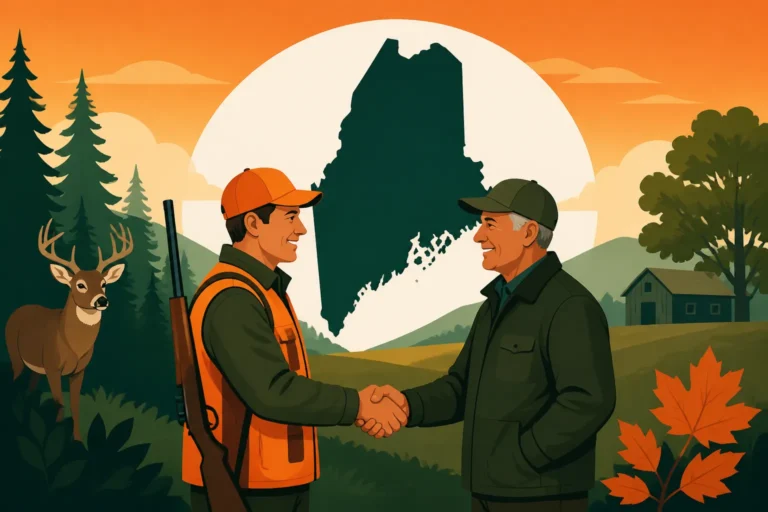
Maine's woods come alive with anticipation long before the main firearms season, but for resident hunters, there's a special day set aside just for them—a chance to hit the woods when the pressure is considerably lighter. This guide will walk you through everything you need to know about Maine's Resident-Only Deer Day, from understanding its purpose to maximizing your chances of success and avoiding common pitfalls, ensuring you're ready to make the most of this unique opportunity.
Understanding Maine's Resident-Only Deer Day
For many years, resident hunters in Maine have enjoyed a distinct advantage: a special day dedicated solely to them before the throngs of nonresident hunters arrive for the full firearms season. This isn't just a random scheduling quirk; it's a deliberate choice by the state, steeped in tradition and designed to offer resident hunters a unique experience.
What is the Resident-Only Day and Why Does it Exist?
The Resident-Only Deer Day, typically the Saturday before the full firearms season opens, is exactly what it sounds like: a day when only Maine residents holding the appropriate licenses are permitted to hunt deer with firearms. It's a cherished tradition that serves multiple purposes. First and foremost, it acknowledges the long-standing commitment of Maine residents to their hunting heritage and contributes to wildlife conservation efforts year-round through their license fees. It's a thank-you, in a way, for their dedication.
Secondly, and perhaps most importantly for the hunters themselves, it offers a window of opportunity to hunt when the woods are considerably less pressured. Imagine walking through your favorite hunting spot without seeing a dozen other trucks or bumping into fellow hunters every few hundred yards. That's the dream this day often provides. It gives residents a head start, a quieter chance to pursue deer before the full rush of the regular season truly begins. For those who invest in Maine Resident License Options and immerse themselves in the local hunting scene, it feels like a well-deserved reward.
Historical Context and Evolution of the Day
The concept of a resident-only day isn't new; it has roots in efforts to manage deer populations while also preserving a unique hunting experience for local participants. Historically, many states, including Maine, have sought ways to balance hunting access for residents and non-residents alike, recognizing the distinct contributions each group makes. The resident-only day emerged as a way to give local hunters a tangible benefit, a time when they could enjoy the solitude and potentially less-spooked deer that characterize early season hunting.
Over the years, the exact timing and rules might have seen minor tweaks, but the core principle has remained constant: prioritize Maine residents for a specific, valuable hunting opportunity. This tradition is a point of pride for many Mainers, showcasing a commitment to local hunters and the state's deep-seated hunting culture. It’s part of what makes hunting in Maine feel so authentic and tied to the land.
Eligibility and What You Need to Hunt
So, you're a Maine resident and you're keen to take advantage of this special day. But who exactly qualifies, and what paperwork do you need to have in order? It's crucial to understand the rules around eligibility and required documentation to ensure your hunt is legal and enjoyable.
Who Qualifies as a "Resident Hunter"
To participate in Maine's Resident-Only Deer Day, you must, naturally, be a bona fide resident of Maine. The state's definition of residency for hunting licenses is generally tied to where you primarily live, vote, and pay taxes. Simply owning a camp in Maine or spending summers here doesn't automatically qualify you. You'll need to meet specific criteria, often involving having lived in the state for a continuous period (usually 3 months or more) prior to applying for your license.
Once you meet the residency requirements, you'll need a valid Maine hunting license that includes big game privileges. This usually means a "resident big game hunting license" or a "resident combination hunting and fishing license." Always double-check the current year's regulations published by the Maine Department of Inland Fisheries & Wildlife (MDIFW) to confirm the exact license needed. Having your license in order is the first and most critical step before you even think about stepping into the woods.
Junior Hunters and Apprentice Licenses
Maine is incredibly supportive of getting the next generation into hunting, and the Resident-Only Day is a fantastic opportunity for young hunters. Junior hunters, typically those aged 10-15, can participate provided they meet specific requirements. They must possess a valid junior hunting license and have successfully completed a recognized Maine Hunter Education Requirements course.
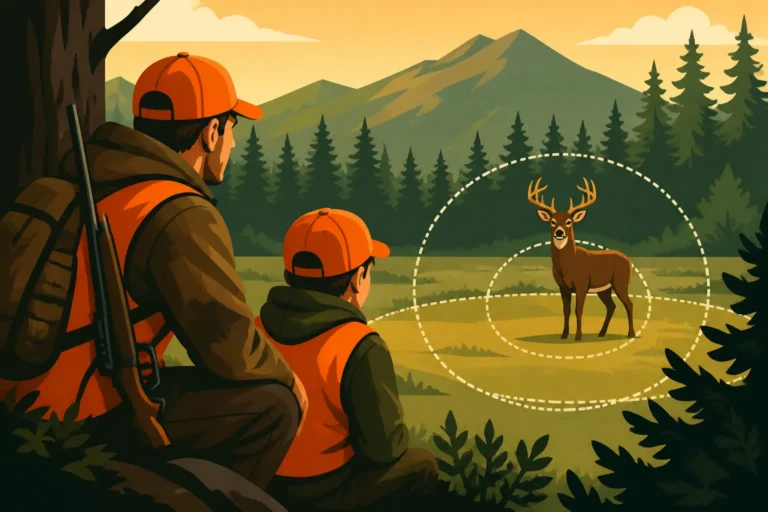
For those just starting out and not yet hunter-education certified, Maine also offers an Maine Apprentice Hunter License Rules program. This allows a new hunter, regardless of age, to hunt under the direct supervision of an experienced, licensed mentor. This apprentice program extends to the Resident-Only Day, providing a perfect, lower-pressure environment for a mentor to introduce a newcomer to deer hunting. The mentor must be at least 18 years old and hold a valid hunting license. This means a parent, guardian, or other experienced hunter can take a youth or new adult hunter out, providing invaluable guidance and supervision while enjoying the resident-only privilege. It's a wonderful way to pass on the tradition without the added intensity of the full season opener.
Required Licenses and Permits
Beyond your basic resident hunting license, there isn't a separate or additional permit specifically required for the Resident-Only Deer Day itself. This day is simply an opening to use your existing big game license. However, you must still adhere to all other general deer hunting regulations. This includes, for instance, needing an antlerless deer permit if you intend to harvest a doe in a Wildlife Management District (WMD) where they are required, and you were lucky enough to draw one in the lottery. The Resident-Only Day doesn't grant a special exemption from these other permits; it only specifies who can hunt on that particular day.
So, while the day itself doesn't demand an extra piece of paper, ensure you've got all your ducks (or deer permits!) in a row based on your hunting plans and chosen WMD. A quick check of the MDIFW regulations booklet or website is always a good idea before heading out.
Permitted Species and Gear Restrictions
Knowing when you can hunt is only half the battle; knowing what you can hunt and how you can hunt it is equally vital. The Resident-Only Deer Day has specific rules to maintain its focus and ensure fair chase.
Legal Game: Deer Only
This is perhaps the simplest rule to remember, but one that hunters sometimes overlook in their excitement. On the Resident-Only Deer Day, only deer are legal game. You cannot take a bear, a moose, an upland bird, or any other species. This day is exclusively for white-tailed deer. While Maine has a generous Upland Bird and Small Game Hunting in Maine season that overlaps with deer season, those species are off-limits on this specific day.
It's easy to get distracted if a grouse flushes or a rabbit bolts, but resist the urge to raise your firearm for anything other than a deer. Focusing solely on deer also helps maintain the integrity of the day, ensuring the experience remains about that specific pursuit. Any attempt to harvest another species on this day would be a violation and could lead to significant penalties.
Approved Weaponry for Resident-Only Day
The Resident-Only Deer Day aligns with the general firearms season for deer, meaning standard Maine Legal Firearms for Deer Hunting are permitted. This includes shotguns, rifles, muzzleloaders, and handguns that meet the minimum caliber and energy requirements set by the state. Crossbows are also legal, provided the hunter meets the relevant Maine Crossbow Season Eligibility criteria.
It's important to differentiate this from Maine's archery-only seasons or expanded archery zones, which have different weapon restrictions. On the Resident-Only Day, you're essentially operating under the same weapon rules as the regular firearms season. Ensure your firearm is sighted in, in good working order, and you are proficient with it. Safety is paramount, and familiarity with your chosen weapon is a non-negotiable part of responsible hunting.
Blaze Orange Requirements and Safety
Just like the rest of Maine's firearms deer season, wearing blaze orange is not just recommended, it's legally mandated for your safety on the Resident-Only Deer Day. Hunters must wear two articles of solid blaze orange clothing (e.g., a hat and vest) that are in good condition and visible from all sides. The specific requirements can be found in the MDIFW hunting regulations, but generally, it means at least 400 square inches of blaze orange, visible above the waist. This applies whether you're actively hunting, walking to your stand, or even dragging a deer out of the woods. For full details on the required amount and placement, check out Maine Blaze Orange Requirements.
This safety measure is critical. Even though there might be fewer hunters in the woods on Resident-Only Day, every hunter must assume others are present and take precautions. Never rely solely on blaze orange, always identify your target positively, and be aware of your surroundings. The woods, especially in the early morning or late evening, can play tricks on your eyes, and clear identification is your most important safety tool.
Maximizing Your Advantage on Resident-Only Day
The beauty of the Resident-Only Day isn't just about legality; it's about strategy. This day offers unique opportunities that the regular firearms season, with its higher pressure, simply doesn't. Savvy resident hunters know how to leverage these conditions to their benefit.
Capitalizing on Lower Hunting Pressure
One of the biggest advantages of the Resident-Only Day is the reduced hunting pressure. When the full firearms season opens, countless hunters flood the woods, pushing deer from their bedding areas, changing their patterns, and making them much warier. On Resident-Only Day, while there will certainly be other hunters, the sheer volume is significantly lower.
This means deer are often less jumpy and more likely to stick to their natural routines. You might find deer still using agricultural fields during daylight hours, moving between bedding and feeding areas more predictably, or even holding tighter in cover. This can make still-hunting more effective, and deer might respond better to calls or stand setups. It's a chance to hunt deer that haven't been relentlessly pursued for days, offering a more relaxed and, often, more rewarding experience. This lower pressure can even extend to areas usually experiencing Hunting Pressure Near a Maine Town, making those spots more viable.
Pre-Season Scouting for Success
To truly capitalize on this low-pressure day, thorough pre-season scouting is absolutely essential. Don't wait until the day before to hit the woods. Spend weeks, if not months, exploring your chosen hunting grounds. Look for fresh deer sign: rubs, scrapes, tracks, and droppings. Identify key food sources (acorns, apples, browse), bedding areas (thick cover, cedar swamps), and natural funnels (ridge saddles, creek bottoms).
Tools like aerial maps and GPS apps are invaluable. A service like GoHunt can be a game-changer for digital scouting, allowing you to layer property lines, topo maps, and satellite imagery to identify prime hunting locations before you even set foot in the woods. You can mark potential stand sites, plan your entry and exit routes, and visualize deer movement patterns. Remember, deer patterns are often tied to specific food sources or travel corridors. Identifying these before the season helps you put yourself in the best position when Resident-Only Day rolls around. For more in-depth scouting tips, consider learning about Scouting Maine Private Land Before Season.
Focusing on Private Land Opportunities
While public lands are certainly an option, the Resident-Only Day presents a prime opportunity to focus on private land where you've secured permission. With fewer hunters out, landowners might be more amenable to granting access, especially if you approach them respectfully and well in advance of the season. Many landowners appreciate responsible hunters who take the time to ask permission, and on a day with less overall traffic, they may feel more comfortable with your presence.
If you've built relationships with landowners over the years, this is the day to leverage that trust. Hunting private land often means less competition and potentially more predictable deer movements, as the deer are less likely to be pushed around by a constant stream of hunters. Always carry written permission if required by the landowner, and strictly adhere to their rules and boundaries. Tools like GoHunt can also help you identify specific landowners and property lines, making the process of asking permission more streamlined and professional.
Navigating Rules and Avoiding Common Mistakes
Even on a special day, the law is the law. Understanding and adhering to all regulations is paramount for a safe, ethical, and legal hunt. Skipping over the details can lead to fines, loss of privileges, and even harm to others.
Understanding Posted Land and Permission
Maine has a unique tradition of "implied permission" on unposted private land, meaning you can generally hunt unless the land is explicitly marked as "No Trespassing." However, this doesn't apply everywhere, and it's always best practice to seek explicit permission, especially on smaller tracts or near residences. On Resident-Only Day, just like any other day, you must respect Maine Posted Land Rules. Signs must be clearly visible, and if you see them, you must stay off.
The best approach, particularly for private land, is to Asking a Maine Landowner for Permission well in advance. Some landowners might grant permission for this specific day but not the entire season, or vice-versa. Always clarify the scope of your permission. Never assume. If in doubt, stay out. Ignorance of the law is no excuse, and Maine game wardens take trespass violations very seriously. A simple, polite conversation can prevent a lot of headaches. In some cases, a landowner might even prefer to have a known hunter on their property during the low-pressure Resident-Only Day to help manage the deer population.
Avoiding Common Violations
The Resident-Only Day is still a part of the deer hunting season, and all general regulations apply. Don't fall into the trap of thinking it's a "free-for-all." Common mistakes include:
- Hunting Other Species: As mentioned, only deer are legal. Accidentally shooting a turkey or a bear would be a violation.
- Tagging Violations: Once you harvest a deer, you must immediately attach your tag to the animal. Failure to do so can result in fines. Ensure your tag is properly filled out before heading afield.
- Exceeding Bag Limits: You are still limited by your Maine Buck Bag Limit and any antlerless permits you hold for your specific WMD. This day doesn't grant you extra tags.
- Illegal Hours: Hunting hours are typically from one-half hour before sunrise to one-half hour after sunset. Do not start too early or stay too late.
- Alcohol or Drugs: Hunting under the influence is strictly prohibited and incredibly dangerous.
A simple table can help summarize some key points:
| Aspect | Allowed on Resident-Only Day | Not Allowed on Resident-Only Day |
|---|---|---|
| Hunters | Maine Residents with valid license | Non-residents, residents without valid license |
| Species | White-tailed Deer only | Bear, moose, turkey, upland birds, small game, etc. |
| Weaponry | Legal firearms (rifle, shotgun, muzzleloader, handgun), crossbows | Archery equipment only (unless also valid for firearms season) |
| Blaze Orange | Required (hat and vest, 400+ sq. inches) | No blaze orange (unsafe and illegal) |
| Private Land | With landowner permission (implied or explicit) | On "Posted" land, or without explicit permission if required |
| Youth Participation | Junior hunters with license/hunter ed, apprentice hunters with mentor | Unlicensed/unmentored youth |
Deer Registration: What to Do After the Shot
Congratulations, you've harvested a deer on Resident-Only Day! Your responsibilities don't end there. You must Maine Deer Registration Requirements by the deadline, typically within 18 hours of harvesting the animal. Maine offers several convenient ways to do this, including online through the MDIFW website or via their mobile app. Some local general stores or registration stations may also be open.
When you register, you'll need to provide details about your harvest, including the WMD, sex of the deer, and the date. Once registered, you'll receive a confirmation number. This process is crucial for MDIFW to collect vital data on deer populations, harvest rates, and management strategies. Do not transport your deer beyond its initial field dressing location before it is properly tagged and you know how you will register it. Planning for registration is just as important as planning the hunt itself.
Planning Your Hunt: Locations and Logistics
With the rules understood and your gear ready, the final piece of the puzzle is solidifying your hunting plan. Where will you go? What's your strategy for the day? And what happens once you've been successful?
Choosing Your Hunting Ground: Public Versus Private
The choice between public and private land largely depends on your access and comfort level. Public lands, such as Maine Wildlife Management Areas or Public Reserved Lands, are always an option and are clearly marked. They offer vast tracts of woods, but you might still encounter other resident hunters, albeit fewer than on the regular opening day. Using mapping applications, especially those like GoHunt, can help you identify public land boundaries, access points, and even show you satellite views of timber cuts or potential deer habitat. These tools are fantastic for finding Best Public Ground for Northern Maine Deer or Best Public Ground for Southern Maine Deer before you leave your couch.
Private land, assuming you have permission, often provides a more controlled environment. You know who else (if anyone) will be hunting, and you might have a better understanding of the deer's behavior on that specific parcel. The key is to secure that permission well in advance and respect the landowner's wishes completely. Whether public or private, having a specific area scouted and a planned approach will drastically increase your odds.
Early Morning and Evening Strategies
On Resident-Only Day, much like any deer hunt, the early morning and late evening hours are often the most productive. Deer are naturally most active during these low-light periods, moving between bedding areas and food sources. Getting into your stand or still-hunting quietly into a promising area before first light is critical. This minimizes your disturbance and puts you in position when deer are on the move.
For the morning, consider setting up near a known travel corridor leading to a bedding area or a fresh food source. In the evening, focus on feeding areas like apple orchards (Hunting a Standing Apple Orchard), acorn flats (Hunting After a Poor Acorn Year), or active agricultural fields. If you're still-hunting, move slowly and deliberately, pausing frequently to scan your surroundings. Use the quieter conditions of Resident-Only Day to your advantage; don't rush, and let the deer come to you.
Post-Harvest Steps and Camp Logistics
Once you've made a successful harvest, the real work begins. Field dressing the deer quickly and efficiently is crucial for preserving the meat. If you're hunting in particularly cold weather, Field Dressing a Deer in Cold Weather requires a slightly different approach to prevent freezing or rapid cooling that can impact processing. Have a plan for getting the deer out of the woods. This might involve a deer cart, a sled in the snow, or even breaking the deer down into manageable pieces for packing out.
Finally, consider your camp logistics. Do you have a place to hang the deer to cool? Are there local meat processors available if you don't plan to Butchering a Deer at Camp yourself? Know the Maine Deer Registration Requirements and how you will complete them. Thinking through these steps before you even pull the trigger will make the entire experience smoother and more enjoyable, even if it means Dragging a Deer Out of a Cedar Swamp after a long day. Having a reliable mapping app like GoHunt can even help you pinpoint the nearest registration station or processor while you're still in the field.
Disclaimer
Please note: The information provided in this guide is for informational purposes only and is not a substitute for the official Maine Department of Inland Fisheries & Wildlife (MDIFW) hunting regulations. Hunters are responsible for knowing and adhering to all current state laws and regulations. Always consult the most recent MDIFW hunting law book or their official website before heading into the field.