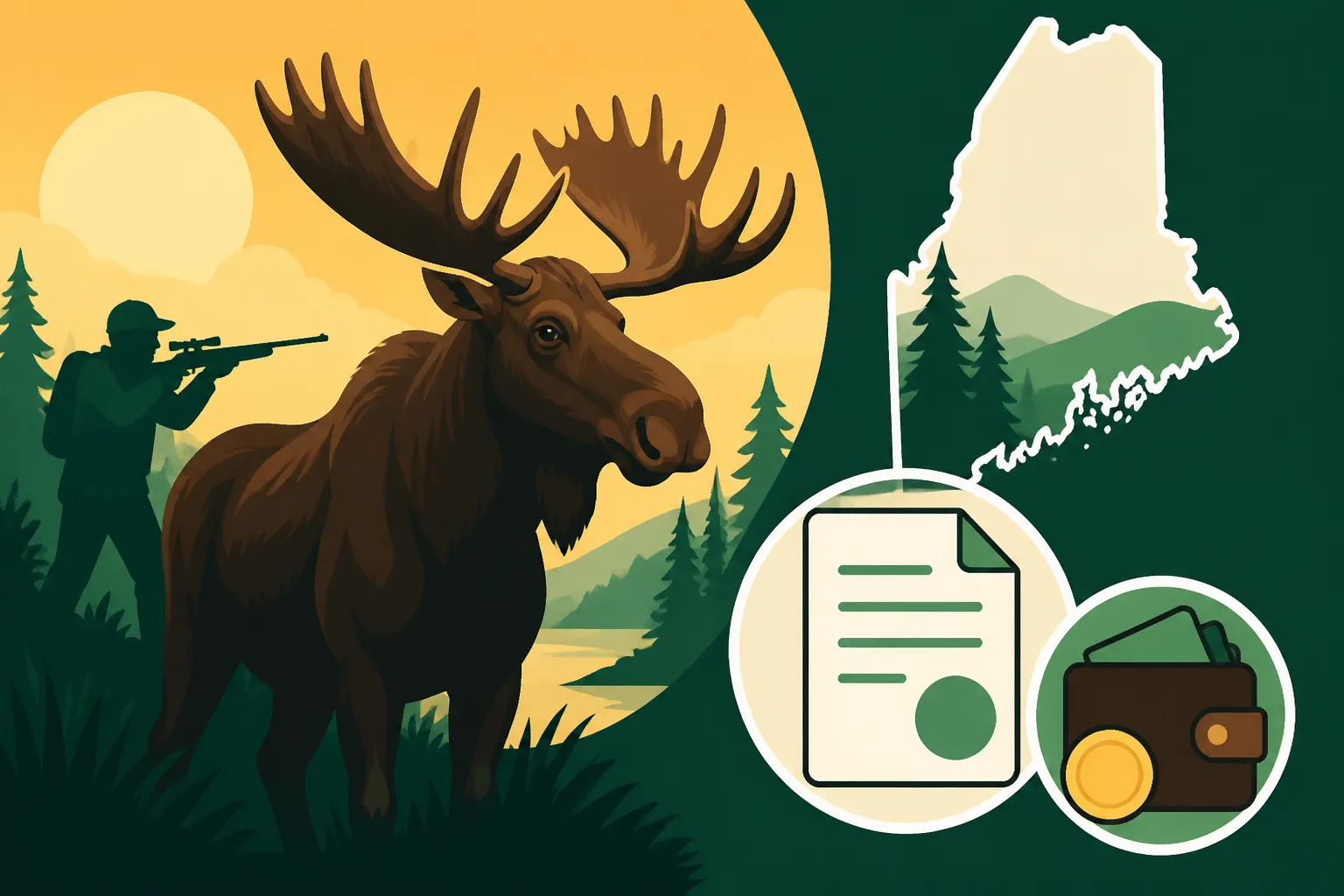
Maine Moose Application Fee
It can be incredibly frustrating to navigate the labyrinth of hunting regulations and fees, especially when you're dreaming of a once-in-a-lifetime hunt like a Maine moose. Many hopeful hunters find themselves scratching their heads, wondering exactly what that initial application fee covers and what it means for their chances. This guide aims to clear up all the confusion surrounding the Maine moose application fee, detailing what you pay, why you pay it, and how it plays into the overall journey of securing one of those coveted tags.
Understanding the Maine Moose Application Fee
Let's get right down to it: the Maine moose application fee is a small but critical investment you make for a chance at a truly epic hunt. It's the gate pass to the dream, the initial handshake with Lady Luck. Many hunters, especially those new to lottery systems, often confuse this fee with the actual permit cost, and that’s a common misconception we need to clear up.
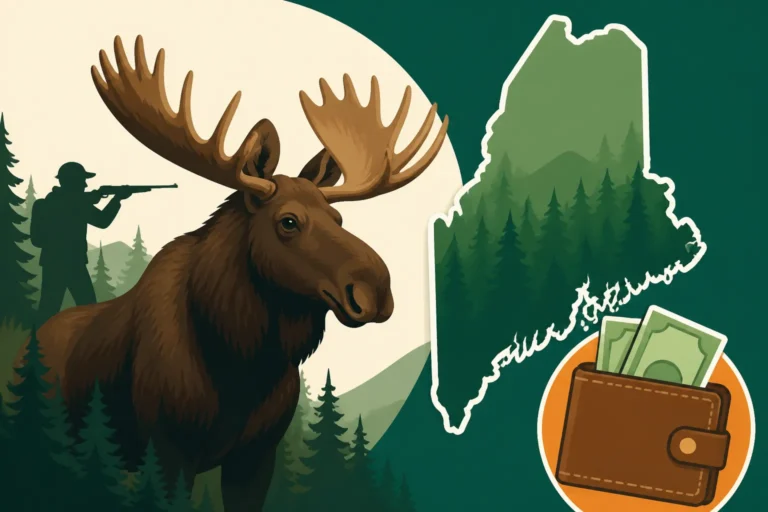
This fee, which currently stands at $15 for both residents and non-residents, is a non-refundable charge that covers the administrative costs associated with running the highly complex moose lottery. Think about it: hundreds of thousands of applications need to be processed, data entered, bonus points calculated, and the actual drawing conducted fairly and transparently. The Maine Department of Inland Fisheries and Wildlife (MDIFW) has a significant undertaking managing this popular lottery, and your application fee directly supports those efforts. It's not just a random charge; it's what keeps the wheels turning on one of the most anticipated draws in North American hunting. This fee ensures that the system is maintained and remains accessible to everyone who wants a shot.
It’s crucial to understand that this $15 is only for the application itself, granting you one entry into the annual lottery. It does not, in any way, guarantee you a permit. If you are fortunate enough to be drawn, there will be an additional, much larger fee to actually purchase your Maine moose permit. This two-tiered payment system can catch some folks off guard, leading to surprise expenses if they haven't budgeted correctly. For a resident, the permit itself will cost $59, while non-residents face a substantially higher fee of $585. These costs are on top of your general Maine hunting licenses and any other permits you might need, like a big game license. So, while $15 feels small, it's just the tip of the iceberg in terms of total investment. Many folks miss this detail, getting excited about the draw only to realize the significant financial commitment still ahead. Knowing these numbers upfront helps you plan your hunt budget realistically. You can learn more about specific costs in our guide on Maine Moose Permit Cost for Residents.
Navigating the Moose Lottery Application Process
Applying for a Maine moose permit, while straightforward once you understand it, requires attention to detail. The application fee is just one piece of the puzzle. The process is primarily handled online, which is a convenience for most, allowing you to apply from the comfort of your home. However, you still have the option to mail in a paper application if you prefer the traditional route. Whichever method you choose, ensuring your $15 application fee is paid correctly and on time is paramount.
When applying online through the MDIFW's official portal, you’ll be guided through selecting your preferred Wildlife Management Districts (WMDs), designating a sub-permittee (if you plan to hunt with someone else who can also harvest a moose), and ultimately providing your payment information for the $15 application fee. Credit card payments are standard for online applications. Double-check all your information before submitting, especially your WMD choices, as mistakes here can't usually be corrected once the application is in. The system will typically send you a confirmation email once your application and payment are successfully processed, which is a good practice to save for your records. If you opt for a mail-in application, you'll need to include a check or money order for the $15 fee with your completed form. The MDIFW website usually provides the necessary forms and mailing addresses.
A critical aspect of the application process is understanding the Maine Moose Lottery Application Deadline. Missing this deadline means you're out of the running for that year, no exceptions, regardless of how ready you were to pay that application fee. This deadline typically falls in mid-May, but it's always best to check the official MDIFW website for the exact date each year, as it can shift slightly. Another crucial element is Maine's bonus point system. For every consecutive year you apply for the moose lottery and are not drawn, you accumulate a bonus point. These bonus points increase your odds of being drawn in subsequent years, though it's never a guarantee. Each bonus point is essentially another "entry" for you in the lottery. Even if you decide not to apply for a permit in a given year, you can still purchase a bonus point for the same $15 fee to maintain or increase your standing for future draws. This is a smart strategy for many hunters playing the long game. You can delve deeper into this by reading about the Maine Moose Lottery Application Process.
Maximizing Your Chances and Understanding the Investment
For many, the Maine moose lottery is a long-term endeavor. Paying that $15 application fee each year isn't just a cost; it's an investment in a future opportunity. The bonus point system is a testament to this, rewarding persistent applicants. As mentioned, each year you apply and don't draw, you gain a bonus point, which significantly improves your mathematical odds in the following years. This means that while you might be frustrated not drawing in your first few attempts, that $15 fee is actually buying you increasingly better chances down the line. It really does pay to be consistent, even if it feels like a small trickle of money going out each spring.
When it comes to putting that application fee to good use, strategic planning is key. This is where tools like GoHunt can be incredibly valuable. While many hunters associate GoHunt with Western draws, their detailed mapping, WMD information, and draw odds analysis can be applied to the Maine lottery as well. You can use their tools to research which WMDs have higher success rates, which might offer a better chance based on your bonus points, and what the typical terrain and access are like. Understanding these factors can help you make informed choices on your application, rather than just picking WMDs blindly. For example, some WMDs have significantly higher moose densities than others, but might also have more difficult terrain or less public access. Using resources to understand these nuances can make your $15 application fee a much more effective investment.
The application fee is just the start of your financial commitment. If you're one of the lucky few to be drawn, then you’ll pay the actual permit fee – $59 for residents, $585 for non-residents – which is still separate from your general hunting license. Then comes the real investment: gear, travel, lodging, potentially hiring a Registered Maine Guide, and meat processing. A fully guided Booking a Guided Maine Moose Hunt can run into the thousands, sometimes upwards of $5,000 to $10,000 or more, depending on the outfitter and what's included. Even a self-guided hunt in the North Maine Woods will involve significant costs for fuel, food, and potentially North Maine Woods gate fees and camping. This perspective helps contextualize that initial $15. It’s a minimal entry point into a potentially much larger, but incredibly rewarding, adventure. Make sure you understand the full financial picture so you're not caught off guard if your number comes up. You can explore how drawn permits are managed in our article about What a Drawn Moose Zone Assignment Means.
Application Fees and Permit Costs
To give you a clearer picture of the financial commitment involved in the Maine moose lottery and permit process, here's a breakdown of the typical costs. These figures are subject to change, so always consult the MDIFW website for the most current information.
| Item | Resident Cost | Non-Resident Cost | Notes |
|---|---|---|---|
| Moose Permit Application Fee | $15.00 | $15.00 | Non-refundable. Required to enter the lottery. This also applies if you are only purchasing a bonus point without applying for a permit. |
| If Drawn: Moose Permit Fee | $59.00 | $585.00 | This is the cost to purchase the actual moose permit if your name is drawn in the lottery. It is paid after a successful draw. |
| Annual Bonus Point Purchase | $15.00 | $15.00 | If you wish to only accumulate a bonus point for future draws without entering the current year's lottery for a permit. Non-refundable. |
| Maine Big Game Hunting License | Varies | Varies | You must possess a valid Maine hunting license to legally hunt. Costs vary based on residency, age, and type (e.g., resident hunting, nonresident big game, combo licenses). This is separate from the moose permit fee. |
| Maine Archery Permit (if applicable) | ~$13.00 | ~$33.00 | If you plan to hunt moose during the archery season, an archery permit is required in addition to your regular hunting license and moose permit. |
Remember, this table doesn't include the costs associated with your general Maine Resident License Options or Maine Nonresident License Options, the cost of travel, gear, lodging, or any guided services. Think of these fees as foundational.
What Happens If You Don't Draw a Moose Permit?
It's a tough pill to swallow, but the reality is that many hopeful hunters pay their $15 application fee year after year without drawing a moose permit. It’s part of the game when you're dealing with a lottery for such a highly sought-after tag. The feeling of disappointment when the draw results are announced and your name isn't on the list is real, and it can be discouraging. You might feel like that $15 was simply money thrown away, but that's not quite the case when you consider the bonus point system.
As we discussed, Maine has a system where for every year you apply for the lottery and are unsuccessful, you accrue a bonus point. These points significantly increase your odds in subsequent draws. So, while you didn't get a tag this year, your $15 investment wasn't for nothing; it actually bought you a better chance for next year. It's a long game, a marathon, not a sprint. Many successful moose hunters will tell you stories of applying for a decade or more before finally drawing that golden ticket. This persistent accumulation of bonus points is why many veteran hunters highly recommend applying every single year, even if you’re just buying a bonus point without actively seeking a permit, just to keep your momentum going. You can learn more about this by reading What Happens If You Don't Draw a Moose Permit.
Even if you don't draw a regular permit, there are other avenues to consider for moose hunting in Maine, although they come with a different set of financial implications. One option is to look into the Maine Moose Permit Auction Rules. Each year, a limited number of moose permits are auctioned off to the highest bidders, with proceeds often supporting conservation efforts. These permits can fetch a hefty sum, often in the tens of thousands of dollars, making them inaccessible for most hunters. However, for those with the means, it’s a way to secure a permit outside of the lottery. Additionally, some outfitters might have special allocations or offer unique opportunities for hunters, often requiring significant financial commitment. The primary takeaway here is to see your annual $15 application fee as a wise, long-term investment in your hunting future, building towards that eventual dream hunt in Maine's beautiful North Woods.
Disclaimer
Please be aware that hunting regulations and fees in Maine can change. Always consult the official Maine Department of Inland Fisheries and Wildlife (MDIFW) website or contact them directly for the most current and accurate information before planning your hunt or applying for permits.