Booking a Guided Maine Moose Hunt
The dream of hunting a moose in Maine is truly special, conjuring images of vast, wild forests, crisp autumn air, and the chance to encounter one of North America's most magnificent creatures. But let's be honest, for many, that dream feels incredibly distant due to the notoriously challenging permit system and the sheer scale of the Maine woods. This comprehensive guide is here to demystify the process of booking a guided Maine moose hunt, offering practical advice and setting realistic expectations so you can turn that wild aspiration into a tangible, unforgettable experience.
Understanding the Maine Moose Hunt Landscape
Hunting moose in Maine isn't like heading to a local deer camp; it’s a significant undertaking steeped in unique challenges and immense rewards. The sheer size of the animals, the rugged terrain they inhabit, and the highly controlled hunting opportunities all contribute to its legendary status.
The Elusiveness of a Maine Moose Permit
The first hurdle, and often the biggest one for aspiring moose hunters, is acquiring a permit. Maine manages its moose population carefully, which means permits are limited and highly sought after. Unlike some other big game species where over-the-counter tags might be an option, Maine allocates most of its moose permits through an annual lottery system. The odds can be incredibly long, especially for non-residents and for hunters seeking permits in the most desirable Wildlife Management Districts (WMDs). Many hunters apply for years, even decades, before their number finally comes up. It’s a true test of patience and persistence.
This lottery system is designed to manage the moose population effectively and distribute hunting opportunities fairly. Each year, thousands of hopeful hunters submit applications, dreaming of that notification letter. If you've ever applied for a highly competitive tag, you know the mix of hope and trepidation that comes with checking results. The scarcity of these permits is precisely what makes a successful moose hunt in Maine feel like such an accomplishment, a once-in-a-lifetime opportunity for many. Understanding Maine's Once-in-a-Lifetime Moose Lottery is the very first step on this journey.
Why a Guided Hunt Makes Sense for Moose
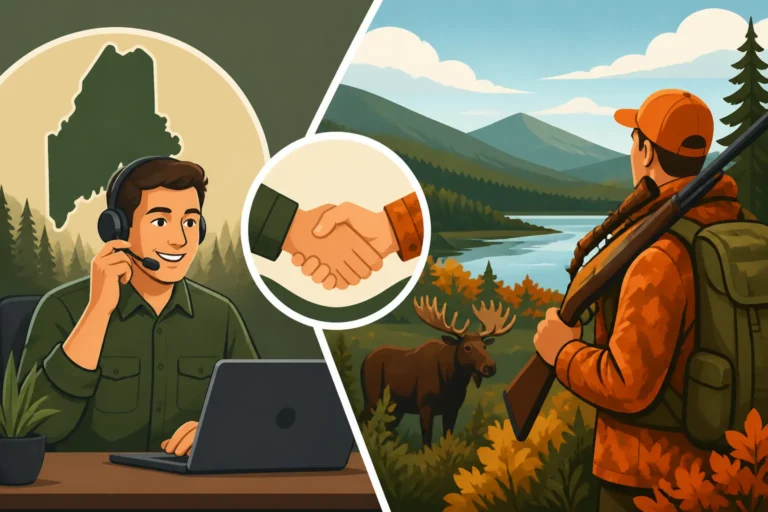
Given the difficulty of drawing a permit and the demands of the hunt itself, many hunters, particularly non-residents or those new to moose hunting, opt for a guided experience. A Registered Maine Guide brings an unparalleled level of expertise and logistical support that can be invaluable. Think about it: these guides spend countless hours scouting specific zones, tracking moose patterns, and understanding the subtle nuances of the vast Maine wilderness. They know where moose feed, where they bed, and how they react to different weather conditions. This intimate knowledge vastly improves your chances of success.
Beyond finding the animal, guides handle the extensive logistics that come with hunting such a large creature. From providing proper transportation into remote areas to the daunting task of field dressing, quartering, and extracting hundreds of pounds of meat from thick cover, a guide's experience is critical. For non-residents, who might be unfamiliar with Maine's regulations, terrain, or the necessary equipment, a guide can bridge that knowledge gap, ensuring a safer, more efficient, and ultimately more enjoyable hunt. They are the backbone of a successful Maine moose hunt, turning what could be a frustrating ordeal into a well-orchestrated adventure. Considering Hiring a Registered Maine Guide can elevate your hunting experience significantly.
Navigating the Moose Permit Process (Guided Hunt Context)
Even with a guide, the permit remains the golden ticket. How you acquire that ticket can influence your guided hunt experience, and your guide can sometimes play a direct role in that acquisition.
Applying Through the Lottery
The most common path to a Maine moose permit is through the annual lottery. Every year, hopeful hunters submit applications, accumulating points for each year they apply but don't draw a permit. These points increase your statistical odds in subsequent drawings. When you decide to pursue a guided hunt, you'll still need to apply to the lottery yourself, or have a guide apply for you. Some outfitters, especially those working with non-resident clients, will coordinate the permit application process as part of their services, advising you on which Wildlife Management Districts (WMDs) might offer the best blend of draw odds and hunting opportunities for your desired experience.
It's crucial to understand that even with a guide's advice, drawing a permit is never guaranteed. However, a guide's insights into historical draw rates for specific WMDs and their knowledge of the moose populations within those zones can help you make an informed decision when you fill out your application. They can explain the pros and cons of targeting a high-success but low-draw-odd WMD versus a WMD with slightly lower moose density but better draw chances. This strategic approach, informed by an experienced guide, is part of why their expertise is so valuable long before you even set foot in the woods. You can learn more about Maine Moose Lottery Application Process to strategize your application.
The Moose Permit Auction as an Alternative
For those who desire a guaranteed permit and are willing to invest significantly, the Maine moose permit auction offers an alternative to the lottery. Each year, a limited number of permits are auctioned off to the highest bidders, with the proceeds supporting conservation efforts. These permits can command substantial prices, but they eliminate the uncertainty of the lottery. This route is particularly appealing to non-residents or those who have applied to the lottery for many years without success and are ready to secure a hunt.
When considering the auction, a guide can be an invaluable resource. They can provide realistic expectations regarding typical winning bids and help you understand the true cost of a guaranteed permit. Some guides might even bid on behalf of a client or facilitate the process once a client has secured an auction permit. This allows the hunter to focus on preparing for the hunt itself, knowing the permit is secured. While it's a more expensive path, it provides certainty and allows for more precise planning of your guided hunt far in advance. Understanding Maine Moose Permit Auction Rules is key if you choose this expedited route.
Hunter-Guide Permit Transfers and Allocations
Maine has specific rules regarding moose permits, including provisions that can sometimes facilitate guided hunts. For instance, permits are generally non-transferable between individuals, but there are nuances. A successful lottery applicant can designate a sub-permittee, and in some cases, guides or outfitters may have certain allocations or methods to help clients secure a permit. It's important to clarify these details upfront with any outfitter you consider. They will be well-versed in the current regulations and can explain exactly how their services integrate with the permit system.
Sometimes, a guide service might work with multiple clients who have drawn permits, or they might even offer packages where a permit is part of the deal if they have obtained one through specific legal means. Always ensure that any arrangement is fully compliant with Maine's hunting laws. A reputable guide will be transparent about their permit acquisition methods and how they can assist you, whether it's through applying yourself, advising on the auction, or leveraging their knowledge of the regulations to connect you with available permits. Transparency here is paramount for a legal and ethical hunt.
What to Look For in a Maine Moose Outfitter
Choosing the right outfitter is arguably as important as securing the permit itself. The guide's experience, the services they offer, and their overall professionalism will define your hunting adventure.
Experience and Reputation
When you're entrusting your precious moose permit and significant investment to someone, experience is paramount. Look for outfitters with a long track record of successful moose hunts in the specific WMD you'll be hunting. A guide who has been operating in the North Woods for decades will possess an intimate knowledge of the terrain, local moose patterns, and seasonal behaviors that newer guides simply haven't had time to acquire. They'll know the subtle changes in moose activity from year to year, the best calling locations, and escape routes, and even predict how weather fronts might influence the animals.
Don't just take their word for it, though. Ask for references from past clients, ideally those who have hunted the same WMD during the same week you plan to go. Check online reviews, but be wary of anything that seems too good to be true or overly vague. Reputable outfitters should have a solid online presence and consistent positive feedback, often on platforms like GoHunt, where hunters share experiences. A guide's reputation is their livelihood, and the best ones will have a history of satisfied clients who were not only successful but also felt safe and well-cared for. Taking the time to properly Vetting a Maine Hunting Outfitter will pay dividends.
Services Included in a Guided Moose Package
Guided moose hunts are rarely "one-size-fits-all." Packages can vary widely in what they include, and it's essential to get a clear, itemized list of services. Most comprehensive packages will cover accommodations, which could range from rustic cabins deep in the woods to comfortable sporting camps with amenities. Meals are often included, featuring hearty, home-cooked fare necessary after long days of hunting. Transportation within the hunting area, whether by truck, ATV, or even boat in some zones, is also a standard inclusion.
Beyond these basics, crucial services for a moose hunt include expert guiding, assistance with field dressing the animal, and the often-arduous task of getting the moose out of the woods. Some outfitters will also arrange for initial meat processing (like quartering) and transport to a local butcher or taxidermist. Clarify what's covered for caping and handling the trophy. Does the outfitter have a walk-in cooler or freezer space? Will they coordinate with a local meat processor or taxidermist, or is that entirely your responsibility? Understanding every detail of What a Guided Moose Hunt Costs upfront will prevent surprises down the road.
Communication and Professionalism
Clear and consistent communication is a hallmark of a professional outfitter. From your initial inquiry to the post-hunt follow-up, you should feel that your questions are answered promptly and thoroughly. A good guide will provide a detailed contract outlining all services, costs, cancellation policies, and what you are expected to bring. They should also be proactive in discussing safety protocols, emergency plans, and ethical hunting practices. Remember, you're not just paying for a hunt; you're paying for their expertise, their commitment to your safety, and their respect for the game and the land.
Furthermore, professionalism extends to how they run their camp, interact with their team, and uphold Maine's hunting laws. A truly professional operation will prioritize the experience and well-being of their clients above all else. They'll be organized, on time, and have a positive attitude, even when faced with challenging conditions. Any guide who seems evasive about details, rushes you into a booking, or suggests bending any rules is a major red flag. Always trust your gut when assessing an outfitter's professionalism.
Planning Your Guided Moose Adventure
Once you have a permit (or a strong plan to get one) and a potential outfitter in mind, the real planning for your adventure can begin. This involves strategic decisions about where and when to hunt, as well as personal preparation.
Choosing the Right Moose Zone (WMD)
Maine is divided into many Wildlife Management Districts (WMDs), and moose populations and hunting conditions vary considerably across them. Your permit will be assigned to a specific WMD, but if you're working with a guide from the application stage, they can help you strategize which WMDs to target. Some WMDs in the deep North Woods (like zones 1, 2, 3, 4, 5, 6) are renowned for their high moose density and vast tracts of undeveloped timberland, offering a truly remote experience. Other WMDs might be closer to services but still hold excellent moose numbers.
A good outfitter will have extensive experience in specific WMDs and can advise you on the unique characteristics of each. They can explain the terrain (are you hunting clear-cuts, thick cedar swamps, or more open logging roads?), the typical success rates, and what kind of hunting tactics are most effective there. For example, some WMDs are better suited for calling moose during the rut, while others might involve more spot-and-stalk or still-hunting through dense cover. Matching your expectations and physical capabilities with the right WMD is a critical discussion you'll have with your guide. Delving into Hunting a Drawn Moose Zone in the North Woods can help you understand these nuances.
Timing Your Hunt within the Season
Maine's moose season typically spans several weeks, often broken into distinct periods that can offer different hunting experiences. Early season hunts, often in late September, might involve warmer weather and active moose. The mid-season, particularly around late September and early October, often coincides with the peak of the moose rut. This is when bulls are most vocal and responsive to calling, offering some of the most exciting hunting opportunities. Later seasons, sometimes extending into November, can bring colder weather and potentially snow, which can be advantageous for tracking but might mean moose are less active vocally.
Your guide will be crucial in advising you on the best time to hunt within the season, considering your preferences and their historical success rates for different periods. If you dream of calling in a bull, the rut is likely your best bet. If you prefer a colder, potentially snowy hunt with tracking opportunities, a later week might appeal. However, weather is always a wild card in Maine. A good outfitter will help you prepare for the range of conditions you might encounter during your specific hunt dates. Understanding Calling a Bull Moose in Late September tactics will inform your choice.
Essential Gear and Physical Preparation
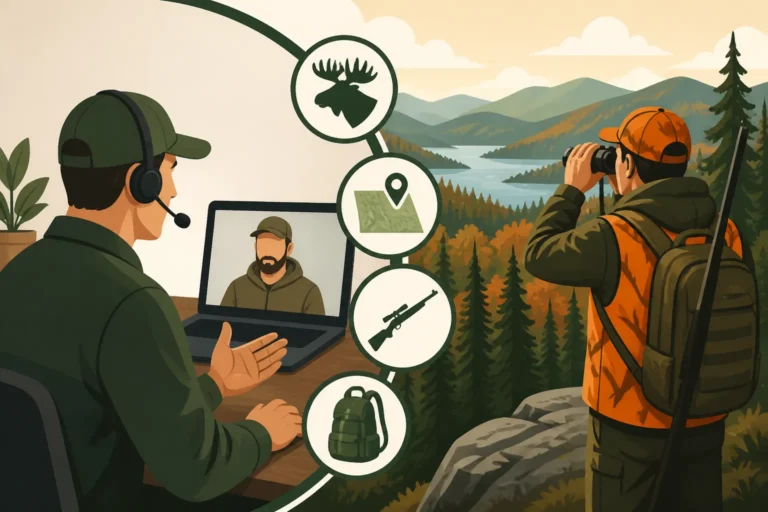
Moose hunting in Maine is not for the faint of heart. It can be physically demanding, requiring long days of walking over uneven ground, through thick woods, and potentially in adverse weather. Your guide will provide a detailed gear list, but generally, you'll need warm, waterproof layers, sturdy boots, quality optics (binoculars are a must), a reliable rifle or bow, and a good backpack. Remember, temperatures can swing wildly in Maine, from mild autumn days to freezing rain or snow, so layering is key.
Physical preparation should start well before your hunt. Hiking, walking, and even light strength training can help ensure you're ready for the rigors of the woods. Being in good physical condition not only increases your comfort and endurance but also allows you to assist your guide more effectively, especially during the demanding process of field dressing and extracting a moose. Don't underestimate the effort required to handle an animal that can weigh over a thousand pounds. Your guide will offer advice, but the responsibility for your personal fitness rests with you. Make sure you refer to advice on Packing for a North Woods Moose Hunt to be fully prepared.
The Hunt Itself: What to Expect
The moment you've been waiting for has arrived. Stepping into the vast Maine wilderness with your guide and your permit in hand is an unforgettable experience. But what does a typical day, and the overall hunt, actually look like?
Typical Daily Operations and Tactics
A guided moose hunt often begins before dawn, with a hearty breakfast at camp. Your guide will review the day's plan, considering weather, recent moose activity, and the chosen WMD. You might drive to a specific area via truck or ATV, then begin still-hunting through clear-cuts, along logging roads, or deep into mature timber. Calling plays a significant role, especially during the rut. Your guide will use various calls – cow calls, bull grunts, and raking (mimicking antlers scraping trees) – to attract a bull. This can involve long periods of silent waiting, punctuated by the thrilling sound of a distant bull responding.
Other tactics might include glassing large clear-cuts or burnt areas from a vantage point at first light or last light, hoping to spot a feeding moose. Moose are incredibly large animals, but they can disappear into dense cover with surprising ease. Patience is key. You'll cover a lot of ground, sometimes on foot, sometimes utilizing vehicles to access different areas. Each day is an adventure, often culminating with returning to camp after dark, sharing stories, and strategizing for the next morning. Knowing how to effectively Glassing a Cut for a Bull Moose is a skill your guide will help you hone.
Field Dressing and Recovery Logistics
Harvesting a moose is only half the battle; the real work often begins after the shot. Moose are immense animals, and their recovery is a monumental task. This is where your guide's expertise and equipment truly shine. They'll instruct you on proper field dressing techniques, which are crucial for cooling the meat quickly, especially in warmer early-season conditions. The sheer volume of meat and bone means this is often a multi-hour, labor-intensive process, even with multiple people.
Once field dressed, the moose often needs to be quartered in the woods to make it manageable for transport. This involves significant cutting and heavy lifting. Your guide will have specialized equipment, from game carts and ATVs to winches and even horses or specialized vehicles, depending on the remoteness of the kill site. Getting hundreds of pounds of meat and the trophy out of thick Maine woods is a logistical puzzle that experienced guides solve routinely. It's tough, gritty work, but essential for preserving your valuable harvest. Discussions around Field Dressing a Moose in the North Woods and Getting a Moose Out of the North Woods will become very real.
Dealing with Unforeseen Challenges
No hunt, especially in the wilderness, ever goes exactly as planned, and moose hunting in Maine is no exception. You might encounter sudden changes in weather, from sunny and warm to driving rain or an unexpected early snowstorm. A good guide will always have contingency plans for these situations, from ensuring you have appropriate gear to adjusting hunting strategies. They prioritize your safety and comfort above all else.
Sometimes, despite everyone's best efforts, a moose permit doesn't result in a harvested animal. Moose are wild and unpredictable, and success is never guaranteed. A professional guide will manage these expectations upfront and work tirelessly to put you in the best position for a shot. They'll also handle any permit-related issues, such as reporting requirements or accidental tag damage. Part of the value of a guided hunt is having an experienced professional navigate these challenges, allowing you to focus on the experience, regardless of the outcome.
Post-Hunt Considerations and Best Practices
Once your hunt is complete, whether you've harvested a moose or not, there are still important steps and considerations to ensure a smooth conclusion to your adventure.
Meat Processing and Trophy Care
If you've been successful, the next phase involves processing your harvest. Your guide will typically transport the field-dressed or quartered moose to a local meat processor. It's wise to discuss these arrangements and costs beforehand. Meat processors in Maine are accustomed to handling moose, but their services can range from basic cuts and wrapping to specialty sausages and jerky. Make sure you understand the turnaround time and how you'll get your meat home, especially if you're traveling a long distance. Coolers, dry ice, or even refrigerated shipping might be options depending on your travel plans.
For the trophy (antlers and hide), your guide will ensure the cape is properly handled and frozen, ready for a taxidermist. Again, discuss whether your outfitter works with a preferred local taxidermist or if you'll be transporting the cape and antlers to your own taxidermist. Proper handling immediately after the kill is crucial for a quality mount. The guide will ensure the skull plate is measured and registered correctly, and that all necessary tags remain with the animal parts until they reach their final destination.
Tipping Your Guide
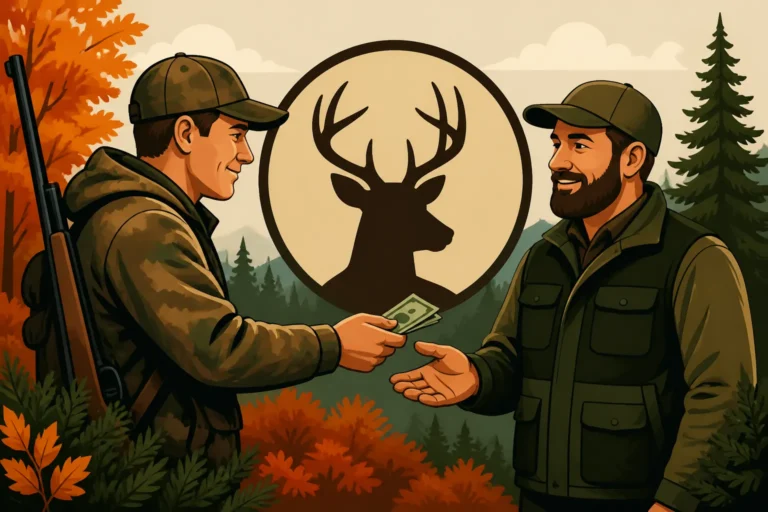
Tipping your guide is standard practice in the hunting industry and a way to show appreciation for their hard work, expertise, and dedication. While not mandatory, it's highly encouraged and a significant part of a guide's income. The amount can vary, but a common guideline is to tip between 15-20% of the total hunt cost. Consider their effort, their attitude, how hard they worked for you, and how well they managed the logistics. This includes scouting, setting up camp, cooking, calling, tracking, field dressing, and hauling.
Remember, this isn't just for a successful harvest; it's for the entire experience. Even if you don't fill your tag, a guide who worked tirelessly and provided a professional, enjoyable experience deserves recognition. It’s customary to present the tip directly to your guide at the end of the trip. If there are multiple guides or camp staff, ask your lead guide how they prefer the tip to be distributed among the team. Acknowledging their effort is a key part of the hunting tradition. You can find more insights on Tipping a Maine Hunting Guide for standard practices.
Staying Connected for Future Hunts
Many hunters find that a guided moose hunt isn't just a one-time transaction; it's the beginning of a relationship with an outfitter. If you had a positive experience, stay in touch. Sending a thank-you note or sharing photos can go a long way. Many outfitters have repeat clients who book year after year, sometimes for different species or to hunt with a drawn permit. This relationship can also be valuable for future advice or referrals.
Even if you don't plan to return immediately for another moose hunt, a good outfitter can be a resource for information about other hunting opportunities in Maine, from bear and deer to turkey or upland birds. Platforms like BookYourHunt can also help you explore other vetted outfitters for different species or regions, building on your positive experiences. Building a network within the hunting community often starts with a single, well-executed guided trip.
Making Your Guided Moose Hunt a Reality
The dream of a Maine moose hunt, while challenging, is absolutely attainable with the right planning and resources. Don't let the hurdles deter you from pursuing this incredible experience.
Budgeting for a Guided Experience
It's no secret that a guided moose hunt in Maine is a significant financial investment. The total cost will encompass the guide's fee (which covers their services, accommodations, and meals), the cost of your permit (whether lottery application fees or a substantial auction bid), your hunting license, and travel expenses to and from Maine. Beyond that, factor in costs for meat processing, potential taxidermy, specialized gear, and of course, your tip for the guide.
It's essential to get a clear, itemized quote from any outfitter you consider. Don't be afraid to ask for a breakdown of what's included and what will be extra. Create a comprehensive budget that accounts for every potential expense. This upfront financial planning will prevent any unwelcome surprises and ensure you can fully enjoy the experience without financial stress. While it's a considerable investment, the memories and the meat from a successful Maine moose hunt are often considered priceless by those who undertake the journey.
Finding and Booking Your Outfitter
The best way to find a reputable outfitter is through personal referrals from trusted hunting friends or by reaching out to the Maine Professional Guides Association. Online platforms like BookYourHunt and GoHunt also provide directories and reviews of licensed outfitters, allowing you to compare services and prices. Start your search early, especially if you're hoping to hunt during the peak rut. The best outfitters book out months, or even a year or more, in advance, particularly for popular moose weeks.
When you contact potential outfitters, be prepared with specific questions. Ask about their experience in your specific WMD, their typical success rates, the size of their hunting groups, their camp setup, and their cancellation policies. A good outfitter will welcome your questions and provide detailed answers. Remember, you're not just booking a service; you're building a temporary partnership. Make sure you feel comfortable and confident with the guide and their operation. Reviewing Questions to Ask a Maine Outfitter can help you structure your inquiries.
Non-Resident Considerations
For non-residents, a guided Maine moose hunt often makes even more sense. Maine's hunting license structure includes options for non-residents, and while the costs are higher than for residents, they unlock access to this premier hunting opportunity. Guides are particularly beneficial for non-residents because they navigate the local laws, terrain, and registration requirements that might be unfamiliar. They can also often secure access to private timberland that would otherwise be difficult for an out-of-state hunter to find.
Additionally, Maine may have specific rules for non-residents regarding permit types or guiding requirements for certain hunts. Your chosen outfitter will be intimately familiar with these nuances and can ensure you comply with all state regulations, from licenses to blaze orange requirements. Investing in a guided hunt as a non-resident is often the most efficient and successful way to experience the magic of moose hunting in the legendary Maine North Woods.
| Aspect | Maine Moose Lottery | Maine Moose Permit Auction | Guided Hunt with Client Permit (Lottery) | Guided Hunt with Client Permit (Auction) |
|---|---|---|---|---|
| Permit Acquisition | Application, points system, random draw | Public bidding, highest bidder wins | Client applies/draws in lottery | Client wins auction permit |
| Permit Cost | Low application fee, low permit fee if drawn | Substantial winning bid (can be thousands) | Lottery application/permit fees | Auction permit cost |
| Probability of Success | Low odds, depends on points and WMD | Guaranteed permit if bid is won | Still relies on lottery draw, then guide expertise | Guaranteed permit, then guide expertise |
| Guide's Role in Permit | Advises on WMD selection, potentially applies for client | Advises on bidding strategy, facilitates permit if won | Provides guiding services for drawn permit | Provides guiding services for auction permit |
| Overall Cost | Lower (if drawn), plus guide fees | Highest (auction + guide fees) | Moderate to High (lottery + guide fees) | High (auction + guide fees) |
| Planning Horizon | Years (for points), then 1 year for hunt | Months to 1 year for hunt | Years (for points), then 1 year for hunt | Months to 1 year for hunt |
| Ideal For | Patient hunters, residents, budget-conscious | Guaranteed tag seekers, higher budget, non-residents | Hunters wanting to maximize lottery odds with expert help | Hunters valuing certainty and top-tier experience |
Disclaimer
This article is for general informational purposes only and does not constitute professional advice. Laws, prices and regulations vary by location and change over time. Consult a qualified professional for guidance on your specific situation.