Hunting a Timber Bridge Crossing
Maine timber bridge crossings act as natural funnels that help hunters intercept mature white-tailed deer near cedar swamps.
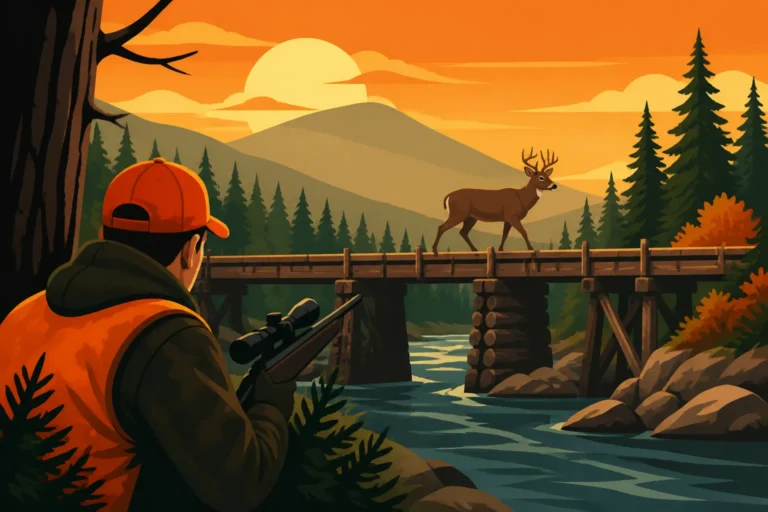
Maine timber bridge crossings act as natural funnels that help hunters intercept mature white-tailed deer near cedar swamps.
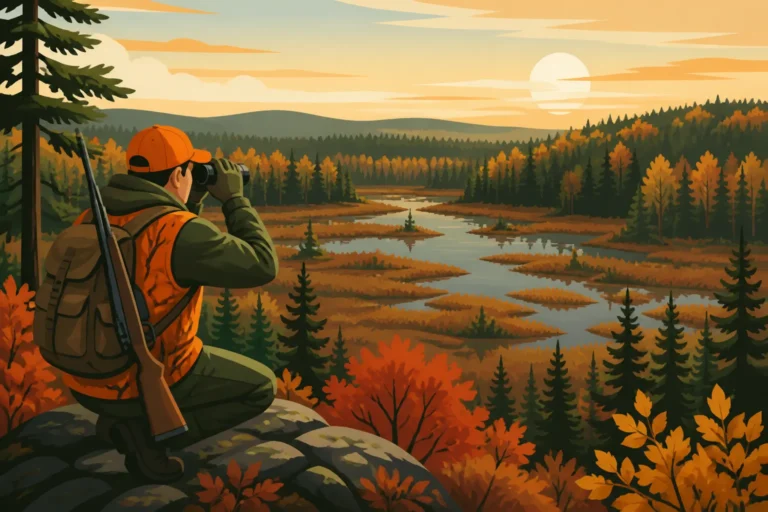
Maine North Woods bog ridges provide natural travel corridors, security cover, and vital thermal shelter for deer and moose.

Early season deer hunting near Maine beaver ponds provides concentrated resources and natural travel funnels for bowhunters.
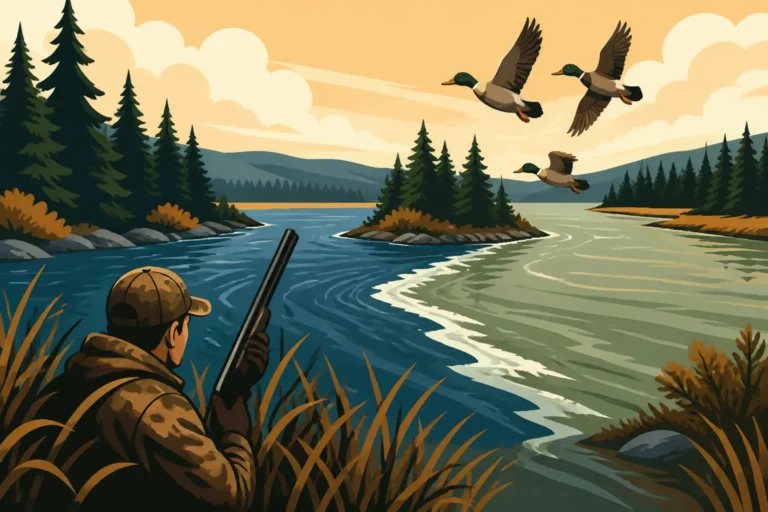
River confluences in Maine concentrate ducks and geese by providing diverse habitats, abundant food sources, and natural travel corridors.
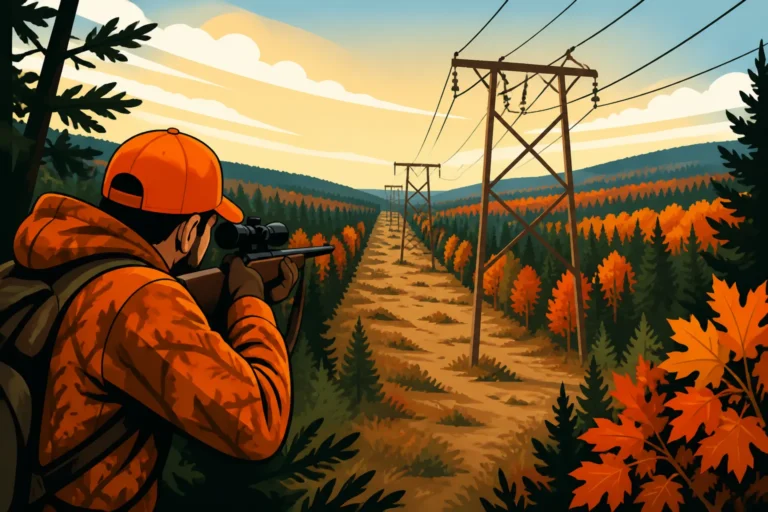
Maine powerline cuts act as travel corridors and feeding areas, offering hunters extended visibility and increased shot opportunities.
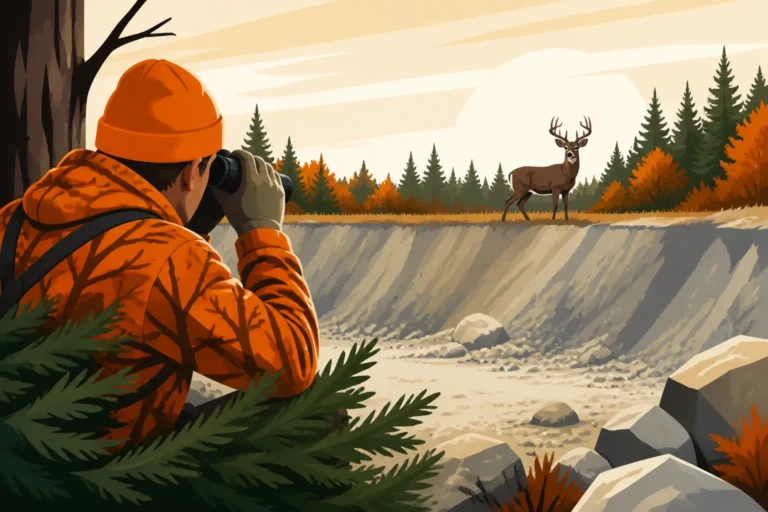
Maine gravel pit edges provide whitetails with dense bedding cover and late-season food sources like raspberry and birch.
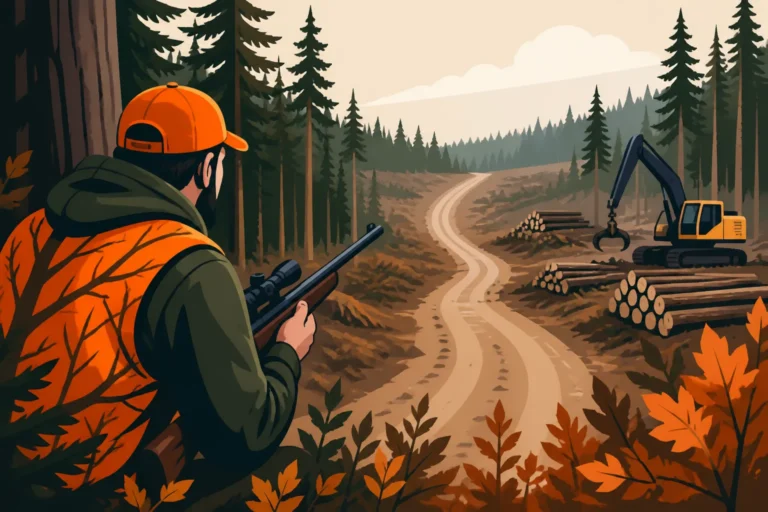
Hunting Maine industrial timberland fire roads helps hunters scout quietly, navigate safely, and find remote game locations.

Maine cedar swamp deer yards provide critical thermal cover and winter browse, helping hunters track whitetails during deep snow.
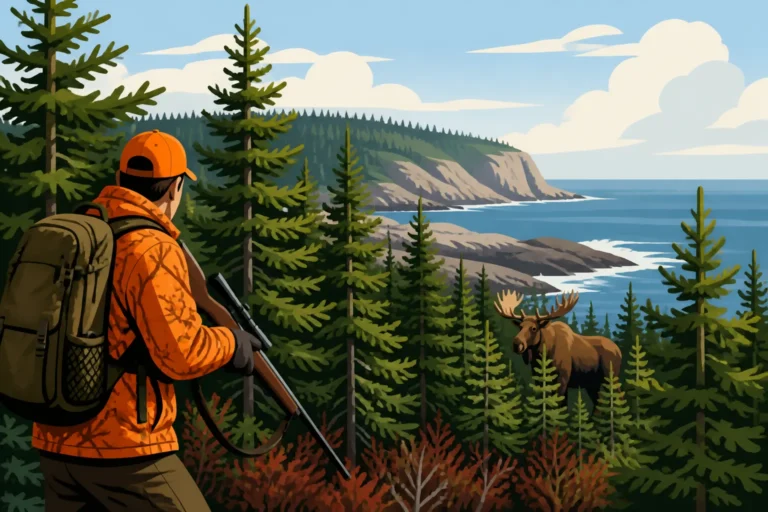
Coastal spruce thickets in Maine offer unique deer hunting opportunities, providing thermal cover and security for elusive whitetail deer.
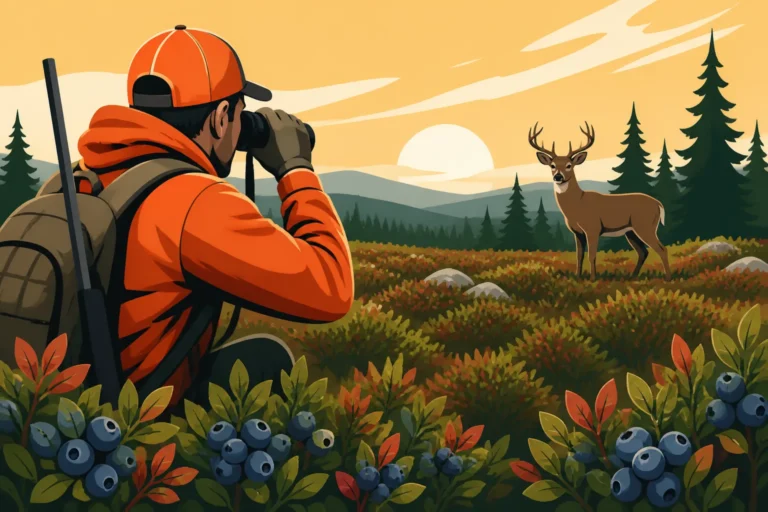
Downeast blueberry barrens deer hunting strategies explain how whitetails use open landscapes, food sources, and subtle topography.