Hunting a Ridge Above a North Woods Bog
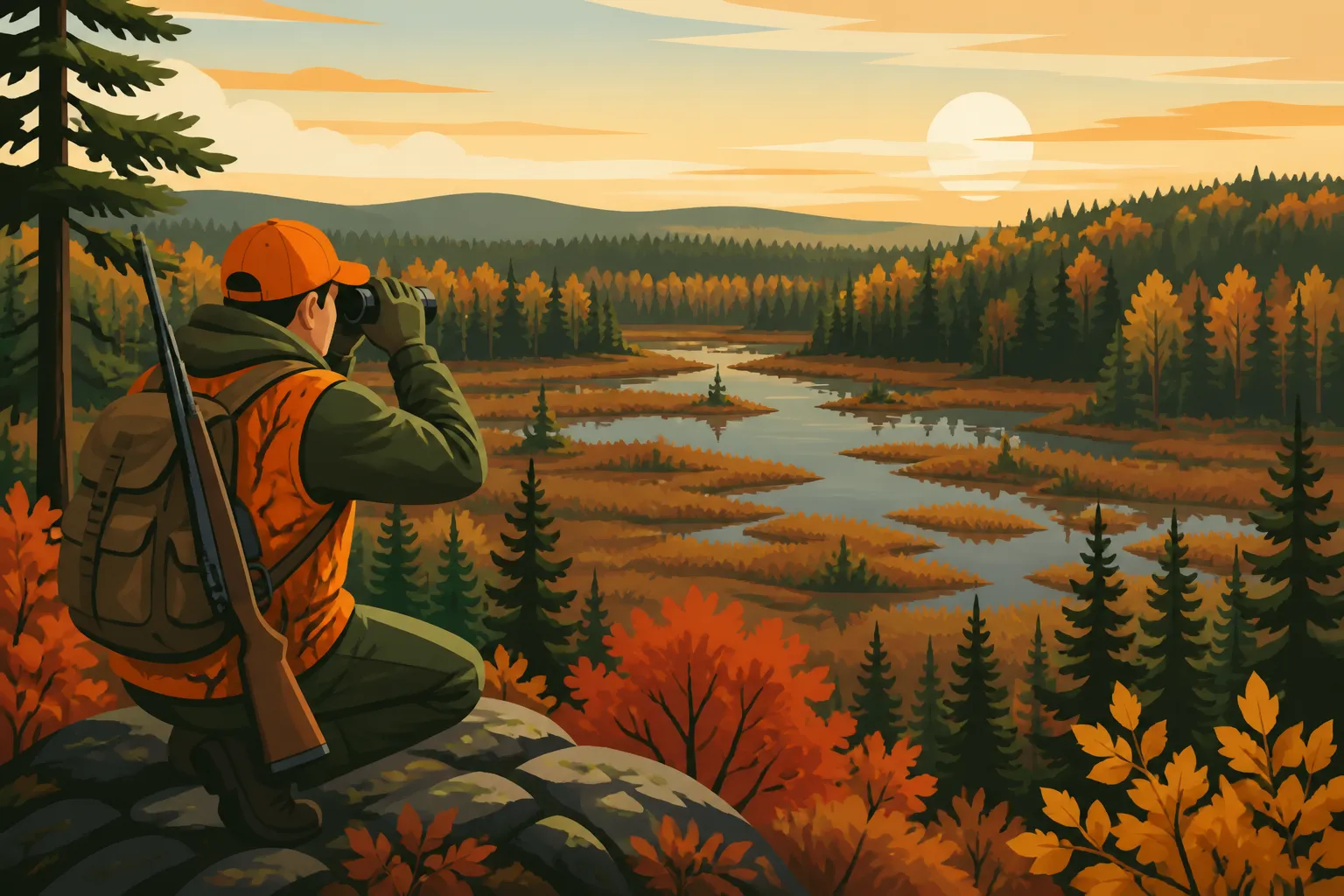
There's something uniquely challenging, yet incredibly rewarding, about tackling the vast, often swampy terrain of the Maine North Woods, especially when you're eyeing those subtle ridge lines that rise just above a bog. It's not your typical woodlot hunt; the sheer scale, the thick cover, and the deceptive footing can intimidate many. But understanding how deer and moose utilize these unique areas can unlock some truly prime opportunities for the persistent hunter. This guide will walk you through the nuances of hunting these specific, often overlooked, honey holes.
Understanding the North Woods Bog-and-Ridge Ecosystem
When you look at a map of Maine's expansive North Woods, you'll see a tapestry of timber, lakes, rivers, and then those tell-tale pockets of green and blue that indicate bogs and swamps. These areas, while seemingly impenetrable, are critical habitats, and the subtle ridges that border or dissect them are like natural highways and refuges for big game.
Why Bogs Attract Big Game
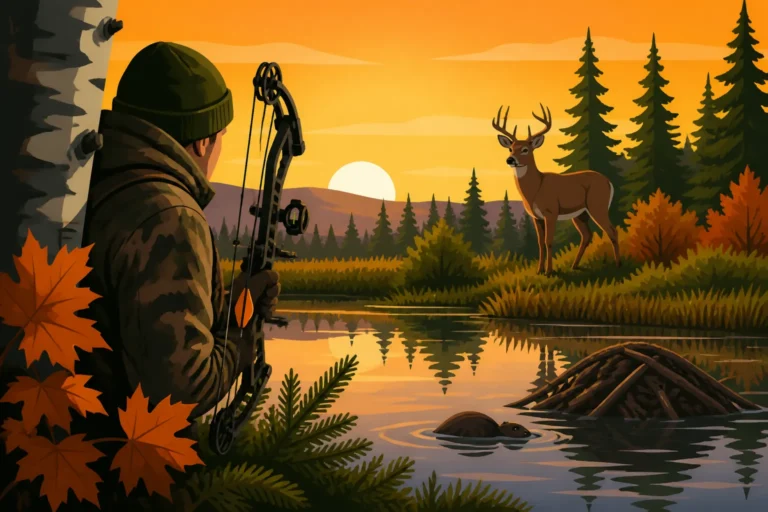
Bogs and adjacent swampy areas are far more than just muddy, insect-ridden obstacles. For deer and moose, they offer a host of vital resources. Think about it: during warmer months, the cool, damp ground provides relief from the summer heat and biting insects. The dense undergrowth of cedar, spruce, and balsam fir offers unparalleled security cover, making it a natural sanctuary where animals feel safe from predators, including us hunters. Water is abundant, of course, and many bogs host specific forage plants that aren't found on higher, drier ground. A mature bull moose might spend hours wallowing in a bog, browsing on aquatic vegetation that's rich in minerals. Maine's Moose Density Reduction Study has shown how important these habitat features are to their overall health and survival.
During hunting season, especially as temperatures drop, these low-lying areas continue to be important. While deer might move to higher ground for bedding in extreme cold, the sheer thicket of a cedar swamp adjacent to a bog remains a crucial hideout. Deer, particularly mature bucks, will often bed down just inside the cover of a bog, especially on a slightly elevated, dry hump, knowing that their scent will swirl and carry less predictably in the damp air, and that any approach will be noisy. It’s a perfect natural fortress.
The Significance of Adjacent Ridges
Now, pair that bog environment with a ridge, even a slight elevation change of only 10-20 feet, and you have a prime hunting location. These ridges act as natural travel corridors, transition zones, and feeding areas.
- Travel Corridors: Animals prefer to move with the least resistance. While they might occasionally cut through the thickest parts of a bog, they often skirt the edges, using the firmer ground of a ridge or high bank. These ridges provide drier footing, better visibility, and often slightly more open timber, making travel easier and quieter. Look for where a ridge effectively "pinches" down the movement between a large bog and a dense timber stand or another wet area. These are often natural funnels for deer and moose. Hunting a Funnel Between Two Woodlots has a similar principle, just applied to different terrain.
- Thermal Regulation & Shelter: In the deep cold of late fall and early winter, higher ground, especially ridges with a southern exposure, can offer critical thermal cover. Deer will bed on these sunny slopes to soak up warmth. Conversely, on warmer days, the shady side of a ridge provides a cooler bed. These ridges often feature a mix of hardwoods and softwoods, offering varied mast crops (like acorns, in a good year) or browse, making them attractive feeding areas before animals dip into the bog for security.
- Vantage Points: For deer and moose, a ridge offers an elevated position to survey their surroundings. They can watch for danger, especially upwind, before descending into a bog or moving into a more open area. As a hunter, this is your key insight: you're looking for where they use that advantage, and where you can counter it.
Scouting Strategies for Ridge-Top Success
You can't just stumble into the North Woods and expect to find a hot ridge. Successful hunting in these remote areas starts long before opening day with meticulous scouting.
Mapping and Aerial Reconnaissance
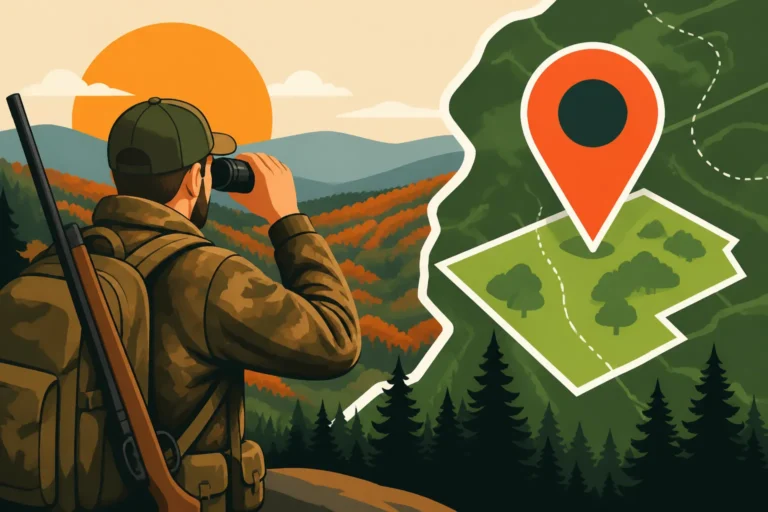
Your first and best friend for scouting these vast areas is digital mapping. Tools like onX Hunt or GoHunt become indispensable. Start by looking for the distinctive patterns of bogs and swamps on aerial and topographic maps. They often appear as darker green, low-lying areas, sometimes with standing water indicated. Then, identify the contours that suggest rising ground nearby. Look for distinct elevation changes – even a slight rise of 20-30 feet can be a significant ridge in otherwise flat, wet terrain.
Pay close attention to where these ridges connect to other habitat features, such as old logging roads, clear-cuts, or thicker stands of timber. These connections often serve as primary travel routes. I've spent countless hours digitally scouting with my onX Hunt app, marking potential ridge lines and bog edges, creating a hit list of areas to investigate on foot. Don't be afraid to look deep into the woods; the best spots are often a good hike from the nearest road. Reading Aerial Photos for North Woods Deer can save you countless miles of walking.
On-the-Ground Sign Reading
Once you've identified promising locations on your map, it's time for boots on the ground. This is where the real work, and real fun, begins. Focus your efforts on the transition zones – the edges where the firm ground of the ridge meets the softer ground of the bog.
- Tracks and Trails: Look for well-worn game trails. Deer and moose will often use the same paths year after year. Pay attention to track density and freshness. Fresh tracks indicate recent activity. In softer, damp ground near the bog, tracks can be particularly clear. You might even spot the tell-tale drag marks of a large buck's belly, or the deep, splayed prints of a heavy moose.
- Rubs and Scrapes: As you move into the pre-rut and rut phases, keep an eye out for rubs on trees and scrapes on the ground, especially along the ridge crests or just off the primary trails. Bucks will utilize these ridges to mark their territory, and these signs can be indicators of a mature animal's presence. Scrape Lines Along a Logging Road shares similar insights on buck behavior.
- Bedding Areas: Look for flattened areas in the vegetation, often under dense cover, indicating where an animal has rested. On a ridge, these might be found on the leeward side (sheltered from the wind) or on a sunny slope during colder weather. Near a bog, a slightly elevated, dry knoll within the thick cover is a prime bedding spot.
- Feeding Sign: Are there browse lines on trees? Do you see chewed vegetation, especially cedar tips or deciduous saplings? Are there droppings indicating consistent feeding? The presence of specific food sources on the ridge, like a small patch of acorns or a favored browse species, makes it even more attractive to game.
This on-the-ground scouting, especially if you can get in before the season, is invaluable. It helps you confirm what your maps show and reveals the most active travel routes and preferred bedding/feeding spots.
Hunting Tactics: Approaching and Working the Ridge
Hunting these bog-adjacent ridges requires patience, stealth, and a keen understanding of wind and thermals. Your approach can make or break your hunt.
The Silent Approach and Wind Awareness
One of the biggest challenges in hunting these areas is getting to your desired location without spooking game. The North Woods can be incredibly noisy underfoot with dry leaves or crunchy snow.
- Wind Direction is King: Always approach from downwind of where you expect the animals to be. With bogs, the damp air can create swirling currents, so it's critical to pay constant attention to wind direction using a powder bottle or milkweed seeds. Animals often bed with the wind at their back, allowing them to smell danger approaching from behind while they watch ahead.
- Thermal Dynamics: Understand thermals, especially in hilly terrain near water. In the morning, as the air warms, thermals rise. In the evening, as air cools, thermals fall. If you're hunting a ridge overlooking a bog at first light, your scent will likely rise. In the evening, it will sink. Position yourself to use these thermals to your advantage, or at least to minimize their negative impact. Wind and Thermals in Maine Hill Country elaborates on this crucial topic.
- Still-Hunting Slowly: Often, the best tactic is to still-hunt along the ridge, moving excruciatingly slowly, pausing frequently to scan for movement or listen for sounds. Take one or two steps, then stop and survey your surroundings for several minutes. Look for horizontal lines (the back of a deer or moose) in a vertical world (trees). Use your binoculars constantly to pick apart dense cover. This is a game of patience and observation.
Strategic Stand or Ground Blind Placement
If you've done your scouting and identified a consistent travel corridor or bedding area on a ridge, setting up a stand or ground blind can be highly effective.
- Funnel Points: Look for natural funnels where the ridge narrows, or where a blowdown or dense patch of timber forces animals into a predictable path. This is a prime spot for a stand.
- Overlooking the Edge: A stand positioned on the ridge, overlooking the edge of the bog where animals might emerge, is another excellent choice. You get a good vantage point, and your scent might be carried away by rising thermals in the morning.
- Using Natural Cover for Blinds: The North Woods offers abundant natural cover. Use blowdowns, thick spruce thickets, or rock outcrops to set up an impromptu ground blind. A good quality ground blind, brushed in properly, can be incredibly effective, especially if you need to stay warm and dry in inclement weather. Brushing In a Blind on a Field Edge offers general tips that apply to natural cover as well.
| Tactic | Pros | Cons | Best Use |
|---|---|---|---|
| Still-Hunting | Highly adaptable, covers more ground, active pursuit. | Requires extreme stealth, easy to miss game, weather dependent. | Scouting new areas, during the rut, active deer/moose. |
| Tree Stand | Elevates scent, provides good visibility, can be comfortable. | Limited mobility, noisy to set up, requires pre-scouting. | Known travel corridors, pinch points, long sits. |
| Ground Blind | Excellent concealment, good for harsh weather, easy to move. | Scent at ground level, limited visibility, can be visible if not brushed in well. | Overlooking bog edges, dense cover, unpredictable wind days. |
Calling Strategies
Both deer and moose use calls, and understanding how to employ them in this environment can be a game-changer.
- Deer Calls: Grunt tubes and rattling antlers can be effective, especially during the rut. A soft grunt might entice a curious buck traveling a ridge line. Rattling can imitate a fight, drawing in dominant bucks. But remember, sound carries differently in thick, damp cover. Don't overdo it. Grunt Calls in Mature Maine Hardwoods has more on this.
- Moose Calls: For moose, cow calls are your primary tool. A soft, pleading cow call can bring a bull out of the bog and onto the ridge. Patience is key; a bull might take a long time to respond and approach. Calling a Bull Moose in Late September explains the nuance. Always be ready, as they can come in silently and quickly.
Essential Gear for Bog-Adjacent Ridge Hunting
The North Woods is unforgiving, and hunting these areas demands specific gear to keep you safe, comfortable, and effective.
Footwear and Clothing
Your feet will take a beating, and staying dry is paramount.
- Waterproof Boots: This is non-negotiable. Choose tall, insulated, 100% waterproof boots designed for trudging through muck and cold water. Rubber boots are often preferred for their scent-eliminating properties and superior waterproofness in wet conditions.
- Layered Clothing: Maine weather is notoriously unpredictable. Start with a good base layer that wicks moisture. Add insulating layers (fleece, down, wool) and a waterproof/windproof outer shell. You'll be sweating during the hike in, then sitting still in the cold. Layers allow you to adapt. Cold-Weather Sitting Strategy in Maine offers more ideas on staying warm.
Navigation and Safety Gear
Getting lost in the North Woods is a serious concern, especially when you venture away from main roads.
- GPS and Map/Compass: Always carry a reliable GPS unit with pre-loaded maps, along with a physical map and compass as a backup. Know how to use both, even if your onX Hunt app is your primary navigation tool. Mark your vehicle, your intended route, and any significant landmarks.
- Survival Kit: A small kit with a fire starter, emergency blanket, flashlight, whistle, first-aid supplies, and extra high-energy snacks is crucial. Cell service is often nonexistent in these remote areas.
- Game Recovery Tools: If you tag a deer or moose deep in this terrain, getting it out will be a monumental task. Bring a good game cart if the terrain allows, or at least a sturdy rope for dragging. Consider packing a small, sharp saw for quartering in the field if you're targeting moose or a large deer. Field Dressing a Moose in the North Woods and Dragging a Deer Out of a Cedar Swamp offer practical advice.
Hunting a ridge above a North Woods bog is not for the faint of heart, but it offers a profound connection to the wilderness and the chance to encounter some truly magnificent animals. It demands respect for the land, meticulous preparation, and unwavering patience. Embrace the challenge, and you might just find your new favorite hunting ground.
Disclaimer
This article is for general informational purposes only and does not constitute professional advice. Laws, prices and regulations vary by location and change over time. Consult a qualified professional for guidance on your specific situation.