Hunting a Gravel Pit Edge for Deer
It’s easy to get caught up thinking about expansive timber tracts or rolling farmland when you’re planning your deer hunt in Maine. But sometimes, the most overlooked spots hold the biggest surprises. Many hunters struggle to find those small, often forgotten pockets of cover and food that big woods bucks love to frequent, especially as the season wears on and pressure mounts. This guide will walk you through how to identify, scout, and effectively hunt the often-underestimated gravel pit edge for whitetails, helping you unlock a hidden gem of a hunting spot.
Why Deer Love a Gravel Pit Edge in Maine
When you picture a gravel pit, you might think of a barren, dusty landscape. But that's often not the full story, especially for older or less active pits in Maine. These spots, whether they're old aggregate operations from a bygone era, abandoned town gravel sources, or even just temporary borrow pits dug for a logging road project, create unique habitat conditions that whitetails absolutely adore. It’s all about the edges, the transition zones where raw earth meets recovering forest, and where pioneer plant species get a foothold.
Creating Unique Habitat and Edge Cover
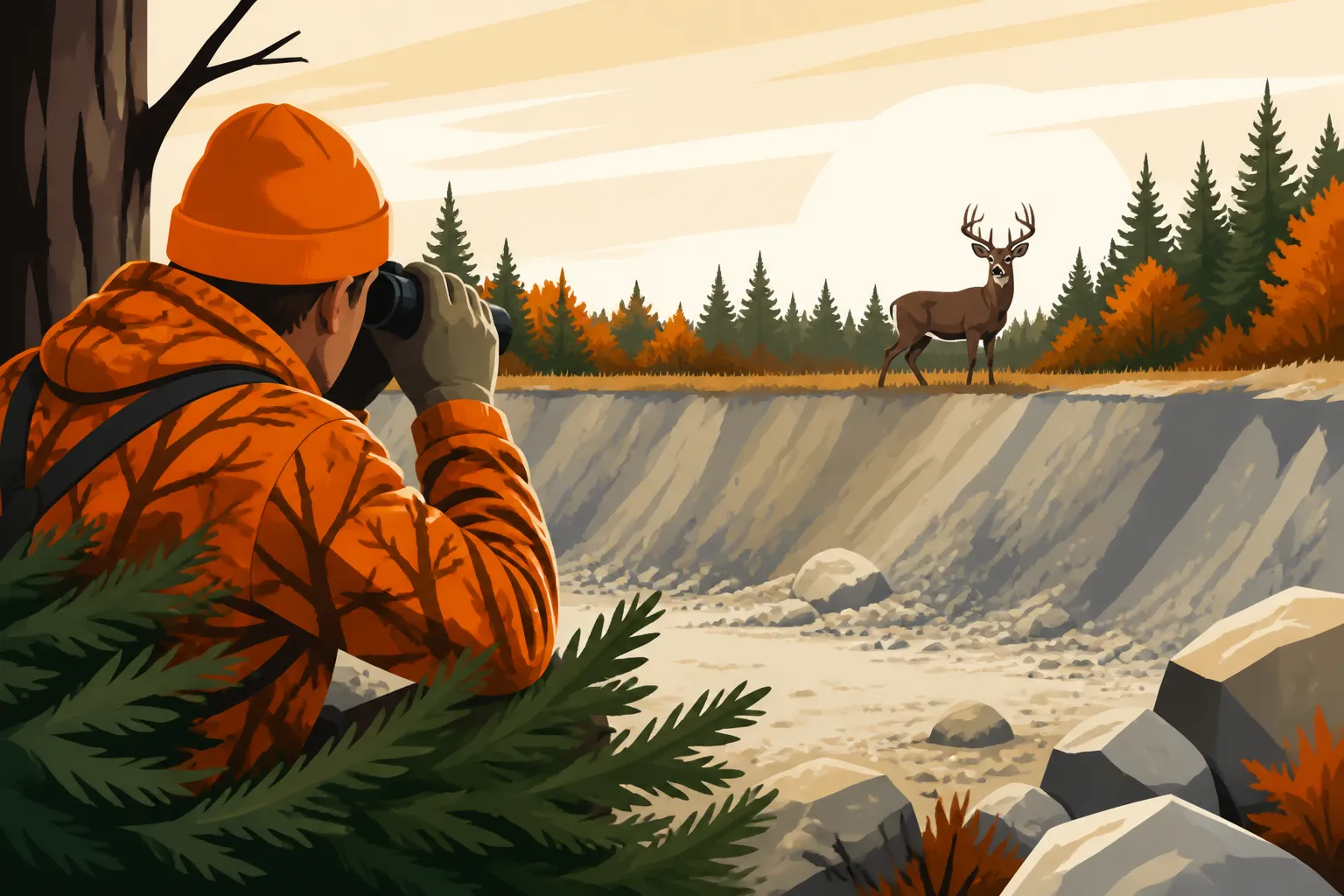
A gravel pit, by its very nature, creates a distinct edge in the landscape. This isn't just a straight line; it's often an irregular, undulating border where the exposed, mineral-rich soil of the pit transitions sharply into the established forest. This abrupt change is exactly what deer look for. The exposed ground means sunlight can reach the forest floor more easily, encouraging a flush of new growth – everything from young aspen and birch to various berry bushes and briars. This thick, young vegetation provides crucial cover that mature deer crave, offering security and a place to bed down close to food sources without being deep in thick timber. They can dart into the thicket around the pit, feel safe, and still keep an eye on any movement in the more open area.
Older pits, especially, will have grown up substantially around the margins, often with dense stands of small conifers or thorny shrubs that make for excellent bedding and escape cover. The internal structure of the pit itself can also offer unique advantages. If the pit has steep banks, these can provide windbreaks and thermal cover, allowing deer to bask in the sun on a cold November day or find shade from a harsh late-season breeze. These pockets of dense, diverse cover are often overlooked by hunters who are focused on traditional timber stands or agricultural fields, making them low-pressure havens.
Providing Food Sources Throughout the Season
Beyond the cover, gravel pit edges are often rich buffet lines for deer. The disturbed soil acts as a natural seed bed for pioneer species, many of which are highly palatable to whitetails. Think about it: sumac, wild raspberry, blackberry, and various herbaceous plants often explode in these areas, offering browse through the warmer months and even into early winter. Sometimes, if the pit was near an old homestead or farm, you might even find remnants of apple trees or other fruit-bearing plants that have long been forgotten by humans but are still a goldmine for deer.
As the season progresses, these specific food sources can become even more critical. While acorns and other mast might be abundant in a good year, they often disappear quickly due to consumption by deer and other wildlife, or get covered by snow. The persistent browse around a gravel pit, especially on south-facing slopes that get more sun, can be a vital late-season food source when other options are scarce. Deer will regularly visit these edges to nip at regenerating shoots or browse on winter-hardy plants. Understanding these micro-food plots within the larger forest is key to success, particularly when you're looking for Late-Season Food Sources for Maine Whitetails.
Natural Travel Corridors and Funnels
Deer are creatures of habit and efficiency. They prefer to travel routes that offer the best combination of cover, safety, and direct access between bedding and feeding areas. Gravel pit edges, surprisingly, often fit this bill perfectly. While the center of a large, active pit might be too open or noisy for regular travel, the edges and any associated old two-tracks or access roads that lead into or out of the pit create natural travel corridors. Deer will often skirt the perimeter, using the dense cover of the edge to move unseen from one section of the woods to another.
These edges can also act as natural funnels, especially if the pit is situated between two larger blocks of timber, a swamp, or a ridge line. Imagine a long, narrow gravel pit that essentially creates a bottleneck in an otherwise open forest. Deer moving from a bedding area on one side to a feeding area or water source on the other might be compelled to follow the edge of the pit, making them predictable targets. It's similar to Hunting a Funnel Between Two Woodlots, but instead of natural topography, it's the man-made disturbance that creates the pinch point. These areas are worth extra scrutiny, as they can concentrate deer movement, especially during the rut when bucks are actively cruising for does.
Scouting the Gravel Pit Edge: Finding the Hot Spots
You can't just stumble onto a gravel pit and expect deer to be everywhere. Effective hunting starts with meticulous scouting, and gravel pit edges are no exception. Knowing what to look for, when to look for it, and what tools to use will drastically increase your odds of success.
When and How to Scout These Unique Areas
The best time to scout gravel pits, like many other deer habitats, is typically before the season opens, during the late summer and early fall. This allows you to identify fresh sign without the added pressure of hunting season. However, these unique areas also reveal their secrets in other ways. After a fresh snowfall, a gravel pit edge becomes an open book. Every track, every drag mark, every rub line becomes starkly visible, showing you exactly where deer are entering, exiting, and traveling within the area. This can be invaluable for pinpointing specific crossings or bedding locations.
When you’re physically scouting, approach quietly and methodically. Walk the perimeter of the pit, paying close attention to where the habitat changes. Look for trails that lead into or out of the pit, especially where thick cover meets the more open ground. Don't be afraid to venture slightly into the thicker regrowth around the edge; this is where you might find hidden bedding areas or overlooked rub lines. Remember, deer are often seeking refuge in these spots because they feel less pressured. If you're too noisy or obvious during your scout, you could blow them out before the season even begins.
Interpreting Deer Sign Around a Pit
Just like in any other hunting scenario, interpreting deer sign is crucial around a gravel pit. However, the signs might look a little different here.
- Tracks and Trails: Look for well-worn trails entering and exiting the thick cover around the pit. Deer will often use the easiest path, so look for natural breaks in the brush. In sandy or soft soil sections within the pit itself, tracks will be exceptionally clear, indicating recent activity. You might even find deer using old tire ruts from heavy equipment as easy travel routes.
- Rubs and Scrapes: Bucks will certainly leave their calling cards. Look for rubs on small saplings along the edge of the pit, especially those leading into or out of dense cover. Scrapes might be found on the more open, mineral-rich soil patches within the pit itself, where deer might feel secure enough to establish them, or along distinct travel corridors on the edges. These are particularly valuable during the rut, indicating a buck's cruising path.
- Browsing and Droppings: Check for nipped twigs and young saplings, indicating browse. The type of vegetation being eaten can tell you what deer are feeding on in the area. Fresh droppings confirm recent presence. In some pits, you might even find areas where deer have pawed at the ground, looking for minerals or specific roots, especially in areas with exposed clay or mineral deposits.
Using Technology to Your Advantage
In today's hunting world, mapping apps are invaluable, and they're particularly useful for uncovering gravel pit edges. Tools like onX Hunt allow you to overlay aerial imagery with property lines, making it easy to spot these often-hidden clearings. Many smaller, older gravel pits might not be explicitly marked on topographical maps, but they'll pop out on high-resolution aerial photos as distinct clearings or areas of different vegetation growth.
You can use onX Hunt to mark potential entry and exit routes, specific rub lines you've found, or ideal stand locations based on prevailing winds. This technology helps you visualize the terrain and plan your approach before you even set foot on the ground. Similarly, GoHunt offers robust mapping features that can help you understand the landscape and identify potential overlooked areas. By combining what you see on the map with boots-on-the-ground scouting, you'll develop a much more complete picture. Scouting With the Maine Hunting App can really enhance this process.
Consider this comparison of scouting methods for gravel pits:
| Scouting Method | Pros | Cons | Best Use Case |
|---|---|---|---|
| Aerial Imagery (e.g., onX Hunt) | Identify pits not on topo maps, plan routes, check property lines. | Can't see ground sign, may not show subtle elevation changes within pit. | Initial identification of overlooked areas, pre-trip planning. |
| Boots-on-the-Ground | Confirm ground sign (tracks, rubs, droppings), assess cover density. | Time-consuming, can disturb deer, requires physical effort. | Verifying aerial observations, finding specific stand locations. |
| Post-Snow Scout | Crystal clear tracks and travel patterns, confirms fresh activity. | Limited to snowy conditions, cold, can be harder to access certain areas. | Pinpointing exact deer movement after active hunting has begun. |
| Trail Cameras | Monitors deer activity over time, identifies specific animals. | Requires regular checking, risk of theft/damage, can be costly. | Confirming consistent use, buck patterns, and time of day activity. |
Strategic Hunting Tactics for Gravel Pit Edges
Once you've done your homework and found a promising gravel pit edge, it’s time to formulate your hunting strategy. This isn't just about showing up; it's about making smart choices about how and when to hunt these unique spots.
Optimal Stand Placement and Wind Considerations
The edge of a gravel pit is a transition zone, and that means wind and thermals can be tricky. While the general rule of hunting with the wind in your favor always applies, you need to be extra mindful in these areas. The open nature of the pit can create swirling winds, especially if there are varied elevations within or around it. Before you hang a stand or set up a ground blind, spend time observing how the wind behaves at different times of the day. South-facing slopes will warm up faster, creating upward thermals in the morning, while cool air might drain into the pit in the evening.
An elevated stand often gives you an advantage by getting your scent stream above the primary travel lanes of deer. Look for a tree on the downwind side of a well-used trail or pinch point, offering a clear shot into the pit and along its edge. If dense cover prevents a good tree stand, a well-brushed-in ground blind can be incredibly effective, especially if you position it to take advantage of existing brush lines or slight depressions that break up your silhouette. Brushing In a Blind on a Field Edge offers principles that apply directly to a gravel pit edge, helping you blend in seamlessly. Your goal is to be invisible and odorless to any deer moving along that crucial edge.
Approaching and Hunting the Pit Edge
Your approach to a gravel pit edge needs to be as quiet and stealthy as possible. Deer that use these areas are often doing so for security, meaning they're on high alert. Plan your entry and exit routes carefully, using existing logging roads, natural depressions, or thick timber to mask your movement and scent. Avoid walking directly through the pit if it's open, as your presence will likely be detected. Always approach from a direction that keeps the wind in your face or quartering.
Hunting the pit edge effectively often means sitting for extended periods, especially during prime movement times like first and last light. If you're hunting in November during Hunting the Rut in Early November, bucks might be cruising these edges at any time of day, following doe scent. Consider still-hunting quietly along the perimeter of the pit, especially if there's a light snowfall to muffle your footsteps. Still-Hunting Western Maine Mountain Slopes covers techniques that can be adapted for the slow, deliberate movement needed to ambush a deer along these transition lines. Pay attention to how deer might use small bumps or folds in the terrain for concealment as they move.
Considering Different Seasons and Conditions
The appeal of a gravel pit edge can change with the seasons. In the early archery season, these edges provide cool, shaded travel routes and abundant early browse. As Maine's Four-Week Firearms Deer Season kicks in and hunting pressure increases, the dense cover around older pits becomes even more valuable as a sanctuary. Deer will seek out these low-pressure zones to escape the crowds.
During the late season, after the leaves have fallen and snow is on the ground, the thermal advantages of a pit edge become paramount. South-facing slopes that absorb more sunlight can be critical bedding areas, allowing deer to warm up before feeding. The persistent browse plants around the edge can also be a key food source when other forage is buried under snow. A strategic hunter will recognize these shifts and adapt their tactics, perhaps focusing more on sunny slopes during colder periods, and focusing on travel corridors during milder times. Cold-Weather Sitting Strategy in Maine will provide valuable insights into enduring those chilly late-season hunts.
Navigating Challenges and Maximizing Your Edge
While gravel pits offer fantastic hunting opportunities, they also present a few unique challenges that hunters need to be aware of. Addressing these proactively can make all the difference between a successful hunt and a frustrating one.
Human Activity and Pressure
One of the biggest variables with gravel pits is human activity. Active gravel pits are often loud, busy places with heavy machinery and regular truck traffic. Deer will generally avoid these areas during operational hours, though they might move in during evenings or weekends when things are quiet. Older, abandoned pits, however, might still see recreational use from ATVs, dirt bikes, or casual hikers. This means you need to do your homework to understand the typical usage patterns of any pit you intend to hunt.
Scouting isn't just about deer sign; it's also about scouting human sign. Look for tire tracks, spent casings (indicating target practice), or other evidence of human presence. If a pit is heavily used for recreation, it might be best to focus on the furthest, most secluded edges, or hunt during off-peak times (e.g., early weekday mornings). Respecting other users of the land, even if it's public access, is part of being a responsible hunter. Always verify land ownership and public access rules, as some pits might be on private land where explicit permission is required. Finding Maine Property Lines is crucial here.
Safety and Visibility Considerations
Gravel pits, especially active ones, can pose safety concerns due to uneven terrain, steep drop-offs, or the potential for active machinery. Always be aware of your surroundings. Visibility can also be a challenge or an advantage depending on your setup. While open areas might seem to offer clear shots, the rapid changes in elevation and the density of young regrowth can quickly obscure a deer.
Mandatory blaze orange requirements in Maine mean you'll be visible to other hunters, but the nature of a pit edge might mean you're more exposed than in deep timber. Always ensure your stand or blind is placed to maximize your visibility of game while minimizing your silhouette to them, and always use a safety harness in an elevated stand. Knowing the Maine Public Land Hunting Hours is also essential, ensuring you are within legal shooting light.
Adapting to the Unexpected
Deer, particularly mature whitetails, are incredibly adaptable. While they may use a gravel pit edge for cover and food, they will quickly alter their patterns if they feel pressured. If you hunt a pit edge and don't see activity for a few days, don't assume the deer are gone entirely. They might have simply shifted their bedding or travel routes to a slightly different part of the edge, or they might be waiting for quieter periods.
Successful hunting of gravel pit edges often requires patience and a willingness to adapt. This might mean adjusting your stand location, changing your approach route, or even trying a different time of day. By understanding the underlying reasons why deer use these areas – for security, food, and efficient travel – you can predict where they might move next and continue to find success in these often-overlooked, yet highly productive, hunting spots in Maine. Whether you're hunting during Bowhunting Maine's Long Archery Season or Muzzleloader Deer Hunting in Maine, these subtle shifts in tactics will pay off.
Disclaimer
This article is for general informational purposes only and does not constitute professional advice. Laws, prices and regulations vary by location and change over time. Consult a qualified professional for guidance on your specific situation.