Maine’s Deer and Moose Disease Monitoring
Maine wildlife monitoring tracks Chronic Wasting Disease and winter ticks to protect deer and moose herds from outbreaks.
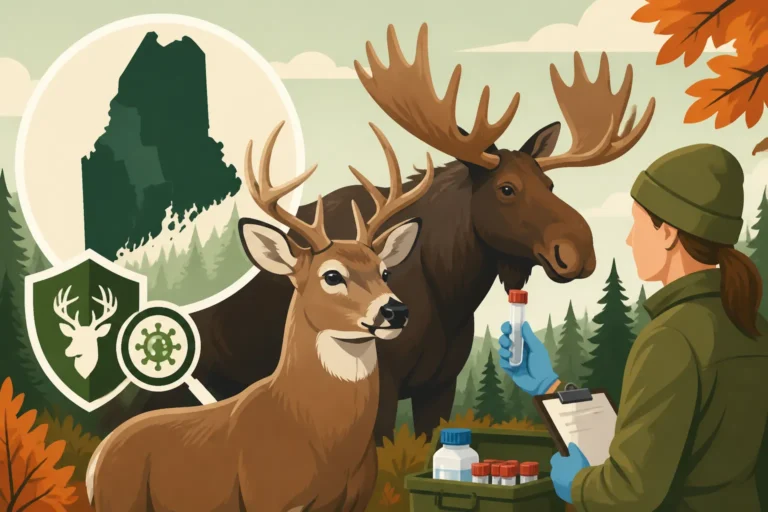
Maine wildlife monitoring tracks Chronic Wasting Disease and winter ticks to protect deer and moose herds from outbreaks.
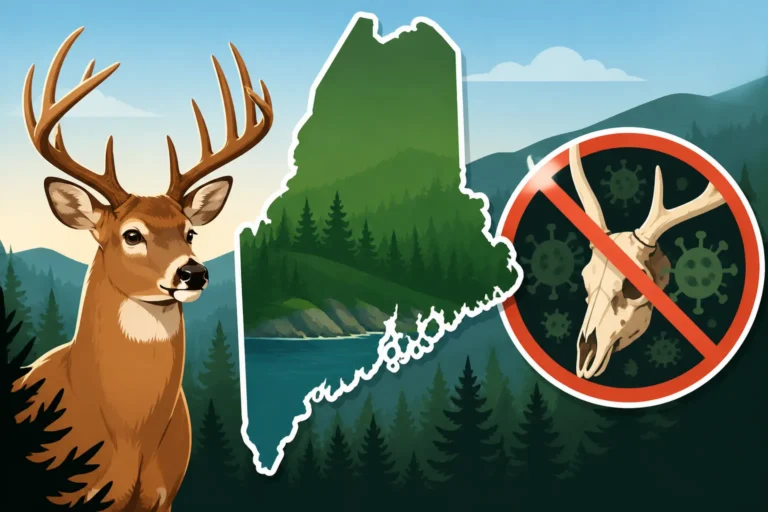
Maine deer, moose, and elk remain free of chronic wasting disease due to strict regulations, natural advantages, and vigilant hunters.
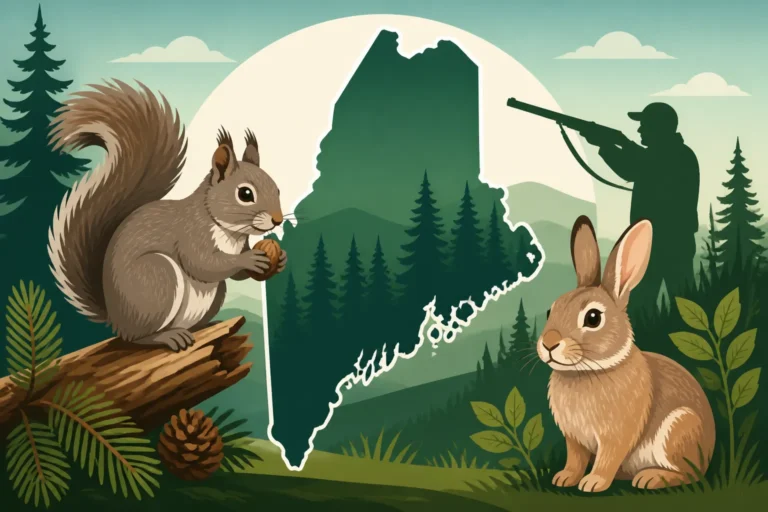
Maine squirrel and rabbit populations provide accessible hunting opportunities, delicious table fare, and vital ecosystem roles across diverse habitats.
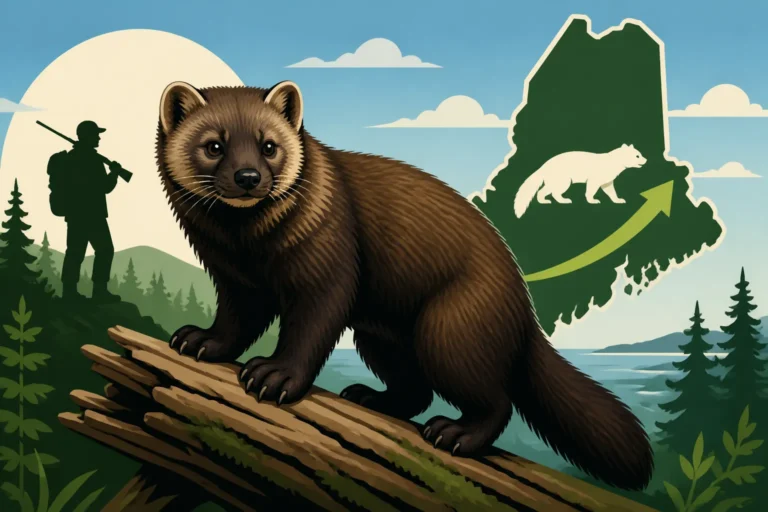
Maine’s recovering fisher population, a member of the weasel family, rebounds through decades of careful management in forest ecosystems.
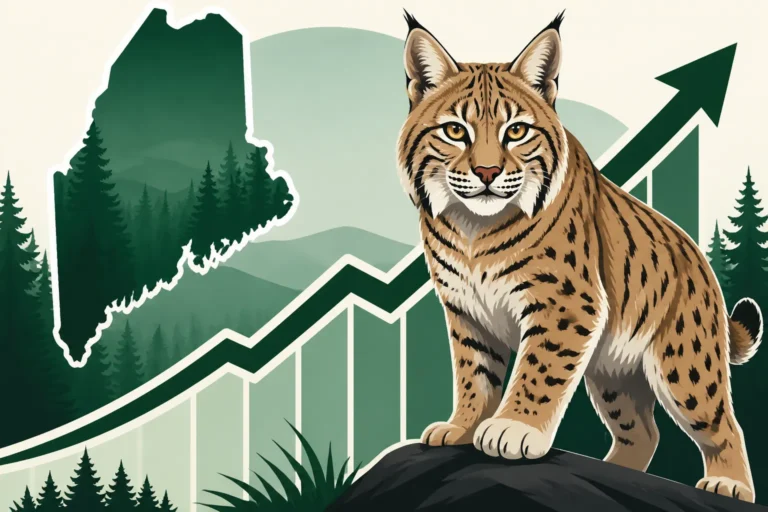
Maine’s bobcat population trends, historical struggles, current recovery, and the environmental factors shaping their future success.
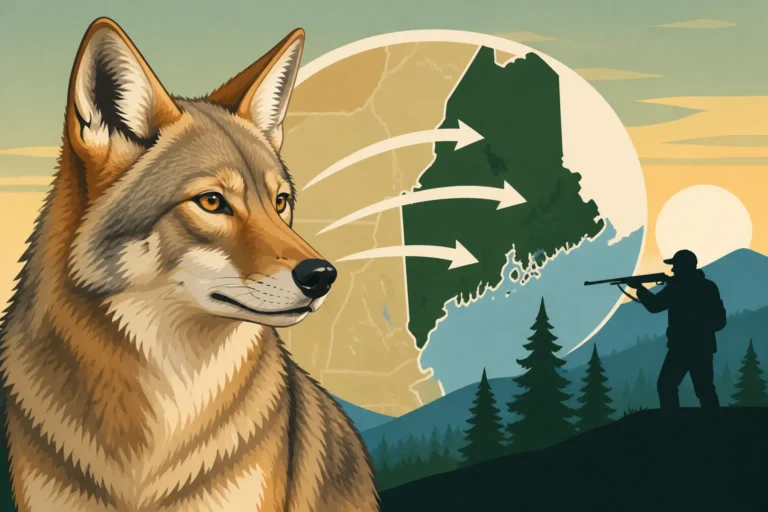
Maine eastern coyote origins and western migration pathways trace how these predators colonized New England after wolves vanished.
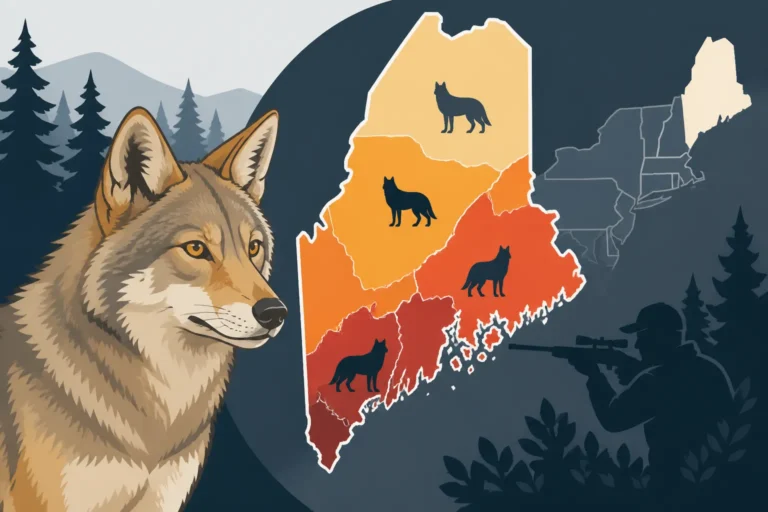
Maine eastern coyote history, thirty to fifty pound weight, and diverse diets explain statewide distribution and population density.
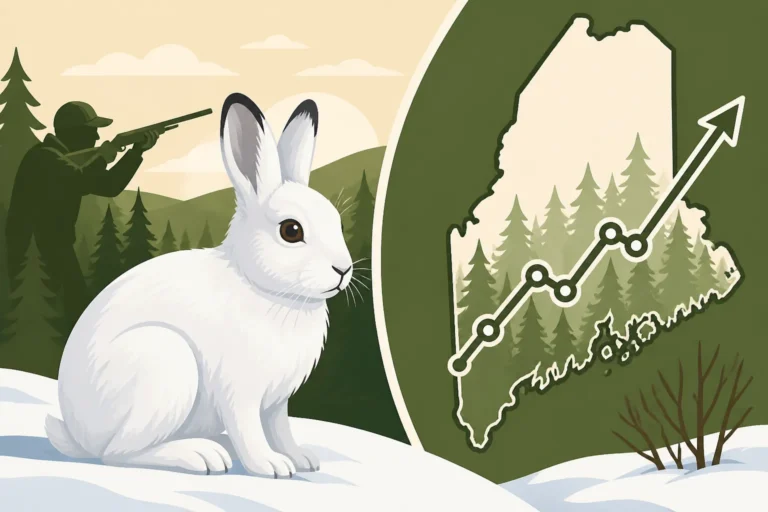
Maine snowshoe hare populations follow a ten-year cycle, dropping up to ninety percent during bust phases due to predators and food scarcity.
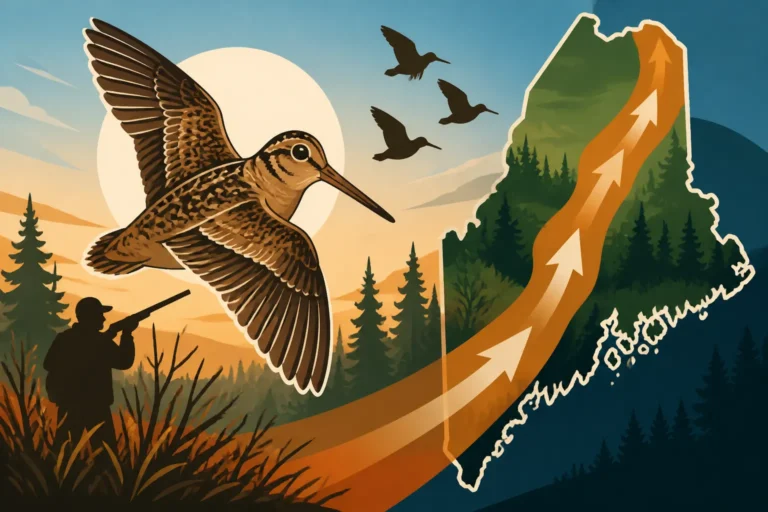
Maine serves as a critical woodcock migration corridor and Atlantic Flyway stop, offering dense young forest habitats and earthworms.
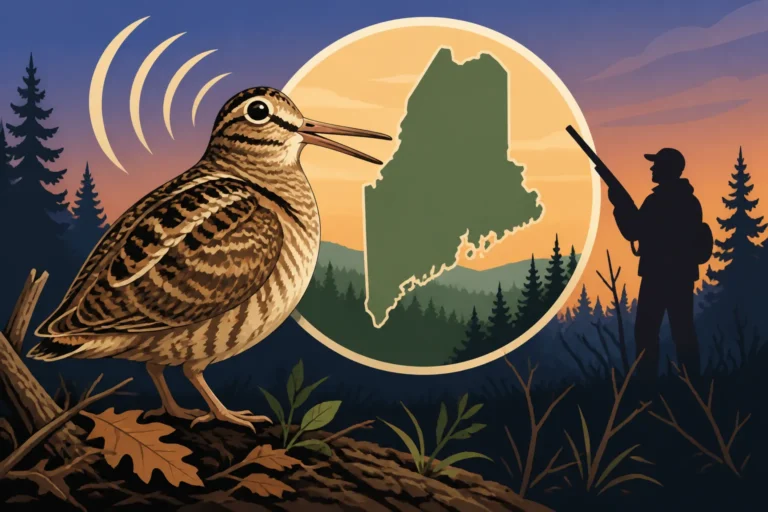
Maine woodcock singing ground surveys allow wildlife biologists to monitor migratory bird populations through standardized evening courtship observation counts.