Why CWD Has Never Been Found in Maine
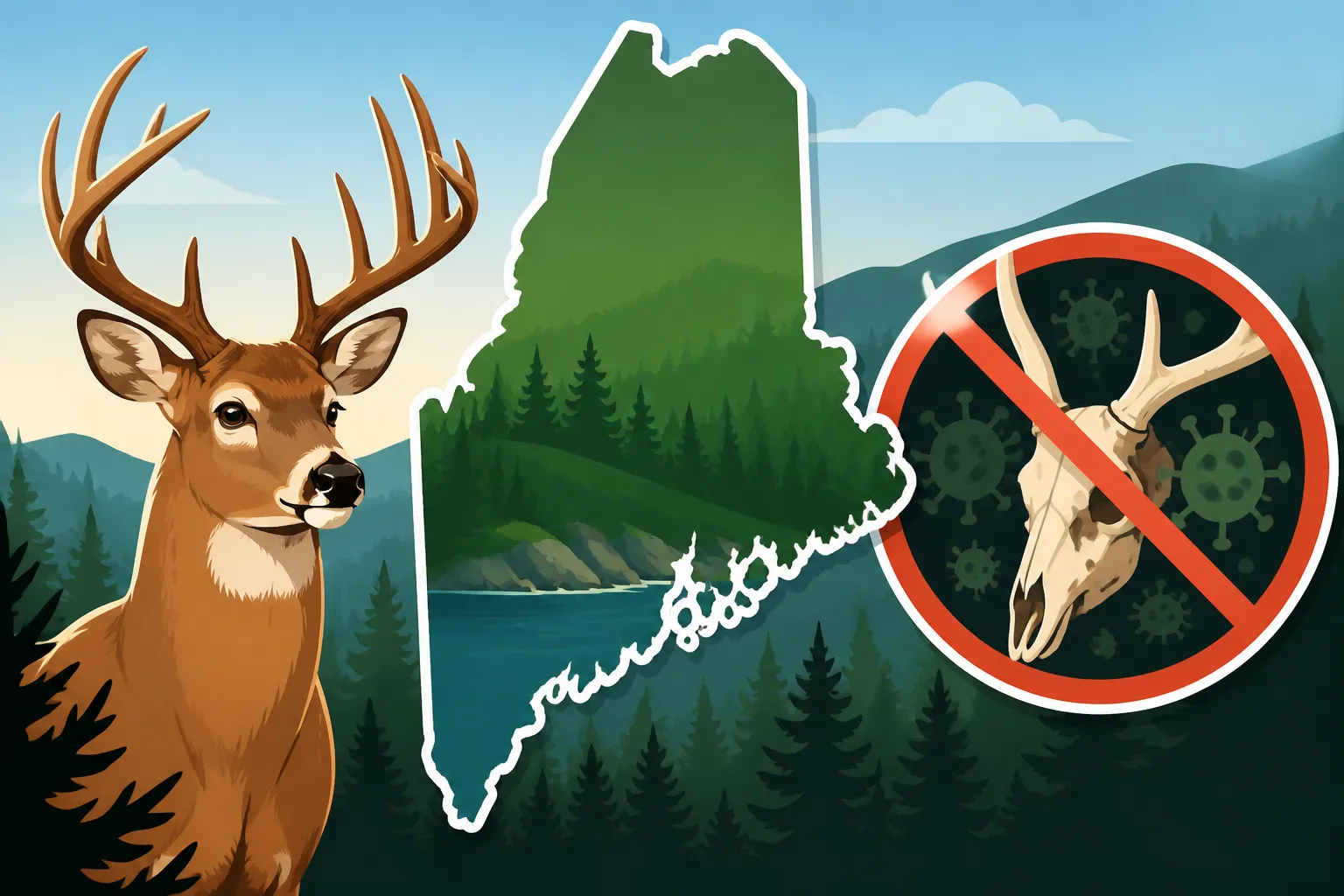
It’s a thought that keeps many hunters up at night: the devastating impact of Chronic Wasting Disease (CWD) on deer, elk, and moose herds in other states. The idea of this insidious neurological disease taking root in our beloved Maine woods, changing hunting traditions and threatening our wildlife, is a terrifying prospect. Thankfully, through a combination of diligent efforts, natural advantages, and a highly engaged hunting community, Maine remains one of the few places in North America where CWD has never been detected. This guide will explore the layers of defense, from our unique landscape to strict regulations and the unwavering vigilance of hunters, that contribute to our invaluable CWD-free status.
Understanding Chronic Wasting Disease: A Persistent Threat
Before we delve into Maine's success story, it's crucial to grasp what CWD actually is and why it poses such a significant threat. This isn't your typical bacterial infection or viral flu; it's a completely different beast, and understanding its nature highlights the importance of our protective measures. The thought of it spreading, like a phantom through the forest, is what drives so much of the concern among wildlife managers and hunters alike.
The Peculiar Prion: Not Your Typical Germ
At its heart, CWD is caused by an abnormal protein known as a prion. Unlike bacteria or viruses, prions aren't living organisms; they're misfolded proteins that cause normal proteins in the brain and nervous system to misfold as well. Think of it like a zombie apocalypse, but on a molecular level. Once these rogue prions start accumulating, they create microscopic holes in the brain tissue, leading to a spongy appearance. This damage is progressive and always fatal. There’s no known cure, no vaccine, and prions are incredibly resilient, resisting conventional disinfectants, heat, and even freezing. They can persist in the environment—in soil, plants, and water—for years, making eradication in affected areas incredibly challenging, if not impossible. This persistence is what makes the disease so frightening for wildlife managers; once it's in the environment, it's virtually impossible to get rid of.
Unmistakable Symptoms in Deer, Moose, and Elk
The symptoms of CWD are often subtle in the early stages, making it difficult to detect, but as the disease progresses, they become increasingly apparent and tragic. Affected animals typically become emaciated, hence the "wasting" in its name, losing significant body condition despite adequate food intake. They might exhibit abnormal behaviors like listlessness, a wide stance, repetitive walking patterns, or carrying their head and ears lowered. Excessive salivation, difficulty swallowing, increased thirst, and frequent urination are also common. You might see a deer that looks like it's perpetually drooling or has a rough, dull coat. These animals eventually lose their fear of humans and become increasingly isolated before succumbing to the disease. For any hunter, seeing an animal suffer like this is heartbreaking, underscoring why preventing CWD's entry into Maine is paramount. If you ever observe an animal showing these signs, it's vital to report it, as we'll discuss later under Maine's Chronic Wasting Disease Monitoring.
How CWD Spreads Through Wildlife Populations
CWD spreads primarily through direct animal-to-animal contact, but also indirectly through environmental contamination. Infected animals shed prions through their saliva, urine, and feces. When a healthy deer, moose, or elk encounters these contaminated excretions or the soil where they've been deposited, the prions can be ingested, starting the infection cycle anew. Carcass remains from infected animals are also a major source of environmental contamination. If an infected animal dies and its carcass is left in the woods, or if hunters improperly dispose of infected remains, those prions can leach into the soil and persist, potentially infecting other animals for decades. This environmental persistence is a huge hurdle in managing the disease in affected regions, making it critically important for hunters here to understand the risks and participate in Why CWD Testing Still Matters in Maine. The long incubation period, often 18-24 months before symptoms appear, means an infected animal can be spreading prions for a long time before anyone even knows it's sick.
Maine's Proactive Stance: A Wall Against CWD
Maine's approach to CWD has always been one of proactive prevention rather than reactive management. We've watched the devastating spread of this disease across the country and learned from the misfortunes of other states. Our wildlife agencies, hunters, and landowners have collectively understood that the best fight against CWD is to never let it get a foothold here in the first place.
Early Detection and Prevention: Our First Line of Defense
The absolute cornerstone of Maine's CWD strategy is early detection combined with rigorous preventative measures. We don't wait for a problem to appear; we actively work to prevent it. This means constant vigilance for any signs of the disease in our cervid populations—deer, moose, and elk. Our wildlife biologists are trained to recognize symptoms, and hunters are educated on what to look for and how to report suspicious animals. It's a community-wide effort, where everyone plays a role. Think of it like building a strong immune system for our deer herd rather than waiting to treat an illness. This proactive stance ensures that if CWD were ever to appear, it would ideally be caught swiftly, allowing for targeted intervention before it has a chance to spread widely. This is a critical component of our broader Maine Deer and Moose Disease Monitoring efforts.
The Value of a Disease-Free Herd for Maine's Future
Maintaining a CWD-free herd isn't just about avoiding a problem; it's about preserving a way of life and an ecological balance that defines Maine. Our robust populations of white-tailed deer and moose are vital for our ecosystems, supporting a wide range of other species and contributing significantly to our state's economy through hunting, tourism, and related industries. A CWD outbreak would be catastrophic, not just for the animals, but for the traditions and livelihoods tied to them. Hunters, in particular, cherish the opportunity to pursue healthy game in a pristine environment. Protecting our CWD-free status safeguards the future of hunting in Maine, ensuring that generations to come can experience the same vibrant wildlife we enjoy today. It's about protecting more than just deer; it's about protecting the very essence of what makes hunting in Maine so special.
Geographical Factors and Natural Barriers
Sometimes, simply where you are on the map can be your greatest ally, and Maine benefits significantly from its geographical position and natural characteristics. While not impenetrable, these natural barriers add an extra layer of defense against CWD.
Maine's Natural Isolation from CWD Hotbeds
Maine's geographical location provides a degree of natural isolation from many of the CWD hotspots in the Midwest and Western United States. We're situated at the far northeastern edge of the contiguous U.S., meaning there are thousands of miles of varied terrain separating us from established CWD-positive areas. The primary route for CWD into a new region often involves the movement of infected animals or contaminated materials. Our distance from these areas makes the natural dispersal of CWD-infected wild cervids into Maine less likely, though certainly not impossible. It's not a foolproof barrier, but it definitely reduces the odds compared to states with more direct, contiguous borders with infected populations. This isolation provides valuable buffer space, giving us more time to react if a case were to be detected closer to home.
The Role of Topography and Lower Population Density
Beyond sheer distance, Maine's unique topography and relatively lower cervid population densities in many areas also contribute to our CWD-free status. Much of northern and western Maine is vast, undeveloped forest land with sprawling tracts of timber. While deer and moose are abundant, their overall density, especially in the remote North Woods, is lower than in agricultural landscapes or heavily fragmented areas where CWD often flourishes. Higher densities of deer can lead to more frequent nose-to-nose contact and increased environmental contamination from shed prions, accelerating disease spread.
Consider a place like Aroostook County, with its mix of vast forests and potato fields; even here, the distribution of deer might be more spread out in general timberlands than in a smaller, agricultural state. In our expansive wilderness, natural barriers like large rivers, extensive bogs, and mountainous terrain can also somewhat limit the broad movement of deer populations, creating localized 'herd islands' that might naturally resist continent-wide disease spread. While deer still move, they generally don't migrate hundreds or thousands of miles, especially across significant ecological shifts.
Contrast this with states in the Midwest that have huge, contiguous populations of deer spread across unbroken agricultural landscapes and relatively flat terrain; the transmission pathways are far more numerous. Here, a deer might travel across miles of spruce and fir to reach a cedar swamp yarding area, which are essential for Maine Deer Wintering Yards Explained, but it's not the same as moving through an endless cornfield with deer at every turn.
Strict Regulations and Monitoring Efforts
Maine doesn't just rely on good luck or geography. Our state has implemented strict regulations and maintains robust monitoring programs, creating a solid regulatory framework designed to detect and prevent CWD. These rules are crucial, and every hunter needs to be aware of them.
Restrictions on Importing Carcass Parts
One of the most critical regulations Maine has in place is the strict control over importing cervid carcasses and parts from out-of-state. Since CWD prions are concentrated in the brain, spinal cord, lymph nodes, and spleen, bringing these high-risk tissues across state lines is a primary vector for disease introduction. To combat this, Maine generally prohibits the importation of whole cervid carcasses, or certain high-risk parts, from any state or province where CWD has been detected. This includes deer, moose, elk, and caribou.
What can you bring in? Typically, deboned meat, antlers (if clean of brain tissue), hides (if clean of tissue), and taxidermy mounts (if professionally processed) are permitted. The specifics can sometimes be complex, so it's always wise to check the latest regulations directly with the Maine Department of Inland Fisheries and Wildlife (MDIFW) before bringing any cervid product into the state. Ignoring these rules, even unknowingly, could inadvertently introduce the disease we've worked so hard to keep out. This is a topic that comes up often in hunter education, highlighting important points about Game You Cannot Hunt in Maine if they are captive or illegally harvested.
Extensive Testing and Surveillance Programs
Maine's MDIFW maintains an active CWD surveillance program. This isn't just a random check; it's a systematic effort to test a representative sample of deer and moose harvested by hunters each year, particularly in high-traffic areas or regions deemed at higher risk. Hunters are often asked to voluntarily submit lymph node samples from their harvested animals at designated check stations or drop-off points. This provides invaluable data, acting as an early warning system.
Additionally, MDIFW investigates reports of sick or unusually behaving deer or moose. If an animal exhibits signs consistent with CWD, it is promptly collected and tested. This proactive testing, even in the absence of known CWD cases, is paramount to maintaining our CWD-free status. It's how we can confidently say the disease isn't here, because we're actively looking for it. GoHunt provides helpful tools for hunters to locate registration stations and learn about sampling requirements in various states, making it easier for Maine hunters to comply with our critical surveillance efforts. Details on how to participate can often be found when learning Where to Get a Maine Deer Tested for CWD.
Regulations for Captive Cervid Farms
While Maine does not have a large commercial captive cervid industry, regulations governing any existing or potential cervid farms are incredibly strict. Captive cervid facilities have historically been implicated in CWD outbreaks in other states, serving as potential vectors for introduction and amplification of the disease. Consequently, Maine imposes stringent rules on these operations, including fencing requirements, mandatory testing protocols, and limits on animal movements. The aim is to prevent any CWD-infected animals from entering these facilities and, equally important, to prevent any potential escapees from mixing with the wild population. This strict oversight minimizes the risk that a captive animal could introduce CWD into our wild herds, a critical aspect of our broader Maine Deer Farm Regulations and Maine Captive Cervid Oversight.
Hunter Awareness and Reporting: A Key Defense
As hunters, we are often the first eyes on the ground, the ones most intimately familiar with our local deer and moose populations. Our vigilance and commitment to ethical practices are invaluable in Maine's fight against CWD. Without an informed and engaged hunting community, all the regulations and geographical advantages in the world would be less effective.
Reporting Sick or Abnormal Animals
This cannot be stressed enough: if you see a deer, moose, or any other cervid exhibiting signs of illness, unusual behavior, or "wasting," report it immediately to MDIFW. Do not approach the animal, do not try to help it, and definitely do not harvest it for consumption. Take note of the exact location, any visible symptoms, and if possible, snap a photo from a safe distance.
Your report acts as a critical early warning system. Every single observation is valuable, even if it turns out to be something other than CWD. It allows wildlife biologists to investigate, collect samples, and confirm or rule out the presence of the disease. This is a community effort, and your contribution as an attentive outdoor enthusiast is absolutely vital. Many seasoned hunters use resources like GoHunt to stay updated on disease protocols and reporting procedures, ensuring they know exactly who to call.
Best Practices for Hunters in Maine
Beyond reporting, there are several best practices every hunter should follow to help keep Maine CWD-free:
- Proper Carcass Disposal: If you hunt out of state and harvest a cervid, ensure you follow Maine's regulations on carcass importation when you return. If you butcher your animal in Maine, dispose of any high-risk parts (brain, spinal cord, lymph nodes, spleen) in a secure landfill or by deep burial, away from scavengers. Never leave them exposed in the woods.
- Support Surveillance Efforts: If asked to provide a sample from your harvested deer or moose for CWD testing, please participate. It's a quick, easy way to contribute to the health of our herd and helps maintain our CWD-free data.
- Clean Your Gear: If you've hunted in a CWD-positive area, thoroughly clean and disinfect your boots, hunting tools, and vehicle tires before heading into Maine's woods. While prions aren't easily transmitted this way, it's an extra layer of caution.
- Educate Yourself: Stay informed about CWD, its symptoms, and the latest regulations. Groups like MDIFW and online platforms often provide updates.
- Avoid Attracting Large Numbers of Deer: While feeding deer is generally prohibited or heavily restricted in many areas of Maine, any activity that unnaturally concentrates deer in high numbers can increase disease transmission risk. Think about the implications of Using a Ground Blind on Posted-Free Land near a food source. These concentrations mean more nose-to-nose contact and shared environments for prions.
By embracing these practices, we collectively become guardians of Maine's pristine wildlife, fulfilling a responsibility that extends far beyond pulling a trigger.
Comparing Maine's Status to CWD-Affected States
It's helpful to look at the situation in states where CWD is unfortunately established to truly appreciate Maine's vigilance. The contrast highlights the critical preventative measures we have in place.
A Look at High-Prevalence Areas
In many states, CWD has become endemic, meaning it's permanently established in the wild cervid population. States like Wisconsin, Colorado, Wyoming, and others have battled CWD for years, sometimes decades. In these areas, prevalence rates—the percentage of the herd infected—can range from low single digits to alarmingly high numbers, particularly in localized hotspots. For instance, some areas might see 30% or more of adult bucks testing positive. This leads to reduced herd health, altered hunting seasons, mandatory testing, and often, culling efforts to control the disease. Hunters in these regions face the difficult decision of whether to consume meat from CWD-positive animals (though health officials advise against it) and grapple with the emotional toll of seeing their beloved game animals decline.
The management strategies in CWD-positive states often shift from prevention to containment and mitigation. This can involve extensive mandatory testing, carcass movement restrictions within the state, special hunt seasons to reduce deer densities, and intensive public awareness campaigns. It's a constant, uphill battle, with significant financial and emotional costs. The situation offers a stark warning of what Maine is working so hard to avoid.
Lessons Learned from Other States
Maine has learned invaluable lessons by observing the struggles of other states. One of the most significant takeaways is that early detection and rapid response are paramount. Once CWD becomes established in the environment, it is incredibly difficult, if not impossible, to eradicate. This reinforces Maine's strong stance on preventing introduction.
Another key lesson is the importance of strict controls on the movement of live cervids and high-risk carcass parts. Many CWD outbreaks have been traced back to the transportation of infected animals, particularly in captive cervid operations, or the movement of contaminated hunter-harvested carcasses. This is why Maine's regulations in these areas are so stringent.
Finally, the collective effort of hunters, landowners, and wildlife agencies is critical. States that have seen more success in containing CWD, or at least slowing its spread, are those where the public is highly engaged and compliant with regulations. This collaborative spirit, where everyone understands their role in protecting the resource, is a hallmark of Maine's strategy. By studying states like Illinois, which has managed to keep prevalence rates relatively low through aggressive testing and hunter cooperation, or states like Pennsylvania, which are still fighting the spread from multiple fronts, Maine can continually refine its own robust prevention strategy.
Here's a comparison highlighting Maine's approach versus typical CWD-affected regions:
| Feature | CWD-Affected Region (Typical) | Maine's Approach (CWD-Free) |
|---|---|---|
| Status | CWD established, varying prevalence rates | CWD-free, no confirmed cases to date |
| Carcass Importation | Often regulated within state, less strict from CWD-free areas | Strict ban on high-risk cervid parts from any CWD-positive area |
| Surveillance Testing | Mandatory in affected zones, reactive to new outbreaks | Proactive, ongoing statewide voluntary testing (hunters) & targeted monitoring (biologists) |
| Captive Cervid Farms | Historically a source of outbreaks, varying regulations | Highly regulated, strict protocols for disease prevention |
| Hunter Role | Compliance with harvest/testing rules, disease mitigation | Active vigilance, reporting sick animals, supporting prevention |
| Disease Management Goal | Containment, mitigation, population reduction | Prevention of introduction, maintaining CWD-free status |
| Environmental Contamination | Prions present in soil/water, persistent threat | Minimal to no environmental prion contamination |
| Closest CWD Detection | Often contiguous or nearby states/provinces | Maine's Closest CWD Detection to Its Border is a considerable distance away, offering a buffer |
Maine's continued CWD-free status is not an accident; it's a testament to sustained effort, smart policy, and the dedication of its citizens. By understanding the threat, respecting the regulations, and remaining ever-vigilant, we can all contribute to keeping our woods healthy and our hunting heritage secure.
Disclaimer
This article is for general informational purposes only and does not constitute professional advice. Laws, prices and regulations vary by location and change over time. Consult a qualified professional for guidance on your specific situation.