What Success Rates Actually Mean for Moose
When you're dreaming of a Maine moose hunt, it's easy to get caught up in the "success rate" numbers floating around. You see percentages posted by outfitters or state agencies, and it's natural to think that's your personal guarantee for tagging a magnificent bull or cow. But the truth is, these numbers, while informative, don't tell the whole story, and misunderstanding them can lead to some real disappointment. This guide is here to help you truly understand what those moose hunting success rates actually mean for your adventure in the Maine woods.
Understanding the Basics of Maine Moose Hunting Success Rates
The phrase "moose hunt success rate" gets thrown around a lot, but what does it really boil down to? It's more complex than a simple pass/fail grade, especially when you're looking at different sources of data.
What "Success Rate" Often Represents
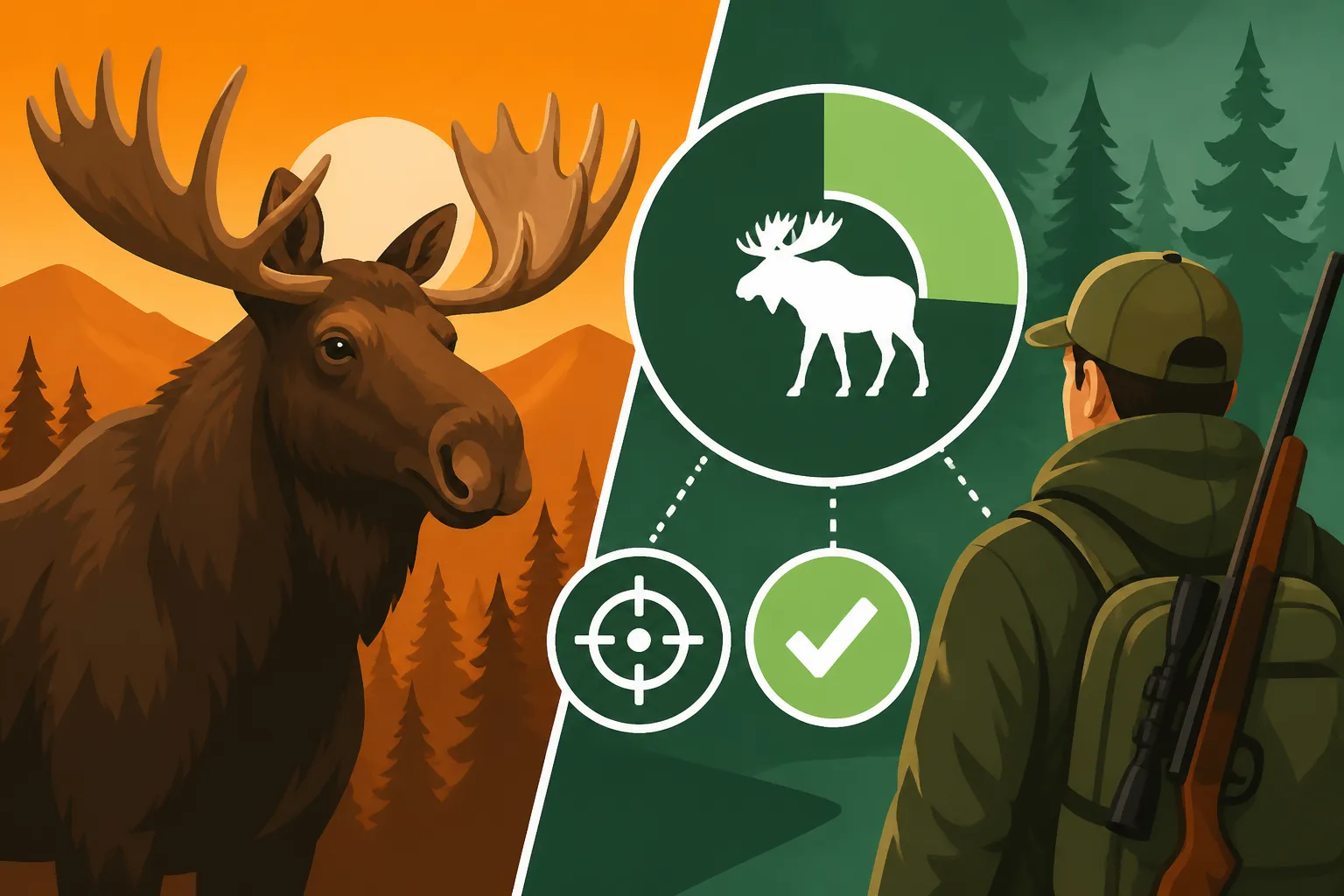
At its core, a success rate for moose hunting usually represents the percentage of permit holders who successfully harvested a moose within a specific season, often broken down by Wildlife Management District (WMD) and hunting week. For instance, if a WMD issued 100 moose permits and 70 moose were registered from that district, the success rate for that specific WMD would be 70%.
What's crucial to remember here is that this is an average. It reflects the collective outcome of every single hunter who held a permit for that area and time frame, whether they hunted hard for the entire week or only spent a day or two in the woods. It doesn't differentiate between the hunter who packed in ten miles and spent all their time calling versus someone who barely left the logging roads. It also often includes permit holders who, for whatever reason, didn't even make it out to hunt, though state agencies try to account for this by tracking actual hunter effort when possible. So, while it gives you a broad overview of harvest potential in a given zone, it's not a prediction of your personal chances.
The Official Data Source: Maine IFW
When it comes to official, reliable statistics for moose hunting in Maine, the Maine Department of Inland Fisheries and Wildlife (MDIFW) is the definitive source. They are the ones issuing the permits, setting the seasons, and managing the harvest data. After each moose season, hunters are legally required to register their moose, providing crucial information that MDIFW compiles into comprehensive reports.
These reports often detail success rates not only statewide but also broken down by individual WMDs, by hunting week (often early season versus later weeks), and sometimes even by weapon type. This data is invaluable for hunters trying to decide where to apply for a permit in the future or which week might offer the best opportunity if they are lucky enough to draw. Many reputable outfitters will base their general claims about success rates on these official MDIFW figures, although they'll typically present their own client's success rates, which can be a very different story, as we'll discuss. Understanding Maine Moose Lottery Application Process is key to even getting a chance to utilize this data.
Factors That Skew or Influence Moose Hunt Success Rates
Moose hunting success isn't just a flip of a coin; it's a dynamic equation influenced by a multitude of factors, many of which aren't reflected in a simple percentage.
Zone, Timing, and Weather Conditions
The specific Wildlife Management District (WMD) you draw a permit for is perhaps the biggest geographic influencer on success rates. Maine's diverse landscape means moose densities vary wildly. Some WMDs, particularly in the deep North Woods, consistently show higher success rates due to higher moose populations and often less hunting pressure per square mile. Other WMDs, perhaps those with more fragmented habitat or closer to population centers, might have lower averages. It's vital to research success rates specifically by WMD when you're applying for your permit.
The timing of your hunt also plays a massive role. Maine's moose season is typically broken into several weeks. The early weeks, usually in late September, can be fantastic for calling bulls during the rut, but warm weather can shut down moose movement and make meat care challenging. Later weeks, often in October and even into November, can see cooler temperatures, potential snow cover, and less foliage, which can aid in spotting moose. However, the rut might be over, making calling less effective. A week with unseasonably warm temperatures could drastically lower success across the board for all hunters in a given zone, purely because moose aren't moving much during daylight hours. Conversely, a cold snap with fresh snow can make for ideal tracking conditions and send success rates soaring for those who drew that particular week. Planning around potential weather conditions, though unpredictable, is part of the strategy, especially if you're Packing for a North Woods Moose Hunt.
Hunter Skill, Effort, and Experience Level
Here’s where the "personal" factor really comes into play. A statewide or WMD success rate doesn't account for the individual hunter's abilities or dedication. Think about it:
- Skill and Experience: A seasoned moose hunter who understands moose behavior, knows how to call effectively, and has spent years learning the North Woods will almost certainly have a higher personal success rate than a first-timer fresh off the plane.
- Effort and Time: Did the hunter dedicate all available daylight hours to hunting, or did they spend half their time in camp relaxing? Did they actively scout before the season, or did they just show up? The more effort and time invested, generally, the higher the individual's chances.
- Physical Fitness: Moose hunting in Maine can be incredibly demanding. Traversing rugged terrain, especially off-trail, requires a good level of physical conditioning. Those who can go deeper and stay longer often find success where others turn back.
- Mental Fortitude: Moose can be elusive. The ability to stay patient, adapt to changing conditions, and maintain a positive attitude through tough hunting can make all the difference.
These personal attributes are completely invisible in aggregated success rate data, yet they are paramount to an individual's actual outcome. This is why you'll hear stories of hunters drawing a coveted permit for a high-success WMD and coming home empty-handed, while others in a lower-success area tag out quickly.
Equipment and Hunting Method
While Maine moose season is primarily a rifle hunt, the specific gear you bring and how you employ it can also influence your chances. Are you set up with quality optics for glassing distant clearcuts? Do you have an effective moose call and know how to use it? Is your rifle accurate and sighted in properly for the distances you might encounter? Having reliable gear that you're proficient with is non-negotiable.
The hunting method also plays a role. Are you:
- Calling: Trying to entice a bull (or cow during certain seasons) into range using vocalizations? This is incredibly effective during the rut.
- Still-hunting: Moving slowly and deliberately through the woods, looking for fresh sign and moose themselves?
- Spot and Stalk: Glassing clearcuts, powerlines, or swamps from a distance and then planning a careful approach?
- Driving: Employing a group of hunters to push moose towards standers? (This is more common for deer but can be done for moose in certain situations and group sizes).
Each method has its pros and cons, and knowing when and where to apply them is a skill that contributes to success. For instance, Calling a Bull Moose in Late September is a prime tactic for those early season hunts, while still-hunting might be better later on.
How to Interpret Success Rates for Your Hunt
Understanding the factors that influence success rates is one thing; learning how to practically apply that knowledge to your own hunt is another. Don't let the numbers mislead you.
Looking Beyond the Raw Percentage
When you see a general success rate, whether it's 65% or 80%, consider it a baseline. It's a snapshot of what happened on average, not a crystal ball for your trip. Instead of just noting the number, ask yourself:
- What WMD does this apply to? Success rates can vary by 20-30% or more between WMDs. Focus on the district you've drawn or plan to apply for.
- Which hunting week is represented? Early season often has different dynamics and success rates than later weeks.
- Who is included in this data? Is it all permit holders, or specifically guided clients?
For instance, a general "Maine moose hunt success rate" might average out all WMDs and weeks. But if you have a permit for, say, WMD 1 in the last week of the season, you should look specifically at the MDIFW data for WMD 1 during that particular week. This level of detail will give you a much more relevant and realistic expectation. Many hunting resources, including platforms like BookYourHunt or GoHunt, provide detailed breakdowns of success rates, allowing you to filter by WMD and even by specific outfitter's reported results, helping you make a more informed decision.
The Role of a Maine Hunting Guide in Success
This is where the numbers can get truly interesting, and often where outfitters shine. A reputable Registered Maine Guide or outfitter almost universally boasts a higher client success rate than the statewide average for a given WMD. Why is this?
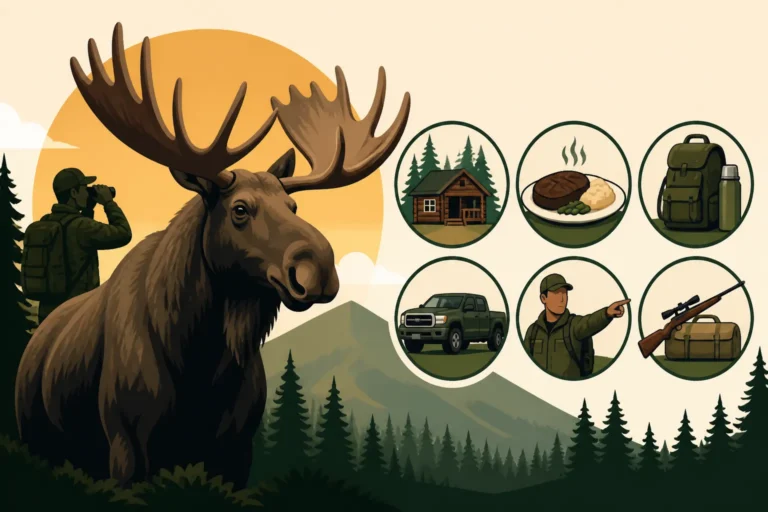
- Local Knowledge: Guides spend countless hours scouting and know their hunting areas intimately. They understand moose movements, prime feeding and bedding areas, and how moose react to pressure.
- Logistical Support: Guides often provide transportation, whether it's a truck, ATV, or boat, to get you into prime moose country that might be inaccessible otherwise. They also handle the incredibly difficult task of moose recovery and extraction from the woods, which is no small feat for an animal weighing upwards of 1,000 pounds.
- Expert Calling: Many guides are masters of moose calling, capable of locating and attracting moose, especially during the rut.
- Pre-Season Work: A good guide has done their homework long before you arrive, often hanging trail cameras, scouting sign, and sometimes even locating specific bulls.
When an outfitter advertises an 85% or 90% success rate, they're typically referring to their clients' success rather than the general WMD average. This is a critical distinction. While a WMD might have a 70% success rate for all hunters, a dedicated outfitter working hard for their clients might achieve significantly better results. It's a testament to the value a guide provides, and many hunters feel the investment is well worth it for the increased odds and the invaluable experience. Learn more about Hiring a Registered Maine Guide if you're considering this route.
Setting Realistic Expectations
Even with the best guide, the highest success rate WMD, and perfect conditions, moose hunting is still hunting. There's no 100% guarantee. A "success rate" is a historical statistic, not a promise.
It's important to go into your hunt with realistic expectations. Focus on the experience of being in the breathtaking Maine North Woods, the camaraderie, the challenge, and the possibility of encountering wildlife. While tagging a moose is often the primary goal, the journey itself is what most hunters cherish. If you understand that hunting involves variables you can't control (like moose behavior or the weather) and variables you can (your effort, preparation, and choice of guide), you'll have a much more fulfilling and less stressful hunt, regardless of the final outcome. Remember, What a Drawn Moose Zone Assignment Means for you is about the opportunity, not the certainty.
Using Success Rate Data to Maximize Your Odds
While success rates aren't a guarantee, they are a powerful tool when used correctly. Here's how you can leverage this information to stack the odds in your favor.
Researching Specific Outfitters
If you're considering a guided hunt, don't just ask an outfitter for their overall success rate. Dig deeper. Ask:
- What is your success rate specifically for the WMD and week I'm interested in? They might have different results for different zones or weeks based on their specific territories and strategies.
- Is that success rate based on "opportunities" or "harvests"? Some outfitters might count an "opportunity" as a success even if the shot wasn't taken or missed. Clarify what their number represents.
- Can you provide references from previous clients? Talking to past hunters can give you invaluable insight into their experience, the guide's effort, and what the success rate actually felt like on the ground.
- What percentage of your clients take a bull vs. a cow (if relevant to your permit)?
Platforms like BookYourHunt or even online forums are great places to start your research. They often compile reviews and reported success rates, allowing you to compare different outfitters within Maine. Just remember to read between the lines and verify claims. The goal is to find an outfitter whose reported success aligns with their proven track record and the experiences of their former clients. To help you choose, consider Vetting a Maine Hunting Outfitter.
Preparing for Your Hunt
Your personal preparation is a significant, controllable factor that impacts your individual success, far more than a statewide success rate.
- Physical Conditioning: Start a fitness regimen well before your hunt. Moose country is rugged, and you'll be walking, climbing, and potentially dragging. Being in shape means you can hunt longer and harder.
- Shooting Practice: Know your weapon inside and out. Practice shooting from various positions and at different ranges, including those you might realistically encounter in dense woods.
- Gear Check: Ensure all your gear, from boots to optics to your rifle, is in top working order. Don't wait until the last minute.
- Scouting (if self-guided): If you're on a self-guided hunt, pre-season scouting, whether boots-on-the-ground or using aerial imagery and mapping tools, is crucial. Services like GoHunt offer detailed mapping layers and scouting tools that can help identify potential moose habitat, access points, and funnels. Knowing Where Maine Bucks Bed in Big Timber or where moose feed heavily can be just as important as knowing deer sign. If you're using a guide, communicate openly about their scouting efforts and what you can do to prepare.
The Importance of a Moose Lottery Application Strategy
Your strategy for applying to the Maine Moose Lottery directly influences your opportunity to hunt in a high-success WMD. When you fill out that application, you're not just hoping for any permit; you're often specifying preferred WMDs and hunting weeks.
- Research WMDs: Look at historical success rates published by MDIFW for all WMDs. Identify those that consistently perform well for the type of hunt you're after (e.g., higher bull harvest, more remote experience).
- Consider Hunting Pressure: High success rates can sometimes correlate with higher hunter density, especially in more accessible WMDs. If you prefer a more solitary hunt, you might weigh lower success rates in more remote areas against the experience.
- Assess Your Capabilities: Do you have the resources (time, physical ability, funding for a guide) to hunt a remote WMD with challenging terrain, even if its success rate is high? Or would a more accessible WMD, even with a slightly lower average, be a better fit for your personal hunting style?
A well-thought-out application, informed by historical success rates and personal preferences, sets the stage for a potentially successful hunt even before you step foot in the woods. When applying, understanding Applying for a Maine Moose Permit is paramount.
| Factor | Impact on Success Rate (General) | Explanation |
|---|---|---|
| Wildlife Management District (WMD) | Varies significantly (e.g., 50% – 90%) | Moose density, habitat quality, and hunting pressure differ greatly by WMD. |
| Hunting Week (Timing) | Moderate to High Influence | Early rut (calling), later season (snow/cold), and warm weather during any week all affect moose activity. |
| Hunter Skill/Experience | High Personal Influence | Proficiency in calling, tracking, woodsmanship, and knowledge of moose behavior. |
| Physical Fitness | Moderate to High Personal Influence | Ability to cover ground, retrieve game, and withstand challenging weather conditions. |
| Guide/Outfitter | Significantly Higher (Client Rates) | Guides offer local knowledge, scouting, logistical support, calling expertise, and game recovery. |
| Equipment Quality | Moderate Personal Influence | Reliable optics, proper rifle/archery setup, appropriate clothing for conditions, game retrieval gear. |
| Weather Conditions | Moderate to High Environmental Impact | Extreme heat, heavy rain, or lack of snow can reduce moose movement and make hunting more challenging. |
| Moose Population Trends | Long-term Environmental Impact | Overall health and size of the moose herd in a given region (e.g., due to winter ticks, habitat changes). |
Disclaimer
This article is for general informational purposes only and does not constitute professional advice. Laws, prices and regulations vary by location and change over time. Consult a qualified professional for guidance on your specific situation.