The North Maine Woods Gate System
For anyone venturing into Maine's vast northern forest, the term "North Maine Woods" often conjures images of untouched wilderness, massive timber, and incredible hunting opportunities. But it also comes with a unique, sometimes intimidating, entrance exam: the gate system. This guide is here to unravel the mystery, explaining exactly what those gates are, why they exist, and how you can confidently navigate them to unlock some of the best hunting experiences Maine has to offer.
Understanding the North Maine Woods Gate System
When you hear "North Maine Woods," it's easy to picture a huge, federally owned national forest, a vast expanse of public land just waiting for your boots. The reality is a bit more nuanced, and it’s this nuance that makes the gate system so important. The North Maine Woods (NMW) is actually a vast, contiguous block of over 3.5 million acres, primarily comprised of privately owned commercial timberlands. These lands are managed by a consortium of landowners who, through the North Maine Woods organization, generously allow public access for recreation, including hunting, in exchange for a fee.
The gate system serves as the entry and exit points for this massive managed area. Imagine trying to manage millions of acres of active logging operations, remote campsites, and diverse wildlife habitat without any control over who comes and goes. It would be chaos, and the land would likely be closed to public recreation entirely. Instead, the gates provide a controlled environment where access can be monitored, fees collected, and rules communicated. It’s a unique model, really, a testament to a long-standing tradition in Maine of private landowners allowing public use, but with necessary structure.
What is the North Maine Woods Organization?
The North Maine Woods organization is a non-profit entity formed by the private landowners themselves. Their primary mission is to manage public recreation on these vast timberlands, ensuring sustainable forestry practices can continue while offering incredible access to hunters, anglers, campers, and outdoor enthusiasts. They handle everything from road maintenance to campsite management, and, crucially, the operation of the gate system.
Think of them as the facilitators of your wilderness adventure. They aren't government employees, but rather the stewards of this unique public-private partnership. Without their efforts, much of this land would likely be off-limits, which would be a huge loss for Maine hunters. Their model is vital for preserving both the timber industry and the recreational opportunities.
The Historic Roots of Public Access on Private Land
The concept of public access to private timberlands isn't new in Maine; it's practically woven into the fabric of the state's outdoor heritage. For generations, logging companies and private landowners understood that allowing hunters and fishermen onto their vast holdings fostered goodwill and a shared sense of stewardship for the land. There wasn't always a formal gate system, but as vehicle traffic increased, and the scale of logging operations grew, a more structured approach became necessary.
The gates emerged as a practical solution to maintain roads, prevent abuse, manage wildfire risks, and simply keep track of who was in the woods. It’s a system built on mutual respect: landowners offer access, and users pay a fee and abide by rules to ensure that access continues for future generations. This tradition is something Maine prides itself on, setting it apart from many other states where private land is often synonymous with "no trespassing." Maine's Private Land Access Tradition is a concept worth understanding fully before you head north.
Why Does the North Maine Woods Have Gates?
The existence of the North Maine Woods gate system often raises questions, especially for those accustomed to boundless access on state or federal public lands. But these gates are far from arbitrary; they serve several critical functions that benefit both the landowners and the recreational users, ultimately preserving the unique character of this vast area.
Funding Road Maintenance and Infrastructure
The sheer scale of the North Maine Woods means thousands of miles of gravel roads snake through its interior. These aren't county roads or state highways; they are private logging roads, built and maintained by the timber companies. Heavy logging trucks cause significant wear and tear, and maintaining these arteries requires constant grading, ditching, and culvert replacement. Without dedicated funding, these roads would quickly become impassable, cutting off access for everyone.
The fees collected at the gates directly contribute to this vital maintenance. When you pay an entry fee, you're essentially paying a toll for the privilege of driving on a private road system that is actively used for industrial purposes. This ensures that you can reach those remote hunting spots, pristine ponds, and distant campsites without destroying your vehicle or getting stuck miles from civilization. It’s a practical solution to a very real operational cost.
Managing Timber Harvesting Operations
The North Maine Woods is, first and foremost, a working forest. Timber harvesting is an ongoing, year-round operation that involves heavy machinery, falling trees, and active hauling routes. This industrial activity presents inherent safety risks to recreational users if not properly managed. The gates allow the NMW organization to regulate traffic flow, especially that of large logging trucks, and to inform visitors about active harvesting areas or temporary road closures.
Imagine trying to navigate a forest where massive feller-bunchers and delimbers are operating, and log trucks are screaming down narrow gravel roads without any oversight. It would be incredibly dangerous. The gates help minimize these conflicts, ensuring that hunters can enjoy their pursuits safely while the timber industry can continue its essential work. Sometimes, a gate attendant might even give you a heads-up about a particular road to avoid that day due to heavy hauling.
Enforcing Rules and Regulations
With millions of acres and countless visitors, maintaining order and enforcing rules is paramount for the sustainability of the North Maine Woods. The gate system provides a crucial point of contact for this enforcement. When you enter, you’re often given a pamphlet outlining regulations regarding camping, fires, waste disposal, and other critical aspects of wilderness ethics. This face-to-face interaction ensures everyone understands the expectations.
Furthermore, the gates allow for monitoring of who enters and exits, which is a valuable tool for safety and security. If a vehicle goes missing or there’s an emergency in a remote area, the NMW staff at the gates can quickly provide information to search and rescue teams. This level of oversight helps prevent poaching, illegal dumping, and other activities that would degrade the quality of the resource for everyone. The rules are there to protect the environment and ensure the future of Maine's Private Land Access Tradition.
Navigating the NMW Gates: What to Expect
Stepping into the North Maine Woods through one of its iconic gates can feel like entering another world. The paved roads give way to gravel, cell service fades, and the sounds of distant logging trucks replace urban hum. But don't let the remoteness intimidate you; navigating the gates is a straightforward process once you know what to expect.
The Entry Process
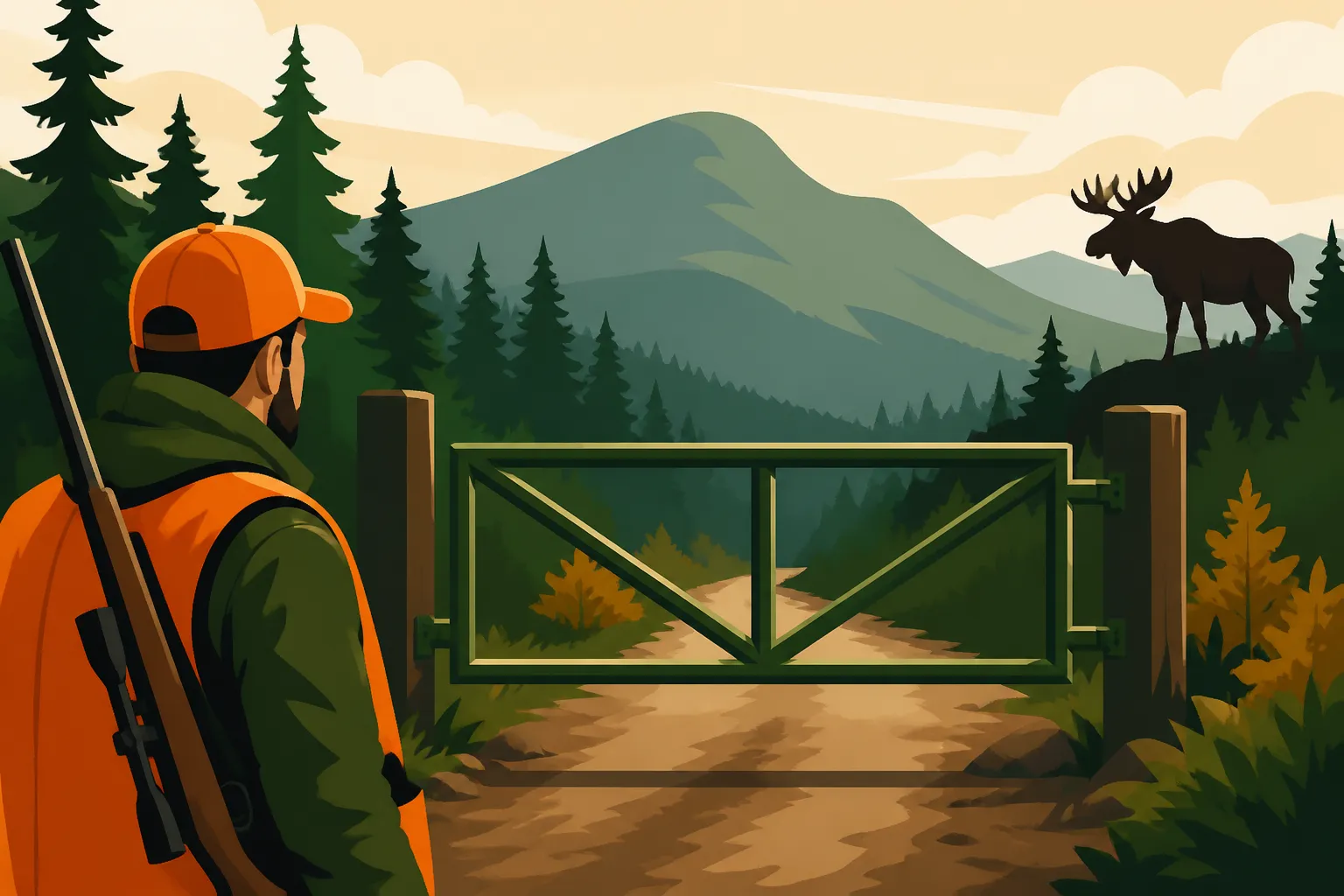
When you arrive at a North Maine Woods gate, you'll typically find a small building, often staffed by a friendly attendant. This is where you'll register your entry, pay any applicable fees, and receive important information. The process usually involves:
- Stopping at the gatehouse: Always stop and wait for the attendant. If there's no attendant, follow posted instructions, which usually involve self-registration envelopes.
- Providing information: You'll be asked about your destination, the duration of your stay, and how many people are in your party. They might ask for your vehicle plate number and even for some emergency contact information. This isn't nosey; it's for your safety, especially if you're headed to a truly remote spot.
- Paying fees: Fees are assessed based on residency (Maine resident vs. non-resident), duration of stay (day-use vs. overnight), and sometimes by the type of activity. Be prepared to pay; these funds are vital for road and campsite maintenance. Remember, specific costs aren't stable, so always check the official North Maine Woods website for the most current fee schedule. They accept various forms of payment, but cash is always a good idea, just in case.
- Receiving information: The attendant will often provide you with a map, explain any current warnings (like active logging in certain areas, road closures, or fire bans), and remind you of the basic rules. Pay attention to this information; it can save you a lot of trouble later.
- Proceeding through the gate: Once registered and paid, the attendant will open the gate, and you're free to proceed into the vastness of the NMW.
Day-Use vs. Overnight Fees
One of the most common questions revolves around the different types of fees. The North Maine Woods operates on a tiered system, distinguishing between those who are just passing through for the day and those planning to camp or spend multiple nights.
- Day-Use Fees: If you're heading in for a morning hunt, an afternoon of fishing, or just a scenic drive, you'll pay a day-use fee. This covers your entry and exit within a single calendar day. It's generally the most economical option if your plans are short-term.
- Overnight Fees: For those looking to immerse themselves fully in the wilderness, overnight fees are charged. These are typically assessed per person, per night, in addition to your entry fee. If you plan to set up camp, whether in an established NMW site or a more primitive spot, you'll need to declare this at the gate. These fees support the maintenance of the numerous primitive campsites and facilities within the NMW. Camping Rules Inside North Maine Woods are critical to understand before you set up your tent.
It’s always best to be upfront about your intentions. Trying to sneak in an overnight stay on a day-use pass is not only dishonest but also undermines the system that keeps this incredible access available. The NMW staff are vigilant, and getting caught can lead to fines or being permanently banned from the area.
Payment Methods and Preparation
While many NMW gates are now equipped to handle credit card transactions, cash remains king in the deep woods. It's always wise to have a sufficient amount of cash on hand, just in case the card reader is down or a specific gate operates on a cash-only basis. Consider it part of your overall preparation for a remote trip.
Beyond payment, preparation means having your vehicle in good working order. Those gravel roads can be tough on tires and suspensions. A spare tire, a jack, and basic tools are not luxuries; they are necessities. Cell service is virtually nonexistent once you pass the gates, so don't rely on your smartphone for navigation or emergencies. A physical map of the NMW and a compass (and knowing how to use them!) are indispensable. Using an app like onX Hunt can be incredibly helpful for Using an App for North Maine Woods Land Status before you lose service, allowing you to download offline maps to see property lines and road networks.
Key North Maine Woods Gates and Their Access
The North Maine Woods is enormous, and its various gates serve as distinct entry points, each offering access to different regions, hunting opportunities, and wilderness experiences. Knowing which gate to use can significantly impact your trip planning and success.
Western NMW: Telos and Churchill Dam Gates
On the western side of the North Maine Woods, the Telos and Churchill Dam gates are often the gateway to some truly remote and rugged country.
- Telos Gate: Located roughly northwest of Millinocket, the Telos Gate is a popular entry point for hunters and anglers looking to access areas around Telos Lake, Chamberlain Lake, and the vast tracts of timberland stretching towards the Allagash Wilderness Waterway. This region is renowned for its moose habitat, and many hunters with Hunting a Drawn Moose Zone in the North Woods tags find themselves passing through here. The roads can be rough, and the country is dense, offering classic North Woods still-hunting opportunities for deer, particularly as you get deeper in.
- Churchill Dam Gate: Further north and often accessed via the Telos road system, the Churchill Dam Gate leads directly into the heart of the Allagash Wilderness Waterway corridor. While the Waterway itself has specific rules regarding hunting and camping, this gate provides access to the surrounding timberlands, which are open for hunting. This area is notoriously remote, offering a true wilderness experience. Access to this region often requires careful planning and a robust vehicle, as cell service will be long gone.
These western gates are your entry to truly wild country, where Finding Sign in Big North Woods Timber requires patience and a good understanding of deer and moose behavior in dense cover.
Central NMW: Harveys and Ashland Gates
Moving towards the central and northern parts of the NMW, the Harveys and Ashland gates open up different types of terrain, often closer to agricultural interfaces or more established road networks.
- Harveys Gate: Situated north of Patten, the Harveys Gate provides access to a large section of the NMW that offers a mix of timberland and proximity to some of Maine's smaller towns. This area is popular for bear hunting, especially in the early season, and can offer excellent deer hunting in certain zones. The road system here is extensive, making it a good choice for those who want to cover ground with a vehicle and then branch out on foot. You'll find a blend of mature timber and clear-cuts, which can be fantastic for deer looking for browse and cover. Hunting a North Maine Woods Checkpoint Tract might start right here.
- Ashland Gate: Further west and north of the town of Ashland, this gate offers access to areas bordering Aroostook County farmland. This unique interface between vast forests and agricultural fields creates prime deer habitat. Bucks will often bed in the timber and venture into the fields to feed, especially in the late season. While still very wild, these areas can sometimes offer easier access to game than the deepest, unbroken forests. It's a great spot for combining timber tactics with field edge hunting.
Northeastern NMW: St. Francis Gate
In the far northeastern corner, the St. Francis Gate provides access to the St. John River Valley and the upper reaches of the North Maine Woods.
- St. Francis Gate: This gate, located near the town of St. Francis, offers a different flavor of North Maine Woods hunting. Here, the vast timberlands often abut the international border with Canada, and the mighty St. John River is a dominant feature. The terrain can be a mix of dense spruce-fir forests, hardwoods, and river bottomlands. This area is known for its incredible moose habitat and can also be productive for deer, especially in years with good mast crops in the hardwood stands. It’s a very remote gate, often requiring a long drive to reach, but the reward is a truly wild and less-pressured hunting experience.
Choosing the right gate depends on your target species, the type of terrain you prefer, and how deep into the wilderness you're willing to venture. Always research your specific WMD (Wildlife Management District) and the corresponding gate access before you leave home.
Planning Your Hunt in the NMW: Permits, Maps, and More
A successful hunt in the North Maine Woods isn't just about showing up with a rifle and a license; it's about meticulous planning and preparation. The NMW is a formidable environment, and going in unprepared can quickly turn an adventure into a nightmare.
Essential Permits and Licenses
Beyond your NMW gate pass, you'll need all the standard Maine hunting licenses and permits specific to your chosen game species. This includes your basic hunting license, any necessary tags (like a deer or moose permit), and migratory bird stamps if you're pursuing waterfowl or other birds. Ensure all your documentation is up-to-date and easily accessible.
- Maine Hunting Licenses: You must have a valid Maine hunting license. Residents and non-residents have different requirements and fees, so make sure you purchase the correct one. Maine Hunting Licenses and What They Cost is a critical read before any hunting trip.
- Deer and Moose Permits: If you're targeting deer during the firearms or muzzleloader seasons, or if you've been fortunate enough to draw a moose permit, you must have the physical tag with you. The NMW gates don't check for these specific permits, but a game warden certainly will in the field.
- Hunter Education: If you’re a new hunter or a non-resident, ensure you meet Maine Hunter Education Requirements before purchasing your license.
Don't assume anything. Double-check all requirements well in advance of your trip. The last thing you want is to drive hours to a NMW gate only to realize you're missing a crucial piece of paper.
The Indispensable Role of Maps and Navigation
In a place where cell service is a rare luxury, reliable navigation is paramount. Relying solely on your phone's GPS is a recipe for getting lost.
- Physical Maps: A detailed paper map of the North Maine Woods region you'll be hunting is an absolute must-have. Invest in a good quality, waterproof map. These maps typically show the extensive network of logging roads, key waterways, and often, topographical features. Study it before you go to understand the layout of the land, potential access points, and escape routes.
- GPS Devices: A dedicated handheld GPS unit with pre-loaded maps is highly recommended. Mark your vehicle's location, potential hunting spots, and any natural landmarks. Practice using it before your trip so you're familiar with its functions.
- Offline Mapping Apps: As mentioned before, apps like onX Hunt are invaluable. Download the entire NMW region to your phone before you lose service. This allows you to see property boundaries, topographic maps, and satellite imagery even without a signal. You can mark waypoints, track your movements, and navigate safely. While not a replacement for a physical map, it's an incredibly powerful tool for understanding Finding Maine Property Lines and land ownership, which can be tricky in such a vast area.
Knowing how to read a compass and relate it to your map is also a fundamental skill. The NMW is not a place to learn on the fly.
Communication and Safety Plan
With limited to no cell service, how do you communicate in an emergency?
- Satellite Devices: A satellite communication device (like a Garmin inReach or a Zoleo) is perhaps the single most important safety item you can carry in the NMW. These devices allow you to send and receive text messages, track your location, and, most importantly, send an SOS signal to emergency services even without cell service. This is invaluable peace of mind.
- Tell Someone Your Plan: Before you disappear behind a NMW gate, leave a detailed itinerary with a trusted person back home. Tell them which gate you'll be entering, your intended hunting area, when you expect to return, and what to do if they don't hear from you.
- First-Aid and Survival Gear: A comprehensive first-aid kit, fire-starting supplies, extra food and water, a headlamp, and appropriate clothing for rapidly changing weather conditions are essential. Even a minor injury can become serious when you're miles from help.
Treat the NMW with the respect it deserves. It’s a wild, unforgiving place if you’re unprepared, but with careful planning, it offers an unmatched hunting experience.
Rules and Regulations Within the Gate System
Entering the North Maine Woods isn't just about paying a fee; it's about agreeing to abide by a set of rules and regulations designed to protect the resource, ensure safety, and maintain the privilege of access. These aren't suggestions; they are enforceable guidelines that every visitor must respect.
Vehicle Rules and Road Etiquette
The roads within the North Maine Woods are, first and foremost, working logging roads. This means you need to be constantly aware and practice defensive driving.
- Right of Way: Logging trucks always have the right of way. These vehicles are massive, heavy, and often moving at speed. If you encounter one, pull over immediately and completely off the road if possible. They cannot stop quickly and they own the road.
- Speed Limits: Posted speed limits are usually lower than what you might be used to on paved roads. Adhere to them. The gravel can be loose, washouts occur, and dust can significantly reduce visibility.
- Road Closures: Pay attention to any temporary road closures announced at the gates or marked with signs. These closures are usually due to active logging, extreme weather, or washouts and are for your safety.
- ATVs and UTVs: Rules for ATVs and UTVs vary. Generally, they are allowed on designated trails and private lands with permission, but not necessarily on all NMW logging roads, especially during certain seasons. Always check with the NMW office or the gate attendant for the specific rules for your area. ATV Rules on North Maine Woods Roads are particularly important if you plan to bring one.
Camping and Fire Regulations
Camping in the NMW is a cherished experience, but it comes with strict rules to prevent wildfires and protect the environment.
- Designated Campsites: The NMW maintains numerous primitive campsites, often marked with a fire ring and a picnic table. These are generally first-come, first-served. When using these sites, pack out everything you pack in, and leave no trace.
- Backcountry Camping: Depending on the area, primitive backcountry camping might be allowed. Again, leave no trace principles apply, and you must ensure you are not on private property without permission (even within the NMW, individual landowners might have specific restrictions).
- Firewood and Fires: Fires are typically only allowed in established fire rings. Always check for fire bans, especially during dry periods. Never cut live trees for firewood; gather dead and downed wood only. Ensure your fire is completely out before leaving, dousing it with water until it's cold to the touch. A single spark can devastate millions of acres of forest.
- Waste Disposal: There are no trash services in the NMW. You are responsible for packing out all your trash, including food scraps. Even biodegradable waste can attract animals and disrupt the ecosystem.
Wildlife and Respect for the Land
The North Maine Woods is a sanctuary for wildlife. Your presence should have minimal impact.
- Hunting Ethics: Follow all Maine hunting laws and regulations. This includes respecting bag limits, season dates, and ethical shot placement. Register your harvest as required.
- Respect for Wildlife: Do not harass or feed wildlife. Keep your distance from all animals, especially moose and bears, which can be dangerous if provoked.
- Leave No Trace: This mantra applies to everything. Don't litter, don't vandalize, and leave the land as you found it, or better. This respect ensures that access for hunting and recreation continues for everyone.
Adhering to these rules isn't just about avoiding a fine; it's about being a responsible outdoor enthusiast and preserving the incredible resource that is the North Maine Woods for generations to come.
Maximizing Your NMW Experience
Hunting in the North Maine Woods is unlike anywhere else. The vastness, the remoteness, and the sheer scale of the landscape demand a particular mindset and set of skills. But with the right approach, it offers unparalleled rewards.
Scouting and Research
Your hunt begins long before you pass through a gate. Thorough scouting and research are critical.
- Maps, Maps, Maps: We can't stress this enough. Beyond physical maps and GPS, dive into online resources. Use satellite imagery on platforms like onX Hunt or GoHunt to identify potential clear-cuts, old logging roads, beaver flowages, and thick timber stands that might hold deer or moose. Look for funnel points between different cover types. Reading Aerial Photos for North Woods Deer can reveal hidden gems.
- Talk to Locals: If you have the opportunity, talk to registered Maine Guides, NMW gate attendants, or local sporting goods store owners. They often have invaluable insights into recent game movement, road conditions, or areas that have been productive.
- Understanding Habitat: Learn about the specific habitat preferences of the game you're pursuing in the North Woods. For instance, deer often seek dense conifer cover for wintering yards, while moose prefer wetter areas with ample browse. Understanding these patterns will guide your scouting efforts. Reading a North Woods Deer Yard could be key to finding success.
Patience and Persistence
The North Maine Woods is not a place for a quick hunt. Game animals have millions of acres to roam, and pressure is generally much lower than in more populated parts of the state. This means animals are less patterned, and success often comes down to covering ground and being persistent.
- Still-Hunting: Much of the NMW is perfect for still-hunting – moving slowly, pausing frequently, and using your binoculars to pick apart the dense cover. Walk old logging roads, follow stream bottoms, or creep through the edges of clear-cuts.
- Logging Cuts: Pay close attention to recent and old logging cuts. These areas provide abundant browse for deer and moose, especially the edges where new growth meets thicker timber. Game often uses these edges for travel and feeding. Hunting a Clear-Cut Regrowth Edge is a prime tactic here.
- Wind and Thermals: In mountainous or hilly terrain, understanding wind direction and thermals is crucial. Animals will often bed in spots that give them a scent advantage. Wind and Thermals in Maine Hill Country will greatly influence your approach.
Be Prepared for the Unexpected
Even with the best planning, the NMW can throw curveballs. Weather can change rapidly, roads can wash out, and mechanical issues can arise.
- Flexible Plans: Have backup plans for your hunting areas. If your primary spot is unexpectedly closed or too crowded, know where you can pivot.
- Emergency Gear: Always carry emergency supplies in your vehicle and your pack. This includes extra fuel, a full-size spare tire, tire repair kits, a shovel, chains, and emergency food and water.
- Embrace the Wilderness: The NMW is about more than just harvesting an animal; it's about the experience of being truly immersed in vast, wild country. Enjoy the solitude, the scenery, and the challenge. Even if you don't fill your tag, the memories of a North Maine Woods adventure will last a lifetime.
Comparing NMW Access to Other Maine Hunting Areas
Maine offers a diverse range of hunting opportunities, from densely populated southern counties to the vast, remote North Maine Woods. Understanding how NMW access differs from other areas can help you choose the right hunt for your style and expectations.
| Feature | North Maine Woods (NMW) | Maine Wildlife Management Areas (WMAs) | Private Land (Non-NMW) |
|---|---|---|---|
| Land Ownership | Primarily privately owned commercial timberlands | State-owned (Maine Inland Fisheries and Wildlife) | Varies: Large timber tracts, small woodlots, farms, residential |
| Access Control | Gate system with fees, typically staffed | Generally open, designated parking areas, no fees | Implied permission (unposted), posted requires written permission |
| Road Systems | Extensive private logging roads, mostly gravel | Variable: Gravel roads, two-track trails, walking trails | Town roads, private drives, farm lanes |
| Cell Service | Extremely limited or non-existent | Spotty to good, depending on location | Generally good, especially near populated areas |
| Hunting Pressure | Low to moderate, depending on proximity to gates/towns | Moderate to high, especially early season and weekends | Variable: Low on large tracts, high near towns |
| Amenities | Primitive campsites, some designated picnic areas | Some managed campsites, boat launches, wildlife viewing blinds | Limited to none (on unposted land) |
| Focus | Wilderness experience, large game (moose, bear, deer) | Diverse game, habitat management, public recreation | Diverse game, often focused on deer, small game, turkey |
| Cost | Day-use & overnight fees (residency based) | Free public access (license required) | Free (implied/verbal permission) or lease fees |
The Unique Appeal of the North Maine Woods
The NMW stands out for its sheer scale and the immersive wilderness experience it offers. While Maine Wildlife Management Areas are fantastic for public land hunting and provide managed habitats, they often see higher pressure due to their accessibility. Similarly, hunting Maine's Private Land Access Tradition can be incredibly productive, but it often involves navigating permission challenges and smaller, more fragmented parcels.
The North Maine Woods, with its gate system, provides a middle ground: controlled access to a vast, contiguous block of land where you can truly get away from it all. It requires a different level of planning and self-sufficiency, but the reward is the chance to hunt in truly wild country, often with significantly less human disturbance than you'd find elsewhere. It's a place where you can still feel the vastness of Maine's forest and truly test your woodsmanship.
Disclaimer
This article is for general informational purposes only and does not constitute professional advice. Laws, prices and regulations vary by location and change over time. Consult a qualified professional for guidance on your specific situation.