Maine Trespass and Permission Law
One of the biggest anxieties for any hunter, especially those new to the Pine Tree State or visiting from afar, is figuring out where you can actually put boots on the ground without running afoul of the law or, worse, upsetting a private landowner. Maine's land access traditions are wonderfully unique but can also be a bit confusing, leaving many wondering if they're always in the right place. This guide is going to peel back the layers of Maine's trespass and permission law, helping you understand the unwritten rules and legalities so you can hunt with confidence and respect.
Understanding Maine's Unique Land Access Tradition
Maine has long prided itself on an open land tradition, a legacy born from generations of rural living where neighbors shared access and outdoor recreation was a way of life, not a privilege reserved for a select few. This tradition, however, isn't a free-for-all, and understanding its nuances is crucial for any responsible hunter. It’s about respect, communication, and a deep appreciation for the landscape and those who own it.
The "Implied Permission" Principle
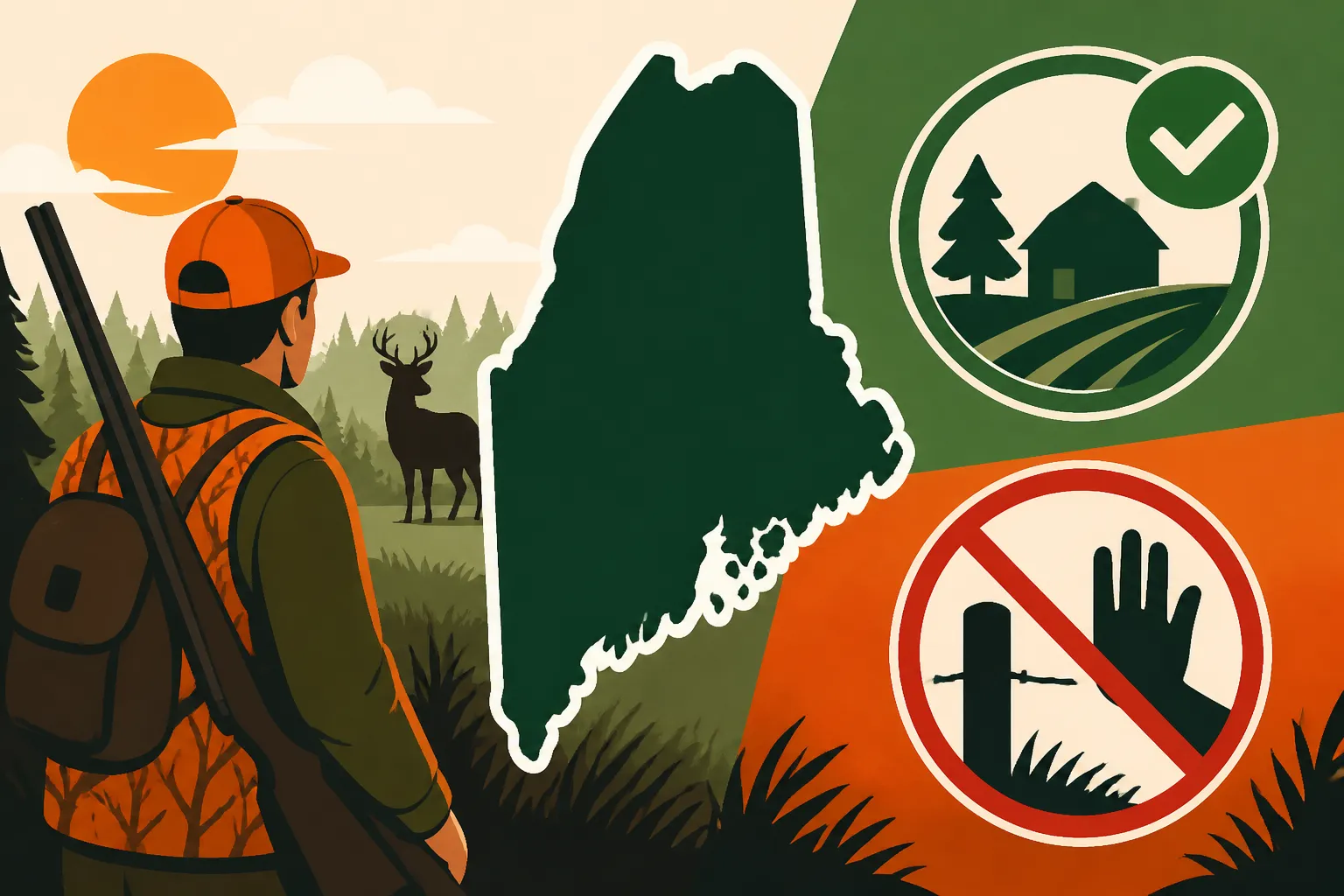
Unlike many other states where explicit permission is almost always required to step foot on private property, Maine operates under a system often referred to as "implied permission." What this means, in plain English, is that unless a landowner has taken specific steps to restrict access, it's generally assumed that you have permission to cross or use their undeveloped land for recreational purposes, including hunting. This is a huge benefit for hunters, as it opens up vast tracts of land that might otherwise be inaccessible. Think of all those sprawling woodlots, old logging cuts, and forgotten fields that would be locked down elsewhere. In Maine, if they're not posted, you often have a green light.
However, "implied" doesn't mean "unlimited" or "unconditional." It's a privilege, not a right, and it comes with an unspoken agreement of good stewardship and respect. You're expected to leave no trace, respect any gates or roads, and generally behave as if it were your own property – or better. This unique aspect of our state's laws is a cornerstone of our hunting culture, but it relies entirely on hunters upholding their end of the bargain. Understanding How Maine's Implied-Permission Tradition Works is really the first step in unlocking more hunting opportunities here.
When Permission Becomes Explicit: Posting and Its Implications
While implied permission is the default for unposted land, landowners absolutely have the right to revoke that implied permission and restrict access. This is done through "posting" their land. When a property is legally posted, the implied permission vanishes, and now you must have explicit permission from the landowner to enter for any recreational activity, including hunting. This is a critical distinction, and ignoring posted signs is a serious matter. It's not just a minor infraction; it's a direct disrespect to the landowner and the broader tradition of shared access.
A legally posted sign isn't just a haphazard piece of paper. Maine law is pretty clear about what constitutes proper posting, and we'll dive deeper into that shortly. But the takeaway here is simple: if you see a sign that clearly states "No Trespassing" or "Private Property," especially with contact information or specific prohibitions, that land is off-limits without a direct conversation with the owner. Many landowners are happy to grant permission if you ask, especially if you present yourself as a responsible hunter, but the onus is on you to make that contact. Always assume goodwill, but respect their boundaries implicitly.
The Role of Respect and Responsibility
The entire system of implied permission in Maine hinges on a bedrock of mutual respect and individual responsibility. For hunters, this means not just understanding the law but embodying a higher standard of conduct. It means packing out everything you pack in, being careful with ATVs or other vehicles, not damaging property, and certainly not littering. It also means being courteous if you encounter landowners or other users. A simple wave, a friendly "hello," and a demonstrated respect for their property can go a long way in ensuring these access traditions continue.
When a hunter abuses the privilege of implied permission, it often results in more land being posted, tightening access for everyone. This is the last thing any of us want. So, every time you step onto unposted private land in Maine, remember that you are an ambassador for all hunters. Your actions reflect not just on you, but on the entire hunting community. By upholding this tradition with integrity, we help preserve it for future generations of hunters who want to enjoy the vast opportunities Maine offers. The success of our hunting seasons often depends as much on our behavior as it does on our skill.
Navigating Posted Land and Permission Requirements
Encountering posted land can be a frustrating experience, especially if it seems like prime hunting territory. But understanding the rules around what makes land "posted" and how to properly seek permission is key to being a successful and ethical hunter in Maine.
What Constitutes Legally Posted Land in Maine
It's not enough for a landowner to just scribble "No Hunting" on a piece of cardboard and tack it to a tree. Maine law specifies what makes land legally posted. Generally, signs must be conspicuously placed, easily readable, and indicate that access is prohibited. They usually need to be spaced at certain intervals, often 100 feet apart, along the boundaries of the property. They should also include the landowner's name and address, or their agent's contact information. Simply seeing a lone, faded sign might not mean the entire property is legally posted, but it's always best to err on the side of caution.
The critical takeaway here is to pay attention. Don't assume. If you're unsure, or if the signs are ambiguous, try to identify the landowner and ask. It's far better to spend a few minutes verifying than to accidentally trespass and face potential legal consequences or, worse, permanently sour a relationship that could have led to future hunting access. Remember, the intent of the law is to give clear notice to the public. If that notice is clearly given, you are expected to abide by it. You can learn more about What Posted Land Means in Maine to ensure you're always in compliance.
How to Seek and Secure Permission Effectively
So, you've found a promising piece of posted land. What now? The answer is simple: ask. Asking for permission is a foundational skill for any hunter in Maine. Start by identifying the landowner. This might involve checking town tax maps, asking local residents, or using online mapping tools that provide ownership information. Once you have a name, try to make contact in person if possible. A face-to-face conversation allows you to make a good first impression and show genuine respect. If an in-person visit isn't feasible, a polite phone call or letter can work.
When you approach a landowner, be clear about your intentions. State who you are, what you want to hunt, and when you plan to be there. Offer references if you have them. Reassure them you're a responsible hunter: you'll pick up any litter, close gates, avoid driving on wet trails, and respect their property as if it were your own. Ask about any specific concerns they might have, such as livestock, other recreational users, or areas they want to remain undisturbed. Building rapport and trust is everything. Remember, you're asking for a favor, and a polite, respectful demeanor goes a long way. Many hunters find success when Asking a Maine Landowner for Permission.
The Nuances of Verbal Versus Written Permission
Maine law does not typically require written permission for hunting on private land, even posted land, though it's always a good idea to have it if you can get it. Verbal permission from the landowner is generally sufficient. However, the challenge with verbal permission is proving it if there's ever a dispute or misunderstanding. A simple misunderstanding of boundaries or dates can lead to an uncomfortable situation.
To avoid any potential issues, even if you only have verbal permission, it's wise to take some notes. Jot down the date, the landowner's name, the specific areas where you're allowed to hunt, and any conditions they might have imposed (e.g., "stay off the back pasture," "only hunt deer," "no ATVs"). Even better, ask if they'd be willing to send a quick email or text message confirming the details. This creates a simple, verifiable record. For larger properties or longer-term agreements, consider asking for a signed letter. While Do You Need Written Permission in Maine? is often answered with a "no," having something tangible can provide peace of mind for both parties.
| Type of Permission | Legal Standing (Maine) | Best Practice | Pros | Cons |
|---|---|---|---|---|
| Implied | Assumed if unposted | Respect boundaries, act responsibly | Broad access, less upfront effort | No explicit agreement, subject to landowner change of mind |
| Verbal | Legally binding if granted by owner | Take notes, get details | Quick, personal connection | Difficult to prove if dispute arises |
| Written | Legally binding | Get full details in writing, carry copy | Clear understanding, verifiable proof | More formal, might be harder to obtain |
Recognizing Different Types of Hunting Land
Maine is a mosaic of different land ownerships, each with its own set of rules and access considerations. Knowing the difference between them is vital for planning your hunt and staying on the right side of the law.
Private Land: The Majority of Maine's Landscape
The vast majority of land in Maine, particularly in the southern and central parts of the state, is privately owned. This includes everything from small residential lots to large family woodlots, agricultural fields, and sprawling timber company holdings. This is where Maine's implied permission tradition shines, opening up millions of acres that would be off-limits in other states. Many rural Mainers have a deep-seated appreciation for outdoor recreation and are often very accommodating to responsible hunters. It's why our hunting opportunities feel so expansive.
However, the nature of private land means that access can change, and the implied permission can be revoked at any time. It’s also where you’re most likely to encounter homes, outbuildings, or active farm operations, which require extra caution and respect. Always know your surroundings, understand local ordinances regarding discharge setbacks from dwellings, and prioritize safety above all else. Remember that even if you have implied permission, you still need to know where property lines are to avoid unintentional trespass, especially if deer or other game run onto an adjacent, potentially posted, parcel. This reality underscores why How Many Acres of Private Land Maine Opens to Hunters is such a critical concept for our hunting heritage.
Public Reserved Lands and Wildlife Management Areas (WMAs)
Beyond private holdings, Maine boasts a network of public lands that are explicitly managed for public access and recreation, including hunting. These include Public Reserved Lands, which are state-owned parcels managed by the Bureau of Parks and Lands, and Wildlife Management Areas (WMAs), managed by the Maine Department of Inland Fisheries and Wildlife (MDIFW). These lands are often prime hunting grounds, offering a consistent and reliable option for hunters seeking public access. WMAs, in particular, are actively managed to enhance habitat for various game species, making them productive places to hunt.
When hunting these public lands, you generally don't need to ask for permission, as public access is their primary purpose. However, there are still rules and regulations specific to each area. These might include restrictions on vehicle use, camping, specific hunting methods, or special permits for certain activities. It's always a good practice to check the MDIFW website or specific signage at the WMA or Public Reserved Land unit you plan to hunt to ensure you understand and comply with all local rules. Hunting a Maine Wildlife Management Areas can be an excellent way to guarantee access without needing to secure private landowner permission.
Large Industrial Timberlands and Gate Systems (e.g., North Maine Woods)
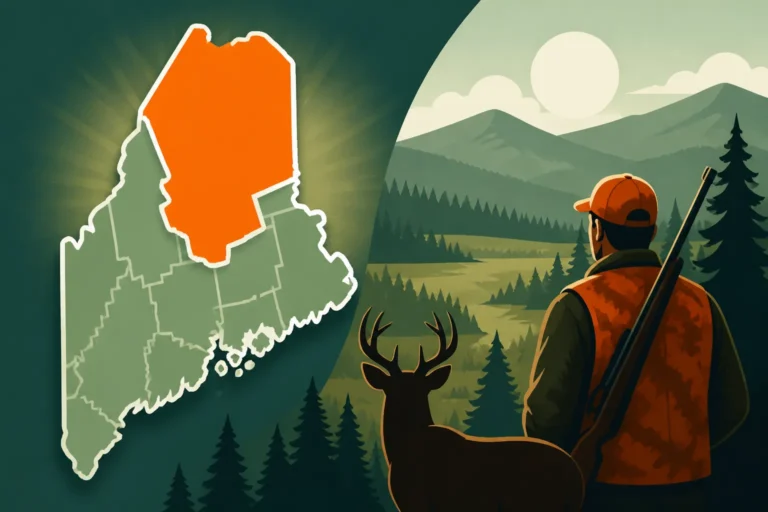
A unique and significant portion of Maine's hunting landscape is comprised of vast tracts of industrial timberland, particularly in the northern and western parts of the state. These lands are privately owned by timber companies but are traditionally open to public access, often through a system of controlled gates and user fees. The most prominent example is the North Maine Woods, an immense area where access is managed to help fund road maintenance, gatekeepers, and other infrastructure that supports both commercial logging and public recreation.
Hunting in these areas offers an incredible, truly wild experience, but it comes with specific procedures. You'll typically pay a per-person or per-vehicle day-use fee at a gate, or you might purchase a multi-day pass. These fees contribute directly to maintaining the infrastructure that allows you to access these remote regions. While you're on these timberlands, you're expected to respect active logging operations, follow speed limits, and adhere to any specific rules posted at the gates or along the roads. Always check the North Maine Woods website or contact the specific gate before you go for current fees and regulations. Navigating The North Maine Woods Gate System is an essential skill for anyone venturing into Maine's vast northern forest for a hunting adventure.
Legal Ramifications of Trespass and Preventing Issues
Ignoring property lines or posted signs isn't just a breach of etiquette; it's against the law. Understanding the potential penalties and proactively preventing trespass is crucial for a responsible hunter.
Penalties for Unlawful Entry and Hunting
In Maine, knowingly entering or remaining on private land without permission, especially if it's legally posted, constitutes criminal trespass. The penalties can vary depending on the specific circumstances and whether it's a first offense, but they can include fines, and in some cases, even jail time. Beyond the direct legal penalties, you could also face civil action from the landowner, be required to pay damages, and potentially lose your hunting license or privileges for a period.
The consequences extend beyond just monetary fines or jail. Being charged with trespass can severely damage your reputation as a hunter and make it incredibly difficult to gain future access to any private land. Word travels fast in rural communities, and a single instance of irresponsible behavior can close doors for years to come, not just for you, but potentially for other hunters as well. It's simply not worth the risk. Always verify your location and obtain permission when in doubt. Maine takes its landowner rights seriously, and so should every hunter.
Retrieving Game from Posted or Private Land
It's an unfortunate scenario: you make a good shot, but your deer or moose runs onto posted land or a neighboring private parcel where you don't have permission. What do you do? This is a common and often stressful situation. In Maine, simply because you've wounded an animal does not automatically give you the right to trespass to recover it. The law explicitly states that you must still obtain permission from the landowner before entering their property, even if it's just to retrieve your game.
My advice is always to make immediate contact with the landowner. Explain the situation calmly and respectfully. Offer to bring assistance, such as other hunters or even a game warden, to help with the recovery. Most landowners are reasonable and, understanding the hunter's ethical obligation to recover game, will grant permission, especially if you approach them respectfully. However, they are under no legal obligation to do so. If permission is denied, or if you can't locate the landowner, contact the Maine Warden Service for guidance. They may be able to assist in mediating access or advise you on your legal options. Never, ever enter posted land without permission, even for recovery. For more detailed information, consult Retrieving Game From Private Land in Maine.
Tools and Strategies for Identifying Property Lines
With today's technology, there's really no excuse for not knowing where you stand. Modern mapping applications have become indispensable tools for hunters to avoid trespass. Brands like onX Hunt and GoHunt offer robust platforms that display property boundaries, landowner names, and even different land classifications (public, private, WMA, etc.) right on your smartphone or GPS device. These apps use GPS to show your exact location relative to property lines, often in real-time.
Before you head into the woods, especially in unfamiliar territory, take the time to scout using these apps. Download offline maps if you anticipate areas with no cell service. Familiarize yourself with the property lines, access points, and any posted signs noted on the maps. Use the "onX Layers for Maine Land Status" feature to get a clear picture of who owns what. While these digital tools are incredibly helpful, always remember they are not foolproof. GPS can sometimes be off by a few feet, and maps might not always be perfectly up-to-date. Supplement digital scouting with visual cues on the ground, like old stone walls, fences, or survey markers, and when in doubt, default to respecting what appears to be private property. Using an App for North Maine Woods Land Status can be a game-changer for navigating those remote regions.
Building Positive Landowner Relationships
The future of hunting access in Maine rests heavily on the relationships hunters build with landowners. It's a continuous effort that goes far beyond just asking for permission once.
The Value of Communication and Trust
The single most valuable currency a hunter can have with a landowner is trust. This trust is built through clear, consistent communication and by consistently demonstrating responsible behavior. When you ask for permission, be upfront, honest, and follow through on any promises you make. If your plans change, let them know. If you notice something amiss on their property (like downed fences or suspicious activity), consider informing them. These small gestures show you care about their land, not just the hunting opportunity it provides.
Think of it as nurturing a long-term friendship. A landowner who trusts you is far more likely to grant permission year after year, and might even extend additional privileges like access to specific stands or driving trails. This mutual respect creates a positive cycle that benefits everyone. The Maine Department of Inland Fisheries and Wildlife even has a Maine Landowner Relations Program designed to foster these connections, recognizing their vital importance.
Offering Assistance and Giving Back
Actions often speak louder than words. After a successful season, or even if you didn't tag anything, consider offering to help the landowner with a task. This could be something simple like clearing brush, helping with a small repair, or even just leaving them a package of venison from your harvest. For farmers, maybe you could help mend a fence line, pick up trash, or assist during planting or harvest season. These acts of generosity are often unexpected and can solidify a positive relationship, showing that you value their generosity beyond just the hunting experience.
This isn't about paying for access, but about demonstrating gratitude and contributing to the well-being of the land you're enjoying. It makes you more than just "some hunter" – it makes you a valued neighbor or friend. Many landowners appreciate the extra set of hands, especially on large properties, and it reinforces that hunters are responsible, contributing members of the community, not just takers.
Long-Term Access: Leases and Agreements
For hunters looking for more consistent, long-term access to specific private properties, formal agreements or leases can be an option. While not as common for individual hunters seeking day-to-day access, some hunting clubs or groups might enter into land leases with landowners or timber companies. These agreements typically outline the terms of access, specific hunting activities allowed, dates of use, and any associated fees.
Leasing land provides certainty for both the hunter and the landowner. The hunter gets assured access, often to a larger tract of land, without the need to ask for permission each time. The landowner receives compensation and has a clear understanding of who is on their property and when. These arrangements require a higher level of commitment and formality but can be an excellent solution for securing prime hunting ground for many years. It's a business transaction, so professional communication and a clear written contract are paramount. While often associated with larger groups or commercial ventures, it's something to consider for serious hunters looking for dedicated access.
Disclaimer
This article is for general informational purposes only and does not constitute professional advice. Laws, prices and regulations vary by location and change over time. Consult a qualified professional for guidance on your specific situation.