Public Ground Near Fort Kent
Finding quality public hunting ground in the sprawling North Woods, especially around a northern outpost like Fort Kent, can feel like searching for a needle in a massive, timbered haystack. It’s not like hunting in more populated areas with clearly defined state parks or wildlife management areas you can easily pinpoint on a map. This guide is going to walk you through the unique landscape of hunting public land near Fort Kent, helping you understand where to go, what to look for, and how to maximize your chances of success in this wild, beautiful, and often challenging corner of Maine.
Setting the Scene: Fort Kent and its Unique Hunting Landscape
When you talk about hunting near Fort Kent, you're really talking about a specific kind of North Woods experience. This isn't your grandfather's woodlot behind the house; it's a vast expanse that demands respect, preparation, and a deep understanding of its character. The remoteness is both its greatest allure and its most significant challenge.
The Geographic Lay of the Land
Fort Kent sits deep in Aroostook County, right on the Canadian border, with the mighty St. John River flowing through its heart. This location means you're surrounded by an immense amount of forest, much of it actively managed by timber companies. You'll find a blend of river bottom ecosystems, dense conifer stands, mixed hardwoods, and, of course, the ever-present signs of logging operations: clear-cuts in various stages of regrowth, recent thinnings, and a web of logging roads that stretch for miles.
The terrain varies from relatively flat river valleys to rolling hills and ridges. Understanding these subtle shifts is crucial, as deer, moose, and bear will use different features at different times of the year, depending on food availability, cover, and snow depth. For instance, in late season, those dense conifer stands near river bottoms often become critical deer wintering areas, offering protection from the relentless northern Maine winds and deep snow.
Primary Game Species to Target
Fort Kent, being so far north, presents a slightly different suite of hunting opportunities and challenges compared to central or southern Maine. Here, the focus for many is on big game, but there are excellent small game options too.
- White-Tailed Deer: While deer are present, they are often less dense than in southern WMDs. However, the deer that thrive in these harsh northern conditions are often larger-bodied and notoriously elusive. Finding a true North Woods buck is a serious accomplishment. Expect to work for them, especially in the thick cover and vastness. The deer here are survivors, adapted to deep snow and significant predator pressure.
- Moose: This is prime moose country. If you're lucky enough to draw one of Maine's coveted moose permits, the areas around Fort Kent offer incredible opportunities. Moose thrive in the mixed forest and regenerating clear-cuts that dot the landscape. Their massive size makes them an unforgettable quarry, but navigating the dense cover to get close can be an adventure in itself. You'll want to brush up on Applying for a Maine Moose Permit long before you head north.
- Black Bear: Bear populations are robust throughout the North Woods. While many bear hunters utilize baiting or hounds with a guide, still-hunting or calling can be effective on public ground, especially in areas with natural food sources like beech ridge or berry patches. Bear tend to be more active in the timbered areas and around edges of clear-cuts where they can forage.
- Upland Birds and Small Game: Don't overlook the incredible opportunities for ruffed grouse and American woodcock. Logging roads, alder runs, and young clear-cuts provide fantastic habitat for these birds. Snowshoe hare are also plentiful in the dense softwood thickets, offering fast-paced hunting, especially after the snow flies, often with beagles. For a deep dive, check out Upland Bird and Small Game Hunting in Maine.
Navigating Public Land Opportunities Near Fort Kent
The term "public land" in Maine, especially in the northern reaches, isn't always as straightforward as it might be in other states. It often encompasses a patchwork of different land ownerships and access agreements.
Understanding the North Maine Woods System
A significant portion of the land accessible to hunters around Fort Kent falls under the jurisdiction of the North Maine Woods (NMW) management system. This is a vast, privately owned timberland area, predominantly industrial forest, where landowners have voluntarily agreed to manage public access through a series of checkpoints and gates. While not "public land" in the traditional sense, it operates with implied public access for recreational users, often for a fee.
You'll encounter various gates and checkpoints, where you'll typically pay a day-use or multi-day fee to enter. This system helps fund road maintenance and management in an otherwise remote region. It's vital to understand that you're hunting on private land with permission, not state-owned public land, so rules and restrictions can sometimes differ. Always respect posted signs and any specific rules given at the gate. If you're planning a trip, looking into Hunting a North Maine Woods Checkpoint Tract can give you a lot of useful insights. These fees, though sometimes unexpected for those new to Maine, are a small price to pay for access to millions of acres of prime hunting grounds.
Public Reserved Lands and Wildlife Management Areas
While much of the immediate area is NMW or private land, Maine does have a network of Public Reserved Lands, which are state-owned tracts managed for multiple uses, including recreation and timber harvesting. These are true public lands, generally without gate fees, but they can be incredibly remote and might not have the extensive logging road network of the NMW. You'll need to do your homework to locate specific Public Reserved Land parcels near Fort Kent. They might be smaller, but they often offer less pressure and a more "wild" experience.
Wildlife Management Areas (WMAs) are also state-owned, specifically managed for wildlife habitat and public recreation. While large WMAs are more common in central and southern Maine, it's always worth checking the Maine Department of Inland Fisheries & Wildlife (MDIFW) website for any smaller WMAs or designated public hunting areas closer to Fort Kent. These areas often have specific objectives, like waterfowl habitat or deer wintering yards, which can make them excellent spots to focus your efforts. For a broader understanding of this, check out Maine Public Reserved Land Explained.
Utilizing Technology for Access
In an area as vast and complex as northern Maine, technology is your best friend. Relying solely on paper maps, while essential as a backup, just won't cut it. Modern mapping applications are absolutely indispensable for navigating the mix of industrial timberlands, Public Reserved Lands, and private parcels.
This is where tools like onX Hunt really shine. With a mapping app, you can clearly see property boundaries, landowner names (where available), and different land classifications. This is crucial for avoiding trespass and understanding where you are at all times. I've personally spent countless hours scrolling through satellite imagery on GoHunt to pick out promising habitat changes, recent clear-cuts, and potential funnels even before I've left home. Using an App for North Maine Woods Land Status is a great resource for learning how to leverage these tools. These apps allow you to drop waypoints, measure distances, and track your movements, making your hunting trips safer and more efficient.
Practical Strategies for Hunting Fort Kent's Public Ground
Hunting near Fort Kent isn't typically about sitting in a stand over a food plot. It's about covering ground, reading sign, and understanding the nuances of the vast northern forest.
Scouting the Vast Timberlands
Pre-season scouting is paramount, and it often begins long before you set foot in the woods. Use those mapping apps (like onX Hunt) to identify key areas:
- Logging Roads: These are your primary access arteries. Look for roads that haven't been heavily used recently, or those leading into areas with varied timber age classes. North Maine Woods Logging Road Access is a must-read if you plan on driving these.
- Recent Clear-cuts and Thinnings: These areas provide excellent browse for deer and moose. Look for the edges where new growth meets mature timber. They also offer open ground for bear foraging.
- Natural Funnels and Bottlenecks: Look for features like narrow strips of timber between clear-cuts, saddles in ridges, or pinch points along river bends. Deer and moose will often use these to travel.
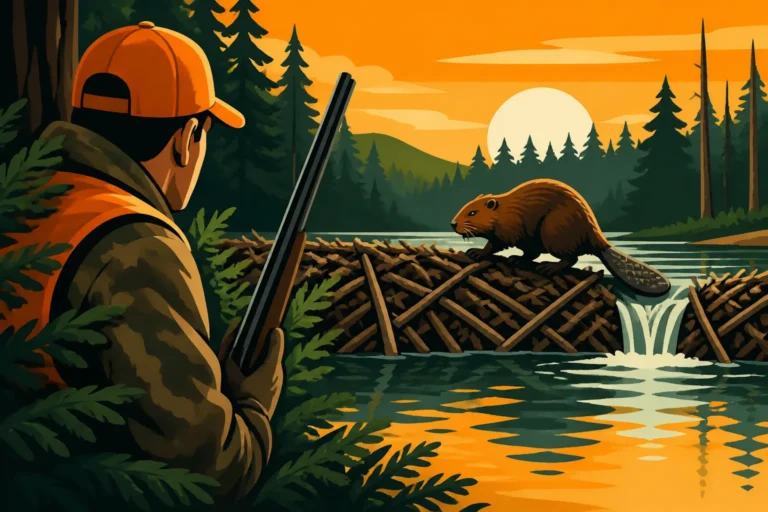
- Water Sources: Beaver flowages, small ponds, and creek bottoms can be magnets for wildlife, especially during dry spells or late in the season. Consider Hunting a Beaver Flowage Edge at Dusk for early season deer.
Once on the ground, focus on finding fresh sign: tracks, rubs, scrapes, and droppings. In the big timber, sign can be spread out, so you'll need to cover ground. Remember, Reading Aerial Photos for North Woods Deer can save you a lot of walking by highlighting promising areas from above.
Hunting Tactics for Northern Maine Deer
Deer hunting in northern Maine is a challenge, but the rewards are significant. You're often looking for a mature, wary animal that knows its home range intimately.
- Still-Hunting: This is a classic North Woods tactic. Move slowly, taking one or two steps, then stopping and glassing for several minutes. Use your binoculars more than your feet. Focus on picking apart cover, looking for horizontal lines in a vertical world – the back of a deer, the curve of an antler. Move into the wind, paying close attention to terrain that might offer a thermal advantage.
- Tracking in Snow: If you're fortunate enough to have fresh snow, tracking becomes an incredibly effective, albeit physically demanding, tactic. A fresh set of big deer tracks can lead you right to an animal. Patience and persistence are key, as is understanding how deer use the terrain. Learn more about Tracking a Deer in Fresh Maine Snow.
- Deer Wintering Yards: In late season, as snow deepens, deer will congregate in dense conifer stands, particularly cedar swamps, for protection. These traditional wintering yards are crucial for their survival. Finding the edges of these yards can be highly productive as deer move in and out to browse. For more on this, check out Reading a North Woods Deer Yard.
Strategies for Other Species
While deer are a primary focus, the opportunities for other species are abundant:
- Bear: If you're not using a guide, spot and stalk or calling can be effective. Focus on areas with berry crops or mast trees in early season. Late season, they might be near denser cover. Remember, it's not legal to bait bear on public land unless you hold the necessary permits and adhere to strict guidelines.
- Moose: For drawn permit holders, moose are generally found in areas with good browse – often regenerating clear-cuts or swampy areas. Calling can be very effective during the rut. Patience and stealth are key when closing the distance. Hunting a Drawn Moose Zone in the North Woods has more specifics.
- Grouse and Woodcock: These birds thrive in young forests, alder runs, and along logging roadsides. Walking logging roads or hunting with a pointing dog in these cover types can yield fantastic results. Grouse Hunting Maine Alder Runs offers specific tactics.
- Snowshoe Hare: Look for dense spruce or cedar thickets. Hare often form tight circles when jumped, especially if you have beagles. Snowshoe Hare Hunting Deep Snow Cover is a great read for this exciting small game hunt.
Key Considerations for a Successful Hunt
Hunting in the remote Fort Kent area requires more than just knowing where to go; it demands a responsible mindset and thorough preparation.
Rules, Regulations, and Safety
Always, always consult the current Maine hunting regulations. They change, and what was legal last year might not be this year. Pay close attention to season dates, bag limits, and legal methods of take for your specific Wildlife Management District (WMD). Fort Kent is in WMD 3, 4, 5, or 6, depending on how far out you are.
- Blaze Orange: Maine has strict blaze orange requirements during firearms season. Ensure you and your hunting partners are wearing the correct amount of How Much Blaze Orange Maine Requires. Safety is paramount, especially in areas where multiple hunters might be present.
- Hunter Education: If you're new to hunting in Maine, or a first-time hunter, you'll need to complete a hunter education course. This is not just a formality; it instills critical safety knowledge. Get the details on Maine Hunter Education Requirements.
- Tell Someone Your Plan: Due to the remoteness, always inform someone reliable about your hunting location, your intended route, and when you expect to return. Cell service is spotty to non-existent in many areas.
- Firearms Discharge Setback Distance: Be aware of the legal distances you must maintain from occupied buildings when discharging a firearm. This is especially important when hunting near rural residences or camps.
Essential Gear for Remote Hunts
Your gear choices can make or break a remote northern Maine hunt.
- Navigation: A reliable GPS unit (like a Garmin InReach or similar) with pre-loaded maps is essential, along with a compass and physical map as backup. Do not rely solely on your phone, as batteries die and service is unreliable.
- First-Aid: A comprehensive first-aid kit is a non-negotiable. You could be hours from the nearest medical help.
- Layers: Maine weather can change in an instant. Dress in layers, prioritizing wool and synthetic materials that wick moisture and insulate even when wet. Always pack extra warm layers, even if the forecast looks mild.
- Game Retrieval: If you're targeting big game, consider how you'll get it out. A game cart, sled (for snow), or even a robust pack frame can make the difference between an easy retrieval and an exhausting ordeal.
- Emergency Supplies: Pack a fire-starting kit, emergency shelter (tarp or space blanket), extra water and food, and a headlamp with spare batteries.
Respecting the Land and Other Users
Maine has a long-standing tradition of private landowners allowing public access for recreation, often referred to as "implied permission." While this is wonderful, it comes with the responsibility of respecting that privilege. Maine's Private Land Access Tradition is a cornerstone of hunting in the state.
- Leave No Trace: Pack out everything you pack in. Leave the woods cleaner than you found them.
- Road Etiquette: If you encounter logging trucks, pull over immediately and give them plenty of room. These are working roads.
- Landowner Relations: If you encounter private property that isn't clearly NMW, always seek permission if you need to access it. A simple "no" should always be respected.
Hunting public ground near Fort Kent is an incredible adventure, offering a taste of true wilderness hunting that's increasingly rare. It demands preparedness, knowledge, and a deep respect for the land and its creatures.
| Type of Public/Accessible Land | Characteristics | Access & Fees | Typical Game Targeted (Near Fort Kent) | Key Considerations |
|---|---|---|---|---|
| North Maine Woods (NMW) | Vast privately-owned industrial timberlands | Gated checkpoints; daily/multi-day fees (varies); extensive logging road network | Deer, Moose, Bear, Grouse, Hare | Actively managed for timber; respect NMW rules and logging operations; very remote; spotty cell service. |
| Public Reserved Lands | State-owned tracts managed for multiple public uses | Generally free, ungated; can be remote with varying road access | Deer, Moose, Bear, Grouse, Hare | True public land; check MDIFW for specific parcels near Fort Kent; often wilder, less developed. |
| State Wildlife Mgmt. Areas | State-owned, actively managed for wildlife habitat | Generally free, ungated; specific parking areas possible | Deer, Waterfowl, Upland Birds | Fewer large tracts directly in the Fort Kent area; check MDIFW for smaller, targeted WMAs. Focus on habitat plans. |
Disclaimer
This article is for general informational purposes only and does not constitute professional advice. Laws, prices and regulations vary by location and change over time. Consult a qualified professional for guidance on your specific situation.