Maine Public Reserved Land Explained
Many hunters in Maine find themselves scratching their heads when it comes to understanding the patchwork quilt of land ownership across our beautiful state. It's not always clear where you can legally step foot with a firearm or bow, especially when you venture beyond the familiar private woodlots. This guide is here to untangle the nuances of Maine Public Reserved Land, explaining what it is, where to find it, and how you can ethically and successfully hunt these unique public parcels, clearing up a common point of confusion for residents and non-residents alike.
Understanding Maine's Public Reserved Land System
Maine's Public Reserved Lands are a unique and often misunderstood component of our state's public land base, offering vast opportunities for outdoor recreation, including hunting, fishing, and trapping. Unlike some other public land designations, these lands were historically set aside for the support of public education in the state. Today, they are managed by the Maine Department of Agriculture, Conservation and Forestry (DACF) specifically for multiple uses, balancing timber production, recreation, and wildlife habitat. It's a system that truly embodies the spirit of public access, but knowing the specifics is crucial.
Historical Context and Purpose
The concept of Public Reserved Lands dates back to Maine's separation from Massachusetts in 1820. When townships were formed, a portion, typically 1,000 acres, was reserved for the benefit of future public services, often focusing on education and ministry. Over time, these reserved lands, or "public lots" as they were sometimes called, evolved. While some were sold off, many remained under public ownership, eventually falling under the management of the Bureau of Parks and Lands (part of the DACF). The primary purpose today is to manage these lands for the sustainable production of timber, provide outdoor recreation opportunities, and protect significant natural and cultural resources, all while ensuring public access. This multi-use mandate means you'll find everything from working forests to remote wilderness areas within the system, each offering distinct hunting experiences.
The Bureau’s management philosophy for these lands is rooted in long-term stewardship. They aim to protect these resources for future generations while allowing current residents and visitors to enjoy them responsibly. This means that timber harvests might occur, trails might be maintained, and specific areas might be managed for particular wildlife species or habitats. Understanding this underlying philosophy helps hunters appreciate the diverse landscape they'll encounter and why certain management activities are in place. It's not just "wild land;" it's managed wild land with a specific public benefit in mind.
Distinguishing Public Reserved Lands from Other Public Access Areas
It's easy to lump all public lands together, but Maine has several distinct categories, each with its own management goals and access rules. Public Reserved Lands stand apart from Wildlife Management Areas (WMAs), State Parks, and the vast tracts of the North Maine Woods, which is primarily privately owned industrial forestland with public access often requiring fees.
Here's a quick comparison to help clarify the differences:
| Feature | Public Reserved Land | Wildlife Management Areas (WMAs) | State Parks | North Maine Woods (NMW) |
|---|---|---|---|---|
| Primary Manager | Maine DACF (Bureau of Parks and Lands) | Maine Inland Fisheries & Wildlife (IFW) | Maine DACF (Bureau of Parks and Lands) | Private Timber Companies (managed collectively) |
| Primary Purpose | Multi-use (timber, recreation, conservation, education) | Wildlife habitat conservation, public hunting/fishing | Recreation, conservation, public enjoyment | Timber production, with recreational access (often paid) |
| Access Fees | Generally free for day use; some camping fees apply | Generally free | Entrance fees often apply | Gate fees for entry/camping |
| Hunting Focus | Permitted widely, subject to statewide regs | Specifically managed for optimal hunting habitat | Highly restricted/prohibited, special quota hunts possible | Permitted widely, subject to statewide regs & NMW rules |
| Development Level | Varies from undeveloped to developed recreation sites | Often minimal facilities, focus on natural state | Developed facilities (picnic areas, restrooms, campgrounds) | Extensive network of logging roads, some developed camps |
While Maine Wildlife Management Areas are primarily managed by the Department of Inland Fisheries and Wildlife (MDIFW) with a specific focus on wildlife habitat and public hunting, Public Reserved Lands have a broader mandate. This can sometimes mean less specific habitat management for game species compared to a WMA, but it often translates to larger, less fragmented tracts of land. State Parks, on the other hand, are typically designed for high-density recreation and often prohibit hunting, with rare exceptions for controlled, quota hunts. Maine State Park Hunting Rules are quite specific. The North Maine Woods is a unique entity where access to private industrial timberlands is often granted through a system of gates and fees, as detailed in The North Maine Woods Gate System. Public Reserved Lands, by contrast, are truly public in ownership and generally free to access for hunting, though some do have designated campgrounds with associated fees. This difference is important for planning, as it dictates the level of infrastructure, potential crowds, and specific rules you might encounter.
Locating and Identifying Public Reserved Lands
Finding Public Reserved Lands might seem like a daunting task, as they aren't always marked with grand entrance signs like a National Park. However, with the right tools and a little know-how, you can effectively pinpoint these valuable hunting grounds across the state. They range from small, isolated blocks to expansive, multi-thousand-acre units that provide truly remote hunting opportunities.
Mapping Tools and Resources
In today's digital age, relying solely on paper maps is a thing of the past for many hunters, though a physical map is always a good backup. Modern mapping applications are invaluable for identifying and navigating Maine's Public Reserved Lands. Tools like onX Hunt are game-changers, with their layered maps that clearly delineate public versus private land. You can literally see the boundaries of Public Reserved Lands, often highlighted in a distinct color, right on your phone or tablet. This allows you to plan your approach, understand surrounding private parcels, and confirm you're on public ground before you even leave your truck. Scouting With the Maine Hunting App is an essential skill to develop for effective hunting.
Beyond commercial apps, the Maine DACF Bureau of Parks and Lands itself offers online mapping resources that can be incredibly helpful. These maps often detail specific management units, access points, and recreational trails. Cross-referencing these official resources with a robust app like onX Hunt provides the most comprehensive picture. Before heading out, downloading offline maps on your device is crucial, as cell service can be spotty to non-existent in many of these wilder areas. Checking Reading Aerial Photos for North Woods Deer can also give you a leg up, helping you identify potential pinch points, bedding areas, and food sources before you set foot on the ground.
Geographic Distribution and Notable Parcels
Maine's Public Reserved Lands are scattered across the state, but you'll find larger, more contiguous blocks in the northern and western regions, areas generally characterized by extensive forest cover and lower population density. However, smaller parcels exist even in more populated southern and coastal regions, sometimes offering surprisingly good hunting opportunities close to home.
Some of the most well-known and significant Public Reserved Land units include:
- Bigelow Preserve: Located in Western Maine, this massive preserve encompasses the entire Bigelow Mountain Range. It's rugged, vast, and offers challenging hunting for deer, moose (if you draw a tag), and bear.
- Donnell Pond Public Reserved Land: Found in Downeast Maine, this unit is known for its pristine lakes and remote feel, providing opportunities for deer, bear, and grouse. Hunting Downeast Coastal Cover can be a unique experience, and Donnell Pond provides some of that flavor further inland.
- Nahmakanta Public Reserved Land: Deep in the North Woods, this area offers a truly remote experience. It's excellent for moose, bear, and provides habitat for deer in certain areas, especially during milder winters. This is the kind of place where Hunting a North Maine Woods Checkpoint Tract mentality applies, even though it's technically separate from the NMW system.
- Machias River Corridor: Running through eastern Maine, this corridor provides river-based access and hunting opportunities along its extensive banks.
- Deboullie Public Reserved Land: Located in Aroostook County, this unit offers wilderness hunting among numerous small ponds and rugged terrain. It's a prime example of Hunting Aroostook County Farmland adjacent to deeper woods.
These larger units often abut private timberlands, making careful navigation with a GPS or mapping app like onX Hunt essential to stay on public ground. Even the smaller, less-known parcels can hold pockets of undisturbed wildlife, especially if they are surrounded by heavily pressured private land. Always be mindful of the surrounding landowners and respect their property. This also means being diligent about Finding Maine Property Lines before you go afield.
Hunting Regulations and Permitted Activities on Public Reserved Lands
Hunting on Public Reserved Lands in Maine is a privilege that comes with the responsibility of knowing and adhering to all applicable regulations. While these lands are generally open to hunting, specific rules can sometimes vary slightly from the general statewide laws, particularly concerning access, camping, and certain activities. It’s imperative to always check the most current MDIFW rulebook and any specific land management rules for the particular Public Reserved Land unit you plan to visit.
General Hunting Regulations and Licensing
For the most part, hunting on Public Reserved Lands falls under the same general statewide hunting regulations administered by the Maine Department of Inland Fisheries and Wildlife (MDIFW). This means you need the appropriate Maine Hunting Licenses and What They Cost for the species you intend to pursue, whether it's deer, bear, moose, turkey, or small game. You also need to abide by specific season dates, bag limits, and legal methods of take. For instance, if you're chasing whitetails, you'll need to know the dates for Maine's Four-Week Firearms Deer Season or Bowhunting Maine's Long Archery Season, and possess the correct deer tag.
Hunter education requirements also apply universally. If you were born after a certain date, you must have completed a certified Maine Hunter Education Requirements course. Blaze orange requirements are also in full effect during relevant seasons, particularly during firearms deer season. Remember, these lands are often shared with other users – hikers, bird watchers, campers – so exercising extreme caution and visibility is not just a legal requirement but an ethical imperative. Being a responsible hunter means not only following the letter of the law but also showing respect for all users of the outdoors.
Specific Rules and Limitations on Public Reserved Lands
While general hunting rules apply, there are sometimes specific nuances on Public Reserved Lands. For example, vehicle access might be restricted on certain old logging roads or trails, requiring you to hike in. Camping is generally allowed, but often only in designated sites or under specific "leave no trace" principles, and sometimes with fees. You’ll need to check the individual unit's management plan or specific rules for details on things like:
- Motorized Vehicle Use: Many internal roads may be gated or closed seasonally to vehicles. Always assume foot or non-motorized access unless explicitly stated otherwise. ATV Rules on North Maine Woods Roads might be similar to some Public Reserved Lands, but always verify.
- Camping: Primitive camping is often permitted, but you might need to be a certain distance from roads, water bodies, or developed areas. Always pack out everything you pack in.
- Fires: Open fires might be restricted or require a permit, especially during dry periods.
- Tree Stands and Blinds: The use of permanent tree stands is generally prohibited, and even portable stands may need to be removed at the end of each hunting day or season. Treestand Rules on Maine Public Land typically emphasize minimal impact. Similarly, building permanent ground blinds is a no-go; Ground Blind Rules on Maine WMAs would apply here as well.
- Trapping: Trapping is usually permitted with the appropriate licenses and in accordance with statewide regulations, but check for any specific setbacks or restricted zones. Trapping Maine Furbearers offers detailed information.
It's crucial to consult the DACF Bureau of Parks and Lands website or contact the specific Public Reserved Land unit's manager for any localized regulations before your hunt. Ignorance of the rules is never an excuse, and violating them can lead to fines, loss of privileges, and damage to the reputation of all hunters.
Planning Your Hunt: Strategies for Public Reserved Land
Hunting Public Reserved Lands presents unique challenges and opportunities compared to private tracts. The sheer size of some parcels, varied terrain, and potential for shared use mean that successful hunts often come down to careful planning, thorough scouting, and a willingness to adapt. This isn't your grandfather's back forty; these are wild, expansive areas that demand respect and preparation.
Scouting and Identifying Game Hotspots
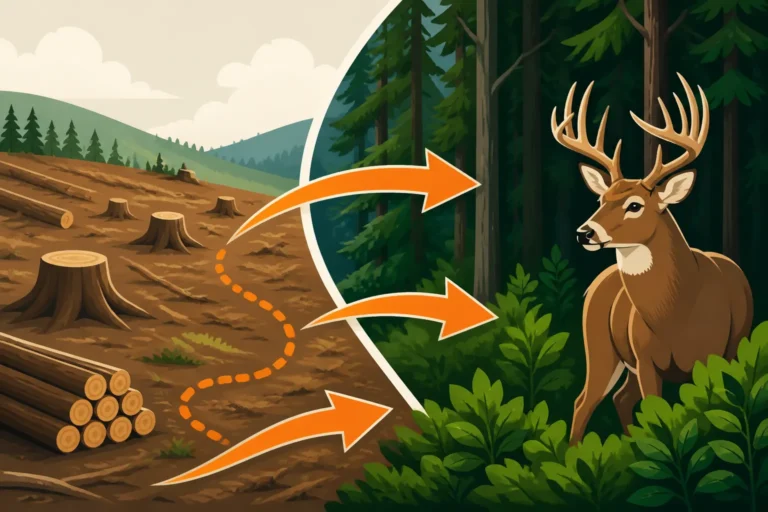
Effective scouting is paramount on Public Reserved Lands. Because these areas are often large and have diverse habitats, you can't just show up on opening day and expect to stumble into game. Start with topographical maps and aerial imagery, perhaps using a tool like onX Hunt, to identify potential pinch points, saddles, water sources, and changes in vegetation. Look for areas where different habitat types meet, such as the edge of a mature hardwood stand next to a regenerating clear-cut, as these are natural travel corridors for deer. Reading Aerial Photos for North Woods Deer will highlight the importance of understanding terrain and cover from above.
Once you have a few promising locations marked, boots on the ground scouting is essential. Look for fresh tracks, rub lines, scrapes, and bedding areas. Pay attention to food sources; are there oak trees dropping acorns, or abandoned apple orchards? Hunting After a Poor Acorn Year will drastically change where deer might be found. In winter, look for Maine Deer Wintering Yards Explained, often in dense softwood cover, which can indicate where deer will concentrate when the snow flies. Don't be afraid to put in the miles; the farther you get from easily accessible roads, the less pressure you'll likely encounter, and the better your chances of finding undisturbed game.
Access Considerations and Managing Hunting Pressure
Access to Public Reserved Lands can range from well-maintained gravel roads to faint old logging trails or no designated access at all, requiring bushwhacking. Always confirm access points and any parking restrictions before you go. Some areas might have seasonal gates that close after certain dates or during muddy conditions. Having a reliable GPS, even if it's just your smartphone with onX Hunt maps downloaded for offline use, is critical for navigation and avoiding trespass onto adjacent private land. Finding Maine Property Lines is not just good practice, it's a legal necessity.
Hunting pressure can be a significant factor, especially in more accessible Public Reserved Land units near population centers. To counter this, consider hunting during the week rather than on weekends, or target areas that require a longer hike. Many hunters won't venture more than a mile or two from their vehicle, so putting in the extra effort can put you in front of game that hasn't been disturbed. Think about Hunting Pressure Near a Maine Town and how deer adapt by becoming more nocturnal or seeking out thicker cover in these areas. You might also focus on less popular game species, or hunt during less conventional times of the day. For upland birds, consider Grouse Hunting Maine Alder Runs or Woodcock Hunting Maine Covert Country in less obvious locations.
Conservation and Management of Public Reserved Lands
The management of Maine's Public Reserved Lands is a balancing act, aiming to provide sustainable timber resources, diverse recreational opportunities, and robust wildlife habitat. As hunters, we are direct beneficiaries of this management, and understanding its intricacies helps us appreciate these lands and contribute to their ongoing conservation. It’s a dynamic system, constantly evolving to meet current needs while preserving values for the future.
Habitat Management and Wildlife Benefits
The Bureau of Parks and Lands employs a range of habitat management techniques on Public Reserved Lands, which directly benefit various game species. Timber harvesting, for example, isn't just about wood products; it creates early successional habitat that is vital for deer, moose, grouse, and snowshoe hare. Clear-cuts, regenerating forest stands, and thinned areas provide browse, cover, and nesting sites that mature, unbroken forest often lacks. This mosaic of habitat types is essential for supporting healthy wildlife populations.
Beyond timber, the Bureau also manages for water quality, maintains wetlands, and protects critical deer wintering areas. This proactive approach ensures that these lands remain productive for wildlife year after year. For instance, creating and maintaining openings or small food plots, although less common than on WMAs, can provide crucial forage. Maine Deer Wintering Yards Explained on Public Reserved Lands are critical resources, and their protection is a key aspect of cold-weather deer survival, especially in the northern reaches of the state where snow depths can be extreme. Understanding these management strategies helps hunters predict where game might be found throughout the season.
The Role of Responsible Recreation and Ethics
The continued availability and health of Public Reserved Lands depend heavily on responsible use by all visitors, especially hunters. Ethical behavior goes beyond just following the law; it means minimizing your impact, respecting the environment, and being a good ambassador for hunting. This includes practicing Leave No Trace principles, such as packing out all trash, avoiding damage to natural features, and being mindful of noise and disturbance to other users.
When using these multi-use lands, consider the impact of your actions on hikers, mountain bikers, and other outdoor enthusiasts. Park courteously, keep dogs under control, and avoid blocking trails or access points. Reporting illegal activity, whether it's poaching or dumping, is also a critical part of being a responsible steward of these lands. The perception of hunting is often shaped by the behavior of individual hunters, and by demonstrating respect and ethics, we ensure that these valuable public hunting opportunities remain available for generations to come. Your actions directly contribute to Maine Landowner Relations Program, even on public land, by setting a positive example of responsible outdoor recreation.
Maximizing Your Hunt on Public Reserved Lands
Hunting on Maine's Public Reserved Lands requires a bit more strategic thinking than hitting a familiar private parcel. It's about adapting to vast, often less-managed landscapes, dealing with potential pressure, and utilizing every tool in your arsenal to find and harvest game. Success here isn't just about luck; it's about preparation, persistence, and intelligent application of hunting principles.
Adapting to Diverse Terrain and Conditions
Public Reserved Lands span the spectrum of Maine's diverse topography, from the rugged mountains of the Bigelow Preserve to the rolling hills and wetlands of Downeast. This means you need to be prepared for varied terrain, from steep climbs and rocky outcrops to dense cedar swamps and open hardwood ridges. Physical fitness is a major asset when hunting these areas, as you'll often be covering significant ground on foot, far from your vehicle. Hunting Western Maine Mountain Slopes will call for different tactics than still-hunting a river bottom.
Weather conditions in Maine can change rapidly, and being prepared for anything from warm, rainy days to sudden cold snaps and heavy snow is essential. Layered clothing, waterproof gear, and reliable navigation equipment are non-negotiable. Knowing how Wind and Thermals in Maine Hill Country affect deer movement, for instance, can be critical for stand placement or planning a still-hunt route. Furthermore, understanding where game might seek shelter during inclement weather—like thick conifer stands during a snowstorm—can give you an edge. The more you understand the interplay between weather, terrain, and game behavior, the better equipped you'll be to adapt and find success.
Advanced Strategies for Less-Pressured Game
Because Public Reserved Lands can receive varying degrees of hunting pressure, employing advanced strategies to target less-pressured game is often key. This means thinking outside the box and being willing to go where others won't.
- Go Deep: The easiest strategy is often the most effective: walk further. Most hunters stick close to roads or well-worn trails. Pushing deeper into a Public Reserved Land unit can put you into areas where game sees less human disturbance.
- Hunt Mid-Week: If your schedule allows, hunting on a Tuesday or Wednesday can make a significant difference, as pressure often drops dramatically compared to weekends.
- Focus on Overlooked Habitat: Don't just look for obvious feeding areas. Consider thick, gnarly cover that's hard to penetrate—swamps, dense young growth, or steep ravines. These are often safe havens for mature bucks. Where Maine Bucks Bed in Big Timber often involves finding the thickest, nastiest spots, often on ridges or near escape routes.
- Utilize Natural Funnels: Look for geographical features that naturally funnel deer movement, such as narrow strips of timber between open areas, creek bottoms, or saddles on ridges. Hunting a Funnel Between Two Woodlots is a classic tactic that works well on these larger tracts.
- Still-Hunting and Tracking: Rather than sitting in a stand, consider actively still-hunting or, during fresh snow, Tracking a Deer in Fresh Maine Snow. This mobile approach allows you to cover more ground and react to fresh sign.
- Decoys and Calls: While Public Reserved Lands can be big, strategic use of calls like Rattling Volume in Thick Spruce Cover or Grunt Calls in Mature Maine Hardwoods can be effective, especially during the rut. Just be mindful of other hunters.
Remember, every trip to Public Reserved Land is an opportunity to learn and hone your skills. Take notes, map out where you see sign, and analyze what worked and what didn't. Over time, you'll develop an intimate understanding of these unique public areas, greatly increasing your chances of success.
Disclaimer
This article is for general informational purposes only and does not constitute professional advice. Laws, prices and regulations vary by location and change over time. Consult a qualified professional for guidance on your specific situation.