Finding Access Near Presque Isle
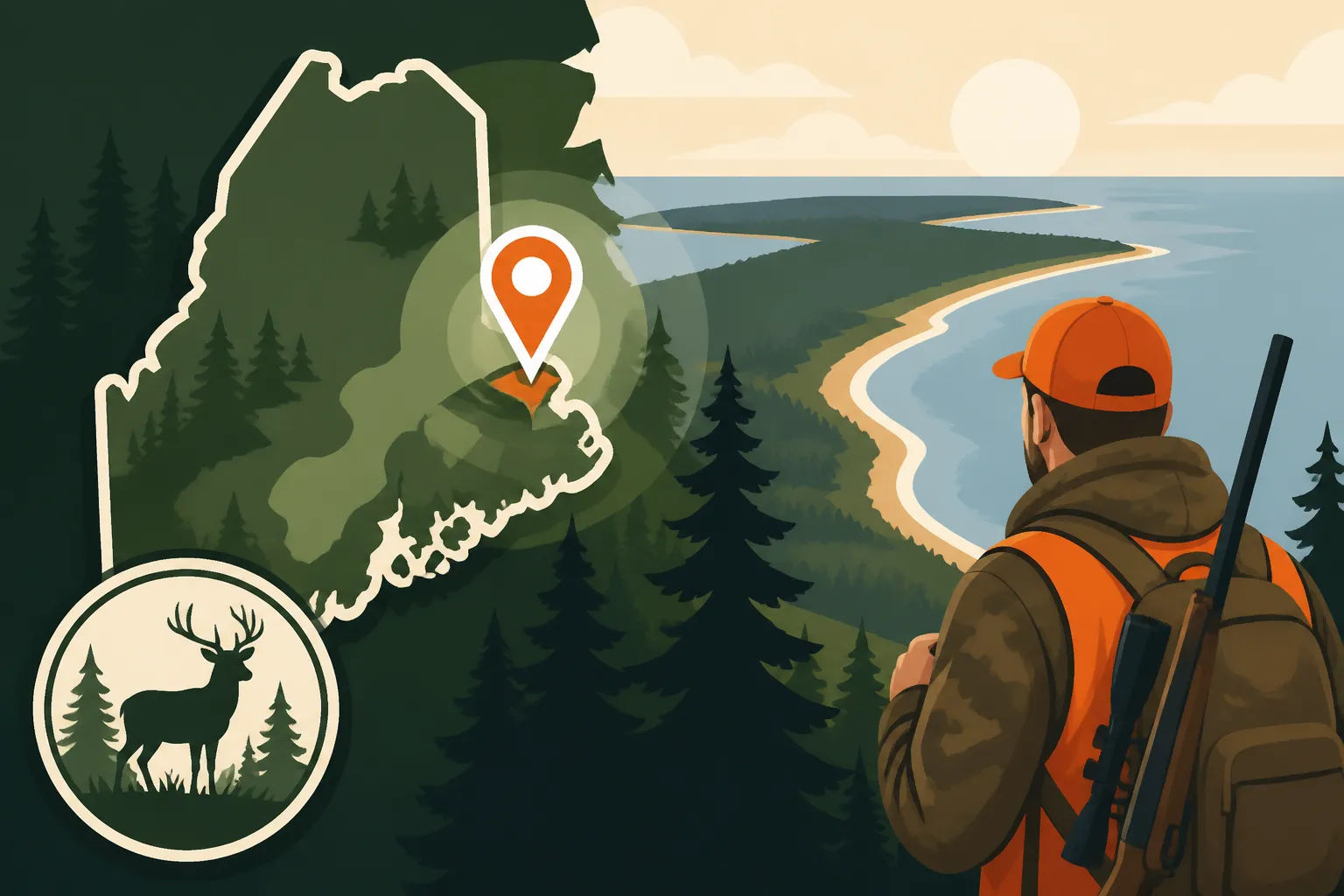
Hunting land near Presque Isle can sometimes feel like a puzzle, especially if you're new to the area or trying to navigate the mix of private farm fields and expansive timber company holdings. It's a common frustration to see abundant game sign but not know where you can legally and ethically pursue it. This guide is designed to cut through that confusion, helping you understand the lay of the land, leverage technology, and build the relationships needed to unlock fantastic hunting opportunities in Aroostook County.
Understanding the Land Landscape Near Presque Isle
When you look at a map of Aroostook County around Presque Isle, you see a vast expanse of green interspersed with agricultural fields. This unique blend creates incredible habitat, but it also means navigating a patchwork of land ownership that can be tricky for hunters. It's not like the big blocks of federal land out West; here, it's about understanding the nuances.
The Blend of Agriculture and Forest
Presque Isle sits right in the heart of Aroostook's agricultural belt, famous for its potatoes, but also growing hay, corn, and other rotation crops. These fields, often bordered by mixed hardwood and softwood forests, create prime edge habitat that deer, turkeys, and small game absolutely thrive on. The frustrations arise when these productive edges are almost entirely on private land, which can feel off-limits. However, these agricultural areas are often adjacent to larger tracts of industrial timberland, creating a dynamic mosaic. Knowing which parcels are farmed, which are managed for timber, and how they connect can be your biggest scouting advantage.
Many of these farm properties are family-owned for generations, and while they might seem impenetrable, a respectful approach can often open doors. Deer, in particular, will use these fields for feeding and the adjoining woodlots for bedding and travel, making these transitional areas hotspots. Understanding this pattern is key to successful hunting in this region, whether you're chasing a big buck or looking for a flock of turkeys.
Industrial Timberlands: Your Best Bet for Public-Like Access
Beyond the agricultural fields, much of the surrounding landscape is owned by large timber companies. These companies generally allow public access for recreation, including hunting, often without requiring explicit permission, though sometimes a day-use or seasonal pass might be necessary for specific gate systems. This is where a lot of the traditional "North Woods" hunting experiences can be found, even within a reasonable drive of Presque Isle.
These industrial forests are actively managed, which means you'll find a variety of timber stands—recently harvested clear-cuts, young regenerating growth, and mature stands. This diversity creates fantastic habitat for grouse, snowshoe hare, and deer, offering different hunting challenges and opportunities. Logging roads crisscross these vast areas, providing access points, but also serving as natural travel corridors for game. While they often feel like public land, remember they are private holdings, and respecting the land, gates, and any posted signs is paramount to ensuring continued access for all hunters. This is also where an app like onX Hunt becomes invaluable for quickly determining ownership and access rules.
Navigating Maine's Private Land Access Tradition
Maine has a unique tradition of implied permission on private land, which means unless a property is explicitly posted "no trespassing" or "private," it's generally understood that recreation, including hunting, is allowed. This can be a huge blessing but also a source of anxiety for hunters unsure of where they truly stand.
The Implied Permission Standard
It’s true that in Maine, the default is that land is open for recreational use unless posted otherwise. This is a wonderfully generous tradition that fosters a culture of outdoor access. However, this implied permission isn't a blank check. It comes with an unspoken agreement of respect: respect for the landowner, respect for their property, and respect for their privacy. This means leaving gates as you find them, not blocking roads, packing out all your trash, and generally acting as a good steward of the land.
While the law might not require explicit permission on unposted land, exercising good judgment and common courtesy goes a long way. If you're on land that looks actively managed or lived upon, such as near a farmhouse or working fields, always err on the side of caution and seek permission. Showing that you care about their land often earns you invaluable trust and potentially even exclusive access to prime spots. This is especially true in a tight-knit community like Aroostook County, where reputation matters.
Decoding Posted Land and Requesting Permission
When land is posted with "No Trespassing" or "Private Property" signs, the implied permission rule does not apply. You absolutely need to obtain explicit permission from the landowner before stepping foot on that property, even if you’re just retrieving a downed animal. Ignoring posted signs is a quick way to lose access for everyone and face legal repercussions.
But don't let posted signs deter you entirely! Sometimes, "posted" just means the landowner wants to know who is on their property, or they've had issues with disrespectful users in the past. A polite knock on the door, a friendly conversation, and an offer to share some of your harvest can often turn a "no" into a "yes." When you're Knocking on Doors in Aroostook Farm Country, be prepared to introduce yourself, explain your intentions clearly, and leave your contact information. Landowners appreciate being asked, and you'd be surprised how many are willing to grant access to a courteous, responsible hunter. Remember, it's about building a relationship, not just getting a pass for a day.
| Land Type | Access Rule (General) | Key Considerations | Best Approach for Hunters |
|---|---|---|---|
| Unposted Private Land | Implied permission for recreation | Respectful use is crucial; close gates, no littering. | Treat as if owned by a friend; ask if in doubt. |
| Posted Private Land | Explicit permission required | Ignoring signs is illegal and detrimental to access. | Always ask landowner directly and respectfully. |
| Industrial Timberland | Generally open access | May require permits; check for active logging. | Consult company websites or use mapping apps. |
| Maine WMAs | Public access for hunting | Specific rules may apply; designated hunting areas. | Review WMA specific regulations before hunting. |
| Public Reserved Land | Public access for hunting | Managed by state; may have varied rules. | Consult Maine Public Reserved Land Explained guides. |
Tapping into Public Lands and Wildlife Management Areas
While much of the Presque Isle area is private or industrial timberland, there are still some key public land opportunities, notably Maine's Wildlife Management Areas (WMAs) and other state-managed public reserved lands. These areas are specifically managed for wildlife and public recreation.
Identifying Maine Wildlife Management Areas
Maine has a network of Wildlife Management Areas, or WMAs, scattered across the state. While many of the larger ones might not be immediately adjacent to Presque Isle, there are certainly areas within a reasonable drive that offer diverse hunting experiences. These WMAs are managed by the Maine Department of Inland Fisheries and Wildlife (MDIFW) with the express purpose of providing habitat for game animals and access for hunters.
These areas often feature a mix of forest types, wetlands, and open fields, providing excellent habitat for deer, moose, bear, turkey, and various small game and birds. They are regularly patrolled by game wardens, and rules regarding hunting methods, vehicle access, and stand placement are clearly defined. It's always a good idea to check the MDIFW website or specific WMA kiosks for regulations before you head out. These lands are truly a gem for the public, and while they can see more pressure, they offer guaranteed access and often productive hunting. You can find general information on Aroostook County Public Hunting Access that might point you towards some of these opportunities.
Leveraging Public Reserved Lands and Other State Tracts
Beyond the dedicated WMAs, Maine also manages Public Reserved Lands (PRLs). These are tracts of land set aside for public recreation and often managed for timber production as well. While not as focused solely on wildlife as WMAs, they provide significant public access for hunting. These lands can be found throughout Aroostook County and offer opportunities for those willing to do a bit of scouting.
Using mapping tools and checking the MDIFW or Maine Bureau of Parks and Lands websites can help you pinpoint these parcels. Often, they are accessible via existing logging roads or smaller town roads. Look for signs indicating "Public Reserved Land" or similar designations. These areas can be fantastic for still-hunting deer, calling coyotes, or pursuing upland birds like grouse and woodcock. They typically see less pressure than some of the more well-known WMAs, making them ideal for hunters seeking a bit more solitude. Being familiar with Maine Public Reserved Land Explained can really expand your hunting horizons.
Utilizing Technology for Land Reconnaissance
In today's hunting world, technology is an indispensable tool for finding access, understanding terrain, and identifying potential game hot spots, especially around a complex land ownership area like Presque Isle.
The Power of Digital Mapping Apps
Gone are the days when a paper map and compass were your only tools. While still valuable, digital mapping applications have revolutionized how hunters scout and navigate. For anyone hunting near Presque Isle, a robust mapping app is almost a necessity. These apps overlay property lines, landowner names, public lands, timber company lands, and even different habitat types onto satellite imagery or topographic maps. This means you can, with a few taps, see exactly where you are, what land you’re on, and who owns the adjacent parcels.
I personally rely heavily on onX Hunt. It's a game-changer for land navigation. You can identify private property boundaries instantly, see if that juicy looking woodlot is part of a WMA or a timber company tract, and even get contact information for some landowners directly through the app. This takes a lot of the guesswork and anxiety out of the equation. Before you even set foot in the woods, you can scout potential access points, identify travel corridors, and mark areas of interest, making your time in the field much more efficient and productive. Using these apps for Reading Aerial Photos for North Woods Deer can reveal hidden funnels and bedding areas.
Online Resources and Scouting Tools
Beyond mapping apps, there are numerous online resources that can provide valuable intelligence. The MDIFW website, for instance, offers maps of WMAs, general hunting regulations, and harvest reports that can give you insights into game populations in different Wildlife Management Districts (WMDs). Town and county websites sometimes have GIS data or tax maps that can also help with property identification, though these are often less user-friendly than dedicated hunting apps.
For more strategic, big-picture planning, especially if you're traveling a distance, considering resources like GoHunt, though it's often geared towards Western big game, can still offer general principles for scouting that can be adapted to Maine. The key is to gather as much information as possible before you go. This might include looking at historical timber harvests, identifying water sources, or understanding road networks. Tools like onX Hunt can layer much of this information for you, turning hours of desktop research into mere minutes. This is especially helpful for identifying Hunting a Green Field Planted for Deer or discerning Hunting a Clear-Cut Regrowth Edge on logging company property.
Building Relationships and Local Knowledge
In a place like Aroostook County, with its strong community ties, local knowledge and personal relationships can open more doors than any map or app ever could. This is the "old school" way of finding hunting access, and it's still incredibly effective.
Engaging with Local Communities
The folks who live in and around Presque Isle have often hunted these lands for generations. They know the subtle nuances of game movement, the unwritten rules of access, and which landowners might be receptive to polite requests. Striking up conversations at local diners, sporting goods stores, or even the town hall can provide invaluable insights. Don's Sporting Goods or other similar local businesses are often hubs of hunting information and camaraderie.
Be genuinely friendly and respectful. Don't immediately launch into asking for permission; instead, express your appreciation for the area, share a general hunting story, and listen more than you talk. You might learn about a lesser-known public parcel, a recent timber harvest that's creating new deer browse, or a landowner who "doesn't mind if you ask nicely." This kind of organic information gathering is a slow burn, but it builds trust and often leads to the best hunting experiences.
The Value of Landowner Relations
As mentioned earlier, direct communication with landowners is paramount. Even on land that's technically unposted, making an effort to introduce yourself and ask for permission demonstrates respect and good faith. This is particularly true in areas bordering agricultural fields, where deer often cause crop damage. A landowner might be thrilled to have a responsible hunter help thin out deer numbers, especially if it means protecting their livelihood.
When you do secure permission, treat that land as if it were your own. Keep it clean, be mindful of property boundaries, drive slowly on their access roads, and definitely don't overstay your welcome. A small gift—perhaps a case of soda, a gift card, or even a thank-you note after the season—can solidify that relationship for years to come. In rural Maine, goodwill is currency, and a good landowner relationship is worth its weight in gold. Remember, a landowner giving you access is doing you a favor, not an obligation. Cultivating these connections is key to long-term success, and it’s advice I always share when talking about Maine Landowner Relations Program.
Specific Hunting Opportunities Near Presque Isle
Presque Isle, and Aroostook County in general, offers a diverse array of hunting opportunities, each benefiting from a solid understanding of local land access.
Deer Hunting in Aroostook Farmland and Timber
Deer hunting near Presque Isle often involves a combination of agricultural fringe areas and the vast industrial timberlands. In the early archery season, or during the Maine's Four-Week Firearms Deer Season, deer will frequent potato fields, cornfields, and apple orchards for food, often bedding in the dense cover of adjacent woodlots. Scouting these edges for active trails, rubs, and scrapes is critical. You might find success hunting funnels between woodlots or staging areas where deer gather before entering fields at dusk.
Later in the season, particularly as snow falls, deer will shift their focus to browse in young clear-cuts and seek shelter in cedar swamps and dense softwood stands. The timber company lands offer immense space to still-hunt or track deer. Remember that while the deer population might not be as dense as in southern Maine, Aroostook County is known for growing some truly impressive bucks, especially if they can reach maturity. Understanding Northern Maine Deer Density versus southern regions is helpful context.
Upland Birds and Small Game in Varied Habitat
For upland bird enthusiasts, Presque Isle's surrounding landscape is a dream. Ruffed grouse thrive in the diverse timber habitats found in the industrial forests—especially around regenerating clear-cuts, old logging roads, and mixed growth stands. You'll often find them along the edges of alder runs or in younger growth, providing exciting flushes for foot hunters or those with pointing dogs. Learning to spot Grouse Hunting a Logging Road Edge can be very productive.
American woodcock also migrate through the area, particularly in alder bottoms and moist, young hardwoods. Their elusive nature makes them a thrilling target, and prime habitat is often found alongside streams or low-lying areas in the timberlands. For small game, snowshoe hare are abundant in thick conifer stands and regenerating clear-cuts, offering fast-paced action, especially with beagles during the snowy months. These smaller game species are often found on both timber company lands and some of the more remote public reserved parcels.
Predator and Waterfowl Hunting
Coyotes are also prevalent throughout Aroostook County, often frequenting the edges of farm fields and the vast timberlands. Their opportunistic nature means they can be called in or hunted with specific strategies, especially during the winter months when their fur is prime. Coyote Calling Maine Farm Country can be very effective, particularly around traditional deer wintering areas.
While Presque Isle isn't directly on the coast, there are rivers and various flowages and ponds that can offer decent waterfowl opportunities, particularly for local ducks. These areas often require careful scouting to find good access points and understanding local regulations. A beaver flowage, for example, can be a magnet for wood ducks and mallards. These varied opportunities mean there's almost always something to hunt in the Presque Isle area if you're willing to put in the effort to find the access.
Disclaimer
This article is for general informational purposes only and does not constitute professional advice. Laws, prices and regulations vary by location and change over time. Consult a qualified professional for guidance on your specific situation.