Hunting a Green Field Planted for Deer
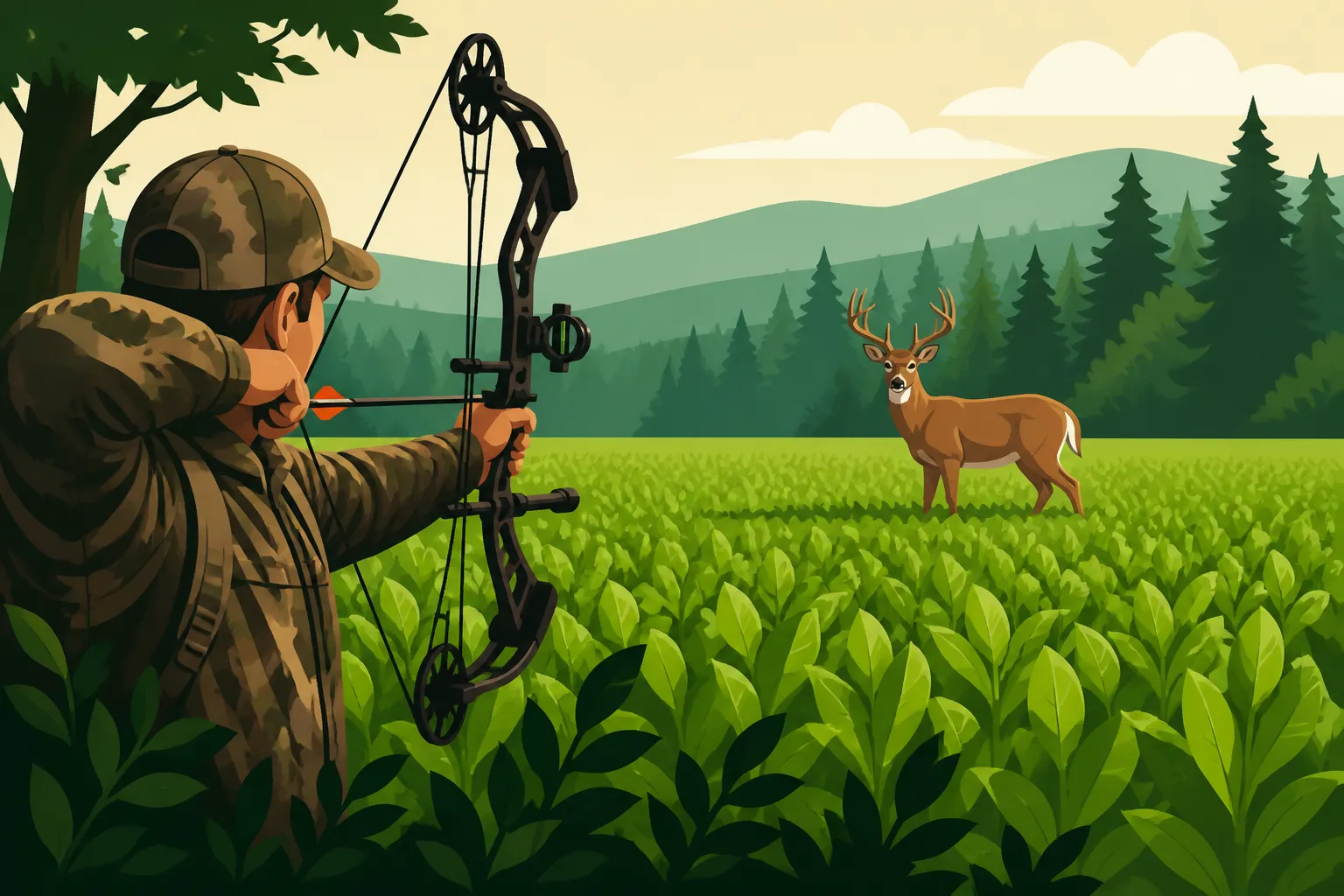
It’s a scenario many of us Maine hunters know all too well: you’ve spent countless hours clearing, tilling, and planting a beautiful green field, visualizing big bucks stepping out at last light. But then, when opening day arrives, it feels like the deer have read the calendar and decided to go nocturnal, or worse, just aren't showing up. Hunting a planted green field successfully in Maine isn't just about growing lush forage; it's about understanding why deer use these plots, when they use them, and how to approach them without sending every deer into the next county. This guide will walk you through the nuances of turning your green field dreams into a tangible harvest, even in the sometimes-challenging landscape of the Pine Tree State.
The Magnetic Pull of a Planted Green Field for Maine Deer
Deer are creatures of habit and opportunity, always seeking the path of least resistance to the best nutrition. While Maine is rich with natural browse, a well-planned green field offers something truly special, something that can significantly alter local deer movement patterns.
Why Deer Gravitate Towards These Plots
Imagine a buffet line after a long, hard day – that’s essentially what a high-quality green field is to a deer. Deer are constantly looking for nutritious, palatable food sources, especially during key periods like the antler growing season, the demanding rut, or the brutal cold of late fall and early winter. Natural forage, while abundant, can be inconsistent in quality and quantity, particularly as the season progresses.
A properly managed green field, planted with specific forage like clover, winter rye, or brassicas, provides a concentrated source of high-energy carbohydrates and protein that is often superior to much of the surrounding natural browse. For instance, in an area dominated by mature hardwoods, deer might have to browse extensively on woody stems, which offer less digestible energy. A vibrant clover plot, however, offers a quick, efficient meal, allowing deer to conserve energy. This is especially critical for mature bucks who are burning through massive amounts of calories during the breeding season. They need to recover, and a lush food plot provides an easy-to-access, concentrated nutrient boost that they can't always find by simply nibbling on twigs and leaves in the surrounding woods.
Understanding Different Forage Choices and Their Timing
Not all green fields are created equal, and the type of forage you plant dictates when it will be most attractive to deer. Understanding this seasonality is paramount to timing your hunts effectively.
Clover, for example, is a perennial workhorse. It’s high in protein and highly palatable, making it a year-round draw in many parts of Maine, particularly from spring through early fall. It can withstand moderate grazing pressure and often grows back year after year with proper maintenance.
For early to mid-fall hunting, annuals like winter rye and oats are excellent choices. They establish quickly and provide a highly attractive, digestible food source that can draw deer in almost immediately after germination. These are fantastic for the archery season, acting as an early magnet before other food sources become depleted.
But when the temperatures drop and a hard frost hits, brassicas – think turnips, rape, and kale – become king. These plants undergo a biochemical change after a frost, converting starches into sugars, making them incredibly sweet and irresistible to deer. This phenomenon makes brassicas a crucial Late-Season Food Sources for Maine Whitetails() for hunters still holding tags into the colder months. They provide vital energy when other food sources have become scarce or less appealing.
Corn and soybeans also offer energy-rich options, but they often require more intensive farming practices and larger acreage, making them less common for smaller, privately managed hunting plots in many parts of Maine. However, if you have access to a standing corn or soybean field, particularly one adjacent to heavy cover, it can be an absolute magnet for deer, especially during the colder parts of the season.
Here's a quick look at some popular food plot choices and their prime appeal:
| Forage Type | Peak Attractiveness | Key Benefit for Deer |
|---|---|---|
| Clover (Perennial) | Spring, Summer, Early Fall | High protein, palatable, grows back year after year |
| Winter Rye (Annual) | Early Fall, Mid-Fall | Quick to establish, very attractive, holds deer |
| Brassicas (Annual) | Late Fall, Early Winter | High energy, sweetens after frost, critical late season |
| Oats (Annual) | Early Fall | Palatable, quick growth, good for early bow season |
| Alfalfa (Perennial) | Spring, Summer | Drought resistant, high protein, long-lasting |
Strategic Positioning for Your Maine Green Field Hunt
Planting the right forage is only half the battle. The other, arguably more critical, half is understanding how deer will access and utilize that food source, and then positioning yourself accordingly.
Scouting the Approach and Exit Routes
Deer rarely just meander directly into an open field. They are inherently cautious, especially mature animals. They’ll use routes that offer cover, scent-checking opportunities, and a sense of security. Your job, as a hunter, is to identify these preferred entry and exit points.
Start by looking for heavily worn trails along the edges of the green field, especially where dense cover – a cedar swamp, a thick clear-cut, or a mature pine stand – meets the open plot. Look for fresh tracks, droppings, and even rubs or scrapes near these transition lines. These indicators tell you precisely where deer feel comfortable entering and leaving. Often, deer will stage in the cover just inside the woods, waiting for dark or for conditions to feel safe, before venturing into the open.
Think about where deer are bedding during the day. A green field is almost always a destination, not a bedding area itself. You need to connect the dots between where deer are likely to be resting and where they’re coming to feed. If the bedding area is a quarter-mile away in a dense hemlock stand, look for trails that lead from that stand directly or indirectly to your green field.
Using digital mapping tools like GoHunt or other applications that offer satellite imagery and topographic maps can be incredibly helpful for Scouting With the Maine Hunting App(). These tools allow you to Reading Aerial Photos for North Woods Deer() to spot natural funnels, creek bottoms, old logging roads, or ridge lines that deer might be using as travel corridors. Identifying a Hunting a Funnel Between Two Woodlots() that empties into your green field is a prime example of using the landscape to predict deer movement.
Optimal Stand and Blind Placement
Once you’ve identified those key approach and exit routes, it’s time to decide where to set up. Your primary goal is to remain undetected by sight, sound, and scent.
For elevated hunting, a treestand is a classic choice. Whether it’s a hang-on, climbing, or ladder stand, height helps get your scent above the deer's nose and offers a better vantage point. When Hanging a Stand on a Private Land Field Edge(), choose a tree that offers good cover and is positioned downwind or crosswind of the expected deer travel and the field itself. Remember that Wind and Thermals in Maine Hill Country() play a huge role, especially in rolling terrain. In the morning, thermals often drop, carrying your scent downhill; in the evening, they rise. Always be mindful of the prevailing wind direction for the specific hunt you’re planning.
Ground blinds are another excellent option, especially if you're hunting on Posted-Free Land() where trees might be scarce or unsuitable for a stand, or if you prefer the comfort and concealment a blind offers. A well-brushed-in ground blind that blends seamlessly into the field edge can be incredibly effective. Just make sure to set it up well in advance of your hunt, ideally weeks before, to allow deer to get accustomed to its presence.
Consider the sun angle: for morning hunts, having the sun at your back can illuminate the deer as they enter the field while keeping you in shadow. For evening hunts, positioning yourself so the setting sun is in the deer's eyes can give you a crucial advantage, making it harder for them to spot your movements. Never silhouette yourself against the sky or an open backdrop; always have solid cover behind you.
Timing Your Hunt and Adapting to Maine's Conditions
Even with the perfect green field and an ideal stand setup, success often boils down to timing. Maine's weather and the deer's seasonal behaviors dictate when your best opportunities will arise.
The Golden Hours and Weather Window
Deer are most active during the crepuscular hours – dawn and dusk. These are typically your prime hunting times when deer are moving from bedding to feeding areas, or vice-versa. Plan to be in your stand or blind well before first light and stay until after last light to catch these crucial movements.
However, certain weather conditions can significantly increase deer activity during daylight hours. A cold front, especially one that brings a noticeable drop in temperature, often triggers increased feeding activity. Deer know winter is coming, and they need to pack on calories. If you see a dip in temperature following a period of mild weather, that’s your cue to get out there.
Light precipitation, such as a soft rain or a quiet snowfall, can also be excellent hunting weather. The sound of rain can muffle your approach and any slight movements you make in the stand, making deer feel more secure. Deer often move after the weather breaks, so positioning yourself for that post-storm feeding frenzy can be highly effective. Conversely, heavy rain, strong winds, or extremely bitter cold can shut deer activity down, making them hunker down in cover.
During the rut, which When the Maine Rut Peaks() typically in early to mid-November, bucks will often cruise field edges at any time of day, looking for receptive does. Even midday can be productive during this intense period, as bucks are driven by instinct and less cautious than usual.
Minimizing Pressure and Maintaining Secrecy
The unfortunate reality of a highly attractive green field is that it can become a magnet for other hunters too, especially if it's on public land or a visible private parcel. Too much human pressure will quickly turn a daylight hot spot into a strictly nocturnal feeding area.
The key to long-term success on a green field is to limit your visits and minimize your impact. Go in, hunt, and get out cleanly. Don’t tromp across the field to get to your stand. Use discreet access routes that don’t cross known deer travel patterns. Wear scent-control clothing, spray down with a scent eliminator, and pay attention to personal hygiene to reduce your human odor. Your goal is to leave as little trace as possible that you were ever there.
Avoid checking trail cameras constantly directly on the field. If you must use cameras, place them further down the trails leading into the field, or on a neighboring food source like a Hunting a Standing Apple Orchard() to get intel without disturbing the main attraction. Every time you walk into that field, you’re leaving scent and potentially bumping deer.
If you suspect a green field is receiving too much pressure, consider shifting your strategy. Instead of hunting directly over the field, position yourself further back in the timber, along one of those identified approach corridors. Intercept deer before they even get to the field, while they’re still moving in cover. This tactic often yields more success with wary, pressured deer. Tools like GoHunt can help you identify areas with less human activity by showing public land boundaries, roads, and other features that might indicate higher or lower pressure, allowing you to choose the most secluded green fields.
Leveraging Technology and Maine's Unique Landscape
In today's hunting world, technology isn't just a gimmick; it's a game-changer, especially when trying to decipher deer movement around a food source like a green field in Maine's varied terrain.
Mapping and Satellite Imagery for Informed Decisions
Before you even think about putting boot to ground, you should be putting screen time in. Satellite imagery, combined with topographic maps, is an invaluable pre-scouting tool. Apps like GoHunt, Gaia GPS, or onX Maps (if available in your specific Maine area or similar robust mapping apps) allow you to Reading Aerial Photos for North Woods Deer() and identify potential green field locations, the surrounding cover, probable bedding areas, and crucial water sources.
Look for subtle terrain changes – drainages that funnel deer, benches on hillsides where deer might travel, or dense pockets of conifer cover that serve as bedding. These features might not be obvious from the ground but pop out on a detailed aerial map. You can then digitally "pin" potential stand locations, mark your preferred access routes that minimize disturbance, and even observe historical weather patterns or wind directions specific to that area. This pre-visualization helps you formulate a solid plan before you ever enter the woods, saving you time and reducing your impact on the hunting grounds. Using these layers, you can even distinguish between private timber company land, often open to hunting, and smaller, truly private parcels where permission is needed, directly improving your Scouting With the Maine Hunting App().
Integrating Trail Cameras for Real-Time Intelligence
Trail cameras, used wisely, are your eyes in the woods, providing crucial real-time intelligence when you can't be there. Instead of simply slapping a camera on a pole directly in the middle of your green field, consider a more strategic approach. Place cameras on the trails leading into the green field, about 20-50 yards from the edge, or on a nearby Scrape Lines Along a Logging Road() that intersects a deer travel corridor. This placement documents specific deer – especially mature bucks – their preferred travel times, and their exact entry points, all without spooking them from the food source itself.
The data you collect from these cameras is gold. It tells you if deer are primarily nocturnal, if a particular buck is consistent in his visits, and which entry routes are most favored. However, remember the "less is more" rule. Check your cameras sparingly. Every time you walk in to pull cards, you're introducing human scent and potential disturbance. A single visit can negatively impact deer movement for several days. Time your camera checks with less crucial hunting periods or when the weather might naturally deter deer movement, like during a heavy rain. This diligent, low-impact approach ensures your green field remains a consistent draw, not just a place where deer visit under the cover of darkness.
Disclaimer
Always check the current Maine Department of Inland Fisheries & Wildlife regulations before heading afield. Hunting laws and seasons can change, and it is every hunter's responsibility to know and follow them.