Aroostook County Public Hunting Access
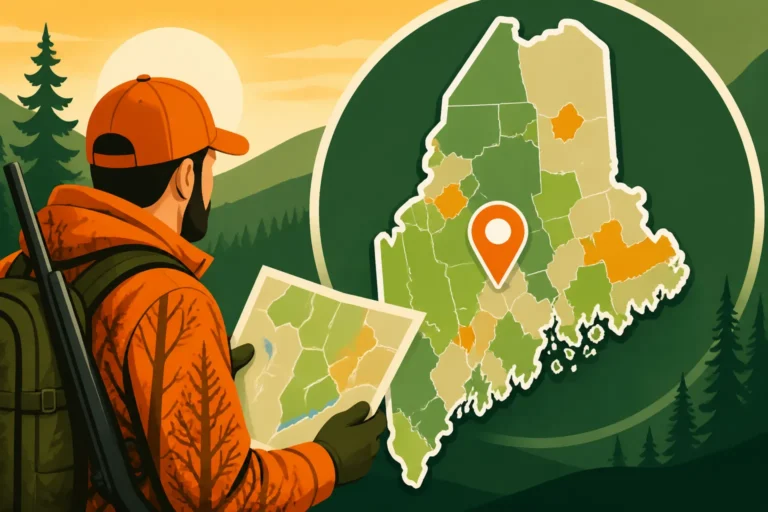
Aroostook County, often simply called "The County," is a dream for many Maine hunters, but figuring out where you can actually hunt legally can be a real head-scratcher. With its immense size and a complex blend of ownership—from vast industrial timberlands to smaller public parcels—navigating access can quickly turn an exciting trip into a frustrating guessing game. This comprehensive guide will peel back the layers of Aroostook's hunting access, helping you confidently pinpoint legal hunting grounds and make your next hunt a success.
Understanding Aroostook County's Unique Hunting Landscape
Aroostook County stands alone in Maine for its sheer scale and the character of its wild places. It's larger than some small states, and much of it remains heavily forested, creating an almost endless expanse of potential hunting ground. However, this vastness also comes with a unique set of challenges and traditions regarding land access that hunters, especially those new to the region, need to understand.
Vastness and Diversity of Habitat
Imagine endless tracts of spruce and fir, mixed with stands of aspen and birch, sprawling over rolling hills and interspersed with productive agricultural fields. That's Aroostook. This diverse landscape supports robust populations of white-tailed deer, black bear, and moose, along with healthy numbers of ruffed grouse, snowshoe hare, and various furbearers. The sheer amount of undeveloped forest can feel overwhelming, but it also means that with a bit of effort and the right knowledge, you can often find solitude and undisturbed hunting opportunities. Aroostook County Versus Southern Maine Deer is a good read to understand some of the differences in deer hunting, for instance. Unlike more densely populated southern Maine, "The County" offers a true wilderness feel, even on many accessible lands.
The "Implied Permission" Tradition and Its Limits
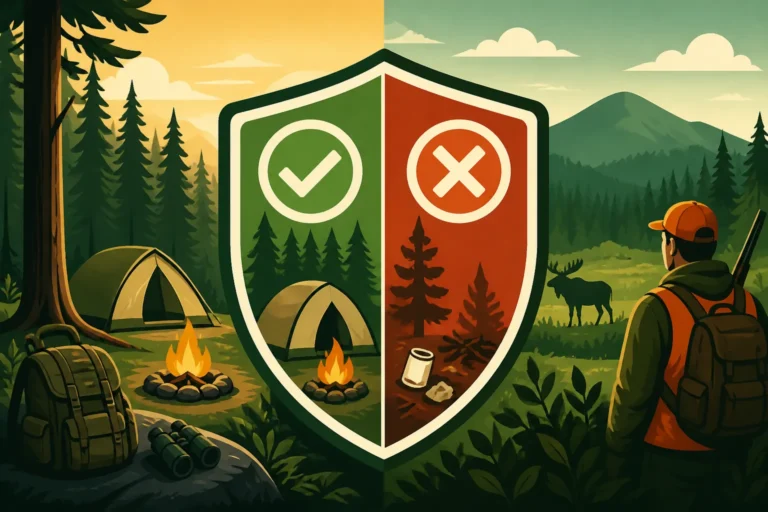
Maine has a long-standing tradition of "implied permission" for recreational access on private, undeveloped land. This means that unless a property is clearly marked with "No Trespassing" signs, or posted in a way that indicates the owner does not want public access, it's generally assumed that you can enter for activities like hunting. This tradition is deeply ingrained in rural Maine culture and is a huge benefit to hunters. However, it's not a free-for-all, especially as land ownership patterns change and development slowly creeps in.
Even on traditionally open lands, individual landowners or large timber companies can choose to restrict access at any time. This often happens near residences, active logging operations, or sensitive areas. Always keep an eye out for signs, gates, or other indicators that access might be limited or require specific permission. It's also important to remember that this implied permission typically applies to foot travel or non-motorized activities. Motorized access, such as ATVs or trucks off designated roads, usually requires explicit permission. Familiarizing yourself with What Posted Land Means in Maine is absolutely critical before you venture out.
Navigating Public Access: What's Truly Open?
While "implied permission" is a strong tradition, understanding definitively public land is vital for peace of mind. Aroostook County offers various types of public and semi-public hunting opportunities, each with its own nuances. It’s not always a simple case of black and white, but rather shades of gray that demand a hunter's attention to detail.
State and Federal Lands
Aroostook County, despite its vastness, doesn't have the extensive blocks of federal land that you might find out West, but there are still important pockets of state-managed land that are openly accessible for hunting. These include Wildlife Management Areas (WMAs) and Public Reserved Lands.
- Wildlife Management Areas (WMAs): Maine has several WMAs scattered across the state, and a few are within reasonable driving distance or partially within Aroostook's broader reaches. These lands are managed specifically for wildlife habitat and public recreation, including hunting. Rules for WMAs are generally consistent across the state, but it's always wise to check the Maine Inland Fisheries and Wildlife (IFW) website for specific regulations pertaining to a particular WMA, as some might have unique vehicle access restrictions or special hunt dates. Finding a Maine WMA can be a fantastic way to access quality habitat where game populations are actively managed. Maine Wildlife Management Areas are often prime locations for deer, moose, and upland birds.
- Public Reserved Lands: These are state-owned lands managed by the Bureau of Parks and Lands. They are set aside for recreation, including hunting, and often have designated hiking trails, campsites, and sometimes even boat launches. Access to these lands is generally straightforward and well-marked. While some of the largest blocks of Public Reserved Land are further south and west, Aroostook does have smaller parcels that can offer excellent hunting, particularly for grouse, woodcock, and snowshoe hare. These lands are often less heavily hunted than some of the more obvious spots.
Industrial Timberlands and Their Rules
By far the largest category of "accessible" land in Aroostook County consists of industrial timberlands owned by various paper companies and investment groups. Historically, these lands have been largely open to public access for hunting, fishing, and recreation. Many companies still maintain this policy, but access can vary greatly depending on the specific landowner and current operations.
- The North Maine Woods (NMW): A significant portion of northern Aroostook County falls within the jurisdiction of the North Maine Woods, a private organization that manages access to over 3.5 million acres of private timberland. While technically private, these lands are operated under a unique system that charges a gate fee for entry. This system helps fund road maintenance, gatekeepers, and other infrastructure that allows public access. Hunters can drive logging roads, set up camp, and hunt freely within the NMW boundaries, provided they adhere to all regulations, including blaze orange requirements and specific rules for ATV use. Understanding North Maine Woods Logging Road Access is crucial for planning a deep woods hunt here. This is where you might find some of the best opportunities for Moose Hunting Maine's North Woods if you're lucky enough to draw a tag.
- Other Timberlands: Outside of the official North Maine Woods system, other large timber companies own extensive tracts throughout Aroostook. Many of these operate under a similar "open access" policy, often without gate fees, but it's essential to understand that this access is a privilege, not a right. Companies may close roads for active logging, restrict access during wet conditions to prevent road damage, or even implement short-term closures for various reasons. Always look for signage. If in doubt, contacting the timber company directly or checking their website (if available) can provide clarity. This is where using a good mapping app becomes invaluable.
Here’s a quick overview of land types and general access rules:
| Land Type | Ownership | General Access Rules | Typical Game Opportunities |
|---|---|---|---|
| Private, Unposted | Private | Implied permission for non-motorized recreational use (hunting, fishing, hiking). Motorized needs permission. | Deer, bear, moose, turkey, upland birds, small game |
| Private, Posted | Private | NO access without explicit, direct permission from the landowner. | None (unless permission granted) |
| North Maine Woods (NMW) | Private Timber | Access for a fee (day-use or multi-day). Strict rules on camping, fires, and motorized travel. | Deer, bear, moose, upland birds, small game |
| Other Industrial Timber | Private Timber | Often open for public access, but can be restricted for logging operations, mud season. Check for signage. | Deer, bear, moose, upland birds, small game |
| State Wildlife Mgmt. Areas | State of Maine | Open to public recreation, including hunting. Specific WMA rules may apply. | Deer, bear, moose, turkey, upland birds, small game, waterfowl |
| Public Reserved Lands | State of Maine | Open to public recreation, including hunting. Less infrastructure, more remote feel. | Deer, bear, moose, upland birds, small game |
| Baxter State Park | State of Maine | NO HUNTING allowed inside the park boundary. | None (hunting only on perimeter, outside park) |
Key Resources for Finding Public Access in Aroostook
Trying to find public hunting access in Aroostook County without the right tools can feel like trying to find a needle in a haystack—a very large haystack. Luckily, modern technology and some traditional methods can make the task much more manageable.
Mapping Applications and Their Benefits
In today's hunting world, digital mapping applications are indispensable, especially in a vast and often remote region like Aroostook. They offer layers of information that can transform how you scout and hunt.
- onX Hunt: This application has become a gold standard for good reason. It clearly displays property boundaries, landowner names, and land ownership types (public, private, timber company). This is invaluable for knowing exactly where you stand, literally. You can download maps for offline use, which is critical in Aroostook's spotty cell service areas. Being able to see if that tempting woodlot edge is private or part of a timber company's open access land is a game-changer. I personally rely on onX Hunt to ensure I'm respecting private property while still maximizing my hunting opportunities.
- GoHunt: While perhaps not as universally known for its mapping as onX, GoHunt also provides valuable state-specific mapping tools and public land overlays. Having a secondary app or cross-referencing information can sometimes confirm details or offer slightly different perspectives. Even if you're not planning a grand western adventure, the tools offered by GoHunt can still be beneficial for Maine. Scouting With the Maine Hunting App is another excellent resource, as the state's own app often provides important regulatory updates and mapping features.
- How to Use Them Effectively:
- Study before you go: Don't wait until you're in the field. Spend hours looking at satellite imagery and property lines on your computer or tablet. Identify potential access points, likely travel corridors for deer, and areas that appear less accessible to other hunters. Reading Aerial Photos for North Woods Deer can help you pinpoint these spots.
- Download offline maps: Seriously, do this. Cell service drops off fast in "The County." Having your maps downloaded means you're not left guessing when you're miles from the nearest town.
- Mark waypoints: Use the app to mark where you parked, potential stand sites, rubs, scrapes, or anything else of interest. This makes navigating back out a breeze and helps you develop a better understanding of the area over time.
Local Wisdom and Physical Maps
While digital tools are powerful, they should complement, not replace, local knowledge and traditional map skills. Sometimes the best information comes from a conversation or a well-worn paper map.
- Talk to locals: Seriously, don't be shy! Stop at a small-town diner, a general store, or a gas station. Engage in polite conversation. Locals often have invaluable insights into access points, current logging operations, or where certain game animals tend to congregate. A simple "Hi, I'm new to the area and looking to do some deer hunting, any advice on good public spots?" can open doors, or at least point you in the right direction. Just remember to be respectful and appreciate their willingness to share.
- Maine DeLorme Atlas & Gazetteer: This classic spiral-bound map book is still an essential tool for any serious Maine outdoors person. It provides highly detailed topographic maps that show logging roads, trails, water features, and sometimes even land ownership distinctions (though these can be less current than digital apps). When your phone battery dies or you're truly beyond any signal, a paper map and compass are your lifeline. I always carry one in my truck, even with all my digital gadgets.
- Contact Timber Companies: As mentioned earlier, if you're targeting a specific timber company's land outside the NMW, a quick phone call to their regional office can clarify their access policies, especially regarding motorized vehicles or current logging activity. This shows respect and can save you a lot of wasted time or potential conflict.
Species-Specific Considerations for Public Land in Aroostook
Aroostook County is renowned for its diverse big game and small game opportunities. Understanding how different species utilize public or accessible lands can greatly influence your scouting and hunting strategies.
Deer Hunting on Public Aroostook Ground
Deer hunting in Aroostook can be incredibly rewarding, but it often means adjusting your tactics compared to more agricultural regions. The big woods deer are often more spread out, and their patterns are dictated by food sources, cover, and harsh winter conditions.
- Food and Cover: On public timberlands, deer often gravitate towards recent clear-cuts, young regenerating forests, or mature hardwoods with consistent mast crops. These areas provide both browse and security cover. Look for edges where these different habitat types meet. Cedar swamps are also critical wintering areas (deer yards), and while hunting in them during deep snow can be difficult and disruptive, knowing their location can help you find deer moving to and from them in the early and late seasons. Reading a North Woods Deer Yard provides more insight into these crucial habitats.
- Pressure Points: While "The County" is vast, accessible roads can still draw hunting pressure. To find unpressured deer, you often need to be willing to walk. Get away from the main logging roads. Even a half-mile off the beaten path can make a huge difference. Hunting during the firearms season means you'll share the woods with more people, but the sheer size of the region often allows for solitude if you're willing to put in the effort. For archery hunters, public lands can be fantastic, as pressure is generally lower. Bowhunting Maine's Long Archery Season is a great resource if you're pursuing deer with a bow.
- Still-Hunting and Tracking: Given the often-thick cover and expansive terrain, still-hunting (moving slowly and deliberately, scanning constantly) is a very effective technique on Aroostook's public lands. If fresh snow falls, tracking a deer can be an incredible way to fill your tag, though it demands physical stamina and keen observation skills. Still-Hunting Aroostook County Farmland touches on tactics for a different habitat type, but the core principles of quiet movement and observation apply.
Upland Birds and Small Game
Aroostook County is a paradise for upland bird hunters and small game enthusiasts, offering some of the best opportunities in New England. Public and accessible timberlands are prime habitat.
- Ruffed Grouse (Partridge): Look for grouse in areas with diverse cover, particularly near edges of young clear-cuts, old logging roads, and along streams or wetlands where alders grow thick. Grouse thrive where there's a mix of food (buds, berries, insects) and escape cover. On public industrial timberlands, simply driving logging roads and stopping to walk promising sections can be very productive. Grouse Hunting Maine Alder Runs explains how to target these birds in specific cover types.
- American Woodcock: These migratory birds prefer moist, young hardwood thickets, especially along stream bottoms, alder runs, and early successional forests. They are often found in similar areas to grouse but tend to prefer wetter feet. Early in the season, before migration pushes them south, public wetlands and stream corridors in Aroostook can hold good numbers. Woodcock Hunting Maine Covert Country goes into detail on finding these unique birds.
- Snowshoe Hare: Public timberlands, particularly those with dense conifer regeneration or thick spruce-fir stands, are excellent for snowshoe hare. These little rabbits thrive in deep snow and dense cover. Hunting them with beagles on public land is a cherished tradition for many Maine hunters. Snowshoe Hare Hunting With Beagles can teach you more about this exciting pursuit.
- Accessibility for Small Game: The beauty of hunting small game in Aroostook is that many of the habitats they prefer are readily accessible from logging roads that cut through open-to-the-public timberlands. You don't always need to hike deep into the wilderness to find them, making it a great option for day trips.
Bear and Moose Opportunities
While these animals often require specific permits, Aroostook's public lands are central to their hunting.
- Black Bear: Aroostook County boasts a healthy black bear population, and its vast public and industrial timberlands provide ideal habitat. Whether you're hunting over bait (where allowed and pre-established), still-hunting, or pursuing them with hounds, these expansive wild areas are critical. Remember that bear hunting often requires specific permits and methods. Bear Hunting Maine's Three Legal Methods will give you a full breakdown.
- Moose: If you're fortunate enough to draw a Maine moose permit, chances are your assigned Wildlife Management District (WMD) will include substantial amounts of public or timber company land in Aroostook. Moose thrive in areas with recent logging, which provides abundant browse, but also need mature forest for cover. Much of the Moose in Maine's North Woods live in areas that are accessible via the North Maine Woods system or other industrial timberlands. Scouting these areas, either on your own or with a Hiring a Registered Maine Guide, is essential for a successful hunt.
Disclaimer
This article is for general informational purposes only and does not constitute professional advice. Laws, prices and regulations vary by location and change over time. Consult a qualified professional for guidance on your specific situation.