Paying at a North Maine Woods Checkpoint
Navigating the vast expanse of the North Maine Woods can feel a bit like stepping into another era, especially when you encounter one of the iconic checkpoints. Many folks, especially those new to hunting or exploring this incredible region, often feel a surge of uncertainty when it comes time to pay. It’s not like pulling up to a toll booth on I-95. This guide will help you understand the system, what to expect, and how to confidently handle the payment process at a North Maine Woods checkpoint, ensuring your adventure starts smoothly.
Understanding the North Maine Woods Checkpoint System
The North Maine Woods (NMW) isn't your typical public land. It's a massive, privately-owned working forest that allows public access, and that unique arrangement means there's a system in place to manage it all. This system, while sometimes a bit confusing to first-timers, is crucial for maintaining the roads, infrastructure, and the very access we cherish.
Why the Fees Exist
Imagine owning hundreds of thousands of acres of forestland, crisscrossed by thousands of miles of gravel roads. Now imagine opening that land up to the public for hunting, fishing, camping, and recreation. That's the challenge that the private landowners and the North Maine Woods organization face every single day. The fees you pay at a checkpoint aren't just an arbitrary charge; they are the lifeblood that keeps this incredible access alive.
These fees directly support the extensive infrastructure needed to manage such a vast area. We're talking about road maintenance – grading, ditching, culvert repair, snow plowing in colder months – which is a monumental undertaking on miles of active logging roads. They also help fund essential public services like communication infrastructure, emergency response coordination, and even waste management in remote areas. Without these funds, the quality of access would severely degrade, or worse, access could be restricted altogether. It’s a cooperative model that allows us hunters and outdoor enthusiasts to enjoy this incredible resource while respecting the ongoing timber operations. It's truly a unique balance between industrial activity and recreation that we don't see in many other places.
The Role of the Checkpoints
When you approach a North Maine Woods checkpoint, you're not just driving through a gate; you're entering a managed system. These checkpoints, like the famous Telos Gate out of Millinocket or the more northern St. Francis Gate, serve multiple vital functions. Firstly, they are your point of entry and exit, where every visitor is registered. This registration process isn't just bureaucratic; it's a safety measure. In the event of an emergency, fire, or a lost person, the NMW staff know who is in the woods, where they are headed, and when they are expected out. This information can be critical when time is of the essence.
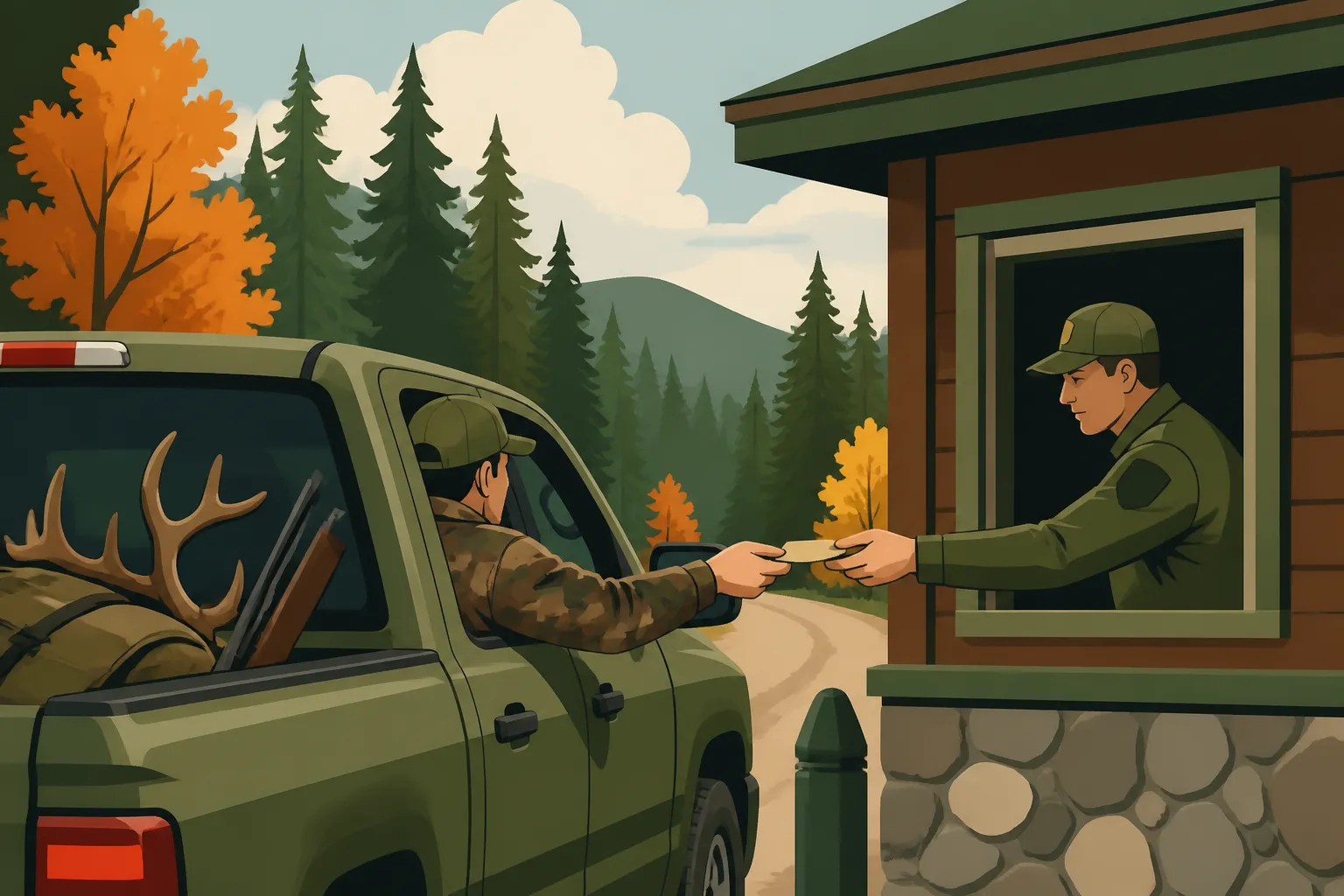
Secondly, the checkpoints are where you pay your access fees. This is where the NMW ensures the financial sustainability of the entire operation. You'll interact with a friendly, knowledgeable gate attendant who will ask about your plans: where you're going, how long you plan to stay, what activities you'll be doing, and how many people are in your party. They’re not just taking your money; they're also a fantastic source of real-time information about road conditions, recent animal sightings, and any current advisories. Think of them less as a barrier and more as a helpful ranger station. Familiarizing yourself with North Maine Woods Logging Road Access beforehand can make this interaction smoother, as you'll have a better idea of your route and destination. They can also provide updates on Camping Rules Inside North Maine Woods if you're planning an overnight stay.
Navigating the Payment Process at the Gate
The payment process at a North Maine Woods checkpoint has a bit of a reputation, mostly because it's not as standardized as what many of us are used to in today's digital world. However, with a little preparation, it's a breeze.
Payment Methods Accepted and Not Accepted
Historically, the North Maine Woods operated almost exclusively on a cash-only basis. This was, and still is, their preferred method due to the remote nature of many checkpoints and the logistical challenges of processing electronic payments in areas with limited or no internet connectivity. Many hunters have stories of showing up with only a credit card, only to be turned around to find an ATM, which can be a significant detour when you're already deep into northern Maine.
While some larger gates may have slowly adopted ways to accept personal checks or even certain debit/credit cards, it's never a guarantee. The golden rule, and I cannot stress this enough, is to always bring enough cash to cover your expected fees, plus a little extra for contingencies. Don't rely on plastic, even if you heard from a friend that a certain gate sometimes takes cards. Internet can be spotty, machines can go down, and you don't want your hunting trip to be derailed before it even begins. It's one of those essential pieces of advice, right up there with bringing an extra spare tire. If you want the absolute most current information, it’s always best to check the official North Maine Woods website or call ahead to the specific gate you plan to enter. Better safe than sorry, especially when you've driven hours to get there. Remember, for the most part, it's still North Maine Woods Cash-Only Payment Rules.
Understanding the Different Fee Structures
The cost of accessing the North Maine Woods isn't a flat rate. It varies based on several factors, reflecting the different impacts and services required for various types of visits. The gate attendant will clearly explain these to you, but having a general idea beforehand helps.
The most common fee structures include:
- Day-Use Fees: If you're heading in for a single day of hunting, fishing, or scouting, you'll pay a day-use fee. This is the simplest and often the most economical option for short visits. You typically declare your expected exit time, and you're expected to stick to it. This helps NMW staff keep track of who is in the woods. This is Why North Maine Woods Charges a Day-Use Fee is so important for sustaining access.
- Overnight/Camping Fees: Planning to stay a few nights under the stars, or maybe at one of the rustic NMW campsites? Then you'll pay an overnight or camping fee, which is generally a higher daily rate but covers your stay. This fee accounts for the increased impact and potential need for services over a longer duration.
- Resident vs. Non-Resident Rates: Like most state-managed resources, there's often a differential fee structure for Maine residents versus non-residents. Non-residents typically pay a higher rate, which contributes to the maintenance of an area that residents also fund through state taxes. It's a common practice across many states for outdoor recreation.
- Duration and Activities: The attendant will calculate your fee based on the number of days you plan to be inside, the number of people in your party, and sometimes even the specific activity if there are special permits involved (though this is less common for general hunting access).
It's wise to review the North Maine Woods website before your trip to get an idea of the current fee ranges and any specific zone costs. Some areas might have slightly different fee structures depending on their management agreements. For instance, Comparing North Maine Woods Zones by Cost can show you how fees might vary depending on which gate you enter and how deep you plan to go. Always be clear about your intentions and how long you expect to stay, as honest communication helps the gatekeepers manage the system effectively.
| Fee Type | Description | Typical Calculation | Payment Advice |
|---|---|---|---|
| Day-Use Access | For single-day visits (hunting, fishing, scouting, touring). | Per person, per day. Often a lower daily rate. | Have exact cash ready for each person for one day. |
| Overnight/Camping | For multi-day stays, including designated campsites or dispersed camping. | Per person, per night, or sometimes per campsite. Higher daily. | Estimate total nights and people, bring plenty of cash. |
| Non-Resident Surcharge | Additional fee for visitors not residing in Maine. | Applied to both day-use and overnight fees. | Account for this extra cost if coming from out of state. |
| Vehicle-Based Fees | Less common for general access, but may apply to certain vehicle types. | Typically a flat fee per vehicle. | Inquire directly with the gate or NMW website if applicable. |
Preparing for Your North Maine Woods Trip
Heading into the North Maine Woods requires a different kind of planning than a typical hunt closer to home. It's an immersive experience that demands respect for its wild nature and the unique access system.
Essential Planning Steps for Access
Before you even load your rifle or tie on your boots, a little bit of homework can save you a world of headaches. First and foremost, check the official North Maine Woods website. This is your most reliable source for current information on gate hours, road conditions, and yes, fee structures. Things can change seasonally, so don't rely on information from last year's trip or what you heard from a buddy's buddy.
Next, and this cannot be overstated: always have backup cash. Even if you've heard whispers that a particular gate might take cards, assume it won't. I've seen too many frustrated hunters have to turn around and drive an hour or more to the nearest ATM because they only brought plastic. Having a stash of small bills is a godsend. Imagine trying to pay a precise amount with only a hundred-dollar bill at 5 AM when the attendant might not have change. It's just good etiquette and good sense.
Mapping your route is another critical step, especially for those more remote gates. GPS devices and smartphone apps are invaluable here. Applications like onX Hunt and GoHunt, for example, offer detailed mapping layers that can show you land ownership, gate locations, and even logging roads that might not appear on standard maps. Using an App for North Maine Woods Land Status can help you visualize your entry point and planned destination, making your conversation with the gate attendant much clearer. Also, consider downloading offline maps, as cell service quickly vanishes once you're beyond the main towns. Scouting With the Maine Hunting App can also give you some preliminary ideas about areas, but nothing beats knowing your access points cold.
What to Expect at the Checkpoint
When you pull up to a North Maine Woods checkpoint, whether it's the busy Telos Gate or a quieter entrance, expect a friendly but professional interaction. The gate attendants are typically locals who know the woods like the back of their hand. They are there to ensure smooth operations, but also to help you.
You'll be asked to provide some basic information: your name, contact information, vehicle details (make, model, license plate), how many people are in your party, your intended destination within the NMW, and how long you plan to stay. Be prepared to be clear and concise. Saying "Oh, we're just gonna cruise around and see what we find for deer" isn't going to cut it. Have a general area, perhaps a specific logging road or general direction, in mind. This information isn't to track your every move but is essential for safety and resource management. If you plan to be hunting in a specific area like the Allagash Wilderness Waterway corridor, mention it. Knowing your general intended path can be crucial if you need help or if the NMW needs to contact you.
The attendant will then calculate your fee based on the factors we discussed, and you'll complete the payment. You'll typically receive a permit or receipt that you should keep visible on your dashboard for the duration of your stay. This acts as proof of payment and registration if you encounter NMW staff or game wardens further in the woods. Always be respectful, patient, and prepared to share your plans. They are there to help you have a safe and successful trip into an incredible part of Maine. Familiarity with specific gates, like Telos Gate Access From Millinocket, can also alleviate some first-timer jitters. Don't forget that using tools for Reading Aerial Photos for North Woods Deer can help you pinpoint your hunting spots, which in turn helps you communicate your destination clearly at the gate. Finally, many gates are beginning to allow for Registering for North Maine Woods Access Online, which can speed up the process if you plan ahead.
Disclaimer
This article is for general informational purposes only and does not constitute professional advice. Laws, prices and regulations vary by location and change over time. Consult a qualified professional for guidance on your specific situation.