Telos Gate Access From Millinocket
Many hunters dream of vast, wild expanses where deer roam freely and the only sounds are the wind and the rustle of leaves. In Maine, that dream often leads to the legendary North Maine Woods, a sprawling timberland that feels truly untamed. But accessing this incredible resource, especially from a hub like Millinocket, can feel like navigating a complex system of gates, fees, and rules that are a far cry from a simple walk in the local woods. This guide aims to demystify the process of using the Telos Gate from Millinocket, helping you understand the ins and outs so you can focus on the hunt, not the logistics.
Understanding the North Maine Woods System
The North Maine Woods is a unique beast, unlike public lands in many other states. It's largely privately owned timberland, managed by a consortium of landowners who understand the value of shared access for recreation, alongside their primary business of sustainable forestry. This isn't a national park or a state forest; it's a working forest, and that shapes everything about how you interact with it. Many hunters, especially those new to Maine or coming from out of state, get tripped up thinking it's just "open access," only to find themselves facing gates and fees they didn't expect.
The Unique Landscape of Industrial Forests
Imagine millions of acres, crisscrossed by countless logging roads, dotted with active harvest sites, and interspersed with pristine lakes, rivers, and remote ponds. This is the industrial forest of the North Maine Woods. These lands are constantly being managed, meaning the landscape you hunted last year might look completely different this year due to timber harvests. This dynamic environment can be a challenge, but it also presents incredible opportunities for hunters who learn to read the changing terrain. Deer, moose, and bear constantly adapt to these alterations, seeking out new food sources and cover created by logging. It's a place where adaptability is key, both for the wildlife and for the hunter pursuing them. Understanding that you're in a working forest means respecting heavy equipment, active logging operations, and the infrastructure that supports them.
The Fee System and Its Purpose
The existence of gates and fees often catches people off guard, but it's crucial to understand their purpose. The fees collected at gates like Telos are vital for maintaining the vast network of private roads, bridges, and campgrounds within the North Maine Woods. These aren't tax dollars; they're user fees that directly support the infrastructure you'll rely on for your hunting trip. Without them, access to such a massive private land base would be far more restricted. Think of it as a direct investment in your hunting experience. These fees allow landowners to manage access, ensure safety, and keep the roads in passable condition, even after heavy rains or during mud season. You can find detailed breakdowns of these costs, including North Maine Woods Day-Use Fees and North Maine Woods Camping Fees, on the North Maine Woods website.
The Role of Checkpoints and Gates
Checkpoints, like the Telos Gate, serve several functions beyond just collecting fees. They are your first point of contact, where you register your entry, declare your intended activities, and receive crucial information about current conditions, logging activity, or any specific rules or closures in effect. This information can be incredibly valuable, potentially saving you hours of driving down a closed road or directing you to a recently active area. These gatekeepers are also a vital safety net; they know who is in and out of the woods, which can be critical in an emergency. Ignoring the system or trying to bypass a gate isn't just illegal, it's dangerous and undermines the cooperative spirit that allows this unique access to exist.
Why Telos Gate is Your Gateway from Millinocket
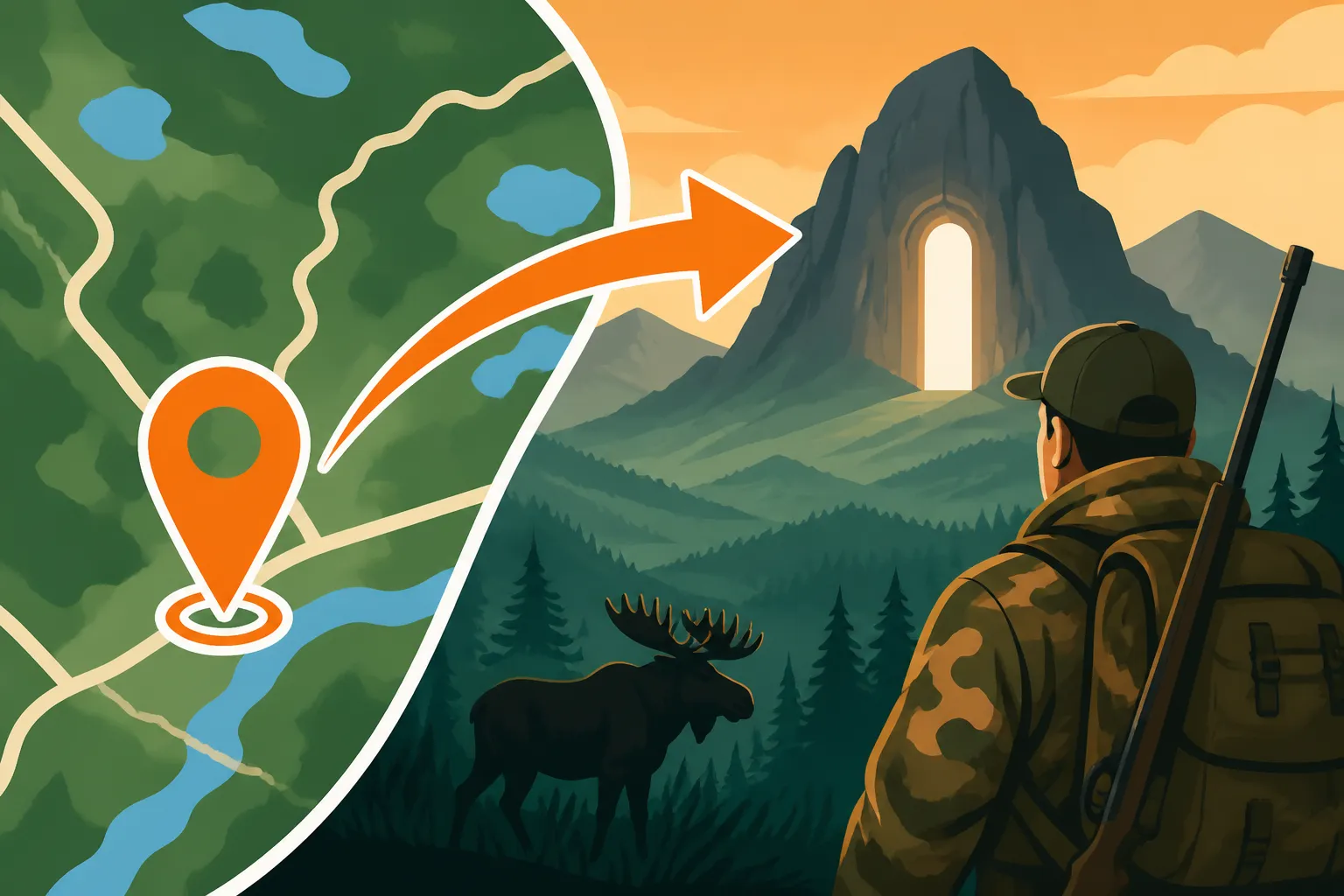
For many heading into the vast central and western portions of the North Maine Woods, particularly those coming from downstate or out of state via I-95, Millinocket serves as a natural jumping-off point. From here, the Telos Gate becomes the primary conduit into some of Maine's most renowned big game country. It’s not just a gate; it’s a portal to a specific kind of hunting adventure.
Proximity to Services and Supplies
Millinocket is a historic mill town that retains much of its character as a gateway to the Maine wilderness. Before you head north and lose cell service, it’s often your last real chance to stock up on essentials. Gas, groceries, last-minute gear, and even a hot meal can all be found here. Hunters often make Millinocket their base for a night before heading into the deep woods, ensuring their coolers are packed, their vehicles are topped off, and any forgotten items are purchased. This convenience makes Telos Gate a popular entry point, as it allows for efficient preparation without needing to carry everything from home. You're not just heading into the woods; you're entering a remote system, and Millinocket helps bridge that gap between civilization and true wilderness.
Primary Access for Central and Western Zones
From Telos Gate, hunters gain access to a multitude of Wildlife Management Districts (WMDs) that are legendary for moose, bear, and deer. This gate leads into expansive tracts of timberland, offering everything from mature hardwoods to dense softwood thickets and fresh clear-cuts. If you're targeting specific areas like those around Telos Lake, Chamberlain Lake, or even pushing west towards the St. John River watershed, Telos Gate is often the most direct and practical entry. This access is particularly valuable for those who have drawn a moose permit for these remote zones or are looking to explore vast, less-pressured deer country. Hunting a Drawn Moose Zone in the North Woods often begins with the precise navigation provided by these gates.
Historical Significance and Popularity
The Telos Gate, and the broader region it serves, has a deep history intertwined with logging, sporting camps, and adventurous outdoor recreation. Generations of hunters, trappers, and anglers have passed through this gate, leaving behind stories and traditions. This legacy contributes to its popularity; many seasoned Maine hunters have fond memories associated with driving through Telos. While the landscape changes with timber harvests, the spirit of adventure and the promise of remote hunting opportunities remain. Its popularity means that during peak hunting seasons, especially the firearms deer season and moose season, you can expect a steady flow of traffic, so planning for a bit of a wait at the gate is always wise.
Navigating the Telos Gate Process
Dealing with a gate system for the first time can feel daunting, especially when you’re eager to get into the woods and start your hunt. However, the Telos Gate process is designed to be straightforward and efficient, provided you arrive prepared and understand what’s expected. It’s less about a barrier and more about a structured entry point into a unique management system.
Initial Check-in and Information Gathering
When you arrive at the Telos Gate, you’ll pull up to the gatehouse, where a friendly attendant will greet you. This is where your journey officially begins. You’ll be asked for your identification, your destination within the North Maine Woods, the duration of your stay, and your planned activities (e.g., hunting, camping, fishing). They’ll also record your vehicle information. This process is vital for accountability and safety; in case of an emergency, they’ll know who is where. This is also your golden opportunity to gather intelligence! Ask about current road conditions, recent game sightings, areas with active logging, or any new regulations you should be aware of. The gatekeepers are often locals with a wealth of knowledge about the immediate area, so don't be shy.
Understanding Permits and Fees
This is where the financial part comes in. Depending on whether you are a resident or non-resident, your length of stay, and your activities (day-use, camping, etc.), you will pay a fee. These fees vary, so it’s always a good idea to check the current rates on the North Maine Woods website before you leave home. You can typically pay with cash or card, but having cash on hand is always a smart backup in remote areas where technology can sometimes be finicky. You'll receive a permit, often a tag for your dashboard, which serves as your proof of payment and registration while you're within the North Maine Woods. Hold onto this, as you might be asked to show it by a North Maine Woods patrol or warden. Remember, these fees contribute directly to the maintenance of the roads and facilities you'll be using.
| Permit Type | Typical Duration | Primary Purpose | Example Fee Structure (check current rates) |
|---|---|---|---|
| Day-Use Permit | Single Day | Hunting, Fishing, Hiking | Varies by residency and location |
| Overnight Camping | Per Night | Designated Campsites | Additional fee per person per night |
| Multi-Day Permit | Multiple Days | Extended Stays | Reduced daily rate for longer periods |
| Annual Permit | Calendar Year | Frequent Users | Best value for regular visitors |
Note: Specific prices and availability may change; always consult the official North Maine Woods website for the most up-to-date information.
The Importance of Departure Procedures
Just as important as checking in is checking out. When you exit the North Maine Woods through the Telos Gate (or any other staffed gate), you must check out with the attendant. This simple step completes your registration cycle and is incredibly important for safety. It lets the North Maine Woods know you've left the system safely, and if you haven't checked out by your declared departure time, it allows them to initiate a search if necessary. It's a common oversight for tired hunters eager to get home, but it's a critical piece of the safety puzzle that keeps everyone accounted for. Don't skip it!
Preparing for Your North Maine Woods Journey
Entering the North Maine Woods isn't like heading to your local state park. This is vast, largely undeveloped territory, and proper preparation isn't just a good idea—it's essential for a safe and successful trip. From ensuring you know where you're going to having the right gear, every detail matters.
Mapping and Navigation Tools
In an area where cell service is non-existent for miles on end, reliable navigation is paramount. A physical map (like a DeLorme Maine Atlas and Gazetteer) is an absolute must-have backup. But for modern hunters, digital mapping applications are invaluable. Tools like onX Hunt and GoHunt provide detailed satellite imagery, property boundaries, and topo maps that can be downloaded for offline use. Before you leave home, identify your target hunting areas and download those maps to your phone or GPS device. Use these apps to scout potential deer yards, locate old logging roads, or find promising terrain features from your armchair. Using an App for North Maine Woods Land Status can save you countless hours of walking. Consider onX Layers for Maine Land Status for understanding exactly where you are in relation to privately owned timberlands and public reserved lots. Don't rely solely on one device; a backup GPS or a compass and map are non-negotiable insurance policies.
Packing Essentials Beyond the Basics
Beyond your standard hunting gear, the North Maine Woods demands a few extra considerations. Think self-sufficiency. This means carrying extra fuel for your vehicle, a spare tire (and the tools to change it), a full-size shovel, tire chains if snow is expected, and a robust first-aid kit. Consider a satellite communication device like a Garmin inReach or a Zoleo for emergency contact, as standard cell service will vanish miles before the Telos Gate. Pack enough food and water for longer than you expect to be out, and include emergency rations. Warm, waterproof clothing is crucial, as Maine weather can change in an instant, especially in the vast northern forests. A headlamp with extra batteries, fire-starting materials, and a quality knife are also non-negotiable.
Vehicle Preparedness and Emergency Gear
Your vehicle is your lifeline in the North Maine Woods. Make sure it's in top mechanical condition before you head out. Check your tires, fluids, and belts. A full-size spare is much better than a "donut" in these remote areas. Road conditions can vary wildly, from well-maintained gravel to deeply rutted, muddy tracks, especially after rain or during thaw periods. Four-wheel drive is often more of a necessity than a luxury. ATV Rules on North Maine Woods Roads are also important to understand if you plan to use an ATV, as there are specific regulations regarding their use. Always let someone outside the woods know your general itinerary and expected return time. This provides an additional layer of safety if something unexpected happens and you're unable to communicate.
Maximizing Your Hunt Beyond the Gate
Once you’ve successfully navigated the Telos Gate and ventured into the depths of the North Maine Woods, the real adventure begins. This is an environment that rewards preparation, patience, and a deep understanding of how big game animals use this unique, ever-changing landscape. It’s not about finding a honey hole; it’s about understanding the ecosystem.
Identifying Prime Hunting Areas
The North Maine Woods is vast, and knowing where to focus your efforts is key. Instead of aimlessly wandering, look for transition areas and specific habitat types. Clear-cuts, especially those that are a few years old and growing back in with dense saplings and brush, are magnets for deer and moose seeking browse. Mature stands of mixed hardwoods, particularly those with oak or beech, can be excellent for foraging deer and bear, especially during years with good mast crops. Follow logging roads – often called "haul roads" – as they create edges and travel corridors. Look for sign along these roads: tracks, droppings, rubs, and scrapes. Reading Aerial Photos for North Woods Deer can help you identify these features from above before you even set foot on the ground. Also, consider the impact of Timber Cuts and Where Deer Move After; fresh cuts might offer initial browse, but slightly older regeneration offers denser cover and more consistent food.
Respecting Timber Operations and Other Users
Remember, this is a working forest. You will likely encounter active logging operations, which can include heavy machinery, log trucks, and falling trees. Always yield to logging equipment and give them a wide berth. These operations are often loud and disruptive, so avoid hunting directly in active harvest zones. Beyond loggers, you’ll share the woods with other hunters, trappers, anglers, and recreationists. Courtesy and respect are paramount. Maintain a safe distance from other hunting parties, be mindful of noise, and always practice ethical hunting behavior. This spirit of shared use is what allows continued access to these private lands. North Maine Woods Logging Road Access is a privilege, not a right, and treating it with respect ensures it remains available for all.
Understanding Regulations Specific to the North Maine Woods
While Maine’s statewide hunting regulations apply, there can sometimes be localized rules or specific conditions within the North Maine Woods that you need to be aware of. Pay close attention to any signage at the gate or information provided by the gatekeepers. These might relate to specific road closures, fire danger, or restrictions on camping in certain areas. Also, understand that deer densities can vary significantly across this vast area. The far northern reaches, for example, tend to have lower deer populations due to harsh winters and predator pressure, while some of the central zones might hold more deer. Always verify your WMD and understand the specific tag requirements for that zone, including antlerless permits if you have one. You might also want to consult with a What a Registered Maine Guide Is for local expertise.
Common Challenges and How to Overcome Them
Hunting in the North Maine Woods offers incredible rewards, but it also presents its own set of challenges. Being prepared for these obstacles, rather than being surprised by them, is a crucial part of a successful and safe trip.
Lost or Confused Navigators
It’s surprisingly easy to get disoriented in the vast, interconnected network of logging roads and trails. What looks like a straight shot on a map can quickly become a maze of forks, dead ends, and overgrown tracks. The best defense against getting lost is proactive navigation. Don't wait until you're confused to check your map or GPS. Regularly verify your position, mark your vehicle's location, and pay attention to landmarks. Walking a straight line in the woods without a compass or GPS is nearly impossible. If you do get disoriented, don't panic. Stay put, use your map and compass or GPS to reorient yourself, and if daylight is fading, prepare to hunker down for the night rather than pushing on in the dark. Remember the critical role of your downloaded maps from apps like onX Hunt; these are your lifeline when GPS signal is weak or non-existent.
Unexpected Weather and Road Conditions
Maine weather is famously unpredictable, and in the North Maine Woods, it can be even more extreme. A sunny autumn morning can quickly turn into a cold, driving rain, or even an early snowstorm. This can drastically affect both your comfort and, more critically, road conditions. Gravel roads can become slick and muddy after heavy rain, making travel difficult or even impossible without a robust 4×4. Snow can accumulate quickly, blocking roads or making them treacherous. Always check the forecast before you head out, and continue to monitor it if you have satellite communication. Be prepared to adapt your plans, whether that means pulling out of a remote camp a day early or having snow chains for your tires. Don't push your vehicle beyond its limits or your own comfort zone.
Communicating in Remote Areas
As mentioned, cell service is largely absent in the North Maine Woods. This can be a blessing for those seeking to unplug, but it’s a serious challenge in an emergency. Beyond a satellite communication device, establishing a clear communication plan with your hunting partners or family back home is vital. Agree on check-in times, expected routes, and rendezvous points. If you're hunting with a partner, two-way radios (walkie-talkies) can be invaluable for short-range communication, especially when still-hunting through thick cover. Remember that even with a satellite device, battery life is finite, so conserve power. Scouting With the Maine Hunting App can help you map out potential emergency exit routes or locations where you might briefly pick up a faint signal near the fringes of the system, though these are never guaranteed.
Disclaimer
This article is for general informational purposes only and does not constitute professional advice. Laws, prices and regulations vary by location and change over time. Consult a qualified professional for guidance on your specific situation.