Maine Area Closures in Season
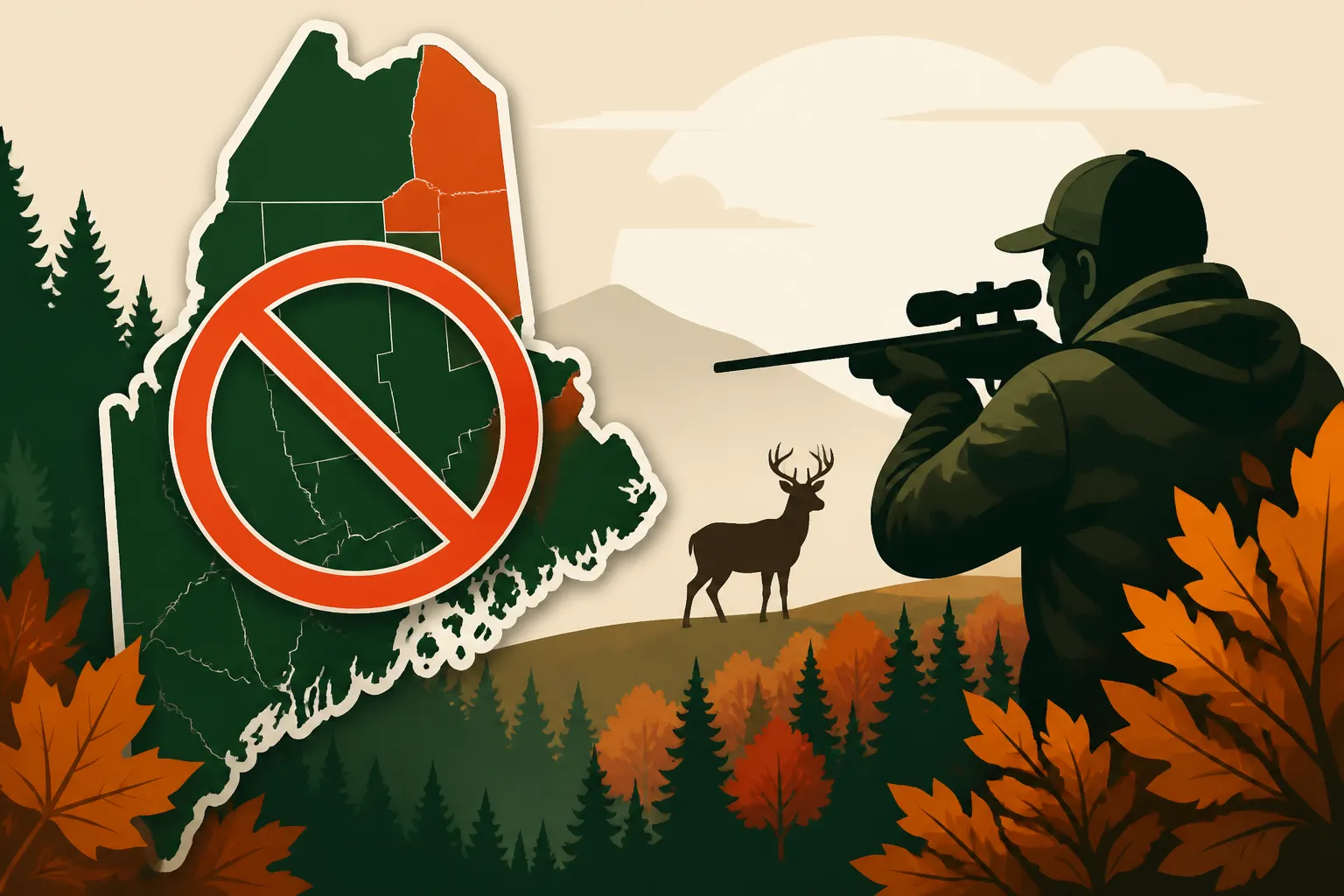
There's nothing quite like that feeling, the crisp autumn air hinting at deer season, or the anticipation of spring gobblers, when you've painstakingly scouted a piece of land, poured over maps, and mentally planned your approach. You arrive, full of excitement, only to be met with a "No Hunting" sign, a locked gate, or a sudden, unexpected closure. It's enough to deflate even the most seasoned hunter. This guide is here to walk you through the often-confusing landscape of in-season hunting area closures in Maine, helping you understand why they happen, what to look out for, and how to adapt your plans so you can spend more time hunting and less time scratching your head at a locked access road.
Understanding Why Hunting Areas Close in Maine
Maine is a state rich in tradition, and that includes our unique approach to land access. However, this doesn't mean every acre is open game, all the time. Understanding the various reasons areas might close is the first step to navigating these challenges. It’s not always about malice or keeping you out; often, it’s about safety, conservation, or property rights.
Landowner Rights and Posted Property
One of the most common reasons you'll encounter a closed hunting area, especially in the more populated parts of Maine, comes down to private property rights. Maine has a long-standing tradition of implied permission for recreational access to unposted private land, which is a fantastic gift from landowners. However, that implied permission can be revoked at any time by simply posting signs. Landowners might choose to post their land for a myriad of reasons: concerns about safety during hunting season, liability worries, personal preference, or even simply to manage access more directly.
It’s incredibly frustrating when your favorite woodlot suddenly sports new "No Trespassing" signs, especially if you've hunted it for years. This is why understanding What Posted Land Means in Maine is so crucial. A landowner doesn't need to give a specific reason; their right to control their property is paramount. Sometimes, it’s a temporary measure during a busy time, or a response to an incident, good or bad. Always remember that accessing private land, even if unposted, is a privilege, not a right.
Wildlife Management and Conservation Zones
Beyond private landowners, the state of Maine also implements closures and restrictions for wildlife management and conservation purposes. These aren't arbitrary decisions; they're based on scientific data and aimed at protecting vulnerable species or sensitive habitats. Think of it as putting certain areas off-limits for a while to give nature a chance to regroup.
For example, you might find seasonal closures around deer wintering areas, often referred to as "deer yards." These are critical habitats where deer seek refuge from deep snow and harsh winter conditions. Disturbing them during these times can be detrimental to their survival. Similarly, certain lands might be designated as bird sanctuaries or wildlife refuges, with specific regulations that may prohibit or severely restrict hunting. While it can feel limiting, these closures play a vital role in ensuring healthy populations for future hunting seasons.
Public Safety and Special Events
Public safety is always a top priority, and sometimes hunting access is restricted to prevent accidents or conflicts with other outdoor activities. This is particularly true near developed areas, hiking trails, or during special public events. Imagine a popular hiking trail that runs through a known deer habitat; during peak hiking season, hunting might be temporarily restricted or prohibited in that immediate vicinity to ensure everyone's safety.
Another scenario involves large-scale public events, like marathons, festivals, or even large logging operations that require heavy machinery and active work zones. These areas will often be temporarily closed to all recreational users, including hunters, for the duration of the event or operation. It’s not just about direct physical danger; it's also about minimizing disturbance and maintaining an orderly environment. While these closures are often temporary, they can still throw a wrench in your hunting plans if you're not aware of them.
Common Types of In-Season Closures You Might Encounter
Knowing why areas close is one thing, but recognizing the types of closures you might run into is just as important. Some are permanent, some temporary, and all require your attention and respect.
Temporary Logging Operations and Road Access Restrictions
Maine's landscape is dominated by working forests, and logging operations are a constant, vital part of our economy. What this means for hunters is that an area you hunted last year might be an active timber harvest site this year. Active logging roads, staging areas, and fresh cuts can all be subject to temporary closures. Loggers are operating heavy equipment, felling trees, and hauling massive loads, and it's simply not safe to have hunters wandering through.
You might find gates locked on private timber company lands, or signs indicating "Active Logging – No Entry." These closures can pop up quickly and last anywhere from a few weeks to several months, depending on the scale of the operation. Sometimes, you'll still be able to walk in past a closed gate, but often even foot traffic is prohibited due to safety concerns. Always pay attention to signage, and if you see active work, assume the area is closed for your safety and theirs. Remember that these companies are providing access for much of Maine's Private Land Access Tradition, and respecting their operational needs is key to maintaining that privilege.
Seasonal Wildlife Wintering Areas
As mentioned earlier, deer wintering areas are critical. These specific tracts of usually dense conifer cover offer thermal protection and reduced snow depths, making them essential for deer survival during Maine's harsh winters. During the late archery, muzzleloader, and especially post-season scouting periods, these areas are often officially closed or highly discouraged for human entry.
It's not just deer, either. Other wildlife species, from moose to furbearers, have critical seasonal habitats that may see restricted access to minimize disturbance. While these closures are sometimes explicitly marked, other times it's a matter of understanding local wildlife patterns and using common sense. A good rule of thumb is to avoid undue pressure on wildlife during the harshest times of the year.
Unexpected Closures: Fire Hazards and Other Emergencies
Sometimes, closures aren't planned months in advance but are the result of immediate threats. Wildfires, for instance, can lead to vast tracts of forest being closed to all public access, not just for hunting, but for any recreational use. This isn't just about the immediate danger of the fire; it's also about keeping people out of the way of firefighters and preventing new fires from starting.
Other emergencies might include significant storm damage that makes an area unsafe due to downed trees or washed-out roads. Occasionally, even a search and rescue operation for a lost hiker or hunter can result in temporary closures of an area to facilitate the search efforts. These are the "act of nature" or "act of public safety" closures that you simply can't predict, but you need to be aware of how to quickly find information on them.
How to Stay Informed About Potential Closures
Navigating potential closures might seem like a full-time job, but with the right tools and a little proactive effort, you can save yourself a lot of frustration and wasted time. Staying informed is key to a successful and respectful hunt in Maine.
Utilizing Digital Mapping Tools and Apps
In this modern age, technology is truly a hunter's best friend when it comes to understanding land access. Digital mapping apps have revolutionized how we scout and plan our hunts, and they are incredibly powerful for identifying public versus private land and, crucially, who owns what. Tools like onX Hunt and GoHunt have detailed parcel data that can show you exact property lines, landowner names, and often, even if a property has been historically posted. These apps are invaluable.
Before you even leave your driveway, you can use these apps to check the land status of your target area. While they won't always show temporary logging closures or emergency restrictions, they are excellent for identifying established private land boundaries. Many of these apps also include layers for public lands, such as Maine Wildlife Management Areas or Bureau of Public Lands tracts. Subscribing to such a service can literally save your hunt by revealing a closed private parcel you thought was open. It's a small investment for peace of mind and ethical hunting.
Checking Local Resources and Warden Service Updates
While apps are fantastic for property lines, the most up-to-date information on temporary or emergency closures often comes from local sources. The Maine Warden Service and the Maine Department of Inland Fisheries and Wildlife (MDIFW) websites are your primary official sources for broad-scale closures, like wildfire warnings or seasonal restrictions on deer yards. Before any significant hunt, especially in more remote areas, a quick check of the MDIFW news releases or official alerts is a wise move.
Beyond state agencies, local town offices, regional forest ranger stations, and even local sporting goods stores can be surprising founts of information. They often hear about localized logging operations, road washouts, or specific landowner concerns long before it makes it to a statewide bulletin. Building relationships with these local contacts, or simply making a phone call, can provide invaluable, on-the-ground intelligence that a map app simply can't offer.
Building Relationships with Landowners
This might seem old-fashioned, but in Maine, it’s still one of the most effective ways to avoid unpleasant surprises. If you're hunting private land, even if it's currently unposted, taking the time to Asking a Maine Landowner for Permission can make all the difference. Not only does it build good will and secure your access, but the landowner can also tell you about any upcoming plans for the property, such as logging, changes in posting status, or other activities that might affect your hunt.
A simple conversation can turn an uncertain hunting spot into a solid one, year after year. Landowners appreciate being asked and knowing who is on their property. This relationship is a two-way street; by demonstrating respect, leaving no trace, and even offering to help out with a small chore, you foster a connection that can lead to continued access and early warnings about potential closures. This personal touch is truly the gold standard for navigating access in Maine.
Navigating Closures and Adapting Your Hunt Plan
So, you've done your homework, checked your apps, and made your calls, but sometimes, a closure still pops up. It happens. The key is how you react and adapt.
The Frustration of a Suddenly Unavailable Spot
Let's be real, it's gut-wrenching when you pull up to your carefully chosen hunting spot, only to find a new "No Hunting" sign or a freshly locked gate. All that anticipation, all that planning, seemingly wasted. The frustration can be immense, especially if it's a prime location or a spot you've held dear for years. It feels personal, even when you know it's not.
It's okay to feel that disappointment. We've all been there. But dwelling on it won't get you a deer or a gobbler. Instead, channel that energy into pivoting. This is where your proactive research and backup plans come into play. It highlights why having multiple options, not just one "honey hole," is so important in Maine hunting. Even the best laid plans sometimes run into a barrier, and the ability to adapt is a hallmark of a truly resilient hunter.
Having Backup Plans and Scouting Alternatives
This is where preparation truly pays off. When you're scouting, don't just find one great spot; try to identify two or three viable options in different areas. Perhaps you have a go-to private parcel, but you also know a few solid public tracts in a nearby Maine Wildlife Management Areas or Bureau of Public Lands that you can pivot to.
Consider different types of terrain or cover, too. If your preferred hardwood ridge is suddenly logged, maybe you have a cedar swamp or a beaver flowage in mind as an alternative. Digital tools like onX Hunt or GoHunt can be invaluable for quickly identifying nearby public land or other unposted private parcels to explore. This allows you to quickly re-evaluate your options and get back to hunting, minimizing lost time and maximizing your chances. Scouting isn't just about finding good hunting spots; it's also about finding good backup hunting spots.
The Ethical Imperative: Respecting Boundaries and Regulations
Above all else, respecting closures and posted land is an absolute ethical imperative for every hunter. Ignoring "No Hunting" signs, cutting chains on gates, or otherwise trespassing not only carries legal penalties under Maine Trespass and Permission Law, but it also damages the reputation of all hunters. Every instance of disrespect makes it harder for everyone else to gain access, especially on private land.
When you encounter a closure, the correct response is always to turn around and find another spot. It's frustrating, yes, but it's part of being a responsible steward of our hunting heritage. Our continued access to land, especially private land, relies entirely on our collective respect for property owners and their decisions. Adhering to these rules, even when it’s inconvenient, is crucial for preserving hunting opportunities for generations to come.
Specific Areas and Their Unique Access Rules
Maine's diverse landscape means that different regions and types of land can have their own unique quirks and rules when it comes to hunting access. It pays to know these specific distinctions.
North Maine Woods Gates and Fee Zones
The vast, largely undeveloped timberlands of the North Maine Woods are an iconic part of Maine's hunting landscape, offering unparalleled opportunities for moose, bear, and deer. However, accessing much of this private industrial forest requires passing through a gate system and paying a day-use or multi-day fee. This isn't a traditional "closure" but rather a controlled access system designed to manage traffic, fund road maintenance, and ensure safety within a working forest.
Understanding The North Maine Woods Gate System is critical for planning a hunt in this region. Each gate can have different hours, and fees vary based on residency and length of stay. While the fees might seem like a barrier, they are what keeps these lands open to the public for recreational use. Always plan to check in at a checkpoint, pay your fees, and be aware of any specific rules they might have regarding active logging areas or other temporary restrictions within their management units. You'll often find specific information about Hunting a North Maine Woods Checkpoint Tract right at the gate.
State Parks and Wildlife Management Area Peculiarities
While Maine has a robust system of Maine Wildlife Management Areas (WMAs) designed specifically for wildlife conservation and public hunting, and some state parks also allow hunting, these areas often come with their own set of specific regulations and potential closures. WMAs are generally open to hunting according to statewide seasons, but they might have special rules regarding vehicle access, ATV use, or even specific hunting methods.
State parks are a bit more varied. Some allow hunting during designated seasons, often with specific quotas or zones, while others are entirely off-limits. It's imperative to check the specific regulations for any state park you intend to hunt, as they are not uniform across the board. These rules are usually clearly outlined on the Maine Bureau of Parks and Lands website or by contacting the individual park. Always assume a state park is closed to hunting unless you can confirm otherwise.
Federal Lands and Their Hunting Regulations
While Maine doesn't have the vast tracts of federal public land found in some Western states, we do have some federal holdings, such as parts of the Appalachian Trail corridor, national wildlife refuges, and national monuments. Hunting regulations on these lands can be particularly complex, as they often fall under both state and federal rules, and the federal rules can vary significantly from one agency to another.
For example, a National Wildlife Refuge might allow hunting for certain species during specific times, but prohibit it entirely in other areas or for other species. Some federal lands might have stricter rules regarding lead ammunition or dog use. It is absolutely essential to consult the specific federal agency managing the land (e.g., U.S. Fish and Wildlife Service, National Park Service, U.S. Forest Service) for their current regulations before planning a hunt on federal ground. Never assume that because it's public land, it's automatically open to all types of hunting.
Table: Common Closure Types and How to Check
| Closure Type | Primary Cause | How to Check | Key Action for Hunters |
|---|---|---|---|
| Posted Private Land | Landowner Rights | Digital mapping apps (onX Hunt, GoHunt), Physical signs | Respect signs; seek permission for alternative spots. |
| Active Logging/Timber Ops | Safety, Industrial Use | Local contacts, Timber company websites, Physical signs | Avoid active sites; look for alternative access points. |
| Deer Wintering Areas | Wildlife Conservation | MDIFW website, Local wardens, Wildlife maps | Avoid during late season/winter; scout alternative winter cover. |
| Wildfire/Emergency Closures | Public Safety, Natural Disaster | MDIFW website, Maine Forest Service, Local news | Monitor alerts; be ready to pivot your entire plan. |
| North Maine Woods Gates | Controlled Access, Fee-based | NMW website, Gate checkpoints | Plan for fees; be aware of changing gate hours/rules. |
| State Park/WMA Specifics | Local Regulations, Management | Maine Bureau of Parks and Lands, MDIFW websites | Confirm specific rules for each park/WMA before going. |
Maine offers incredible hunting opportunities, but successfully navigating the season means being prepared for various area closures. By understanding the why and how of these restrictions, leveraging modern tools, and most importantly, acting as a respectful and responsible hunter, you can minimize surprises and make the most of your time afield. Keep learning, keep adapting, and happy hunting!
Disclaimer
This article is for general informational purposes only and does not constitute professional advice. Laws, prices and regulations vary by location and change over time. Consult a qualified professional for guidance on your specific situation.