Churchill Dam Gate and the Middle Allagash
Venturing deep into Maine's vast wilderness for a hunt often feels like a puzzle, especially when navigating the specialized access points of the North Maine Woods. This guide cuts through the confusion, focusing specifically on the Churchill Dam Gate and how it unlocks the prime hunting opportunities within the remote and wild Middle Allagash Wilderness Waterway corridor.
Understanding the North Maine Woods Access System
Maine is unique in its vast expanse of private, yet often publicly accessible, timberland that defines much of its northern interior. This isn't your typical state forest or national park setup; it's a working forest, managed by a consortium of landowners known as the North Maine Woods (NMW). Many hunters, especially those new to the region or from out of state, often feel overwhelmed by the sheer scale and the seemingly complex system of gates and fees. It's a legitimate concern, as missteps can lead to wasted time, unexpected costs, or even getting lost in an area with limited cell service.
The Role of Gated Access and Checkpoints
Imagine an entire territory the size of a small state, crisscrossed with logging roads, but with a handful of guarded entry points. That's essentially the North Maine Woods. These gates, or checkpoints, serve several critical functions. Firstly, they help manage traffic flow, ensuring that the thousands of visitors each year, from hunters to paddlers to campers, are accounted for. This oversight is crucial for safety, especially in such a remote area where help can be hours away. Secondly, they act as revenue collection points, with fees going towards road maintenance, waste management, and emergency services that keep this immense private land open for public use. It's a necessary system that ensures access continues, even if it adds a layer of planning for your adventure.
These checkpoints aren't just toll booths; they're also information hubs. Gate attendants can provide crucial updates on road conditions, active logging operations, or even recent wildlife sightings, which can be invaluable for a successful hunt. They'll also ensure you have the correct permits and understand the rules of the road and the woods. It's worth spending a few extra minutes to chat with them. Remember, these folks are often locals with a deep understanding of the area, and their advice can be golden. If you're planning a trip into the depths, understanding The North Maine Woods Gate System is your first step.
Day-Use Fees and Permits
Accessing the North Maine Woods, including areas reachable via the Churchill Dam Gate, comes with a fee structure. These aren't just for profit; they directly contribute to the upkeep of thousands of miles of private roads, bridges, and campsites that would otherwise quickly deteriorate under public use. The fees typically vary based on whether you're a Maine resident or a nonresident, and whether you're just passing through for the day or planning an overnight stay. Hunters often find themselves needing multi-day permits, especially if they're settling into a remote camp.
It's easy to get frustrated by the thought of paying to access land that feels "wild," but consider it an investment in maintaining the unique hunting experience Maine offers. These fees support the infrastructure that allows you to drive deep into areas that would otherwise be inaccessible. You’ll need your basic hunting license, of course, but don't forget to budget for the NMW access fees on top of that. For current rates and detailed information, checking the North Maine Woods official resources or reading up on North Maine Woods Day-Use Fees before you go is always a smart move. Without these contributions, the incredible access we enjoy would simply not be sustainable.
The Churchill Dam Gate: Your Gateway to the Middle Allagash
For many intrepid hunters and wilderness enthusiasts looking to experience the true wild heart of Maine, the Churchill Dam Gate is more than just an entry point – it's the start of an epic journey. This particular gate opens up a significant portion of the North Maine Woods, leading directly into the famous Allagash Wilderness Waterway corridor, a place synonymous with remote adventure and untouched nature. However, getting there and navigating beyond the gate requires a bit of planning and the right mindset.
Location and Primary Access Point
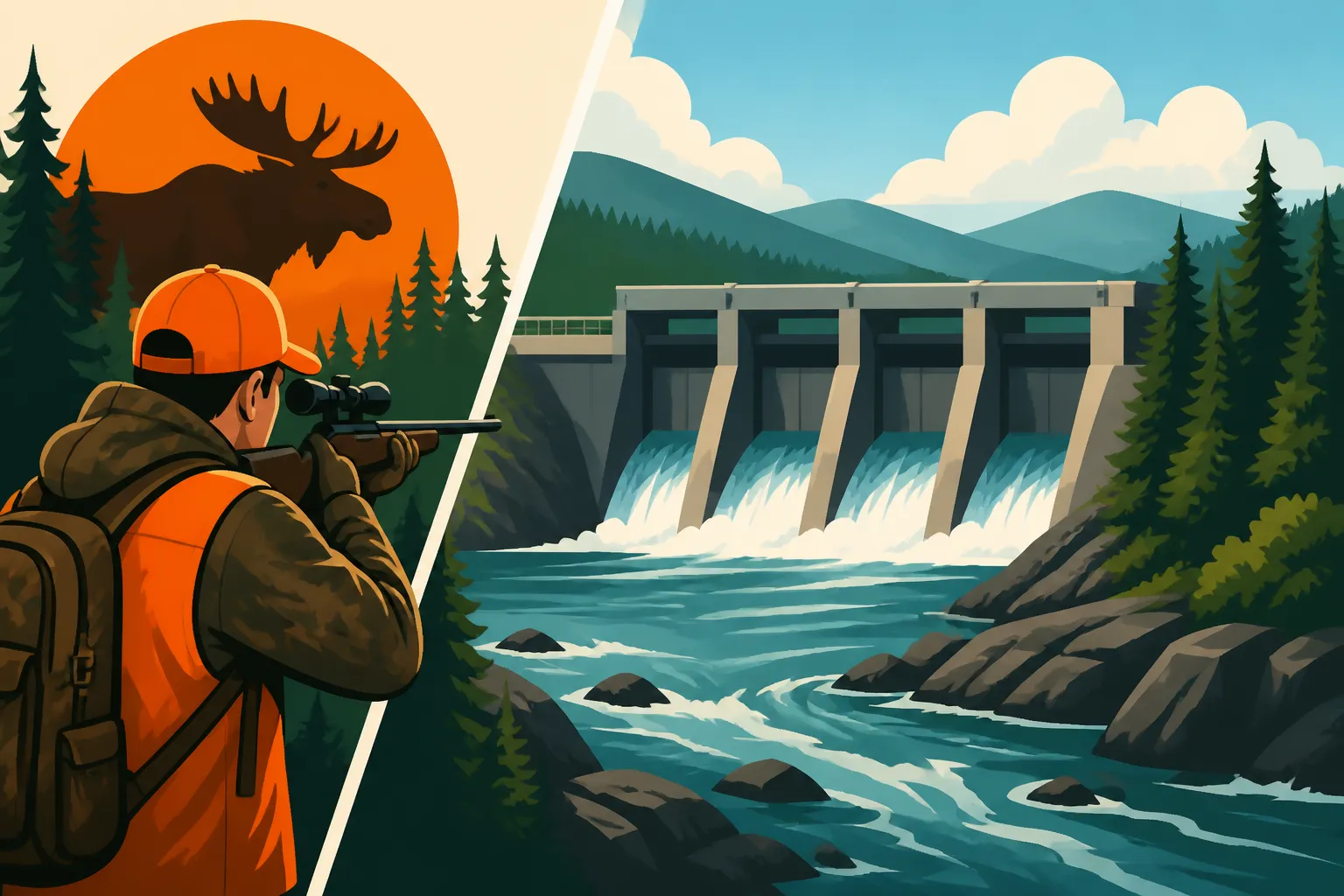
The Churchill Dam Gate is situated in a truly remote part of northern Maine, typically accessed by taking Route 159 north from Patten or Route 11 from Ashland, depending on your starting point. It’s not a quick jaunt from a major city. You're talking about hours of driving on paved roads that eventually give way to gravel and dirt, deep in the timber country. This gate is primarily known for providing direct access to the Middle Allagash, including the Churchill Lake and Umsaskis Lake regions, popular for those planning paddling trips or hunts deep in the spruce and fir forests that line the waterway. For a hunter, this means unlocking vast tracts of wilderness where white-tailed deer, moose, and bear roam largely undisturbed by common human traffic.
The area beyond Churchill Dam is vast, a true labyrinth of logging roads and trails. You'll find yourself quickly enveloped by dense forest, with the Allagash River as your geographical backbone. This gate is often the preferred choice for those aiming to hunt or explore the central portions of the Allagash Wilderness Waterway, avoiding the longer routes required to access it from other NMW gates further east or west. It's the kind of place where a good map and a reliable GPS, like what onX Hunt offers, become your best friends, guiding you through the maze of roads and helping you understand property boundaries in such a vast landscape.
Navigating the Drive and Road Conditions
Don't let the word "road" fool you too much once you're past the main paved highways. The roads within the North Maine Woods, especially those leading to and from the Churchill Dam Gate and further into the Allagash, are primarily active logging roads. This means they can be rough, rocky, dusty in dry weather, and muddy with significant potholes after rain. A high-clearance, four-wheel-drive vehicle is not just recommended; it's often essential, especially if you plan to venture onto any of the secondary, less-maintained tracks to access specific hunting coverts. Many a hunter has learned the hard way that a passenger car simply won't cut it on these remote routes.
Beyond the physical demands on your vehicle, there's the mental aspect of navigating these roads. Distances that look short on a map can take significantly longer to traverse due to conditions. Active logging operations mean you might encounter massive logging trucks, which always have the right-of-way and can stir up immense clouds of dust. Drive defensively, keep your lights on, and always yield to commercial vehicles. Planning your route meticulously, allowing ample time, and being prepared for potential tire issues or other vehicle troubles are paramount. Before embarking on your journey through this challenging but rewarding landscape, it's wise to review information about Camping Rules Inside North Maine Woods if you plan to stay overnight, which many hunters do.
Hunting the Middle Allagash Wilderness Waterway Corridor
The Allagash Wilderness Waterway is an iconic ribbon of lakes and rivers snaking through hundreds of thousands of acres of wild, undeveloped forests in northern Maine. While celebrated by paddlers, it also offers truly exceptional hunting opportunities for those willing to embrace its remoteness and rugged nature. Hunting within the Allagash corridor, particularly the middle section accessed via Churchill Dam, demands respect for the environment and a solid understanding of both general hunting regulations and specific waterway rules. It’s not a place for a casual stroll with a rifle; it's an immersive wilderness experience.
Game Species and Habitat
The Middle Allagash corridor boasts a robust population of Maine's premier big game species. White-tailed deer are present, though often at lower densities than in southern Maine, they tend to be larger-bodied, having to survive harsher winters. These deer thrive in the mixed conifer and hardwood stands, often retreating to dense cedar swamps for wintering yards when the snow piles up. Hunting here often means still-hunting through thick cover or setting up on old logging roads and beaver flowages, looking for tracks in the soft earth. The challenge is immense, but the reward of a truly wild northern Maine buck is unforgettable.
Moose, of course, are a significant draw to this region. The abundant water, mixed forest, and regenerated clear-cuts provide ideal moose habitat, particularly for bulls that can grow to impressive sizes. For those lucky enough to draw a permit, Moose Hunting Maine's North Woods offers an unparalleled experience. Black bears also flourish in these dense forests, with ample forage from berries and beechnuts (when available) to support a healthy population. Beyond big game, the Allagash corridor is prime territory for upland birds like Ruffed Grouse in Maine and American woodcock, especially along logging road edges and in alder thickets. The remoteness means less pressure, and often, more opportunities for an unhurried, traditional hunt.
Regulations and Restrictions Specific to the Waterway
Hunting in the Allagash Wilderness Waterway (AWW) is permitted, but it comes with specific regulations that differ from general North Maine Woods rules. The AWW itself is managed by the Maine Bureau of Parks and Lands, and while it's intertwined with the NMW system, it has its own set of guidelines to preserve its unique wilderness character. For example, certain areas might have restrictions on motorized vehicle use beyond designated access points, particularly close to the river and lakes. Camping, while allowed, often requires adherence to designated sites and strict "Leave No Trace" principles, which hunters are inherently good at.
It's crucial to consult the latest AWW regulations from the Maine Department of Inland Fisheries and Wildlife (MDIFW) or the Maine Bureau of Parks and Lands before your trip. You'll need your standard Maine Hunting Licenses and What They Cost, but also be aware of any specific permits for the waterway itself, though hunting licenses typically cover the hunting aspect. Understanding these nuances is critical to avoiding violations and ensuring a smooth, respectful hunt. The AWW is a treasure, and its continued accessibility for hunting depends on all users adhering to the rules that protect its wild character.
Practical Tips for a Successful Hunt in the Middle Allagash
Hunting in the Middle Allagash, accessed through the Churchill Dam Gate, is an experience that truly tests a hunter's preparation and self-reliance. This is deep wilderness, far from immediate assistance, and your success often hinges on meticulous planning and attention to detail. Don't underestimate the challenges, but embrace the rewards of an authentic North Woods adventure.
Essential Gear and Planning
When heading into the Middle Allagash, "essential" takes on a new meaning. Beyond your weapon and ammunition, robust navigation tools are paramount. While a physical map and compass are non-negotiable backups, digital mapping apps truly shine here. onX Hunt is a prime example, allowing you to download offline maps, mark waypoints for your stand locations, game trails, or even where you parked your vehicle in a vast sea of logging roads. Knowing property boundaries, even within the NMW system, is always a good idea. Another valuable resource for comprehensive trip planning, including detailed harvest data and species insights for specific areas, can be found through platforms like GoHunt. These tools can give you an edge in understanding the terrain and what to expect.
Communication is another critical piece of the puzzle. Cell service is virtually non-existent in much of the Allagash. A satellite messenger device or a satellite phone is not a luxury; it's a safety essential. This allows you to check in with family, call for help in an emergency, or get weather updates. Pack enough food, water, and emergency supplies for several days beyond your planned stay, and ensure your vehicle is in top mechanical condition, including a full-size spare tire and tools. This is not the place to skimp on preparation. If you're concerned about finding prime spots, consider reviewing resources like Scouting With the Maine Hunting App to pinpoint potential game-rich areas before you even arrive.
Respecting the Wilderness and Other Users
The Allagash Wilderness Waterway is a multi-use area. While you might be focused on your hunt, remember that paddlers, campers, and other outdoor enthusiasts also flock to this area for its pristine beauty. Practicing "Leave No Trace" principles is not just good etiquette; it's a fundamental responsibility. Pack out everything you pack in, and minimize your impact on the land. This means properly disposing of waste, respecting wildlife, and leaving natural features undisturbed.
Beyond environmental considerations, simply being courteous to other users goes a long way. Share the roads, be mindful of noise, especially around campsites, and recognize that everyone is out there to enjoy the wilderness in their own way. If you happen upon another hunter, a friendly nod or brief chat is fine, but respect their space. The Allagash is big enough for everyone, and fostering a spirit of mutual respect ensures that these incredible hunting grounds remain open and enjoyable for generations to come. Understanding Maine Trespass and Permission Law is also crucial, even on public access timberlands, to ensure you are always where you are allowed to be. For those seeking an elevated experience or who are less familiar with navigating such remote locales, considering Hiring a Registered Maine Guide can be an invaluable asset.
Disclaimer
This article is for general informational purposes only and does not constitute professional advice. Laws, prices and regulations vary by location and change over time. Consult a qualified professional for guidance on your specific situation.