Camping Along the Allagash Wilderness Waterway
Planning a hunting trip deep into Maine's vast wilderness often conjures images of remote logging roads, endless timber, and maybe a simple pop-up tent on a hidden knoll. But when you start dreaming about a hunt along the legendary Allagash Wilderness Waterway, you're not just thinking about a place to sleep; you're stepping into a unique system of regulations, opportunities, and an experience that blends paddling, camping, and hunting into one incredible adventure. This guide will walk you through the ins and outs of camping within the Allagash Wilderness Waterway, ensuring your base camp supports your hunting goals while respecting this iconic natural treasure.
Understanding the Allagash Wilderness Waterway for Your Camp
The Allagash Wilderness Waterway isn't just another stretch of river; it's a 92-mile ribbon of lakes, ponds, rivers, and streams, specifically designated for its natural and cultural significance. Managed by the Maine Department of Agriculture, Conservation and Forestry (DACF) Bureau of Parks and Lands, it offers a distinct set of rules and a profound sense of isolation that can be both exhilarating and a little daunting for first-time visitors, especially those looking to hunt. Establishing a camp here isn't like pulling off the side of a logging road; it requires forethought and adherence to specific guidelines designed to preserve its wild character.
The Unique Nature of the Allagash
Imagine a winding watercourse through vast, unbroken forest, dotted with islands and flanked by stands of spruce, fir, and hardwood. This is the Allagash. Unlike many other hunting areas in Maine, access to the immediate corridor is primarily by canoe, kayak, or small boat, with very limited road access at certain points. This water-centric approach means your camp must be either accessible by paddle or within reasonable portage distance from the shore. The terrain often dictates how far you can comfortably venture from the water, with dense cover making overland travel challenging. The hunting here is truly an immersive wilderness experience, demanding a different kind of planning for both your travel and your temporary home. It’s a place where you truly feel disconnected from the hustle and bustle, a perfect setting for a quiet hunt.
The Allagash corridor itself is a designated state park and waterway, but it’s surrounded by vast tracts of privately owned commercial forest land, primarily managed by timber companies, which together make up the larger North Maine Woods Gate System. Understanding this mosaic of land ownership is crucial. While you are in the Waterway, the immediate regulations apply. As you venture off the waterway, especially if you access from a remote logging road and paddle in, you might technically be crossing various land parcels. This distinction is vital for understanding permits, fees, and even where hunting is permitted, as general North Maine Woods rules often apply to the surrounding timberlands, while the Waterway itself has its own nuances.
Essential Permits and Fees for Entry
Before you even think about where to pitch your tent, you'll need to secure the necessary permits to enter and stay within the Allagash Wilderness Waterway. This isn't optional; wardens regularly patrol the Waterway, and they will check for compliance. The permits cover both your stay and often your entry into the North Maine Woods, which typically serves as the primary gateway to the Waterway itself. The fees contribute directly to the maintenance of the Waterway, including the campsites, portages, and warden patrols that keep it pristine and safe.
Typically, you'll need to register at one of the North Maine Woods checkpoints if you're driving in, and then you'll also pay a separate user fee for the Allagash Wilderness Waterway, often at the same time or through an online reservation system. These fees vary depending on whether you are a resident or non-resident, and how long you plan to stay. Always check the official Maine DACF website for the most current fee schedules and reservation procedures well in advance of your trip. Sometimes, even if you’re just passing through part of the Waterway, a fee might be required. It’s far better to be over-prepared and understand all the requirements than to arrive at a checkpoint and face an unexpected delay or, worse, be turned away.
Navigating the North Maine Woods Access
Accessing the Allagash Wilderness Waterway almost always involves traveling through the vast, privately owned timberlands known collectively as the North Maine Woods. This area is managed by a coalition of private landowners who charge gate fees for entry and use of their roads. These fees are separate from your Allagash Waterway camping permits, and they are crucial to remember in your budget and planning. The "gates" are literal checkpoints, usually staffed by friendly, knowledgeable individuals who will process your entry, collect fees, and provide maps and information.
You'll need to decide which access point best suits your hunting and paddling plans. For example, some hunters might choose to put in at Churchill Dam Gate for access to the upper reaches, while others might opt for more southerly points. The roads are primarily gravel logging roads, some well-maintained, others rougher, so a reliable vehicle, preferably with good clearance, is often a must. Consider how far you're willing to drive on these roads and how much time you want to spend paddling to your chosen hunting ground. It's a balance of effort and solitude. Tools like onX Layers for Maine Land Status or other GPS mapping apps can be invaluable for understanding the specific logging roads and property boundaries you'll encounter en route to your put-in.
Types of Camping Available and What to Expect
The Allagash Wilderness Waterway is famous for its hundreds of designated campsites, but the ability to truly find a "primitive" spot is more nuanced. Understanding the difference and what each entails for your hunting trip is key to a successful and compliant experience. Unlike some areas where you can literally just roll out a sleeping bag anywhere, the Allagash has a well-defined system that helps manage impact and preserves the wilderness for everyone.
Designated Campsites: Convenience and Regulations
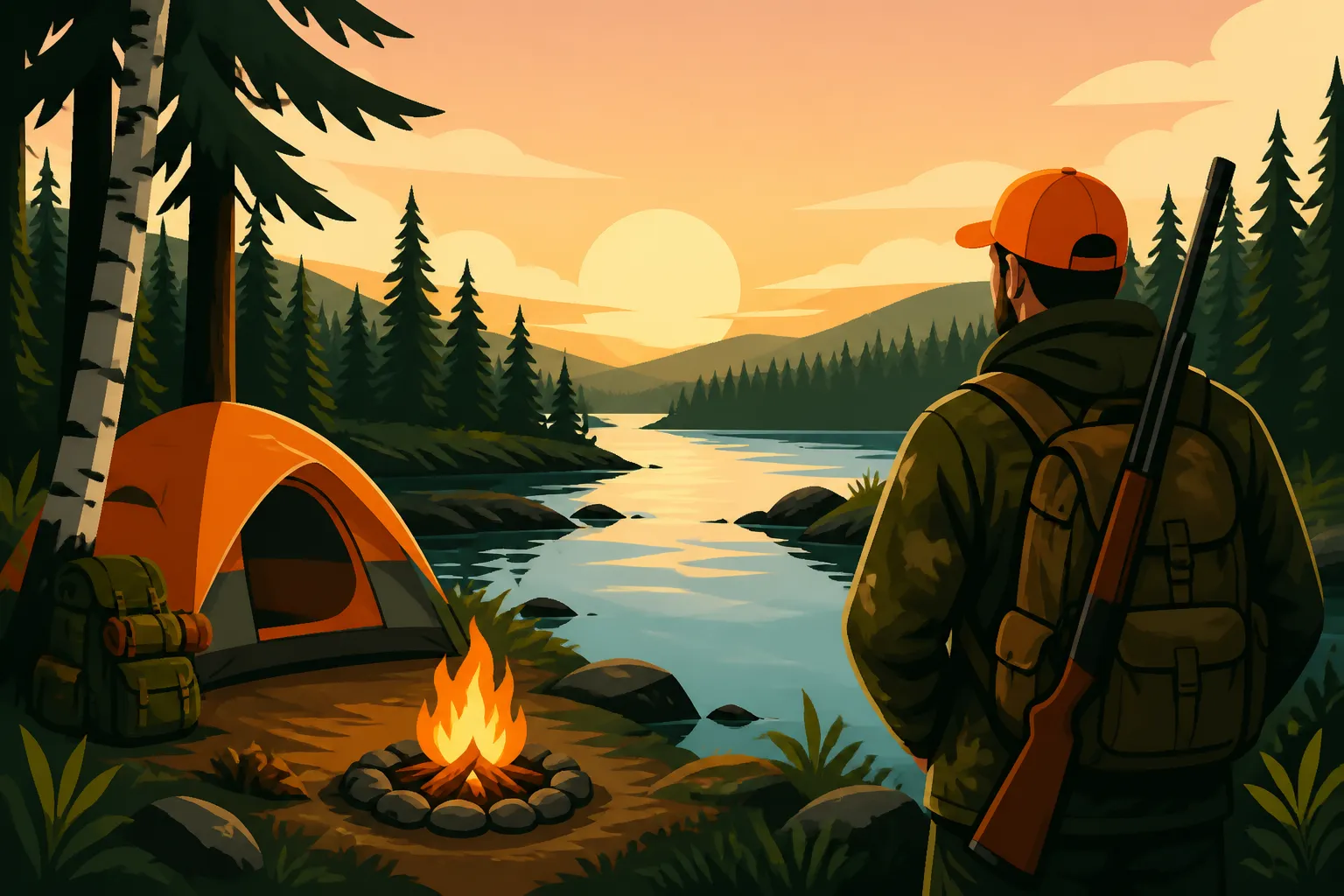
The majority of camping along the Allagash Wilderness Waterway occurs at one of the hundreds of designated campsites. These sites are typically spaced every few miles along the Waterway, clearly marked, and are designed to accommodate canoeists and kayakers. Each site usually includes a cleared tent area, a stone fire ring, and a pit toilet (often referred to as a "privy"). Some even have a rustic picnic table. These sites are generally first-come, first-served, so during peak paddling seasons, finding a vacant spot can sometimes be a challenge, though hunters often visit during quieter times.
For hunters, these designated sites offer a distinct advantage: convenience. You know exactly where you can legally camp, and you have access to a fire ring and a basic toilet facility, which simplifies logistics significantly. You can paddle right up to most of them, unload your gear, and quickly establish your base camp. However, there are also regulations to consider. You must use the established fire rings, pack out all trash, and respect the quiet nature of the Waterway. While the temptation might be to find the "perfect" hunting spot and set up camp right there, it's generally expected that you utilize these established sites within the Waterway corridor. This helps minimize human impact and concentrates usage, protecting the fragile ecosystem. The specific Camping Rules Inside North Maine Woods also apply to the Waterway, so it's always worth a quick review.
Primitive Camping: Finding Your Own Slice of Wilderness
The concept of "primitive camping" on the Allagash Wilderness Waterway requires clarification. While the Waterway is a wilderness area, the sheer number of designated sites and the management goals of the DACF mean that true, dispersed "primitive" camping in the sense of just pitching a tent anywhere is often discouraged or restricted to specific situations. The expectation is generally that campers will use the designated sites. However, if you are truly trying to get off the beaten path for a hunting trip, and you’re outside the immediate, heavily managed corridor or perhaps on adjacent Maine Public Reserved Land Explained that isn't part of the specific Waterway campsite system, there might be opportunities for more dispersed camping.
This often means you would need to be well away from the main Waterway channel and designated sites, adhering to "Leave No Trace" principles scrupulously. You would be responsible for carrying out all waste, burying human waste properly, and leaving no trace of your presence. This kind of camping demands a higher level of self-sufficiency and wilderness skills, as there are no facilities. It's crucial to consult with the North Maine Woods and DACF officials directly if you are contemplating this, to ensure you are compliant with all regulations. Violations of camping rules can lead to fines and spoil your hunting trip quickly. The intent of the Waterway is to preserve its pristine nature, and that often means funneling camping activity to designated locations.
Balancing Comfort and Portability for Your Hunt
When you're combining camping with hunting along the Allagash, you're constantly balancing the desire for comfort in camp with the need for portability and efficiency in the field. Unlike a drive-up camp where you can bring every luxury, an Allagash hunt requires you to paddle everything in. This means every item of gear, every pound of food, and every piece of clothing must be carefully considered. Heavy canvas tents might be wonderful for a stationary base camp, but they are a nightmare to portage or paddle long distances.
Think lightweight, durable, and multi-purpose. A comfortable sleeping pad and bag are non-negotiable for recovery after long days of hunting, but they need to compress small. Your cooking system should be simple and efficient, as you won't want to spend hours preparing meals after a long day in the woods. This balance extends to your hunting gear too. While you might bring a rangefinder, binoculars, and calls, you'll want to avoid unnecessary gadgets that just add weight and bulk to your canoe or backpack. For a truly immersive experience, and especially if you plan to Packing for a North Woods Moose Hunt or deer hunt that requires significant travel, every ounce counts.
| Camping Style | Primary Access | Facilities | Impact | Suitability for Hunters |
|---|---|---|---|---|
| Designated Site | Water (Canoe/Kayak) | Fire ring, privy, cleared tent pad | Low, concentrated | High, convenient base camp |
| Primitive/Dispersed | Water (Canoe/Kayak) / Foot (Adjacent land) | None | High if not done correctly | High if legal & skilled, requires more effort |
Gear, Logistics, and Leaving No Trace in the Waterway
A successful hunting trip on the Allagash Wilderness Waterway isn't just about finding game; it's about being self-sufficient, prepared for the elements, and deeply respectful of the environment. The remote nature of the Waterway means you can't just run to the store for forgotten items, and poor planning can quickly turn an adventure into a survival situation.
Packing for Remote Allagash Camping
Your packing list for an Allagash hunting-camping trip will be more extensive than a typical day hunt, but also more streamlined than a car camping trip. Think in terms of layers for clothing, as Maine weather can change rapidly, especially near water. Waterproof outer shells are essential, and insulating layers of wool or synthetic materials will keep you warm even if damp. Don't forget sturdy, waterproof boots for hunting in potentially wet terrain. For camp, consider a lightweight backpacking tent that can withstand wind and rain. A quality sleeping bag rated for colder temperatures than you expect is a wise investment, as nights can drop significantly, even in early fall.
Beyond the basics, you'll need cooking gear appropriate for campfires or a small backpacking stove, plenty of fuel, and enough non-perishable food for your entire trip, plus a few extra days' worth in case of unexpected delays. Navigation tools are crucial: waterproof maps, a compass, and a reliable GPS device or a smartphone app like onX Hunt. A first-aid kit, headlamps with extra batteries, fire starters, and cordage are also non-negotiables. And, of course, your rifle, bow, or muzzleloader, along with appropriate ammunition or arrows, securely cased for travel. Remember, everything you bring in, you must paddle out, including all packaging and trash.
Waterway-Specific Regulations for Campers
Beyond the general hunting regulations, the Allagash Wilderness Waterway has specific rules that campers must abide by. These are designed to maintain the integrity of the ecosystem and the experience for all users. For instance, open fires are only permitted in established fire rings at designated campsites, and you should always check for fire bans, especially during dry periods. Cutting live trees for firewood is strictly prohibited, so either gather dead and downed wood or bring your own. Most visitors bring a small hatchet or saw to process fallen timber.
Waste disposal is another critical area. All trash, food scraps, and anything else you pack in must be packed out. This includes leftover bait if you're fishing, and any spent casings from target practice or hunting. For human waste at designated sites, use the provided pit toilets. If you are truly in a primitive setting (and have confirmed it's legal), you must dig catholes at least 200 feet from water sources, trails, and campsites, and pack out all toilet paper. Respect for wildlife also extends to your camp: properly store all food and scented items to prevent attracting bears and other critters. This might involve bear-resistant containers or hanging food from trees, depending on your setup.
Practicing Low-Impact Hunting and Camping
The Allagash Wilderness Waterway is a place to connect with nature, and as hunters and campers, we have a responsibility to leave it as we found it, or better. This means embracing "Leave No Trace" principles in every aspect of your trip. When you're scouting for deer sign or Finding Sign in Big North Woods Timber, tread lightly. Avoid disturbing vegetation or creating new trails unnecessarily. If you're setting up a ground blind, use natural materials sparingly and dismantle it completely when you leave.
For your camp, aim for minimal impact. Avoid creating large, trampled areas, and once you depart, naturalize your site by scattering any disturbed leaves or soil. When processing game, ensure you're away from water sources and designated campsites. Bury gut piles or scatter them widely to speed decomposition and minimize impact on the immediate area. The goal is that a week after you’ve left, someone else would barely know you were there. This commitment to low impact not only preserves the environment but also enhances the wilderness experience for everyone who visits the Waterway.
Integrating Camping with Your Allagash Hunting Strategy
Camping on the Allagash Wilderness Waterway isn't just about having a place to sleep; it's an integral part of your hunting strategy. The remote nature of the Waterway and the game it holds requires a thoughtful approach to camp placement, logistics, and how your temporary home supports your days in the field.
Scouting and Camp Placement for Success
When hunting along the Allagash, your camp location can significantly influence your success. While designated campsites offer convenience, their locations might not always align perfectly with the best hunting grounds. This is where pre-trip scouting and careful map study become invaluable. Look for areas on the map, perhaps using Reading Aerial Photos for North Woods Deer, where the Waterway might narrow, creating funnels, or where tributaries enter, creating natural travel corridors. Look for changes in timber type or elevation that might concentrate deer or moose.
Consider setting up your base camp at a designated site that allows for easy boat access to multiple hunting areas within a reasonable paddle or walk. For example, if you find promising sign in a certain drainage, you might choose a campsite that's a short paddle away, allowing you to be in the woods at first light without an arduous journey. Evaluate wind direction relative to your approach to potential hunting areas from camp. The more strategically your camp is placed, the more time you can spend hunting effectively, rather than commuting. Remember that game movement is often associated with water, so being near beaver flowages or creek bottoms can be beneficial, perhaps Hunting a Beaver Pond for Early Season Deer.
Game Recovery and Camp Considerations
One of the most critical aspects of remote hunting is game recovery. If you're fortunate enough to harvest an animal, especially a deer or moose, the challenge of getting it back to camp and then out of the wilderness begins. This is where your camping setup and paddling strategy become crucial. Consider the size of your canoe or boat – can it safely transport a quartered deer, or even a smaller whole deer, along with your gear? Do you have a plan for processing the animal in the field? Knowing how to Field Dressing a Deer in Cold Weather is essential, and doing it quickly and efficiently will ensure the meat quality.
Having a robust set of game bags, a sharp knife, and even a small game cart (if portages are minimal and terrain allows) can make a world of difference. Your camp should be set up to handle meat care, especially in warmer early season conditions. This might mean having tarps, coolers (if you have means to keep ice or are near vehicle access for resupply), and a clean area to work. If you're in truly remote areas and anticipate a large animal, a plan for extra trips or a more robust hauling method, possibly involving multiple canoes or a larger boat, might be needed. Sometimes, the easiest way to retrieve an animal from a remote area, such as a Recovering a Deer From a Cedar Swamp, is by water, making your Allagash camp perfectly situated.
Maximizing Your Time on the Waterway
Hunting and camping along the Allagash Wilderness Waterway is a commitment, often requiring multiple days to fully appreciate and be successful. Maximizing your time means more than just spending long hours in the woods; it means efficient use of your camp, your travel, and your hunting strategy. Plan your meals to be quick and easy, allowing more time for morning and evening hunts. Pre-packed food can be a lifesaver.
Consider your daily routine: when will you be in the stand or still-hunting, and when will you be in camp? How will you use midday hours? Perhaps this is a good time for scouting new areas, checking trail cameras, or simply resting and recharging. Having a comfortable, organized camp means less time worrying about logistics and more time focusing on the hunt. Embrace the solitude and the unique challenges this special place presents. This isn't a quick hunt; it's an expedition, and your camp is your vital outpost in the Maine wilderness. Ensure you've also purchased all the necessary Maine Hunting Licenses and What They Cost before you even set foot (or paddle) in the Waterway.
Disclaimer
This article is for general informational purposes only and does not constitute professional advice. Laws, prices and regulations vary by location and change over time. Consult a qualified professional for guidance on your specific situation.