Which Maine State Parks Allow Hunting
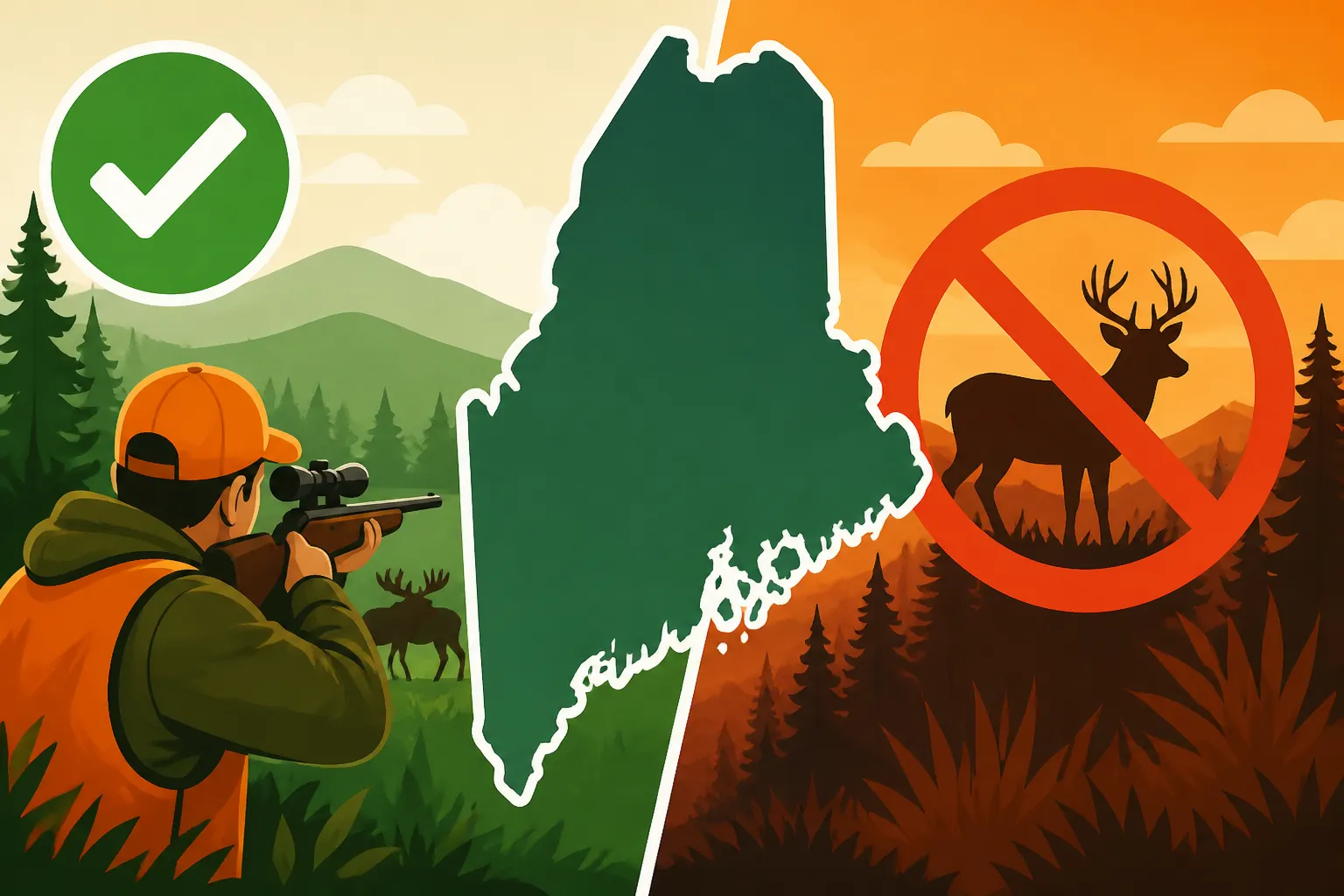
It's a common misconception among hunters, especially those new to the Pine Tree State or just passing through, that Maine's beautiful State Parks are entirely off-limits for hunting. You see those pristine forests, the scenic vistas, and the well-maintained trails, and it’s easy to assume they’re solely for hikers, picnickers, and leaf-peepers. But the truth is a bit more nuanced, and for the savvy hunter, some of these public lands do offer limited, unique opportunities to pursue game. This guide will walk you through the ins and outs of which Maine State Parks allow hunting and under what conditions, helping you navigate the regulations so you can safely and legally plan your next adventure.
Understanding Maine State Park Regulations for Hunting
Navigating the rules for hunting in Maine State Parks can feel a bit like trying to read a map printed in a fog. Unlike the vast tracts of the North Maine Woods Gate System or the more straightforward regulations governing Maine Wildlife Management Areas, state parks often have their own unique set of rules, which can vary from one park to another. This isn't a blanket "yes" or "no" situation; it's more of a "maybe, if…" scenario.
The General Rule: Restrictions and Prohibitions
First and foremost, it’s important to understand that the primary purpose of most Maine State Parks is recreation and conservation, often with a heavy emphasis on non-consumptive activities. This means that hunting, especially with firearms, is generally restricted or outright prohibited in many areas. You won't just wander into Bradbury Mountain State Park with your rifle during deer season and expect to be welcomed. These areas are typically high-use zones, with trails, picnic areas, and facilities that prioritize the safety and enjoyment of a diverse range of visitors. The Department of Agriculture, Conservation and Forestry (DACF), which oversees the State Parks, works closely with the Department of Inland Fisheries and Wildlife (MDIFW) to determine where and when hunting might be compatible with other park uses.
You'll often find signage clearly indicating if hunting is prohibited. Don't assume anything; always look for official guidance. Discharging firearms too close to roads, dwellings, or other developed areas is always a no-go, and state parks, by their nature, tend to have more of these features than remote public lands. Safety is paramount, and the dense public use in many park settings simply doesn't allow for the free-range hunting you might find elsewhere.
Special Permit and Archery-Only Zones
However, here's where it gets interesting for hunters. Recognizing the value of hunting for wildlife management and providing opportunities for sportsmen, some Maine State Parks do open certain sections or offer special permit hunts. These are almost always highly controlled and often limited to archery equipment due to the inherent safety advantages in areas with mixed recreational use.
Think of it this way: an arrow has a far shorter effective range and less risk of unintended trajectory than a bullet, making archery a more suitable method for designated hunting areas within parks that still see other users. These archery-only zones are often carefully delineated, sometimes encompassing larger, less developed sections of a park or specific land parcels that have been integrated into the park system. These special hunts are less about general access and more about targeted wildlife management, often for deer, in areas where populations might need reduction or where traditional hunting access is limited. You might find a limited number of Maine State Park Deer Quota Hunts offered, for example, designed to manage deer numbers in specific areas.
Which Maine State Parks Permit Hunting
So, which parks actually offer these elusive hunting opportunities? It’s not a long list, and the details are critical. It’s never a case of wide-open hunting, but rather specific, regulated access.
State Parks with Limited Hunting Opportunities
While the list can change, historically, certain larger or less developed state parks and public reserved lands managed by the Bureau of Parks and Lands have offered some form of hunting. It's crucial to check the most current regulations directly with MDIFW and DACF each season, as rules can be updated.
A prime example often cited is the Bigelow Preserve Public Reserved Land. While not strictly a "State Park" in the traditional sense, it's managed similarly and offers substantial hunting opportunities for various species, including deer, moose, and bear. Its vast size and remote nature make it more akin to general public land, but it falls under the purview of the Bureau of Parks and Lands.
Some other areas that have had special hunts or specific zones in the past might include sections of larger coastal parks or inland forest parks, often designated as archery-only for deer. These aren't common, though, and generally require deep dives into the official regulations. For instance, you might hear whispers of a permit hunt in a specific corner of Camden Hills State Park for deer, but this would be an exceptional, highly regulated event, not general hunting access.
It’s less about a general "hunting season" in most state parks and more about specific, often short-duration, regulated hunts designed for population control. Always consult the MDIFW hunting law book and the DACF Bureau of Parks and Lands website for the exact regulations pertaining to the specific park you are interested in. Relying on old information or hearsay could land you in hot water.
Distinguishing State Parks from Public Reserved Lands
It's really important to distinguish between "State Parks" and "Public Reserved Lands" in Maine. While both are public, they're managed with slightly different priorities, which impacts hunting access. State Parks, as mentioned, are often geared towards developed recreation and conservation, making widespread hunting difficult to reconcile with public safety.
Public Reserved Lands, on the other hand, are generally larger, less developed tracts managed for multiple uses, including timber harvesting, dispersed recreation, and often, extensive hunting. Areas like the Bigelow Preserve, the Machias River Corridor, or the Nahmakanta Public Reserved Land fall into this category. These lands are fantastic hunting grounds and represent a significant portion of Maine's public hunting access. So, if you're looking for public land hunting managed by the state, these Public Reserved Lands are often your best bet, offering opportunities for everything from Moose Hunting Maine's North Woods to Upland Bird and Small Game Hunting in Maine. Don't discount them just because they don't have "State Park" in their name; they often offer better hunting opportunities than a typical State Park.
Here’s a simplified table illustrating the general differences in hunting access:
| Type of Public Land | Primary Management Focus | General Hunting Access | Typical Restrictions |
|---|---|---|---|
| Maine State Parks | Developed Recreation, Conservation | Very Limited / Permit | Archery-only, specific zones, quota hunts, short seasons, extensive prohibitions. |
| Public Reserved Lands | Multiple Use (Timber, Recreation) | Moderate to Extensive | General hunting laws apply, some seasonal or equipment restrictions, but generally open. |
| Wildlife Management Areas | Wildlife Habitat, Hunting | Extensive | Specific WMA rules, sometimes restricted seasons or methods for certain species, but designed for hunting. |
This table should give you a clearer picture of where to focus your efforts when looking for state-managed hunting land in Maine.
Applying for Special Permit Hunts in State Parks
If a State Park does offer a hunting opportunity, it's almost certainly going to be through a special permit or quota system. This isn't just a matter of buying your Maine Hunting Licenses and What They Cost and heading out; it involves an additional application process.
The Application Process
When a State Park or a specific public reserved land unit announces a special hunting season, such as an archery-only deer hunt, there will be a limited number of permits available. These permits are typically allocated through a lottery system. The MDIFW website is your go-to resource for these announcements. You’ll need to keep a close eye on their "Permits and Applications" section, often starting in late summer or early fall, depending on the season.
The application usually involves:
- Checking Eligibility: Ensuring you meet all state hunting license requirements and any specific criteria for the park hunt (e.g., age, residency for some draws).
- Filling Out the Application: This is often done online through the MDIFW's licensing portal. You’ll select the specific park or unit you're applying for.
- Paying the Application Fee: There's usually a small, non-refundable fee for entering the lottery.
- Meeting Deadlines: These dates are strict. Miss the deadline, and you miss your chance for that year.
- Waiting for the Draw: Successful applicants are notified, often by email, and given instructions on how to claim their permit.
It’s not uncommon for these draws to have far more applicants than available permits, especially for popular areas or species. So, treat it like applying for a Maine Moose Lottery Application Process – enter, hope for the best, and have a backup plan.
Understanding Quotas and Restrictions
These special hunts come with very specific quotas and restrictions designed to control harvest levels and ensure public safety within the park environment.
- Species Specific: Almost always for deer, and often antlerless deer, to manage local populations.
- Method Specific: Almost exclusively archery equipment. In some very limited cases, muzzleloaders might be allowed, but never assume firearms. Maine Crossbow Season Eligibility rules will apply if you're planning to use a crossbow.
- Time Specific: Hunts are usually confined to a very narrow window, often a week or two, which may not align with the general state hunting seasons. This helps minimize conflict with other park users.
- Area Specific: You'll be given a map or precise coordinates for the exact areas within the park where hunting is permitted. Straying outside these boundaries, even a few yards, is a serious violation.
- Reporting Requirements: Successful hunters will almost certainly have enhanced reporting requirements beyond the standard Maine Deer Registration Requirements. This provides valuable data for park and wildlife managers.
These highly regulated hunts are not for the faint of heart or those who prefer casual hunting. They demand attention to detail, adherence to rules, and respect for the unique setting.
Essential Considerations for Hunting State Parks in Maine
If you’re fortunate enough to draw a permit for a State Park hunt, or if you plan to hunt the Public Reserved Lands that allow it, there are several key considerations to keep in mind to ensure a safe, successful, and legal experience.
Safety First: Shared Public Spaces
Remember, even in designated hunting areas within State Parks or Public Reserved Lands, you are sharing the space with other outdoor enthusiasts. Hikers, mountain bikers, birdwatchers, and dog walkers might be out there, often unaware that a hunt is in progress.
- Blaze Orange/Pink: Always adhere to Maine's Maine Blaze Orange Requirements. Even if it's archery season and not strictly required for archery by law in that specific spot, wearing blaze orange or blaze pink is a responsible choice when sharing the woods. It clearly identifies you as a hunter to others.
- Awareness: Be hyper-aware of your surroundings. Before you nock an arrow or shoulder your firearm (if permitted), confirm your target and what's beyond it. Never take a shot if there's any doubt about where your projectile will land.
- Communication: If you encounter other park users, a friendly nod or a brief "hello" can go a long way. Educate, don't confront. Most people are simply enjoying the outdoors.
- Ground Blinds vs. Treestands: In some areas, rules might restrict certain types of setups. For example, some parks might not allow permanent stands or damage to trees. Using a Ground Blind on Posted-Free Land might be a more versatile and less impactful option in these sensitive areas.
Your actions reflect on the entire hunting community. A positive, safety-conscious attitude helps foster good relations with non-hunters.
Scouting and Research
Success in these limited-access areas often comes down to meticulous scouting and research.
- Maps, Maps, Maps: Get detailed maps of the specific park or reserved land unit. Utilize digital tools like onX Hunt to identify boundaries, public access points, and potential cover or food sources. onX Hunt can be incredibly helpful for layering property lines and understanding exactly where your permit is valid and where it's not. It's a game-changer for avoiding unintentional trespass and making the most of your limited hunting area.
- On-the-Ground Scouting: Before the season, walk the area. Look for deer sign – Scrape Lines Along a Logging Road, rub lines, bedding areas, and travel corridors. Identify natural funnels and pinch points. Understand the terrain and how deer might move through it. What are the Late-Season Food Sources for Maine Whitetails if it's a late hunt?
- Regulations Deep Dive: Don't just skim the rules. Read every line of the permit conditions and park regulations. Double-check legal hunting hours, permitted equipment, and any specific harvest instructions. Consider resources like GoHunt for general information gathering, but always verify specific Maine State Park rules directly with MDIFW.
Respect for the Land and Leave No Trace
State Parks and Public Reserved Lands are treasured resources. As hunters, we have a responsibility to leave them better than we found them.
- Pack It In, Pack It Out: This is paramount. All trash, spent casings, food wrappers – everything you bring in, you must take out.
- Minimal Impact: Avoid damaging vegetation, cutting trees, or leaving behind permanent markers. If you're using a portable stand, ensure it's removed immediately after your hunt.
- Game Recovery: Understand the challenges of Recovering a Deer From a Cedar Swamp or other difficult terrain within the park. Have a plan for extracting your animal efficiently and cleanly. Respect park rules regarding vehicle access for game recovery; often, this will be limited to foot travel.
- Landowner Relations: While you’re on public land, remember that the "landowner" here is the State of Maine, representing all its citizens. Treat the land with the utmost respect. This also extends to any private land you might need to cross for access, though this should be avoided within official park boundaries. Getting Landowner Permission in Maine is essential if you step off public land.
Hunting in Maine State Parks or Public Reserved Lands can be a truly rewarding experience, offering a unique blend of challenging hunting within breathtaking natural settings. By understanding and respecting the specific rules, prioritizing safety, and preparing thoroughly, you can make the most of these special opportunities.
Disclaimer
This article is for general informational purposes only and does not constitute professional advice. Laws, prices and regulations vary by location and change over time. Consult a qualified professional for guidance on your specific situation.