Retrieving Game From Private Land in Maine
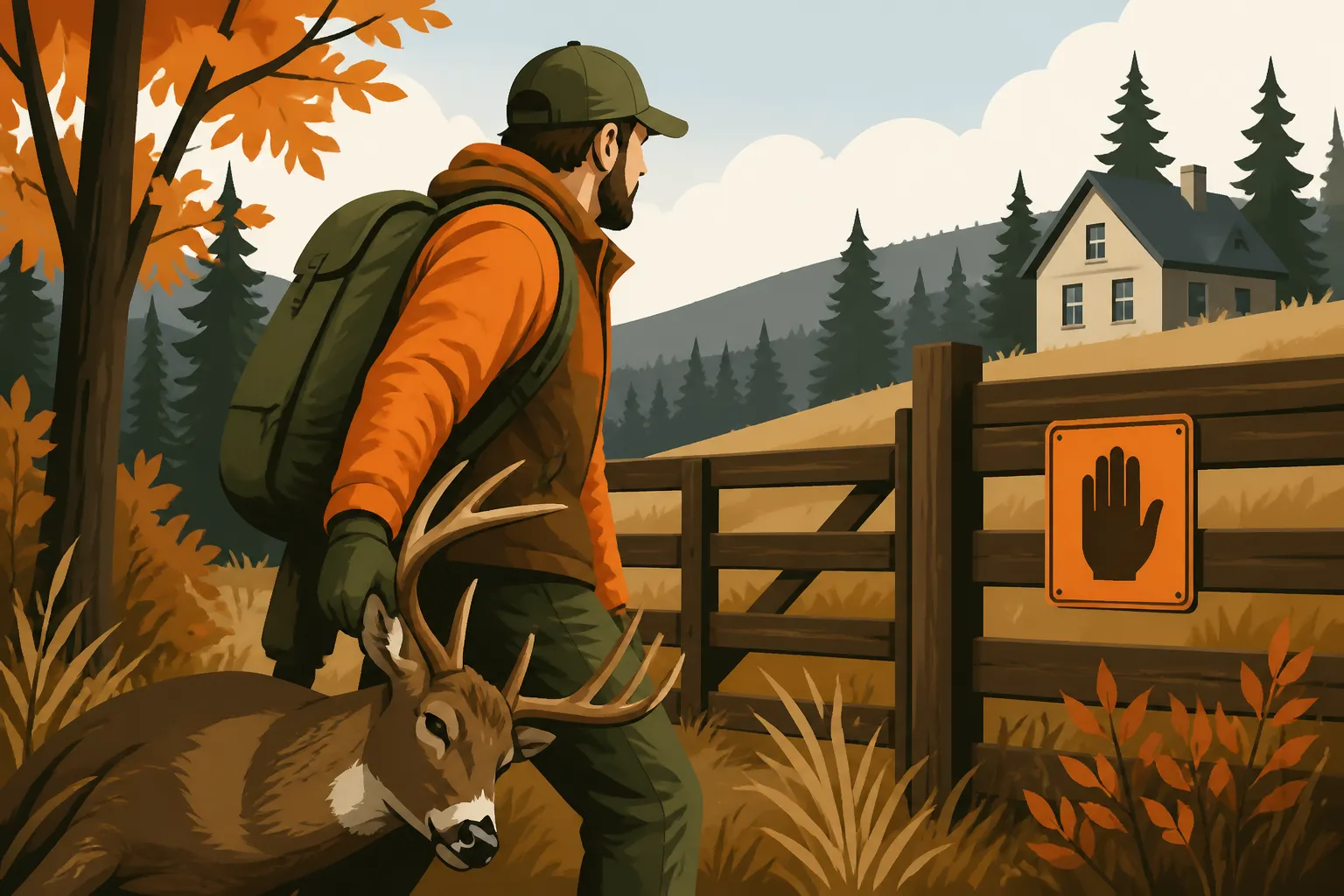
The moment you realize the deer you’ve shot has crossed a property line is enough to make any hunter's heart sink. It’s a frustrating, often agonizing situation, caught between the ethical imperative to recover your game and the very real legal boundaries of private land. This guide is here to walk you through the nuances of Maine's hunting laws and traditions, offering clear, actionable steps for how to ethically and legally retrieve game that has wandered onto someone else's property, all while respecting the rights of landowners.
Understanding Maine's Private Land Access Tradition and Trespass Law
Maine holds a unique place in the hunting world, largely thanks to its long-standing tradition of implied permission for land access. However, this tradition comes with critical stipulations, especially when dealing with retrieving game. Navigating these rules respectfully is paramount to a successful recovery and maintaining good relations within the hunting community.
The "Implied Permission" Tradition
In many states, every acre of private land is automatically considered off-limits unless specifically marked with signs granting permission. Maine, however, operates differently. Here, it's generally understood that you have "implied permission" to hunt, fish, trap, or even retrieve game on private land unless the landowner has clearly posted signs prohibiting such activity. This is a tremendous privilege that generations of Maine landowners have extended to hunters, fostering a strong outdoor heritage. It relies heavily on respect and responsible behavior from those who access the land.
This tradition doesn't grant carte blanche, though. It's a courtesy, not an absolute right, and it places the onus on the hunter to understand the local customs and laws. While you technically might not be trespassing by entering unposted land, knocking on a door and asking permission, especially if you know the animal you're trailing is on specific private property, is always the most respectful and safest course of action. It builds goodwill and prevents potential misunderstandings that could lead to negative consequences for all hunters down the line. It's about being a good neighbor, even if you're only visiting for the season. How Maine's Implied-Permission Tradition Works delves deeper into this often-misunderstood aspect of Maine hunting.
Defining "Posted" Land in Maine
The implied permission rule immediately changes when land is "posted." Maine law is quite specific about what constitutes legally posted land, and it’s critical for hunters to understand these requirements. Landowners wanting to prohibit access must conspicuously post signs or mark their property with certain colors of paint. These signs or markings need to be placed at all major access points, like roads or trails, and spaced at regular intervals, typically no more than 100 feet apart, along the property boundary. The signs should clearly state that access is prohibited without permission, or similar language.
If you encounter land marked in this way, consider it strictly off-limits. Entering posted land without explicit permission from the landowner or their agent is considered criminal trespass. This isn't just a slap on the wrist; it can lead to fines, loss of hunting privileges, and even confiscation of equipment. Never assume that just because you don't see a fence, the land isn't posted. Always keep an eye out for signs or paint when you're in the field. Understanding Maine Posted Land Rules is fundamental for any hunter operating in the state.
Legal Ramifications of Unlawful Entry
The consequences of trespassing on private land in Maine, whether posted or unposted (if the landowner later asks you to leave), can be severe. As mentioned, it's a criminal offense, not just a civil one. Violations can result in significant monetary fines, which can quickly add up. Beyond that, and perhaps more impactful for a hunter, is the potential for losing your hunting, fishing, and trapping licenses for a period of time. Imagine being sidelined for a season or more because of one poor decision.
Furthermore, any game harvested unlawfully, or any equipment used during an act of trespass, could be confiscated. This means losing your hard-earned buck and potentially your rifle or bow. The legal system in Maine takes landowner rights seriously, and wardens are empowered to enforce these laws. The best policy, always, is to err on the side of caution and respect. If you are unsure about a property line or whether land is posted, treat it as if it is posted and seek permission. There’s simply too much at stake to take chances. Maine Wildlife Violation Penalties can be quite steep, serving as a strong deterrent against unlawful activities.
What to Do When Game Crosses Property Lines
The moment your game animal vanishes over a fence line or into a patch of timber you suspect isn't yours, a rush of anxiety hits. Your primary ethical duty is to recover that animal, preventing waste and ensuring a humane end. But this duty must be balanced with legal compliance.
Immediate Actions After a Shot
After you've taken a shot and believe you've hit an animal, the first thing to do is remain calm and collected. Resist the urge to immediately charge after it. Take a mental note of the exact spot where the animal was standing when hit, its direction of travel, and where you last saw it disappear. Look for any visible signs of a hit, such as a flinch, a kick, or a sudden change in gait. Then, it's usually wise to wait. For deer, a typical wait time is anywhere from 30 minutes to an hour for a well-placed shot, and sometimes several hours for a gut shot, to allow the animal to bed down and expire.
While you're waiting, meticulously mark the shot site with something visible – flagging tape, your hat, or even a brightly colored water bottle. This precise marking is crucial for picking up the blood trail. During this time, take a moment to survey your surroundings, particularly looking for any signs of property boundaries or land postings. This initial assessment will inform your next steps. Jumping the gun can push a wounded animal further, making recovery even harder, and potentially across more property lines.
Identifying Property Boundaries
This is where preparation truly pays off. Before you even head out, having a solid understanding of property boundaries in your hunting area is invaluable. Modern technology has revolutionized this process. Tools like onX Hunt and GoHunt apps have become indispensable for Maine hunters. These applications allow you to overlay private land ownership information, parcel lines, and even landowner contact details onto detailed topographic maps and aerial imagery directly on your smartphone.
Before the season, or even before you enter a specific area, take the time to study these maps. Identify potential escape routes for game and note any neighboring properties, particularly those that are likely to be posted or have active residences. If you know the name of an adjoining landowner ahead of time, it makes the process of seeking permission much easier. These apps can be a lifesaver when you're deep in the woods and need to know exactly where you stand, or where your deer might be. They provide a precise understanding of Finding Maine Property Lines and can show you onX Layers for Maine Land Status in real time, saving you immense grief and preventing accidental trespass.
The Ethical Imperative vs. Legal Limits
Every ethical hunter feels a profound responsibility to recover any animal they wound. It's a fundamental tenet of fair chase and responsible hunting. Leaving an animal to suffer or go to waste is simply unacceptable. However, this strong ethical imperative does not override property laws. You cannot legally trespass onto posted private land without permission, even if you are absolutely certain your trophy buck is lying just beyond the boundary.
This creates a difficult moral dilemma, but the law is clear. Your ethical duty to recover the animal must be pursued within the confines of the law. This means that if the animal goes onto posted land, or land where you don't have implied permission and cannot confirm it's unposted, your first and only legal step is to seek permission. If permission is denied, or if you cannot make contact with the landowner, the situation becomes much more complicated and may require the involvement of a Maine Game Warden. Remember, the actions you take in these moments reflect on the entire hunting community, and upholding the law is crucial for preserving hunting privileges in Maine.
Practical Steps for Recovering Game on Private Land
Once you've determined your game has crossed onto private land, the clock starts ticking. Prompt and respectful action is key to a successful recovery.
Attempting Contact with Landowners
This is the most crucial step. If you suspect or confirm your game is on private land that isn't yours, you must attempt to contact the landowner for permission to retrieve it. Do not, under any circumstances, just cross the line.
Here’s a practical approach:
- Identify the Landowner: Use those mapping apps like onX Hunt or GoHunt, or consult town tax records, which are often public information, to find the landowner's name and contact details. Local neighbors might also know.
- Make Contact Respectfully: If possible, try to make contact in person. Go to their house, knock on the door, and introduce yourself. Explain the situation calmly and clearly. Be polite, apologetic for the inconvenience, and immediately offer to show them your license and tag. If an in-person visit isn't feasible, a phone call is the next best option. Avoid aggressive or demanding language.
- Explain the Situation: Clearly state that you shot an animal (specify species), you believe it's wounded, and it appears to have gone onto their property. Emphasize your ethical responsibility to recover it and your desire to do so legally and respectfully. Offer to show them the blood trail or last known location.
- Listen to Their Concerns: Landowners might have valid concerns about liability, safety, privacy, or previous negative experiences with hunters. Be prepared to listen patiently and address their concerns. Offer assurances that you will be careful, will stick to the trail, and will leave no trace.
- Be Prepared for "No": Despite your best efforts, a landowner has every right to deny you access, especially if their land is posted. While frustrating, you must respect their decision. Pushing the issue will only worsen the situation and could lead to legal trouble.
Making a good first impression and showing genuine respect can make all the difference. Asking a Maine Landowner for Permission can be intimidating, but it’s a vital skill for Maine hunters.
What to Offer and What to Expect
When asking for permission, sometimes a small gesture can go a long way. Offering to share some of the meat with the landowner is a common and often appreciated gesture, particularly if they enjoy wild game. Even if they decline, the offer shows your good faith and appreciation. You could also offer to help with a small chore, like closing a gate, or simply promise to be quick and unobtrusive. The key is to convey that you respect their property and are not trying to take advantage.
Expect a range of responses. Some landowners will be incredibly gracious and immediately grant permission, perhaps even offering to help. Others might be hesitant, requiring more convincing or specific assurances. And some, especially those who have had bad experiences or who simply value their privacy, will say no. Remember, their land is their sanctuary, and they are not obligated to grant you access, even for a wounded animal. If they do grant permission, ensure you understand any specific conditions they might have, such as sticking to a certain path, not driving vehicles, or limiting the number of people with you. It's also wise to inquire if Do You Need Written Permission in Maine? for their property, though for a quick recovery, verbal permission is usually sufficient.
Involving Law Enforcement (Wardens)
If you've exhausted all reasonable attempts to contact the landowner, or if permission has been denied and you firmly believe the animal is recoverable and you know its general location, your next step should be to contact the Maine Warden Service. Do not call 911 unless it's an absolute emergency. Instead, look up the non-emergency dispatch number for the Maine Warden Service.
When you call, calmly explain the entire situation: when and where you shot the animal, where you believe it went, your efforts to contact the landowner, and the outcome of those efforts. The Game Warden has the authority to intervene and, in certain situations, may be able to contact the landowner themselves or even accompany you onto the property to assist with the retrieval. They act as neutral third parties and can often mediate situations that might otherwise escalate. However, they will also uphold the law. If the landowner remains steadfast in their refusal, the warden may not be able to force access, but they can certainly guide you on the legal options available, or confirm that you've done everything you can ethically and legally. They are there to enforce wildlife laws and protect resources, and avoiding waste is part of that mission.
Building Relationships and Preventing Future Issues
The best way to handle game crossing property lines is to prevent the problem before it even starts. Proactive measures and building good relationships with landowners can make a world of difference.
Proactive Scouting and Permission
The most effective strategy is to secure permission before the hunting season begins. If you plan to hunt near known private property boundaries, take the time in the off-season to scout the area and identify landowners. A polite knock on the door in the spring or summer, long before hunting pressure starts, can be incredibly effective. Explain your intentions for the upcoming season, share a little about yourself, and ask if they'd be comfortable with you hunting, or at least having permission to track a wounded animal onto their property.
This proactive approach builds trust and rapport. Many landowners appreciate being asked beforehand and are more likely to grant permission to a known, respectful individual than a stranger in blaze orange showing up with a wounded animal. This is also the time to clarify any specific rules or areas where they prefer you not hunt. A handshake and a conversation in July can save you a world of stress in November. For more advice on this, check out Scouting Maine Private Land Before Season.
Respectful Behavior and Good Stewardship
The tradition of implied permission in Maine exists because, historically, hunters and other outdoor enthusiasts have shown respect for private property. Every hunter has a responsibility to uphold this tradition. This means leaving no trace, packing out everything you pack in, and perhaps even picking up a bit of trash you find. If you open a gate, close it. If you cross a field, stick to the edges to avoid damaging crops. Do not disturb livestock or residences. Keep noise to a minimum.
These aren't just polite suggestions; they are fundamental tenets of good stewardship. A single negative encounter can ruin access for many others in the future. Landowners talk to each other, and a reputation for carelessness or disrespect can quickly spread. Conversely, a reputation for being considerate and respectful can open up new opportunities. Being a good steward not only makes retrieving game easier but also helps preserve the hunting heritage for future generations.
The Long-Term Benefits
The effort you put into building and maintaining positive landowner relationships extends far beyond the immediate goal of recovering a wounded animal. A trusted relationship with a landowner can grant you access to prime hunting ground year after year. It might mean getting a call when a nuisance beaver needs trapping, or being offered permission to Hunting a Standing Apple Orchard when the deer are hitting it hard. These connections are invaluable in a state where private land access is so abundant.
Moreover, every positive interaction reinforces the image of hunters as responsible, ethical conservationists. It helps counter negative stereotypes and ensures that Maine's implied permission tradition, which is increasingly rare in other parts of the country, continues to thrive. Think of every interaction not just as a one-off request, but as an investment in the future of hunting access for everyone.
Here's a quick summary of typical actions when game crosses property lines:
| Scenario | Land Status | Recommended Action | Legal Implication |
|---|---|---|---|
| Wounded game on property | Unposted Private | Attempt direct contact with landowner. | Generally permissible to retrieve if unposted, but contact is best. |
| Wounded game on property | Clearly Posted Private | ABSOLUTELY contact landowner immediately. | Trespass if you enter without permission. |
| Wounded game on property, landowner contact failed/denied | Posted or Unposted Private | Contact Maine Warden Service for assistance. | Do not enter without explicit permission or Warden's mediation. |
| Game found dead on private property | Posted or Unposted Private | Contact landowner or Warden immediately. Do not move. | Taking animal without permission is theft/poaching. |
| Proactive planning near boundaries | Any Private | Scout, identify landowners, ask for permission before season. | Builds goodwill, prevents issues. |
Disclaimer
This article is for general informational purposes only and does not constitute professional advice. Laws, prices and regulations vary by location and change over time. Consult a qualified professional for guidance on your specific situation.