Best Public Ground for Northern Maine Deer
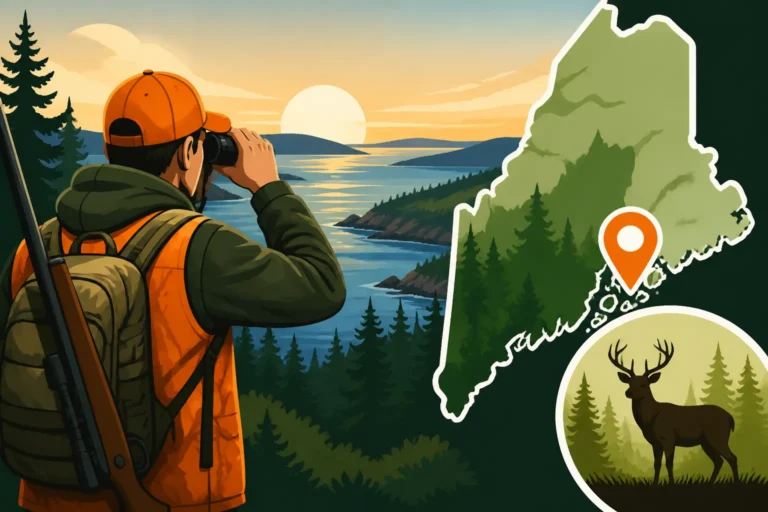
Northern Maine's vast, often bewildering landscape can make finding consistent deer sign feel like searching for a needle in a haystack, especially if you're new to its immense public lands. Hunters often feel overwhelmed by the sheer scale, the checkerboard land ownership, and the ever-changing timber operations. This guide will help you decipher this wild country, focusing on where and how to locate the best public ground for white-tailed deer in the remote northern reaches of our beautiful state.
Understanding Northern Maine's Unique Deer Hunting Landscape
Hunting deer in Northern Maine isn't quite like hunting anywhere else in the state, or even much of the Northeast. The scale is immense, the forests stretch for hundreds of miles, and the deer population itself has a different dynamic than what you might find in the more settled southern and central regions. It requires a distinct mindset, a solid understanding of the terrain, and an appreciation for what makes these deer tick in such a wild environment.
The Vastness of Industrial Timberlands and Public Access
When you hear "Northern Maine," think endless forests. Much of this land is owned by large timber companies, and here's the amazing part: most of it is open to public recreation, including hunting. This tradition of implied public access to private timberlands is truly special and something we Mainers cherish. However, "open to the public" doesn't mean "easy to access" or "easy to hunt." These lands are actively managed, meaning you'll encounter everything from fresh clear-cuts to mature timber stands, and a constantly changing network of logging roads.
The challenge here isn't a lack of land, it's the sheer amount of land and finding the right kind of land within it. Deer movement and density are directly tied to these timber operations and the natural cycles of the forest. Understanding where recent cuts provide new browse, or where mature timber offers critical cover, is paramount. This vastness can be intimidating, leading to frustration for hunters who aren't prepared to put in the effort to truly understand the landscape they're stepping into.
The Role of Deer Wintering Yards and Critical Habitat
In Northern Maine, deer face brutal winters. Deep snow and frigid temperatures are a real threat to their survival, and that's where Deer Wintering Yards (DWYs), often called "cedar swamps" or "deer yards," become absolutely critical. These are typically dense stands of conifers, like cedar, spruce, and fir, that provide thermal cover, breaking the wind and insulating deer from the cold. They also offer some limited browse that can be crucial when snow depths are extreme. Reading a North Woods Deer Yard is an essential skill up here.
These DWYs aren't just a place for deer to survive winter; they're also major hubs of activity before and after the worst of the cold. Deer will travel significant distances to reach these areas in late fall, and they'll slowly disperse from them as spring approaches. Knowing how to identify these areas on a map, and then how to approach them once you're on the ground, can be the key to finding deer in the late season, or even understanding their travel corridors earlier in the year as they move towards these sanctuaries. You'll find sign around the edges of these yards for sure. How Deep Snow Affects Maine Deer Survival is something every northern hunter learns to appreciate.
How Northern Deer Differ from Southern Maine Deer
If you've hunted in Southern Maine, you might be surprised by the differences you find up north. Generally speaking, deer densities are lower in Northern Maine. The habitat can be less fragmented, and the deer often have larger home ranges. They're also typically wilder, less accustomed to human presence, and harder to pattern. The big timber and deep snows of winter tend to keep their numbers in check, leading to a smaller, tougher herd.
This means your tactics need to adapt. You're less likely to sit over a clover plot and more likely to be still-hunting miles of logging roads or clear-cut edges. The bucks you find might not be as heavy as their southern counterparts, but they'll be hard-earned, intelligent animals. Understanding Northern Maine Deer Density is key to managing expectations and focusing your efforts on higher-probability areas. Don't expect to see dozens of deer in a day; often, finding just a few fresh tracks is a victory.
Key Public Land Areas and Their Characteristics for Deer
Northern Maine offers a variety of public access lands, each with its own quirks, benefits, and challenges. Knowing the difference between them will help you plan your hunt more effectively and ensure you're following the right rules.
The North Maine Woods System
The North Maine Woods is perhaps the most iconic "public" land experience in Northern Maine, though it operates a bit differently than traditional public land. It's a vast area, primarily owned by large timber companies, but managed cooperatively to provide public access for a fee. You enter through a gate system, pay a day-use or multi-day fee, and then you have access to hundreds of thousands of acres of working forest. The North Maine Woods Gate System can feel a bit daunting at first, but it's well worth understanding.
Characteristics for Deer Hunting:
- Vastness: Unparalleled acreage. You can literally hunt for days without seeing another human if you get far enough off the main roads.
- Logging Roads: An extensive network of private logging roads provides access, but also means careful planning is needed to avoid getting lost or stranded. Many of these roads are not maintained for passenger vehicles, so a truck is often essential.
- Habitat Diversity: Constant logging ensures a mix of forest stages, from fresh clear-cuts offering prime browse to regenerating stands for cover, and pockets of mature timber, including crucial cedar swamps. This dynamic habitat is excellent for deer, but you need to constantly scout for new activity. Hunting a North Maine Woods Checkpoint Tract can be a great way to start.
- Fees & Rules: Be aware of the fees (often payable by cash or check at the gates) and specific regulations for camping, vehicle use, and fire. Remember, it's private land with public access, so respect for the resource and the owners is paramount.
Public Reserved Lands
Maine's Public Reserved Lands are state-owned tracts managed for multiple uses, including recreation, timber harvesting, and wildlife habitat. Scattered throughout Northern Maine, these lands are truly public and typically don't require access fees like the North Maine Woods. They vary in size, from small parcels to massive tracts like the Bigelow Preserve or the Machias River Corridor. While some of the largest are further south, significant, huntable parcels exist in the north.
Characteristics for Deer Hunting:
- Diverse Management: These lands are managed by the Bureau of Parks and Lands, and management plans can vary. Some areas might have active timber operations, creating good deer habitat, while others might be more focused on preserving older growth or specific ecological features.
- Easier Access (Often): Generally, access is simpler, with fewer gates or fees. You can often drive right in or hike from designated parking areas.
- Mixed Habitat: You'll find a blend of forest types, wetlands, and sometimes small clearings. Look for areas adjacent to private timberlands where deer might move between different land uses.
- Less Pressure (Usually): While still hunted, some Public Reserved Lands may see less overall pressure than the readily accessible portions of the North Maine Woods, especially if you're willing to walk a bit.
State Wildlife Management Areas (WMAs) in the North
Maine's Wildlife Management Areas are tracts of land specifically purchased and managed by the Maine Department of Inland Fisheries and Wildlife (MDIFW) for wildlife conservation and public recreation. While many WMAs are in central and southern Maine, a few significant ones exist further north, such as portions of the Vernon S. Walker WMA near Ashland, or the Mattawamkeag River WMA.
Characteristics for Deer Hunting:
- Habitat Focus: WMAs are designed to optimize wildlife habitat, often leading to excellent conditions for deer. This can include targeted timber management, food plots (less common in the deep north, but possible), and preservation of critical features like wetlands and DWYs.
- Designated Access: They typically have designated parking areas and trail systems, making access relatively straightforward.
- Higher Deer Density (Potentially): Due to active habitat management, some WMAs might support higher deer densities than surrounding unmanaged timberlands.
- Specific Regulations: Always check WMA-specific regulations. While generally open to hunting, there might be unique rules regarding vehicle use, camping, or specific hunting methods within certain zones. These are often highlighted on the MDIFW website.
Strategies for Locating and Hunting Northern Maine Public Deer Ground
Finding the best public ground for Northern Maine deer isn't about getting lucky; it's about smart scouting, leveraging modern tools, and adapting your hunting style to the vast, wild landscape.
Leveraging Mapping Tools for Smart Scouting
In Northern Maine, a good mapping tool isn't just a convenience; it's an absolute necessity. The days of relying solely on paper maps are fading, especially when navigating constantly changing logging roads and property boundaries. Tools like onX Hunt and GoHunt have revolutionized how we scout and navigate these big woods.
How to Use Them:
- Identify Land Ownership: These apps use GPS and satellite imagery to show property lines. This is crucial for distinguishing private timberland (with implied access) from genuinely restricted private parcels, or identifying Public Reserved Lands and WMAs. Look for areas where different land types converge, as deer often travel these "edges."
- Locate Logging Roads: The satellite imagery will show current and old logging roads, often long before official maps catch up. Use these to plan your access points and identify potential travel corridors for deer. Pay attention to gates and access restrictions, which can be noted on the apps.
- Pinpoint Habitat Features: Look for clear-cuts, especially those 3-10 years old that are growing in with dense saplings and browse. Identify mature timber stands that might offer cover, and critically, search for those tell-tale dense, dark green patches that indicate a cedar swamp or deer yard. Reading Aerial Photos for North Woods Deer is a skill you'll develop quickly.
- Mark Waypoints: Drop pins on potential stand sites, fresh sign, old rubs, and most importantly, your truck! Getting turned around in these vast woods is easier than you think.
Before you even step foot in the woods, spend hours poring over these maps. Look for funnels, pinch points, and areas where habitat types change abruptly. A good mapping app can save you countless wasted steps and put you in deer country faster.
Scouting and Reading the Landscape on the Ground
While digital scouting is powerful, nothing replaces boots on the ground. Once you've identified promising areas on your map, it's time to verify your theories and find fresh sign.
What to Look For:
- Fresh Tracks: Especially after a rain or light snow, fresh deer tracks along logging roads, skid trails, and creek bottoms are the ultimate indicator of recent activity. Follow them into the cover, but don't blow out a potential bedding area.
- Browse Lines: In areas with heavy deer use, you'll often see a distinct browse line where deer have eaten all accessible vegetation. This is particularly noticeable in cedar swamps where they've nipped off cedar tips.
- Rub Lines and Scrapes: While rubs and scrapes are less common and less intense in the big woods compared to agricultural areas, they do exist. Look for them along established travel corridors, especially where bucks might be scent-checking does. Finding Sign in Big North Woods Timber can be tough, but it's there.
- Fresh Clear-Cuts: Focus on the edges of clear-cuts that are a few years old. The regrowth offers excellent food and cover. Deer often skirt these edges, entering the cut to feed during low-light hours and retreating to the security of thicker timber during the day.
- Water Sources: Even though Maine has plenty of water, specific springs or small streams in dry areas can be attractants.
- Travel Corridors: Look for natural funnels like saddles between ridges, narrow strips of timber between swamps, or game trails paralleling old logging roads.
Remember, Northern Maine deer move. Don't expect them to be in the same spot day after day. Focus on areas that offer a combination of food, cover, and water, and be prepared to move with them.
Adapting Tactics for Big Woods Deer
Hunting Northern Maine deer requires patience, stealth, and a willingness to cover ground. These aren't agricultural deer, and they won't necessarily respond to typical farm-country tactics.
Effective Hunting Styles:
- Still-Hunting: This is perhaps the most effective method in the big woods. Move slowly, taking one or two steps, then stopping to scan and listen for several minutes. Use your binoculars constantly. Focus on picking apart cover and looking for horizontal lines (a deer's back) in a vertical world (trees). Work into the wind, covering ground slowly and deliberately.
- Long Watches on Key Features: Find a vantage point overlooking a large clear-cut, a timbered bench along a ridge, or the edge of a suspected deer yard. Sit for extended periods, especially during morning and evening. Use your optics to pick apart distant cover. This requires patience and often involves sitting in colder temperatures than you might be used to. Consider a comfortable ground blind, especially if you plan to sit for hours.
- Hunting the Edges: Deer often hug the edges of different habitat types. Hunt the transition zones between clear-cuts and mature timber, or where a cedar swamp meets hardwood ridges. These edges offer both food and security.
- Tracking in Snow: If you get fresh snow, Tracking a Deer in Fresh Maine Snow becomes an incredibly effective, albeit challenging, way to hunt. Follow fresh tracks, paying close attention to changes in gait or direction that indicate a deer might be slowing down or looking back. This is a true test of woodsmanship.
- Calling (Limited): While rattling and grunting are less effective in the vastness of Northern Maine compared to higher-density areas, they can still work, especially during the rut. Use calls sparingly and subtly, particularly when still-hunting. Rattling Volume in Thick Spruce Cover needs to be considered.
Success in Northern Maine often comes down to persistence and the ability to adapt. The deer are there, but they demand a different kind of hunting effort. They challenge you to slow down, pay attention to the details, and embrace the wildness of their home.
Maine Public Land Hunting Considerations
When planning your hunt, remember that while access to timber company land is largely open, always be respectful. Leave no trace, pack out what you pack in, and close any gates you open. Utilize the resources provided by the Maine Department of Inland Fisheries and Wildlife (MDIFW) for updated regulations and WMA information. They are an invaluable source for understanding specific season dates, bag limits, and any localized restrictions that might apply to the area you plan to hunt.
| Public Land Type | Primary Access/Ownership | Fees | Habitat Characteristics | Deer Hunting Focus |
|---|---|---|---|---|
| North Maine Woods | Timber Companies | Yes | Dynamic, actively logged (clear-cuts, mature timber, DWYs) | Vast still-hunting, glassing cuts, tracking in snow |
| Public Reserved Lands | State of Maine | No | Varied (forests, wetlands, some timber harvest) | Scouting for diverse habitat, less pressure in remote spots |
| State WMAs (Northern) | MDIFW | No | Managed for wildlife (habitat improvements, DWYs) | Higher potential density, concentrated efforts, specific rules |
Choosing the "best" public ground for Northern Maine deer is a personal journey that depends on your hunting style, your willingness to explore, and your dedication to understanding this unique ecosystem. But with the right tools, knowledge, and a spirit of adventure, you'll find plenty of opportunities to connect with the wild heart of Maine.
Disclaimer
This article is for general informational purposes only and does not constitute professional advice. Laws, prices and regulations vary by location and change over time. Consult a qualified professional for guidance on your specific situation.