Hunting a Beaver Dam Crossing
There’s nothing quite like the feeling of finding that perfect deer sign, especially when it’s in a spot others might overlook. If you’ve ever felt frustrated by crowded hunting grounds or elusive whitetails, remember that some of the best opportunities lie in unexpected places. This guide is all about honing in on one such overlooked gem: the beaver dam crossing, and how to effectively hunt these natural funnels for Maine deer.
Why Beaver Dam Crossings Are Deer Magnets in Maine
You might be thinking, "A beaver dam? Really?" But trust me, these seemingly humble structures are often superhighways for deer in the Maine woods. They offer a unique combination of travel efficiency, cover, and food that makes them irresistible to whitetails.
Understanding Deer Movement Along Waterways
Deer, like most wildlife, are creatures of habit and efficiency. They're constantly looking for the path of least resistance, especially when navigating dense terrain or crossing natural barriers. In Maine, with our countless brooks, streams, rivers, and bogs, water often presents a significant obstacle. Deer will naturally follow the edges of these waterways, skirting around open water or marshy areas. They instinctively seek out places where crossing is easiest, safest, and provides the most concealment. A beaver flowage, while seemingly impassable, often creates a distinct edge that funnels movement, and the dam itself becomes the most logical bridge.
Think about it from a deer's perspective. Would you rather plunge into an icy stream, push through thick, boggy mud, or take a few quick steps across a solid, if a bit lumpy, beaver dam? The choice is clear. They're not just looking for a way across; they're looking for the best way across. These crossings become ingrained travel routes, often used year after year, especially when deer are pressured elsewhere.
The Natural Funnel Effect of a Crossing
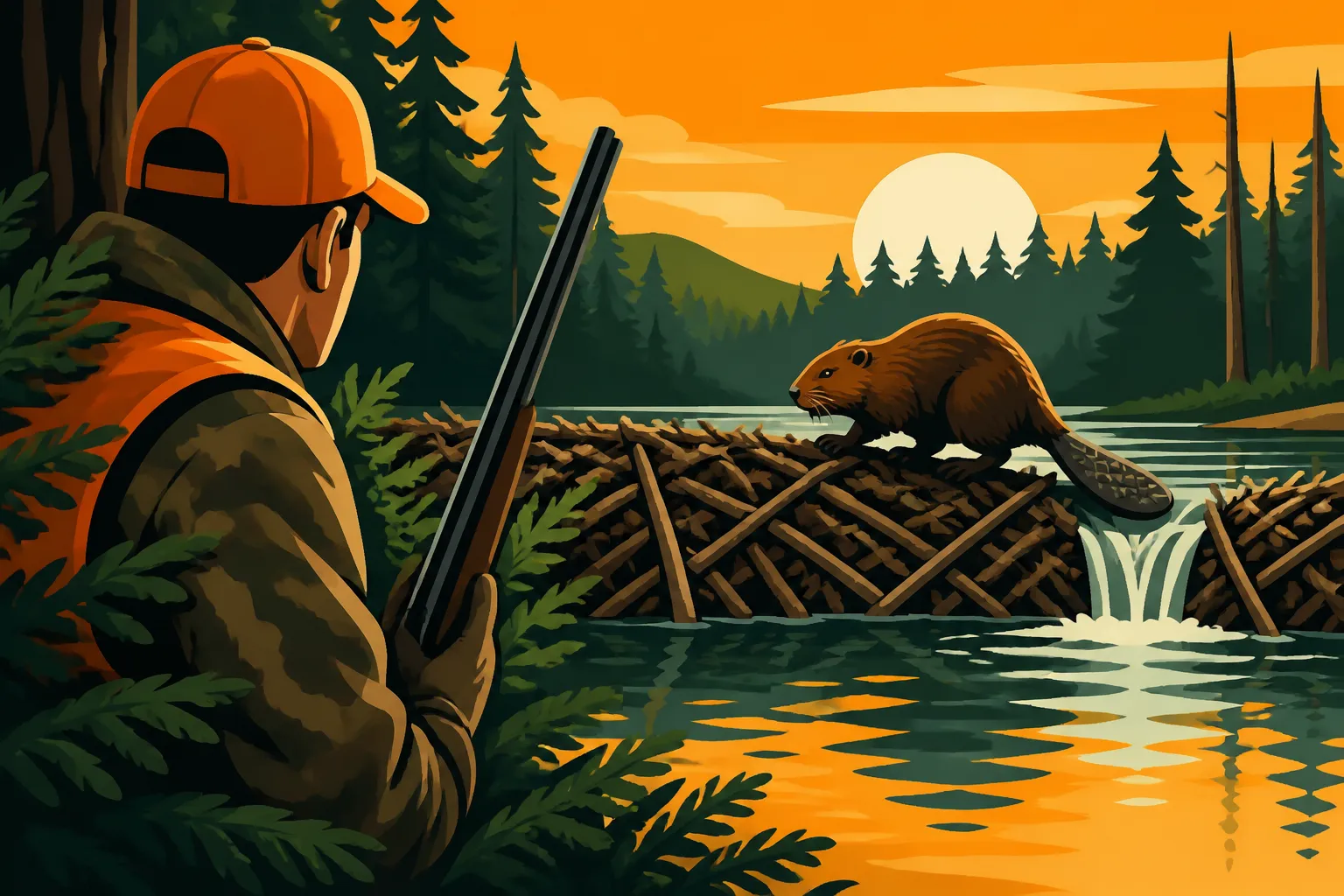
A beaver dam crossing acts as a natural bottleneck in the landscape, concentrating deer movement in a way that hunters dream about. Imagine a wide, sprawling wetland or flowage. Deer will skirt its edges, but eventually, they need to get to the other side for bedding, feeding, or escaping pressure. That’s where the dam comes in. It provides the only elevated, relatively dry, and usually consistent path across.
This funnel effect is incredibly powerful. Instead of trying to pattern deer in a huge tract of timber, you’re looking at a specific, narrow choke point. You'll often find multiple tracks of all sizes, showing regular use. Bucks checking does during the rut, does leading fawns to new feeding areas, or simply deer transitioning between wintering yards and summer range will often use these dams. The more sign you see, the more confident you can be that this spot is a consistent travel corridor. When you're Hunting a Funnel Between Two Woodlots, a beaver dam provides a similar, if more natural, concentrating effect.
Food and Cover Near Water Sources
It’s not just about the crossing itself; it’s about the entire ecosystem a beaver flowage creates. The constant flooding and reflooding from beaver activity leads to a dynamic, ever-changing habitat that often produces a wealth of browse and excellent cover. Alders, willows, and young aspens thrive in these moist conditions, providing abundant food sources for deer, especially during the fall.
Beyond food, the dense, often impenetrable thickets of softwoods and brush that line these flowages offer prime bedding cover. Deer feel safe in these tangled areas, knowing that predators, including human hunters, will have a tough time navigating them quietly. A beaver dam, therefore, isn't just a crossing point; it's often a central hub within a productive micro-habitat, where deer can eat, rest, and travel with a sense of security. Looking for Late-Season Food Sources for Maine Whitetails is key, and the browse around a beaver flowage often fits the bill.
Scouting the Perfect Beaver Dam Crossing
Finding a beaver dam is one thing, but identifying the perfect crossing and understanding how deer use it requires careful scouting, both from your armchair and with boots on the ground.
Reading the Sign: Tracks, Rubs, and Scrapes
Once you've identified a potential beaver dam crossing, it’s time to get up close and personal. Walk the dam itself and the approaches on both sides. Look for fresh deer tracks. Are they consistently using one side of the dam more than the other? Are there multiple sets of tracks, indicating frequent use? Pay attention to the size of the tracks – bigger, rounder tracks can indicate a mature buck.
Beyond tracks, scout the nearby trees and brush. Are there fresh rubs on saplings, where bucks have scraped their antlers? Look for scrapes in the dirt, often with an overhanging branch, where bucks communicate their presence. The freshest sign will tell you if the crossing is currently active and which direction deer are typically coming from and going to. Understanding Scrape Lines Along a Logging Road can help you apply similar observational skills to these dam crossings. The more pronounced and fresh the sign, the higher your chances of success.
Using Topo Maps and Aerial Imagery for Pre-Season Scouting
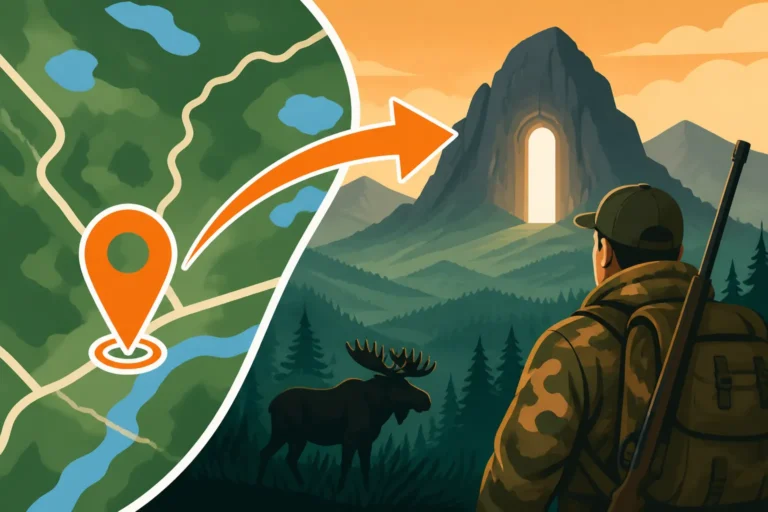
Before you even step foot in the woods, the best scouting begins at home with maps and aerial photos. Tools like onX Hunt or GoHunt are absolute game-changers for this. You can zoom in on topo maps to identify low-lying areas, stream drainages, and areas where water might pool up. Then, switch to aerial imagery to pinpoint actual beaver flowages and, critically, the dams themselves.
Look for dams that connect two distinct types of habitat – maybe a bedding area in a dense spruce stand on one side and a feeding area in hardwoods or an old apple orchard on the other. You’re looking for those natural travel corridors that lead right to the dam. Mark these potential crossings as waypoints on your app. This virtual legwork saves you countless hours of walking and helps you prioritize which areas to scout on foot, ensuring you're targeting high-potential spots rather than just wandering aimlessly. Using these apps to Reading Aerial Photos for North Woods Deer can save you countless hours.
Checking Wind and Thermals Around Water
Understanding wind is paramount in deer hunting, and beaver flowages add another layer of complexity. Low-lying, wet areas, especially those surrounded by dense cover, can create unpredictable thermal drafts. As the ground heats up in the morning, thermals will typically rise, carrying your scent upwards. As the air cools in the evening, thermals fall, pulling your scent downhill and across the water.
However, the presence of a large body of water can sometimes create its own microclimates and air currents. Before heading out, pay close attention to the forecast, but also be prepared to observe actual air movement on site. Carry a wind indicator. Ideally, you want to set up so that your scent is blowing away from the expected travel path of the deer, or over the water in a direction that won't spook them. Misjudging the wind near a beaver dam crossing can quickly blow your hunt. Learning about Wind and Thermals in Maine Hill Country is a crucial skill that applies directly to these watery areas.
Strategic Setup and Hunting Tactics
Once you’ve done your scouting, it’s time to put a plan into action. Setting up correctly around a beaver dam crossing is crucial for success.
Choosing Your Stand or Blind Location
Selecting the right location for your stand or blind is paramount. You want to be close enough for a clean shot, but far enough away to remain undetected. Look for mature trees along the edge of the flowage or dam approach that offer good cover and a clear view of the crossing. If you’re hunting with a tree stand, ensure your entry and exit routes are concealed.
If suitable trees are scarce, a ground blind can be incredibly effective. Consider using natural cover like blowdowns, dense brush, or even large rocks to Brushing In a Blind on a Field Edge near the dam. Pay careful attention to the background behind your position, making sure you don't silhouette yourself. Remember, deer will be focused on safely crossing, but their senses are always on high alert. You might also find good opportunities in a low-impact Using a Ground Blind on Posted-Free Land adjacent to a crossing if you have permission.
Entry and Exit Routes Without Spooking Deer
This is where many hunts go wrong. A perfect setup means nothing if you spook deer on your way in or out. Plan your entry and exit routes meticulously. Can you approach using a thick fencerow, a deep ditch, or a dense stand of pines that shields your movement and scent? If the water on either side of the dam is shallow enough and you can move quietly, sometimes walking in the water itself can mask your scent and sound, particularly in colder weather or during early season when the water isn't too frigid.
Always try to approach from downwind, circling wide to get into your stand or blind without crossing any potential deer trails leading to the dam. Your exit should be just as careful; you never want to educate deer by carelessly crashing out of the woods after your hunt, especially if you plan to hunt that spot multiple times.
Patience and Persistence: When to Hunt a Crossing
Hunting a beaver dam crossing often requires a healthy dose of patience. These aren't always high-traffic routes every hour of the day. Deer will typically use them during low-light hours – dawn and dusk – or when moving between bedding and feeding areas. During the rut, however, bucks might cross more frequently as they search for does, making it a prime location for rattling or grunt calling.
Early season can be productive if food sources are nearby, and late season can see increased activity as deer conserve energy and focus on the most efficient travel. Pay attention to weather patterns, too. Deer often move more actively just before a cold front or after a light rain has quieted the woods. Be prepared for long sits, remain still, and be ready for a quick shot opportunity when that deer finally steps onto the dam. Understanding Hunting Into the December Muzzleloader Close often involves knowing where deer are moving efficiently.
What to Do After the Shot
Success! You’ve made a good shot. Now the real work begins, and a beaver dam crossing presents its own unique challenges for recovery.
Tracking a Deer Across Water or Wet Ground
Tracking a deer in Maine's varied terrain can be tough, but adding water and wet ground to the mix ups the ante considerably. If the deer crosses the dam after the shot, or falls in the water, tracking becomes an even more methodical process. Look for traditional blood sign, but also for disturbed mud, broken vegetation, and even bubbles in the water if the deer entered a deeper section. A lung-shot deer might blow bubbles from its nose or mouth.
Mark your last known blood or sign frequently. If the blood trail peters out, expand your search in concentric circles, looking for any clue. Consider the deer's likely path – they'll often head for the thickest cover or the easiest path of escape, which might mean following the edge of the flowage. If you’re Blood Trailing After Dark in Maine, consider bringing in more help and a good light source.
Recovery Challenges and Safety Considerations
Recovering a deer from a beaver flowage or nearby wetland can be physically demanding and potentially dangerous. The ground can be soft, unstable, and treacherous. Be aware of deep water, submerged logs, and sharp sticks. Always let someone know where you are hunting and where you intend to track.
Consider bringing extra rope, a quality headlamp, and appropriate footwear that can handle wet conditions. If you need to enter the water, assess the depth and current carefully. Hypothermia can be a real risk in colder temperatures if you get wet. Having a partner is invaluable for safely recovering a deer from these challenging spots. Don’t rush the recovery; safety should always be your top priority. Dragging a deer from a Recovering a Deer From a Cedar Swamp or a beaver flowage shares many similar challenges.
| Scouting Method | Pros | Cons | Best For |
|---|---|---|---|
| Virtual (e.g., onX Hunt, GoHunt) | Efficient, covers vast areas, identifies potential funnels, shows terrain | Doesn't show fresh sign, no real-time animal activity | Initial identification of hotspots, planning ground reconnaissance |
| Boots-on-the-Ground | Confirms fresh sign, observes actual animal behavior, reveals subtle terrain features | Time-consuming, weather-dependent, can disturb area if not careful | Verifying virtual findings, finding specific stand locations, understanding current deer patterns |
Disclaimer
This article is for general informational purposes only and does not constitute professional advice. Laws, prices and regulations vary by location and change over time. Consult a qualified professional for guidance on your specific situation.