Maine Posted Land Rules
One of the most common sources of confusion and frustration for hunters in Maine, especially those new to the state or even seasoned Mainers exploring new areas, revolves around private land access. We're known for our tradition of implied permission, but when land gets "posted," everything changes, and understanding those rules is absolutely critical to a safe, legal, and respectful hunt. This guide will walk you through exactly what Maine's posted land rules mean for you, how to identify such land, and how to navigate it respectfully.
What "Posted Land" Actually Means in Maine
Maine has a long-standing tradition of "implied permission" when it comes to private land. This means that, traditionally, if a landowner hadn't explicitly forbidden entry, you were generally assumed to have permission to hunt, fish, or trap on their property. It's a beautiful concept rooted in a different era, fostering a strong connection between the land and those who use it. However, this tradition has limitations and is directly overridden by posted land.
The Legal Definition of Posted Land
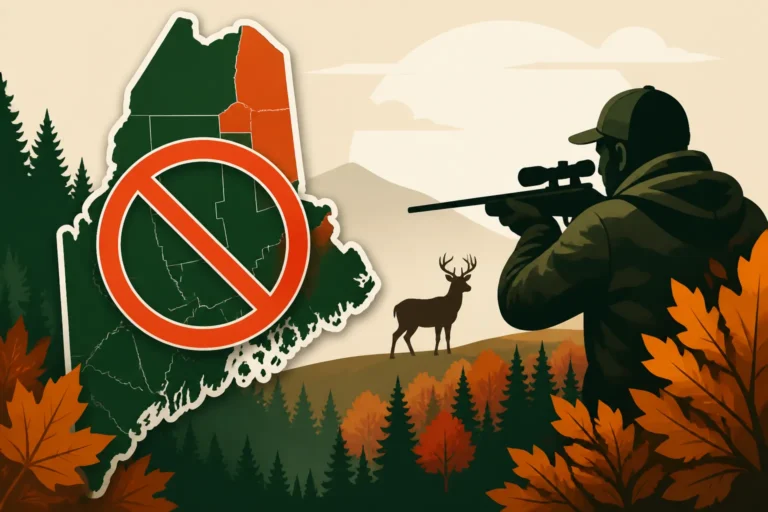
When a landowner posts their property, they are actively withdrawing that implied permission. Legally, posted land isn't just a suggestion; it's a clear declaration that entry is prohibited without express permission. The law is quite specific about how land must be posted for this prohibition to be legally enforceable. It's not enough for a landowner to just say "no hunting." They need to meet certain criteria for their property to be considered legally posted.
This generally means signs must be visible, spaced at certain intervals, and clearly state that hunting, fishing, or trespassing is prohibited. These signs aren't just for decoration; they serve as a legal warning. Ignoring them can lead to serious consequences, far beyond just being asked to leave. Understanding the explicit rules helps you, as a hunter, know precisely when you are on prohibited ground and need to change your approach. It’s also important to recognize that posted land often comes with a specific intention from the landowner – whether it’s for safety, privacy, or land management, their wishes must be respected.
Distinguishing Posted from Unposted Land
So, how do you tell the difference? Unposted land, as we discussed, follows the implied permission rule. You're typically okay to proceed unless you see clear signage or are otherwise informed not to. Posted land, on the other hand, will have those obvious, durable signs. They usually specify "No Trespassing," "No Hunting," "Private Property," or similar prohibitive language. These signs should be placed at reasonable intervals along property boundaries, especially at common access points like logging roads, field edges, or trailheads. You shouldn’t have to wonder if the land is posted or not; the signs should make it abundantly clear.
It's common for hunters to assume that if they don't see a "No Trespassing" sign every 10 feet, the land is open. This isn't always the case, but the intent of the law is to make reasonable efforts for landowners to clearly mark their boundaries. If you're ever in doubt, it's always safer to assume it might be restricted or, even better, seek clarification. This is where tools like Scouting With the Maine Hunting App can be incredibly useful, often showing property lines and ownership, which can guide your decision-making.
The Hunter's Responsibility on Posted Land
The moment you encounter posted signs, your entire approach to hunting that piece of ground has to shift. No longer can you rely on the tradition of implied permission. Your responsibility now is to either completely avoid that property or, if you truly believe there's an opportunity, to actively seek and secure explicit permission from the landowner.
When Posted Means Stay Out
Simply put, if land is legally posted with "No Trespassing" or "No Hunting" signs, and you do not have direct, express permission from the landowner, you must stay out. There's no gray area here. Walking onto such land without permission is considered trespassing, and it carries legal penalties. These can range from fines to, in more severe or repeated cases, loss of hunting privileges. Beyond the legal ramifications, it erodes the public's trust and makes it harder for everyone to maintain the access we currently enjoy. Respect for posted signs is paramount to maintaining positive landowner relations statewide.
Imagine spending countless hours Hunting a Ridge-Top Saddle for Rutting Bucks only to realize you've crossed onto posted land and have to back out, or worse, face a warden. It’s a gut punch, but it’s entirely avoidable. Always err on the side of caution. Even if you see deer sign that seems irresistible, if the land is posted, it's off-limits unless you've done the legwork beforehand.
How to Legally Seek Permission
If you find a piece of posted land that looks like prime habitat, don't despair immediately! The posting simply means you need to go through the proper channels to gain access. The best way to do this is to respectfully contact the landowner. This often means Asking a Maine Landowner for Permission directly. Finding landowner information might seem daunting, but there are resources available. Local town offices, especially the tax assessor's office, can provide public records of property ownership. Additionally, mapping applications like onX Hunt or GoHunt often include property lines and landowner contact information, making this process much simpler.
When you reach out, be polite, state your intentions clearly, and offer to share any game harvested. Remember, you are asking for a privilege, not demanding a right. Be prepared for a "no," and accept it graciously. A single negative encounter can ruin opportunities for countless other hunters in the future. Offering to help with small chores, like checking fences or clearing brush, can also go a long way in building goodwill and trust with landowners. Showing that you respect their property, not just their permission, can make all the difference. Do You Need Written Permission in Maine? is a common question, and while not always legally required for hunting, having it in writing is always a wise move, providing clarity for both parties.
Navigating Landowner Relations and Posted Property
Successfully navigating Maine's hunting landscape often boils down to good landowner relations, whether you're dealing with implied permission or explicit posting. Our reputation as hunters relies heavily on how we interact with private property owners.
The Role of Mapping Technology
In today's hunting world, digital mapping tools are an absolute game-changer, especially when it comes to understanding property boundaries. Platforms like onX Hunt and GoHunt allow you to overlay property ownership information directly onto detailed topographic maps and aerial imagery. This means you can see exactly where property lines are, who owns the land, and even potential contact information, all from your phone or GPS device. This technology empowers you to know before you go, preventing accidental trespassing.
Imagine planning a hunt for Late-Season Food Sources for Maine Whitetails along a specific creek bottom. With these apps, you can identify if that creek flows through multiple private parcels and quickly ascertain which ones are likely posted or require permission. This foresight not only keeps you legal but also builds confidence, allowing you to focus on the hunt itself rather than constantly worrying about boundary lines. It's a powerful tool for any hunter operating in Maine's mixed public and private land mosaic.
Respecting Boundaries and Signage
Even with mapping technology, there's no substitute for eyes on the ground and common sense. Always pay attention to physical signs of property lines and explicit "No Trespassing" signs. These signs are often a direct result of past negative experiences with hunters, so your respectful adherence to them can help change perceptions. Crossing a fence, driving past a gate, or simply walking where signs explicitly forbid it will quickly sour relations and potentially lead to more land being posted in the future.
This respect extends beyond the hunt itself. It means leaving no trace, packing out everything you pack in, and being mindful of gates, crops, and livestock. Maine Trespass and Permission Law is clear on what constitutes trespassing, and ignorance of a property line is rarely an excuse. If you find yourself needing to retrieve game from posted land where you don't have permission, the proper protocol is to contact the landowner or local game warden, rather than attempting to retrieve it yourself, which could lead to further legal issues.
Table: Implied Permission vs. Posted Land in Maine
Let's break down the key differences to make it crystal clear:
| Feature | Implied Permission Land | Posted Land |
|---|---|---|
| Legal Status | Entry generally allowed for outdoor recreation | Entry strictly prohibited without express permission |
| Landowner Action | No specific action taken to restrict access | Explicitly marked with "No Trespassing" signs or similar |
| Hunter's Burden | Know the law, practice ethical behavior | Identify signs, obtain explicit permission if entering |
| Signage Requirement | No specific signs required by landowner for access | Clearly marked signs at specific intervals are required |
| Best Practice for Hunter | Assume access, but always be respectful and informed | Assume no access, actively seek permission or avoid |
| Legal Consequences | Unlikely unless property damage occurs | Fines, potential loss of hunting privileges, legal charges |
This table should give you a clear framework for understanding how to approach different types of private land in Maine. Whether you're Hunting Maine's Generous Fall Turkey Season or Hunting a Beaver Pond for Early Season Deer, knowing the rules of the land beneath your boots is the first step to a successful and ethical hunt.
Building Positive Relationships
Ultimately, hunting on private land in Maine, whether posted or unposted, is a privilege that we must collectively work to preserve. Every interaction we have as hunters shapes the landowner's perception of us. When you encounter posted land, don't view it as a personal attack, but as an opportunity to potentially build a new relationship. A friendly knock on the door, a polite request, and an offer to help can turn a "No Trespassing" sign into an invitation.
Even if permission isn't granted, a positive interaction ensures that the landowner's negative experience with hunters doesn't grow. The future of Maine's Private Land Access Tradition depends on our collective responsibility. By adhering to posted rules, respecting landowner wishes, and being good stewards of the land, we can help ensure that Maine remains a fantastic place to hunt for generations to come.
Disclaimer
This article is for general informational purposes only and does not constitute professional advice. Laws, prices and regulations vary by location and change over time. Consult a qualified professional for guidance on your specific situation.