Public Ground Near Bar Harbor
Bar Harbor, with its stunning ocean views and the majestic Acadia National Park, feels like a world away from hunting season, doesn't it? Many folks might even assume that finding public ground to hunt near such a popular tourist destination is a fool's errand. It's true, the landscape around Mount Desert Island and the immediate Bar Harbor area presents some unique challenges with its dense population, intricate property lines, and the large presence of the National Park. But don't despair – with the right knowledge, tools, and a bit of determination, you can absolutely uncover rewarding hunting opportunities in Hancock County, just a stone's throw from the coast. This guide is here to help you navigate those waters and find those hidden gems.
The Unique Challenge of Hunting Near Bar Harbor
It’s easy to get swept up in the postcard-perfect imagery of Bar Harbor, picturing bustling streets, quaint shops, and ocean-side excursions. And while that’s a huge part of its charm, it doesn’t immediately scream "hunting paradise." This perception, while understandable, can make hunting in the area seem daunting, if not impossible. The reality is a blend of both worlds, where the proximity to high tourism creates a unique set of circumstances for hunters.
Tourist Hotspot, Hunting Spot? Not Always Obvious
Bar Harbor, situated on Mount Desert Island, is synonymous with picturesque landscapes and outdoor recreation that largely focuses on hiking, biking, and boating. The sheer volume of visitors and residents, particularly during peak seasons, means that much of the immediate area is heavily developed or privately owned. This creates a patchwork quilt of land ownership, with small parcels changing hands frequently, making it incredibly difficult to discern what’s open to hunting and what isn’t. You might drive past what looks like perfect deer cover, only to find it's someone's backyard or a protected conservation easement. This frustration of seeing prime habitat but facing access restrictions is a common one for hunters in southern and coastal Maine.
However, move a little further inland or explore the less trafficked corners of Hancock County, and the narrative begins to change. The land opens up, development becomes sparser, and the working forests of Maine start to dominate the landscape. These areas, while requiring more diligent scouting and perhaps a longer drive, often hold fantastic opportunities for various game species. It's about shifting your mindset from the immediate coastal strip to the broader regional potential.
Understanding Acadia National Park Boundaries
One of the most critical pieces of information for anyone considering hunting near Bar Harbor is the unequivocal fact that hunting is strictly prohibited within the boundaries of Acadia National Park. This isn't just a suggestion; it's a federal regulation, and violations can lead to serious consequences. Acadia National Park is a jewel for conservation and non-consumptive recreation, and its rules are clear on this matter.
The challenge, however, comes from the often-complex and irregular boundaries of the park itself. Acadia isn't one continuous block of land; it's a mosaic of parcels that weave in and out of private property, state lands, and local municipalities across Mount Desert Island and parts of the mainland. You might find a small section of parkland bordering a logging road you plan to hunt, or a private woodlot that extends right up to a park trail. This necessitates an incredibly precise understanding of exactly where you are and where the park begins and ends. Relying solely on general knowledge or road signs simply won't cut it. For accurately delineating these critical zones, digital mapping tools like onX Hunt become indispensable, allowing you to clearly see park boundaries overlaid on detailed satellite imagery, helping you stay legal and safe.
Identifying Public Hunting Land in Hancock County
While Acadia National Park itself is off-limits, Hancock County still offers a variety of public and publicly accessible lands where ethical hunting is permitted. These lands might not be right next to downtown Bar Harbor, but they are often within a reasonable drive, offering diverse habitats and game opportunities for those willing to explore.
Maine Wildlife Management Areas (WMAs)
Maine Wildlife Management Areas are state-owned parcels specifically managed by the Maine Department of Inland Fisheries and Wildlife (MDIFW) for the benefit of wildlife and public recreation, which absolutely includes hunting. These areas are vital for maintaining healthy game populations and providing accessible hunting grounds. While Mount Desert Island itself doesn't host any WMAs, several are within a reasonable drive in Hancock County, such as the Great Pond Mountain Conservation Trust lands, which operate under similar public access principles, or state-designated WMAs further inland.
When you venture into a WMA in this region, you can expect a variety of habitats, from dense softwood thickets and mixed hardwood forests to wetlands, old fields, and even some small clear-cuts. These diverse environments attract a range of game, including white-tailed deer, ruffed grouse, and American woodcock. Access generally involves designated parking areas, and while some may have walking trails, many require hunters to venture off-trail. Each WMA might have specific rules or nuances, so always check the MDIFW regulations for the particular area you plan to hunt. These areas often represent some of the best-managed public lands for hunting in Maine. To learn more about these invaluable resources, check out our guide on Maine Wildlife Management Areas.
Public Reserved Lands
Beyond WMAs, Maine also boasts a system of Public Reserved Lands. These are state-owned parcels, often scattered and sometimes smaller in size compared to the vast tracts of the North Woods, but they are managed for multiple uses including timber harvesting, recreation, and wildlife habitat. For the diligent hunter, these can be absolute hidden gems, providing excellent opportunities away from more heavily trafficked areas.
The beauty of Public Reserved Lands is their potential to be less pressured, precisely because they aren't always widely advertised or easily found on a generic map. Their scattered nature means they can pop up in unexpected places, often adjacent to private timberland or smaller woodlots. You might find a diverse mix of forest types, from mature hardwoods to younger stands, providing excellent cover and food sources for deer and upland birds. Successfully locating and utilizing these lands requires some detailed planning and mapping. This is where a robust digital tool like onX Hunt truly shines, allowing you to overlay public land boundaries onto satellite imagery, revealing these state-owned parcels that might otherwise be overlooked. Don't underestimate these smaller, often fragmented pieces of public ground – they can be incredibly productive. For a deeper dive into these opportunities, our article Maine Public Reserved Land Explained offers more insights.
Commercial Timberlands
Maine has a long-standing tradition of allowing public access for recreation, including hunting, on vast tracts of privately owned commercial timberland. While these lands are managed primarily for timber production, many landowners historically welcome hunters, understanding the role they play in wildlife management. This tradition is a cornerstone of Maine's hunting culture and dramatically increases the amount of land available for hunting.
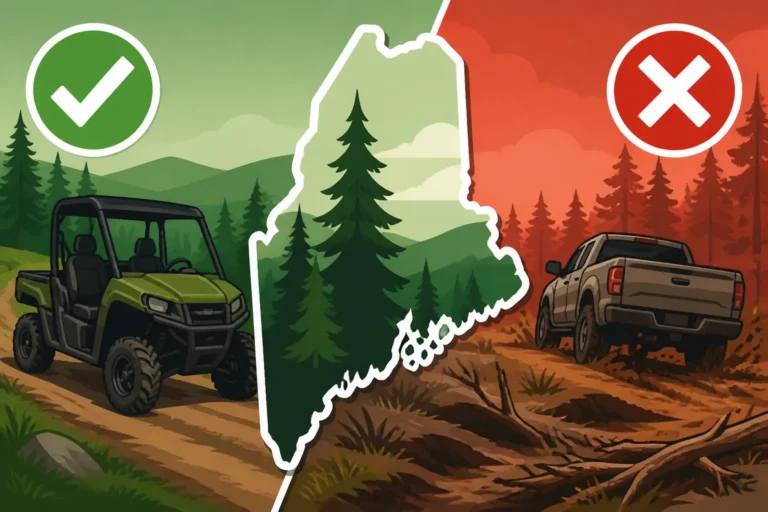
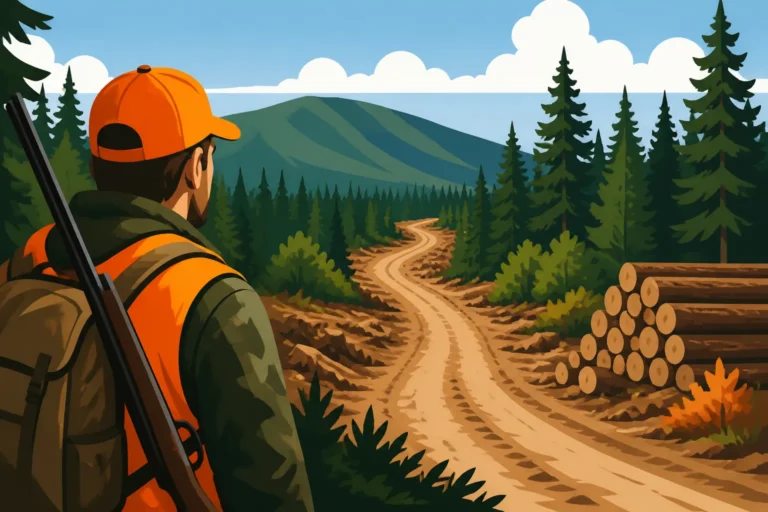
Hunting on timberlands typically involves navigating a network of logging roads – some actively used, others grown in. These roads often lead to recent clear-cuts, which can be fantastic for deer, moose (if you have a permit for the zone), bear, grouse, and woodcock, as the regenerating vegetation provides abundant food and cover. However, it’s crucial to understand that while generally open, access to timberlands is a privilege, not a right. Access policies can change, and you might encounter gates, specific rules, or even fees, especially in areas like the North Maine Woods. Always respect any posted signage, avoid active logging operations, and leave no trace. While not always "public" in the strict sense, these lands near Bar Harbor, especially further inland in Hancock County, offer significant hunting potential and are a key part of the Maine hunting experience.
Game Species and Hunting Tactics in the Bar Harbor Region
While the Bar Harbor area might not be the first place hunters envision for massive trophy animals, Hancock County offers solid opportunities for several popular game species. Success here often comes down to understanding the local habitat and adapting your tactics accordingly.
White-Tailed Deer
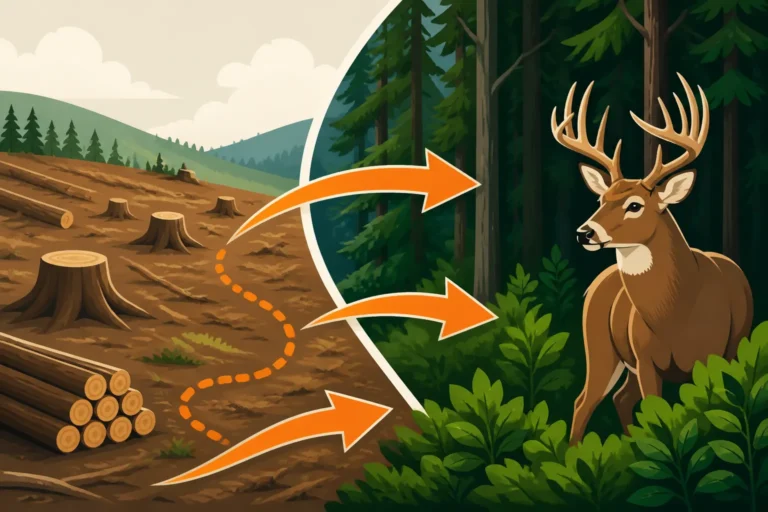
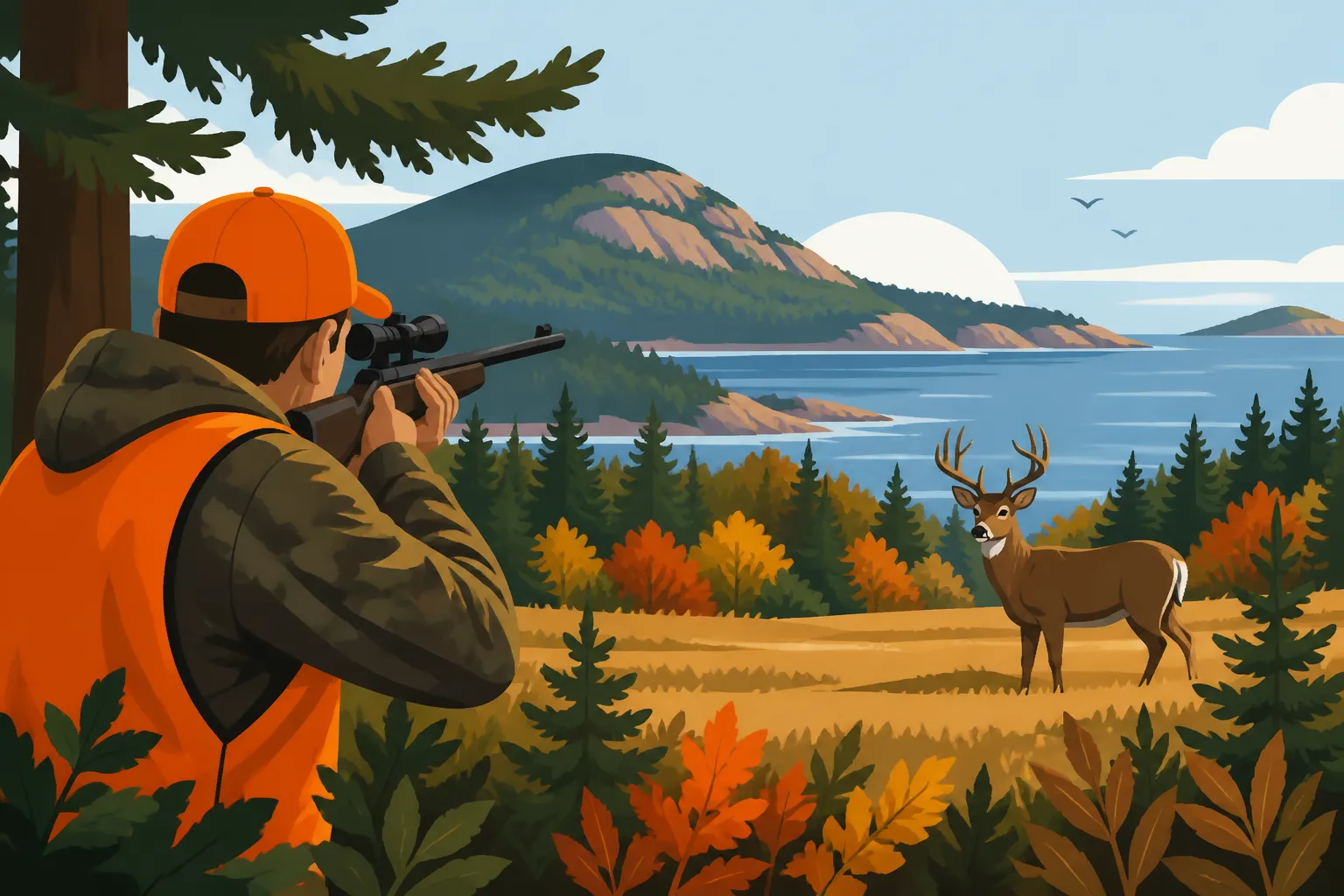
Deer populations in Hancock County are generally healthy, though perhaps not as dense as in some of the agricultural zones further south or west. Here, deer thrive in the mixed forests, swampy lowlands, and areas where forest meets fields or old clear-cuts. You'll often find them utilizing thick cover in spruce and fir stands, especially as winter approaches, or browsing on regenerating clear-cuts where young saplings and forbs provide sustenance.
Successful deer hunting in this region often involves still-hunting through diverse timber, focusing on transition areas where different forest types meet, or along old logging roads and skidder trails. Setting up a stand near a natural funnel, a well-used trail leading to a food source, or even an overlooked patch of old apple trees can be highly effective. Early season deer might be found closer to agricultural edges, while later in the season, they'll concentrate in thermal cover like dense cedar swamps or south-facing slopes. If you're looking for more general strategies for pursuing these adaptable animals, our White-Tailed Deer Across Maine guide offers a great overview. For specific insights into the coastal terrain, don't miss Hunting Downeast Coastal Cover.
Upland Birds: Grouse and Woodcock
For those who love the flush of an upland bird, Hancock County, including areas near Bar Harbor, can be a fantastic destination for ruffed grouse and American woodcock. These birds thrive in the regenerating forests and moist habitats that are common throughout the region.
Ruffed grouse are often found along old logging roads, in stands of young aspen and birch, and along the edges of clear-cuts where dense cover meets more open areas. They're masters of camouflage and can hold tight, making a good dog invaluable, though walking these areas quietly can also produce flushes. Woodcock, on the other hand, prefer moister habitats like alder runs, willow thickets, and damp, overgrown fields where they can probe for worms. They are migratory birds, and the Downeast region sees a good push of them during the fall migration. Hunting woodcock often means walking through thick, tangled cover, but the reward of a timber doodle fluttering up through the branches is worth every effort. To understand the population dynamics of these exciting birds, our articles on Maine Ruffed Grouse Population Cycles and Maine Woodcock Singing Ground Surveys provide excellent context.
Small Game and Furbearers
Beyond deer and upland birds, Hancock County offers opportunities for various small game and furbearers. Snowshoe hare are abundant in areas with dense softwood cover, particularly young spruce and fir stands that offer protection from predators. Hunting them with beagles is a classic Maine tradition, providing fast-paced action, but they can also be still-hunted. For more on this, check out Snowshoe Hare Hunting Deep Snow Cover.
Gray squirrels and red squirrels are plentiful in mature hardwood forests and mixed woods, offering a fun challenge for hunters looking to hone their marksmanship with a rimfire rifle or shotgun. Coyotes are also common throughout the region and provide year-round hunting opportunities. They are highly adaptable predators, often found patrolling the edges of fields, clear-cuts, and deep woods. Calling tactics, especially in winter, can be very effective for these intelligent canids. Always check the specific regulations for small game and furbearers, as seasons and legal methods can vary.
Essential Tools and Local Knowledge for Success
Successfully hunting near Bar Harbor, given its unique blend of tourist activity and fragmented land ownership, requires more than just a hunting license and a shotgun. It demands careful planning, the right tools, and a deep understanding of local regulations and land access.
Digital Mapping and GPS Navigation
In a region where public and private land parcels can be incredibly intertwined, relying on old paper maps or wishful thinking is a recipe for disaster. This is where modern digital mapping applications and GPS navigation become absolutely non-negotiable.
Tools like onX Hunt are truly game-changers for Maine hunters, especially in areas with complex property boundaries. With onX Hunt on your smartphone or GPS device, you can see real-time property ownership lines, clearly distinguishing between state, federal, and private lands. This is critical for staying out of Acadia National Park, avoiding trespass on posted private property, and identifying those smaller, often overlooked Public Reserved Land parcels. You can scout from home using satellite imagery to identify promising cover, pinch points, and potential access routes, then track your movements in the field to ensure you always know exactly where you stand. For hunters navigating the complexities around Bar Harbor, it offers unparalleled peace of mind and significantly enhances safety and effectiveness.
Complementing this, platforms like GoHunt can provide valuable regulatory information, helping you understand specific Wildlife Management District (WMD) rules, season dates, and permit requirements that might apply to the area you're exploring. While onX Hunt excels at displaying where you can hunt, GoHunt helps you understand how and when you can hunt there, making it easier to ensure you're fully compliant with all state regulations. For a broader look at leveraging technology in the field, read Scouting With the Maine Hunting App.
Understanding Maine's Implied Permission and Trespass Laws
Maine has a unique tradition of "implied permission" for recreation on unposted private land. This means that, unless a landowner has explicitly posted their property as "No Trespassing," it has historically been assumed that the public can recreate there. This is a truly special aspect of Maine's outdoor culture that has provided incredible access to hunters for generations.
However, it's absolutely crucial to exercise caution and courtesy, especially near populated areas like Bar Harbor. While implied permission is generally accepted, it's always best practice to seek explicit permission from landowners, particularly if you plan to access their land regularly, park a vehicle, or hang a stand. This simple act of knocking on a door and asking shows respect and builds good relationships, which are vital for maintaining future access. Furthermore, if land is posted with "No Trespassing" signs, those signs must be respected without exception; entering posted land without permission is illegal. Understanding these nuances is key to being a responsible Maine hunter, and you can delve deeper into this topic with Getting Landowner Permission in Maine.
Regulations and Licenses
Before you even step foot in the woods, ensuring you have all the necessary licenses and are up-to-date on current regulations is paramount. Maine's hunting laws, including season dates, bag limits, and legal methods, are established by the MDIFW and can change annually. It's your responsibility as a hunter to know and abide by these rules.
You'll need a valid Maine hunting license, which varies in cost for residents and non-residents. Depending on the species you target, you might also need additional permits, such as an Antlerless Deer Permit or specific migratory bird certifications. Always consult the most recent MDIFW hunting and trapping rule book, available online or at license vendors. This will provide WMD-specific information, blaze orange requirements, and any other regulations that might impact your hunt. For a comprehensive overview of what you'll need to get started, our article Maine Hunting Licenses and What They Cost is an excellent resource.
| Public Land Type | Key Characteristics | Typical Game Species | Planning Considerations |
|---|---|---|---|
| Wildlife Management Areas | State-owned; managed for habitat and public recreation | Deer, Grouse, Woodcock, Waterfowl (seasonal), Small Game | Check specific WMA regulations; may be pressured. |
| Public Reserved Lands | Scattered state-owned parcels; multi-use management | Deer, Grouse, Woodcock, Small Game | Requires detailed mapping (onX Hunt); access points vary. |
| Commercial Timberlands | Privately owned; often open with implied permission | Deer, Bear, Moose (by permit), Grouse, Woodcock, Coyote | Access policies can change; respect operations; check gates. |
Hunting near Bar Harbor and throughout Hancock County might not offer the vast, unbroken wilderness of the North Woods, but it absolutely provides fantastic opportunities for the prepared and respectful hunter. By understanding the local landscape, leveraging modern tools like onX Hunt and GoHunt, and adhering to Maine's unique land access traditions, you can enjoy rewarding days in the field, pursuing a variety of game species. It's about adjusting your expectations, embracing the challenge, and appreciating the diverse beauty that Maine has to offer beyond its well-trodden tourist paths.
Disclaimer
This article is for general informational purposes only and does not constitute professional advice. Laws, prices and regulations vary by location and change over time. Consult a qualified professional for guidance on your specific situation.